Learning how to meditate for Zen practice opens the door to a profound journey of mindfulness and simplicity. This ancient discipline, rooted in centuries of tradition, offers a pathway to mental clarity and spiritual insight that can greatly enhance daily life. Whether you are new to meditation or seeking to deepen your existing practice, understanding the core principles of Zen can serve as a guiding light in cultivating peace and focus.
This guide delves into the essentials of Zen meditation, from preparing your environment to mastering basic techniques and integrating mindfulness into everyday activities. Embarking on this practice not only nurtures mental well-being but also fosters a deeper connection with oneself and the present moment.
Introduction to Zen Meditation
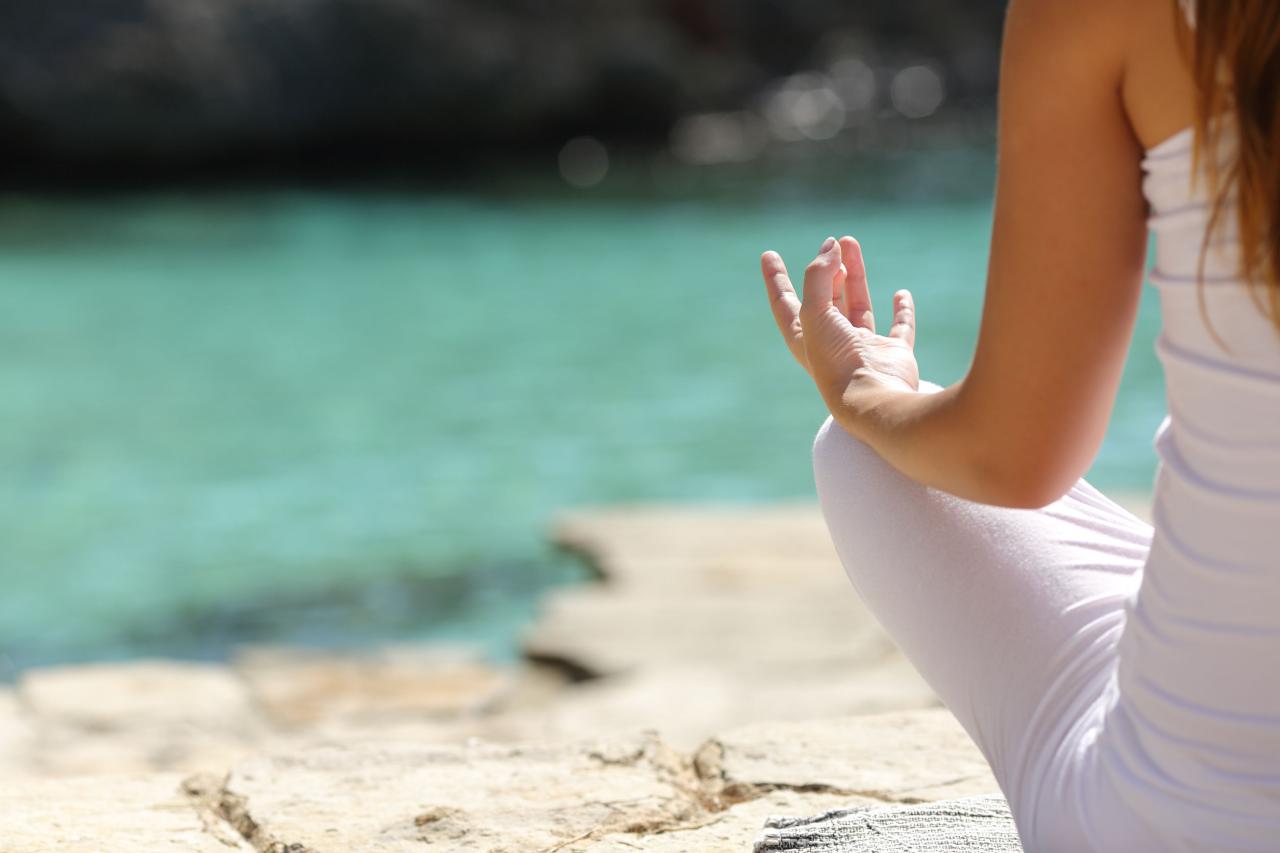
Zen meditation, known as Zazen, is a fundamental practice rooted in the broader tradition of Zen Buddhism. It emphasizes simplicity, mindfulness, and direct experience as pathways to achieving mental clarity and spiritual insight. By cultivating a calm and focused mind, practitioners aim to transcend everyday distractions and connect with a deeper state of awareness.
The principles of Zen meditation are grounded in the pursuit of inner peace through direct realization rather than intellectual understanding. It advocates for a minimalist approach to life and practice, encouraging practitioners to observe their thoughts and feelings without attachment or judgment. This approach fosters a sense of openness and presence that is essential in attaining enlightenment or awakening.
Origins and Evolution of Zen Meditation
Zen meditation traces its origins to India with the historical Buddha’s teachings, but it was in China during the Tang Dynasty that Zen, or Chan as it is called in China, began to take its distinctive form. The practice was heavily influenced by Taoist principles of simplicity and harmony with nature, which are reflected in the Zen approach to meditation.
From China, Zen Buddhism spread to Japan around the 12th century, where it became a prominent spiritual tradition. Over centuries, Zen meditation evolved, integrating various techniques, including seated meditation (zazen), walking meditation (kinhin), and mindful work. Throughout its history, Zen has remained committed to the core philosophy of direct experience and intuitive understanding over doctrinal study, fostering a practice that is accessible and centered on the present moment.
Preparing for Zen Meditation
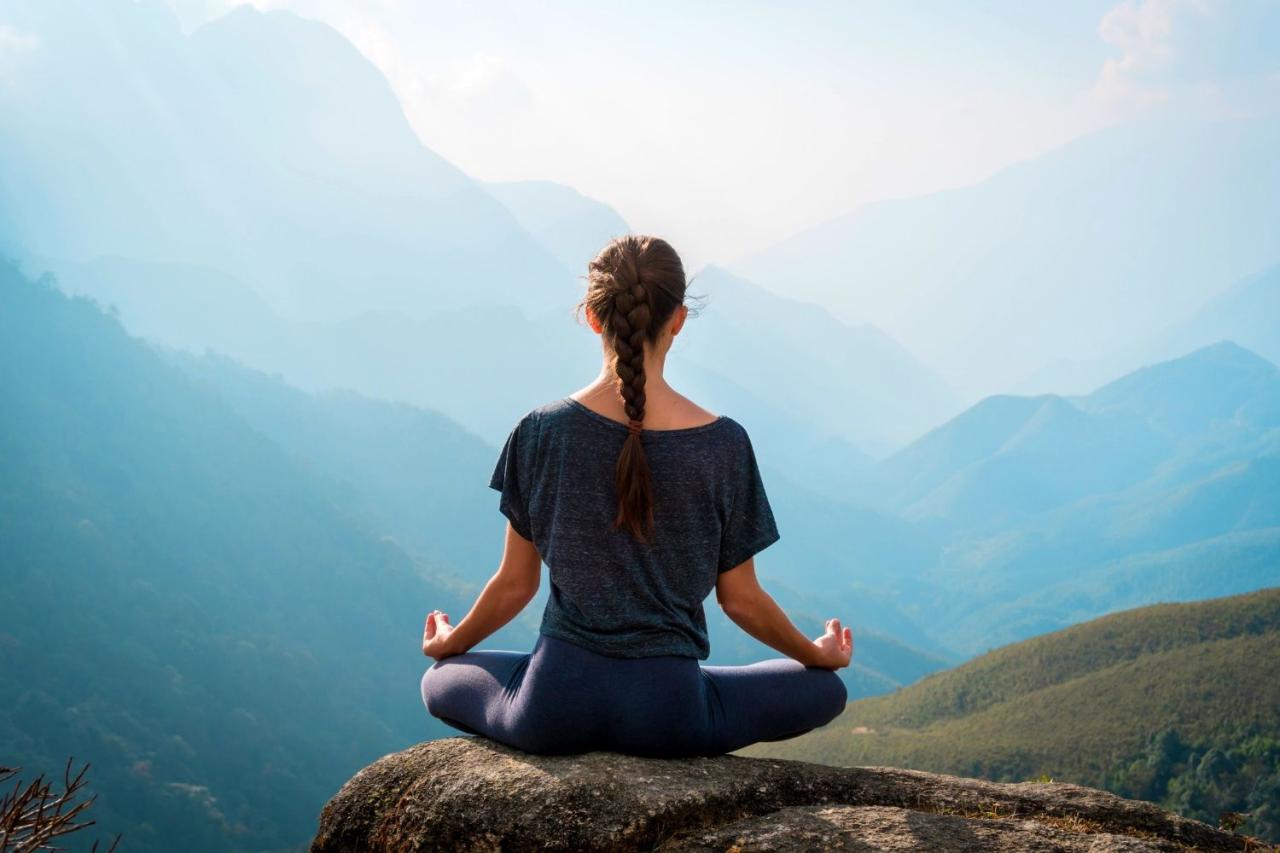
Creating the right environment and mental state is essential for an effective Zen meditation practice. Proper preparation helps cultivate focus, tranquility, and mindfulness, allowing practitioners to immerse fully in their meditation session. By paying attention to both physical surroundings and mental readiness, one can establish a foundation conducive to deepening their Zen practice.
Thoughtful preparation involves arranging a suitable space, selecting appropriate items, and adopting a focused mindset. These steps serve to eliminate distractions and foster an atmosphere of calmness and reverence, which are vital for experiencing the full benefits of Zen meditation.
Ideal Environment Setup for Zen Meditation
An optimal meditation environment is simple, clean, and free from distractions. The goal is to create a space that promotes serenity and allows the practitioner to settle into a state of mindfulness. The ambiance should reinforce a sense of reverence and focus, making it easier to enter a meditative state.
- Space: Choose a quiet, undisturbed area with minimal foot traffic. This can be a dedicated corner, a small room, or even a tranquil outdoor setting. The space should feel personal and inviting, free from clutter that might draw attention away from meditation.
- Lighting: Soft, natural lighting is preferable, as it fosters calmness and reduces strain. If natural light is unavailable, use dim, warm-colored lamps that create a soothing atmosphere. Avoid harsh or fluorescent lighting that can be straining or distracting.
- Ambiance: Incorporate elements that promote stillness, such as a simple altar or quiet background sounds like gentle wind or distant water. Maintaining a tidy, uncluttered environment enhances focus and mental clarity.
Necessary Items and Their Proper Use
Having the right items prepared beforehand can significantly enhance the meditation experience. Each item has a specific role and proper use that aligns with Zen principles of mindfulness and simplicity.
- Cushion (Zafu or Zabuton): Provides comfortable seating and promotes proper posture. The cushion should be placed on a firm, flat surface, allowing the hips to be slightly higher than the knees. This alignment reduces strain and encourages alertness.
- Robes or traditional clothing: Wearing simple, comfortable robes or loose clothing helps to cultivate humility and focus. The attire should be clean and free of distracting patterns or bright colors.
- Incense: Used to purify the space and create a sensory experience that anchors the mind. Light incense before starting, and use it sparingly to avoid overwhelming the senses. The gentle aroma should promote tranquility without causing discomfort.
- Altar or focal object: An altar with a small statue, candle, or symbolic item can serve as a visual anchor, helping to center attention and evoke a sense of reverence during meditation.
Steps to Mentally Prepare for Meditation
Mental preparation involves cultivating a focused, calm, and receptive mindset. The following steps assist practitioners in transitioning from daily activity into a meditative state, ensuring maximum benefit from each session.
- Set an intention: Clearly define the purpose of your meditation, whether it is cultivating mindfulness, compassion, or relaxation. This intention guides your focus and helps maintain discipline.
- Settle the body: Take a few deep breaths to release tension and ground yourself in the present moment. Adjust your posture to be upright yet relaxed, with the spine straight and shoulders relaxed.
- Calm the mind: Gently release thoughts and distractions by focusing on the breath or a simple meditation object. Recognize wandering thoughts without attachment, and gently redirect your focus back to your chosen anchor.
- Adopt a respectful attitude: Enter the practice with humility and reverence, recognizing the value of the moment. This mental stance encourages openness and receptivity to insights and inner peace.
- Consistency and patience: Establish a routine to reinforce mental readiness. Over time, this consistency cultivates deeper focus and a more profound meditative state.
Basic Techniques for Zen Meditation
Engaging in Zen meditation requires mastery of fundamental techniques that help cultivate focus, clarity, and tranquility. These techniques encompass proper posture, mindful breathing, and methods to sustain concentration amidst distractions. Developing these foundational skills allows practitioners to deepen their meditation practice and experience the profound calm and insight that Zen offers.
Implementing correct sitting postures, mastering breath awareness, and employing effective focus techniques are essential for establishing a stable meditation routine. Precise alignment and mindful breathing not only enhance comfort but also support mental stability. Maintaining focus through counting breaths or observing thoughts without attachment helps in developing a sustained meditative state, ultimately fostering insight and serenity throughout the practice.
Sitting Postures in Zen Meditation
Choosing an appropriate sitting posture is crucial for effective Zen meditation, as it influences physical comfort, alertness, and mental stability. The three primary postures are cross-legged, kneeling, and seated on a chair. Each posture should promote a straight spine, relaxed shoulders, and an open chest to facilitate unobstructed breathing and alertness.
- Cross-legged posture: Sit on a cushion or mat with legs folded comfortably, either in full lotus, half lotus, or Burmese position. Keep the feet firmly grounded, with knees resting on the mat or cushion, ensuring the hips are slightly higher than the knees. Align the spine upright, with the crown of the head extended upward, and relax the shoulders.
- Kneeling posture: Use a zafu (meditation cushion) or kneeling bench. Keep the shins flat on the floor, with the buttocks resting on the cushion. Maintain an upright spine, with the pelvis slightly tilted forward to prevent slouching. Hands rest comfortably on the lap or knees.
- Seated on a chair: Sit with feet flat on the floor, hip-width apart. Keep the back straight, supported by the chair’s backrest, but avoid leaning excessively. Place hands on the thighs or in the lap, with shoulders relaxed and chest open.
Alignment tips include keeping the head aligned with the spine, chin slightly tucked, and shoulders relaxed yet not slumped. These adjustments promote alertness and prevent fatigue during extended meditation sessions.
Breathing Techniques in Zen Meditation
The core of Zen meditation involves cultivating breath awareness, which anchors the mind and fosters present-moment consciousness. Practitioners typically focus on natural, diaphragmatic breathing, emphasizing slow, deep inhales and exhales. Counting breaths helps maintain focus and prevents wandering thoughts.
- Begin by adopting your chosen posture and closing the eyes or softly gazing downward.
- Bring attention to the natural rhythm of your breath, observing the sensation of air entering and leaving the nostrils or the rise and fall of the abdomen.
- Inhale slowly through the nose, counting silently “one” as the breath completes.
- Exhale gradually, counting “two” as the breath fully leaves the body.
- Continue this pattern, counting up to ten, then reset to one, maintaining gentle awareness throughout.
Use breath counting as an anchor: “Count each inhale and exhale, from one to ten, then restart.” This technique enhances concentration and helps prevent the mind from wandering.
Methods for Maintaining Focus
Maintaining focus during Zen meditation involves techniques that either anchor the mind or allow thoughts to pass without attachment. These methods foster a state of relaxed alertness, essential for deepening meditation and gaining insight.
| Technique | Description | Duration | Tips |
|---|---|---|---|
| Breath Counting | Focusing on counting each breath cycle to enhance concentration. | Throughout the meditation session, typically 10-20 minutes or longer. | Start with shorter periods and progress gradually; gently bring your attention back when it wanders. |
| Observing Thoughts | Noticing thoughts as they arise, then gently letting them drift away without engagement. | As long as the session lasts, with periodic practice. | Use a non-judgmental attitude; acknowledge thoughts without attachment or reaction. |
| Open Awareness | Maintaining a broad focus on all sensory inputs and internal sensations in the present moment. | Varies based on practice duration. | Allow sensations, sounds, and feelings to come and go naturally, fostering equanimity. |
By integrating these focus-maintenance techniques into daily practice, practitioners can develop a steady and peaceful mind, capable of observing life with clarity and compassion. Consistency and patience are key to progressing in Zen meditation.
Dealing with Common Meditation Obstacles
Embarking on Zen meditation often brings about various challenges that can hinder progress and diminish the experience. Understanding how to navigate distractions, restless thoughts, and physical discomfort is essential for cultivating a consistent and rewarding practice. Recognizing these obstacles and employing effective strategies empowers practitioners to deepen their mindfulness and resilience during meditation sessions.
Many practitioners encounter common hurdles such as an unruly mind, physical discomfort, or external disturbances. Addressing these obstacles with patience and mindfulness enables gradual strengthening of concentration and insight. Developing practical techniques to manage these issues ensures that meditation remains a beneficial and sustainable discipline, fostering mental clarity and inner peace.
Handling Distractions and Restless Thoughts
During meditation, the mind naturally generates thoughts and external distractions that can divert attention from the present moment. The key is not to suppress these distractions but to observe them with gentle acceptance. Recognizing the arising of distractions without judgment allows the practitioner to diminish their power over time and enhance concentration.
Techniques to manage distractions include:
- Labelting Thoughts: When a thought arises, mentally note it as “thinking” or “wandering,” then gently redirect focus back to the breath or chosen object of meditation.
- Using a Gentle Reminder: Mentally whisper a reminder such as “return” or “focus” to oneself when the mind drifts. This act of gentle acknowledgment helps re-center attention.
- Creating a Calm Environment: Minimizing external noise and interruptions by choosing a quiet, comfortable space can significantly reduce external distractions.
- Practicing Mindful Observation: Observe distracting thoughts as passing clouds, recognizing that they do not need to be engaged with or judged.
Managing Physical Discomfort
Physical discomfort, such as aching limbs or restlessness, can interfere with meditation by diverting attention from inward awareness. Addressing body-related obstacles involves both preparatory adjustments and ongoing awareness during practice.
Methods to alleviate physical discomfort include:
- Proper Posture: Ensuring a comfortable, stable seated position with supported spine, relaxed shoulders, and aligned head can reduce strain and promote alertness.
- Adjusting the Seating: Using cushions, chairs, or benches as needed to maintain comfort and prevent fatigue or stiffness.
- Periodic Movement: Incorporating gentle stretching or short walking breaks between sessions can release tension and improve physical ease.
- Breath and Relaxation Techniques: Utilizing deep, diaphragmatic breathing to release tension and promote relaxation during meditation.
Addressing Common Pitfalls and Deepening Practice
Practitioners may encounter common pitfalls that hinder growth in Zen meditation, such as clinging to expectations, over-efforting, or frustration over perceived progress. Recognizing these pitfalls allows for corrective measures that deepen understanding and promote a balanced practice.
Important considerations include:
- Avoiding Over-Exertion: Meditation is a gentle process. Forcing concentration or striving excessively can lead to tension and burnout. Emphasize ease and patience in each session.
- Accepting the Present Moment: Cultivating an attitude of acceptance toward whatever arises, including distractions and discomforts, fosters non-attachment and insight.
- Maintaining Consistency: Regular practice, even if brief, cultivates stability and prevents stagnation or discouragement.
- Understanding the Nature of the Mind: Recognizing that wandering thoughts are part of the natural mind process helps dissolve frustration and encourages gentle return to meditation.
“In Zen practice, obstacles are not enemies but opportunities to deepen awareness and understanding.”
Incorporating Zen Meditation into Daily Life
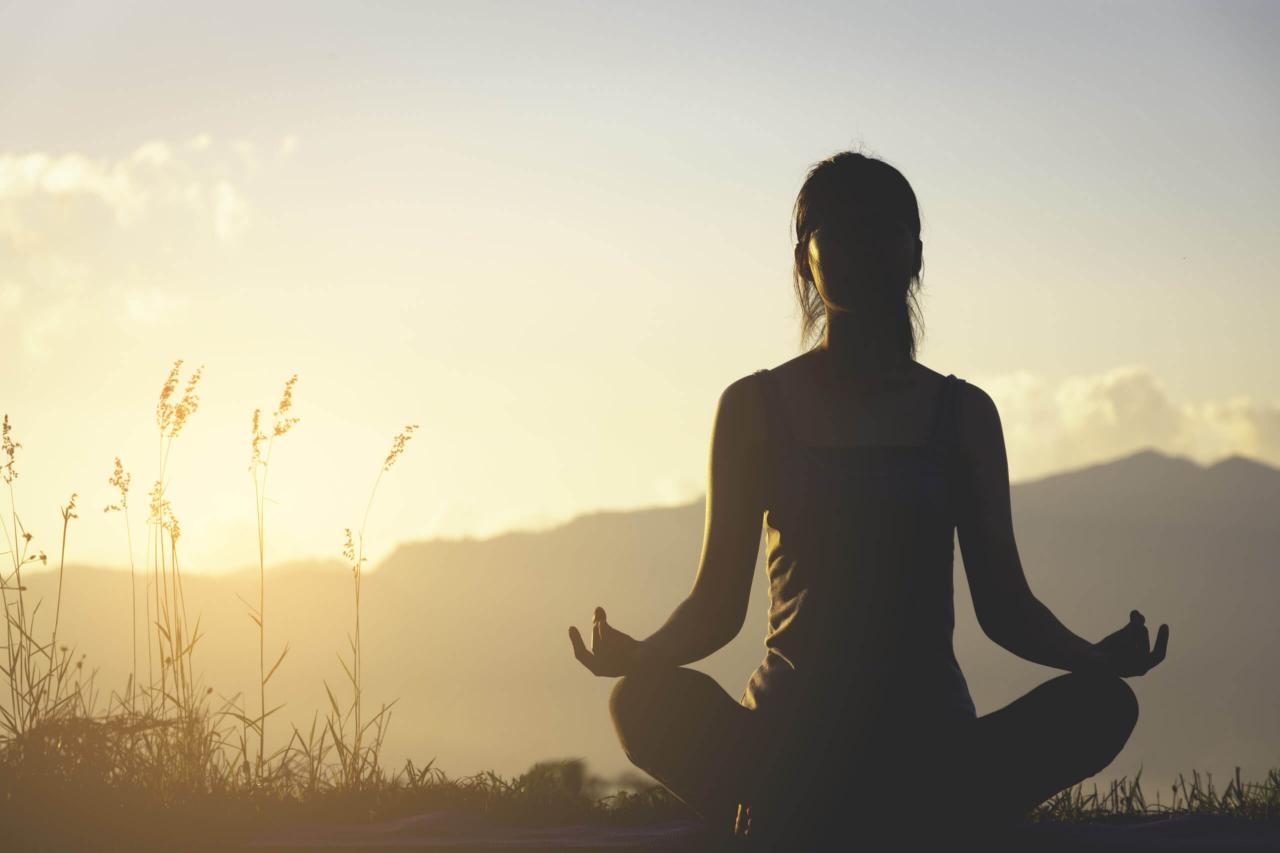
Integrating Zen meditation principles into everyday routines enhances mindfulness beyond the meditation cushion, fostering a more centered and peaceful approach to daily activities. This practice encourages individuals to carry the awareness cultivated during seated meditation into moments of walking, eating, working, and interacting, thereby transforming daily experiences into opportunities for mindfulness and presence.
By consciously applying Zen principles outside formal practice, practitioners can develop a continuous state of awareness that permeates their environment and interactions. This integration supports a balanced and harmonious lifestyle, reinforcing the core values of Zen such as simplicity, patience, and attentiveness. The following sections Artikel practical ways to extend mindfulness and Zen principles seamlessly into various aspects of daily life.
Mindful Walking
Walking is a natural activity that can serve as a moving meditation, allowing practitioners to cultivate focused awareness and present-moment consciousness. Incorporating mindful walking into daily routines involves paying close attention to the sensations, movements, and environment during each step, transforming an ordinary activity into a source of Zen practice.
Begin by walking slowly and deliberately, feeling the contact between your feet and the ground. Notice the sensation of your feet lifting, moving forward, and touching down again. Observe the rhythm of your breath in sync with your steps, maintaining a gentle, even pace. As you walk, be attentive to sounds, sights, and smells around you without judgment, fostering a sense of openness and acceptance.
Mindful Eating
Eating offers a vital opportunity to practice mindfulness by fully engaging with the experience of nourishment. Mindful eating involves paying attention to the sensory qualities of food, the act of chewing, and the process of swallowing, which cultivates gratitude and presence.
To incorporate mindful eating into daily life, start by turning off distractions such as television or mobile devices. Take a moment to observe the appearance, aroma, and texture of your food before eating. Chew slowly and thoroughly, savoring each bite. Notice the flavors and sensations with curiosity and appreciation. This practice can reduce overeating, enhance digestion, and deepen your connection to the act of nourishing your body.
Mindful Working
Applying Zen mindfulness during work tasks can improve concentration, reduce stress, and foster a sense of clarity. This involves bringing full attention to each activity, whether it is typing, organizing, or engaging in conversations, without letting the mind wander or become distracted.
Begin by setting a clear intention for your work session, acknowledging your purpose mindfully. As you perform each task, focus solely on the present moment, observing your actions with gentle awareness. If your mind drifts to worries or future plans, gently bring it back to the current activity. Taking short pauses between tasks to breathe deeply or stretch can reset your focus and reinforce mindfulness throughout the day.
Integrating Zen Principles into Daily Routines
Embedding Zen principles into everyday routines involves intentional reflection and structured practices that reinforce core values like simplicity, patience, and acceptance. Creating mindful rituals or moments of pause can deepen your practice and maintain awareness consistently.
Start by setting aside a few minutes each day for quiet reflection, contemplating Zen teachings or affirmations that resonate with you. Incorporate mindful pauses during transitions—such as before meals, after meetings, or upon waking—to reconnect with your breath and presence. Maintaining a journal to note insights and challenges can support ongoing growth and awareness. Additionally, approaching daily chores with mindfulness—seeing them as opportunities for practice—can transform routine activities into meaningful expressions of Zen living.
Advanced Zen Meditation Practices
Engaging in advanced Zen meditation practices allows practitioners to deepen their understanding, cultivate greater insight, and experience profound states of awareness. These practices often involve extended periods of meditation, participation in retreats, and the use of specific techniques that challenge and expand the practitioner’s spiritual capacity. Incorporating these methods into one’s routine can lead to a more refined and authentic Zen experience, fostering inner transformation and a clearer perception of reality.
Advanced practices are designed to transcend basic meditation techniques, encouraging sustained focus, direct inquiry into the nature of mind, and personal exploration of spiritual truths. Such methods require preparation, dedication, and often guidance from experienced teachers to ensure safety and efficacy. As practitioners progress, they learn to navigate inner obstacles more skillfully and to personalize their approach for deeper insight and awareness.
Longer Meditation Sessions and Retreats
Extended meditation sessions and retreats are integral to advanced Zen practice, offering immersive environments where practitioners can dedicate significant time to contemplative discipline. These experiences typically range from several hours in a day to multi-day or week-long retreats, providing an environment free from external distractions and allowing for focused spiritual development.
Preparation for these retreats involves establishing a consistent meditation routine beforehand, understanding the specific schedule, and cultivating mental and physical readiness. During retreats, practitioners often engage in silent meditation, mindful walking, and attentive work, deepening their concentration and insight. The expected outcomes include heightened clarity, a sense of inner stillness, and a more direct experience of Zen principles.
“Extended retreats serve as catalysts for profound awakening, helping practitioners to dissolve mental clutter and realize the present moment more fully.”
Koan Meditation
Koan meditation is a distinctive Zen practice involving the contemplation of paradoxical riddles or statements, known as koans. These are designed to pierce the conceptual mind, leading the practitioner to experience a direct insight into the nature of reality beyond dualistic thinking.
In approaching koan meditation, practitioners typically work with a Zen teacher who provides the koan and guides their exploration. The process involves meditative focus combined with pondering the koan, often over extended periods, allowing the mind to exhaust its usual patterns. The goal is not to find an intellectual solution but to experience a breakthrough in understanding that transcends language and logic.
“Koans serve as mirrors reflecting the limitations of ordinary perception, inviting the practitioner to see into the true nature of existence.”
Methods for Personalizing Zen Practice
Deepening Zen practice involves tailoring techniques to individual temperaments, life circumstances, and spiritual aspirations. Personalization fosters a more authentic and meaningful engagement with meditation, enhancing spiritual insight and awareness.
Practitioners may incorporate various methods such as adjusting meditation durations, experimenting with different postures, or integrating mindful activities into daily routines. Reflective journaling about insights gained during meditation can also help in understanding personal progress and obstacles. Additionally, engaging in creative expressions like poetry or art inspired by meditation experiences can deepen one’s spiritual journey.
Personalized practice emphasizes ongoing self-awareness and flexibility, encouraging practitioners to listen to their inner guidance and adapt their methods accordingly. This approach ensures that Zen remains a living tradition, relevant and nourishing for each individual’s unique path toward enlightenment.
Final Review

Incorporating Zen meditation into your routine can lead to lasting tranquility and heightened awareness. By understanding its foundational practices and overcoming common obstacles, you can develop a meaningful and sustainable meditation practice. Embrace this journey with patience and curiosity, and discover the transformative power of Zen for your mind and spirit.