Discovering how to meditate for third eye opening offers a profound pathway to enhance spiritual awareness and inner clarity. This practice, rooted in centuries of tradition, emphasizes awakening the sixth chakra to deepen consciousness and intuition. Engaging in proper meditation techniques can unlock hidden perceptions and foster a greater sense of connection with oneself and the universe.
Introduction to Third Eye Meditation
The third eye, often referred to as the Ajna chakra in spiritual traditions, holds profound significance in the journey toward consciousness expansion and spiritual awakening. Situated between the eyebrows, this energetic center is believed to be the gateway to higher perception, intuitive insight, and inner wisdom. Through dedicated meditation practices, individuals can activate and develop this chakra, unlocking deeper levels of awareness and understanding of their inner selves and the universe.
Throughout history and across diverse cultures, the third eye has been revered as a symbol of spiritual insight. Ancient civilizations such as the Egyptians, Hindus, Buddhists, and Taoists have emphasized practices to open and balance this energy center. Techniques range from focused meditation and visualization to breath control and mantra chanting, all designed to awaken the dormant potential of the third eye.
Engaging in these practices not only fosters heightened intuition but also cultivates clarity, mental focus, and a sense of connectedness with the greater cosmos.
Cultural and Historical Background of Third Eye Meditation Techniques
Many spiritual traditions have long recognized the importance of the third eye in achieving enlightenment and spiritual liberation. In Hinduism, the Ajna chakra is considered the seat of intuition and spiritual vision, often associated with the pineal gland, which historically has been linked to mystical experiences. Ancient yogis and monks practiced meditation, mantra repetition, and energy work to activate this chakra, believing it to be the center of divine insight.
Similarly, in Buddhism, the third eye symbolizes enlightenment and the ability to see beyond the physical realm. Tibetan Buddhists incorporate meditative visualization and breathing techniques to enhance spiritual perception. The Egyptians revered the “Eye of Horus,” symbolizing protection, wisdom, and spiritual sight, which parallels the concept of awakening the third eye.
In contemporary spiritual practices, modern meditation techniques build upon these historical foundations. Guided visualizations, crystal energies, and mindfulness techniques are used to stimulate and align the third eye chakra, fostering a pathway for expanded consciousness and inner awakening.
Benefits of Opening the Third Eye through Meditation
Activating the third eye via meditation offers a multitude of psychological, spiritual, and physiological benefits. It enhances intuitive abilities, allowing individuals to perceive subtle energies and truths beyond ordinary perception. This heightened awareness can lead to improved decision-making, emotional balance, and a deeper connection with one’s higher self.
Physiologically, some studies suggest that stimulating the third eye region may influence the pineal gland, promoting better sleep, reduced stress, and enhanced overall well-being. Spiritually, opening the third eye can facilitate lucid dreaming, inner visions, and a heightened sense of purpose and clarity in life.
Overall, consistent third eye meditation fosters a state of inner peace, mental clarity, and expanded consciousness that enriches daily life and supports spiritual evolution.
Preparing for Third Eye Meditation
Establishing an ideal environment and choosing the right physical and mental state are essential steps in preparing for effective third eye meditation. These preparations help deepen your focus, amplify intuitive insights, and foster a peaceful mindset conducive to spiritual awakening. Creating a serene and comfortable setting ensures that your practice remains undisturbed and that your mind is receptive to opening the third eye.A well-prepared environment encourages relaxation and concentration, minimizing distractions and enhancing your meditative experience.
Selecting suitable seating or lying positions helps promote physical comfort, enabling sustained meditation sessions without unnecessary tension. Additionally, incorporating specific items such as candles, incense, or crystals can serve as powerful focal points, elevating your energy and aiding in the activation of the third eye chakra.
Creating a Conducive Environment for Meditation
The ambiance of your meditation space significantly influences your ability to relax and focus. Light, sound, and overall atmosphere should be carefully managed to foster a peaceful environment that facilitates deep meditation.To create a tranquil setting:
- Lighting: Use soft, dim lighting to produce a calming atmosphere. Natural light during the day or warm-colored lamps in the evening can help promote relaxation. Avoid harsh, fluorescent lights that may cause discomfort or distract your focus.
- Sounds: Minimize external noise by choosing a quiet space. Incorporate gentle sounds like soft instrumental music, nature sounds such as flowing water or birdsong, or ambient white noise to deepen your meditative state. Consider using noise-canceling headphones if necessary.
- Air Quality: Ensure proper ventilation to keep the space fresh. Aromatherapy with calming essential oils like lavender or sandalwood can enhance the atmosphere and support mental clarity.
Selecting Comfortable Seating or Lying Positions
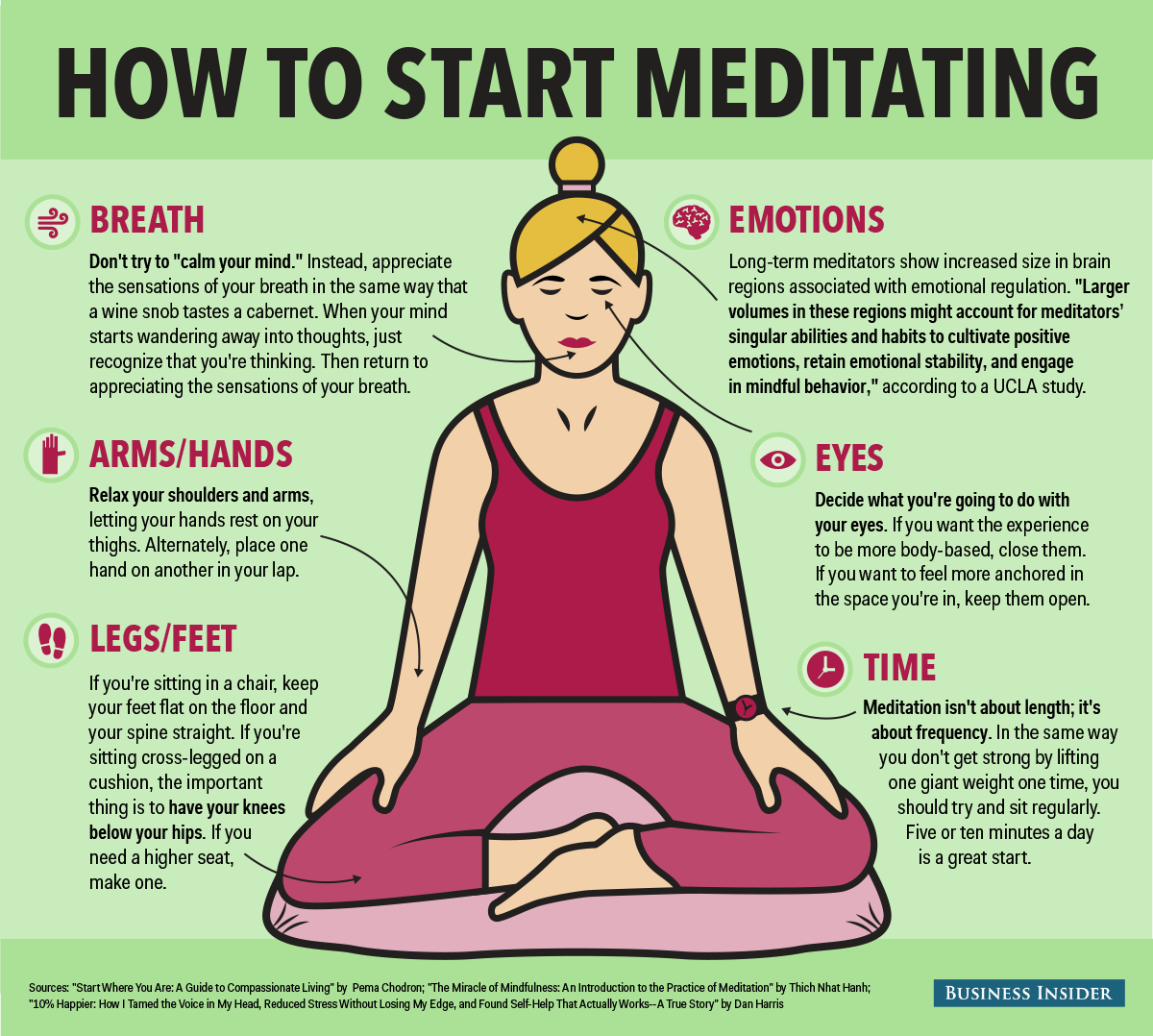
Comfort is fundamental for maintaining focus during meditation, especially in practices like third eye activation that require prolonged stillness. Choosing the correct posture prevents physical discomfort from diverting your attention away from your inner experience.Guidelines for selecting positions include:
- Sitting: Sit cross-legged on a cushion or meditation mat to elevate the hips above the knees, promoting spinal alignment. Keep the back straight but relaxed, with shoulders gently rolled back, and hands resting comfortably on the lap or knees.
- Lying: Lie on your back with a supportive pillow under your head if needed. Keep the spine aligned and arms resting alongside the body, palms facing upward to facilitate openness and receptivity.
- Adjustments for Comfort: Use cushions, bolsters, or chairs as necessary to support your posture. Avoid positions that induce pain or excessive tension, as physical discomfort can hinder your ability to focus inward.
Essential Items for Focus Enhancement
Incorporating specific tools into your meditation space can significantly enhance focus, energy flow, and the effectiveness of third eye activation. These items act as anchors or symbols, guiding your attention inward and anchoring your meditation practice.Recommended items include:
- Candles: Lighting a candle creates a soft, steady flame that serves as a visual focal point. The flame symbolizes illumination and spiritual awakening, helping to direct your gaze and attention inward.
- Incense: Burning incense, especially scents like sandalwood, frankincense, or lavender, purifies the environment and stimulates the senses. The aromatic experience can deepen relaxation and mental clarity.
- Crystals: Crystals such as amethyst, lapis lazuli, or clear quartz are believed to resonate with the third eye chakra. Placing these near your meditation area or holding them can enhance energy flow and reinforce your intent to activate the third eye.
- Altars or Symbols: Small altars or spiritual symbols, like images of deities or sacred geometry, can focus your intentions and serve as visual cues for your practice.
- Comfort Items: Soft blankets or cushions ensure physical comfort, allowing you to maintain your meditative posture comfortably for extended periods.
Techniques for Activating the Third Eye
Activating the third eye involves specific meditation methods designed to stimulate the pineal gland and enhance intuitive perception. These techniques often combine visualization, breath control, and mantra chanting to create a focused and calming mental state. Mastery of these methods can lead to a deeper sense of awareness and spiritual insight, facilitating the opening of the third eye.
Implementing these techniques requires patience and consistency. Each method targets different aspects of consciousness—visualization enhances mental imagery, breath control stabilizes your focus, and mantra chanting helps transcend mental chatter. When practiced regularly, these methods can accelerate the process of third eye activation, fostering clarity, insight, and heightened perception.
Visualization Technique
This method emphasizes mental imagery to stimulate the third eye region. Visualizations help activate the pineal gland by focusing mental energy on this area, encouraging energy flow and intuitive awakening.
- Find a comfortable seated position in a quiet space, ensuring your spine is upright and relaxed.
- Close your eyes and take several deep, slow breaths to center yourself and clear your mind.
- Bring your attention consciously to the space between your eyebrows, the location of the third eye.
- Visualize a radiant, indigo-colored light or a luminous orb glowing gently at this spot. Imagine this light becoming brighter and more vibrant with each breath.
- Maintain this visualization for 5-10 minutes, allowing the energy to build and the image to deepen.
- Conclude by gradually shifting your awareness back to your surroundings and opening your eyes slowly.
Breath Control Method
Controlling the breath enhances concentration and calms the mind, creating optimal conditions for third eye activation. The rhythmic pattern of breathing influences the flow of energy in the body, especially around the forehead region.
- Sit comfortably with your back straight and shoulders relaxed.
- Inhale deeply through your nose for a count of four, filling your lungs completely.
- Hold the breath for a count of four, maintaining mental focus on the third eye area.
- Exhale slowly and steadily through your nose for a count of four, releasing tension and mental clutter.
- Repeat this cycle for 10-15 minutes, visualizing energy flowing towards your third eye with each inhale and radiating outward with each exhale.
- Finish the practice by taking a few normal breaths, then gently opening your eyes.
Mantra Chanting
Mantra chanting involves repeating specific sounds or phrases that resonate with the energy of the third eye. This practice helps clear mental blockages and deepen your focus on this chakra.
- Choose a mantra associated with third eye awakening, such as “Om” or “Aum,” known for its universal vibrational qualities.
- Sit in a comfortable position with your eyes closed, and take several deep breaths to relax.
- Begin softly chanting the chosen mantra aloud or silently in your mind, focusing on the vibration it creates within your skull and forehead.
- Feel the sound vibrations working through the third eye area, stimulating energy flow and awakening perception.
- Repeat the mantra for 10-20 minutes, maintaining mental focus and a gentle, rhythmic voice or internal recitation.
- Conclude by gradually reducing the volume of your chant, then sit quietly for a few moments before opening your eyes.
Comparison of Third Eye Activation Methods
| Method | Primary Focus | Key Benefits |
|---|---|---|
| Visualization | Mental imagery of light or symbols at the third eye | Enhances focus, stimulates mental imagery, activates energy flow |
| Breath Control | Rhythmic inhalation, retention, and exhalation | Stabilizes mind, fosters mental calmness, improves energetic flow |
| Mantra Chanting | Repetition of sacred sounds like “Om” | Vibrational stimulation, mental clarity, chakra balancing |
| Combined Practice | Integration of visualization, breath, and mantra | Holistic activation, deeper spiritual connection, sustained focus |
Common Challenges and How to Overcome Them
Meditating for the third eye can sometimes present obstacles that may hinder progress or disrupt the practice. Recognizing these common challenges and understanding effective strategies to address them can greatly enhance your meditation experience and facilitate a smoother journey toward awakening your third eye.Physical discomfort and mental distractions are among the most frequent issues faced during meditation. These obstacles can diminish concentration and impede the flow of energy necessary for third eye activation.
Addressing these challenges with patience and deliberate techniques ensures that your practice remains productive and fulfilling.
Dealing with Mental Distractions
Distractions such as wandering thoughts, external noise, or emotional disturbances often pull your focus away from meditation. To effectively manage these, it is essential to cultivate mindfulness and develop grounding techniques. Consistent practice helps the mind become more resilient to disruptions, allowing you to maintain a deep state of awareness.Strategies to maintain focus include gently acknowledging distractions without judgment and then guiding your attention back to your point of focus, such as the third eye region.
Using a soft, rhythmic breath or silently repeating a calming mantra can anchor your mind, reducing the tendency to stray. Over time, these methods help train your mind to stay present and centered during your meditation sessions.
Gently Refocusing Energy When the Mind Drifts
Occasionally, the mind may wander or become overwhelmed by thoughts or emotions. Instead of becoming frustrated, approaching this moment with gentle awareness is crucial. Recognize that drifting is a natural part of meditation, and it provides an opportunity to practice patience.A practical method involves softly redirecting your attention to the sensations at the third eye area or the breath. Visualizing a calming light or energy at the third eye can serve as a visual anchor to re-engage focus.
Additionally, grounding techniques such as placing your hands on your lap or feeling the contact with your surroundings can help stabilize your energy. Regularly practicing these methods promotes a compassionate approach to distractions, transforming them into stepping stones for deeper insight and connection.
Enhancing Meditation with Additional Practices
Augmenting your third eye meditation routine with supplementary practices can significantly deepen your spiritual experience and facilitate a more profound opening of the third eye. By integrating complementary exercises such as yoga, affirmations, sound therapy, and the use of crystals or essential oils, you create a holistic environment that nurtures your inner awareness and intuition. These practices work synergistically to activate dormant energy centers, clear blockages, and amplify your meditative focus, resulting in a more effective and enriching journey toward spiritual awakening.
Implementing these additional practices requires mindful intention and consistency. When combined thoughtfully with your meditation sessions, they help align your physical, energetic, and mental states, fostering a balanced approach to third eye activation. Below are various techniques and tools that can be seamlessly incorporated into your routine to elevate your meditative experience and accelerate your path toward opening your third eye.
Complementary Exercises and Practices
Engaging in complementary exercises can enhance the vibrational energy and focus required for third eye activation. These practices not only prepare your mind and body but also sustain the energetic momentum needed for deeper spiritual insight. Incorporating specific yoga poses, affirmations, sound therapy, crystals, and essential oils creates a multisensory environment conducive to opening the third eye and maintaining its function over time.
Yoga Poses to Support Third Eye Activation
Certain yoga poses are traditionally associated with stimulating the sixth chakra, or third eye, particularly those that promote relaxation, focus, and the flow of energy through the forehead and head area. These poses help release tension, increase blood flow, and activate the pineal gland, which is linked to third eye functioning.
- Child’s Pose (Balasana): This restorative pose calms the mind and relieves stress, creating a peaceful state ideal for meditation. It gently stretches the forehead, promoting relaxation in the third eye region.
- Downward Dog (Adho Mukha Svanasana): Enhances blood circulation to the head, invigorating the brain and stimulating the third eye area.
- Seated Forward Bend (Paschimottanasana): Encourages introspection and quietude, supporting mental clarity necessary for third eye awareness.
- Tree Pose (Vrikshasana): Improves focus, balance, and concentration, aligning with the focus required for third eye opening.
Affirmations and Mental Practices
Positive affirmations serve as powerful tools to reprogram subconscious beliefs and reinforce your intention to open the third eye. Repeating specific phrases can deepen your focus and foster a mindset conducive to spiritual awakening.
“My third eye is open and receptive to divine insight.”
Incorporate affirmations into your daily routines by repeating them silently or aloud during meditation sessions. Consistent use of affirmations enhances your vibrational frequency and aligns your subconscious mind with your spiritual goals.
Sound Therapy and Vibrational Techniques
Sound therapy involves using specific tones, frequencies, or instruments such as tuning forks, Tibetan singing bowls, or binaural beats to stimulate the third eye. These sounds resonate with energy centers, helping to clear blockages and activate the pineal gland.
- Binaural Beats: Listening to frequencies in the alpha (8-13 Hz) or theta (4-8 Hz) range can facilitate deep relaxation and heightened awareness associated with third eye opening.
- Tibetan Singing Bowls: The harmonic vibrations of these bowls can balance chakras and promote clarity of thought and perception.
- Chanting or Mantras: Repeating mantra sounds like “OM” or “AUM” can elevate vibrational energy and awaken inner consciousness.
Using Crystals and Essential Oils
Crystals and essential oils are revered in spiritual practices for their energetic properties. When used intentionally, they can enhance the effectiveness of meditation and accelerate third eye activation.
Crystals for Third Eye Enhancement
- Amethyst: Known for its calming and spiritual properties, amethyst stimulates intuition and spiritual insight.
- Lapis Lazuli: Supports mental clarity and enhances intellectual and spiritual development.
- Clear Quartz: Amplifies energy and intention, making it a versatile stone for meditation.
- Blue Sapphire: Traditionally associated with wisdom and inner vision, aiding in third eye opening.
Essential Oils for Deepening Meditation
- Frankincense: Facilitates spiritual awareness and elevates consciousness during meditation.
- Sandalwood: Promotes mental clarity, grounding, and focus.
- Lavender: Calms the mind, reducing distractions and enhancing receptivity.
- Clary Sage: Known for its ability to stimulate the pineal gland and deepen intuitive insights.
Tips for Creating a Holistic Third Eye Opening Routine
To maximize the benefits of your third eye meditation, consider adopting a comprehensive approach that combines these practices into a cohesive routine. Here are practical tips for establishing an effective and balanced spiritual practice:
- Designate a quiet, clutter-free space dedicated to meditation, ensuring a peaceful environment free from distractions.
- Begin with gentle yoga poses to prepare your body and mind, followed by focused breathing exercises to center yourself.
- Use affirmations to set clear intentions before entering meditation, reinforcing your desire to open and activate the third eye.
- Incorporate sound therapy sessions with binaural beats or singing bowls to deepen vibrational resonance during meditation.
- Place crystals such as amethyst or lapis lazuli nearby or hold them during your practice to amplify energetic effects.
- Diffuse essential oils like frankincense or sandalwood during meditation, creating an aromatic environment that supports spiritual focus.
- Maintain consistency by dedicating specific times each day for your holistic practice, allowing your energy to gradually align and strengthen.
- Keep a journal to record insights, experiences, and progress, fostering awareness and guiding your ongoing journey.
Signs of Third Eye Activation
As you deepen your meditation practice aimed at opening the third eye, you may begin to notice specific signs that indicate progress. Recognizing these signals can help you understand your journey and encourage sustained practice. Activation is a gradual process, often accompanied by a variety of physical, emotional, and energetic sensations that serve as indicators of your inner awakening.
These signs are diverse and may manifest differently for each individual. They are generally gentle and progressive, reflecting the awakening of the sixth chakra and heightened perception beyond ordinary senses. Awareness of these signs allows practitioners to validate their efforts and remain motivated to continue their spiritual exploration.
Physical Signs of Third Eye Activation
Physical sensations often serve as initial indicators of progress in third eye meditation. These sensations are typically subtle but can become more pronounced over time. They often include a range of neurological or sensory experiences that signal increased activity in this energetic center.
- Tingling or vibrating sensations: A common physical sign is a tingling feeling around the forehead or the center of the brow. Some practitioners report a vibrating or pulsating sensation that indicates heightened energy flow.
- Headaches or pressure: Mild headaches or a sensation of pressure around the forehead can occur, especially during initial stages. These often diminish as the energy balance stabilizes.
- Changes in vision: During meditation, some individuals experience flashes of light, geometric patterns, or shimmering visions in their mind’s eye, reflecting increased energetic activity.
- Altered sensory perceptions: Heightened sensitivity to sounds, smells, or visual stimuli may arise, indicating an expanded awareness.
Emotional and Psychological Signs of Activation
Activation of the third eye is often accompanied by shifts in emotional and mental states. These changes can be significant and are important markers of progress, signaling a deeper connection to intuition and inner wisdom.
- Increased intuition: A noticeable enhancement in gut feelings or the ability to perceive subtle cues becomes evident. Decisions may seem more aligned with inner guidance.
- Heightened emotional sensitivity: Greater empathy, compassion, or emotional clarity may develop, alongside a tendency to feel more connected to others and the universe.
- Inner visions or insights: Occasional vivid mental images or flashes of insight may occur without intentional effort, often leading to a better understanding of personal or spiritual questions.
- Emotional release: Feelings of release or cleansing, including moments of emotional vulnerability, are common as old patterns dissolve and new awareness emerges.
Energetic and Subtle Signs of Activation
On the energetic level, activation manifests through sensations that reflect an awakening of the energy pathways within the body. These subtle signs often serve as confirmation that the third eye is opening and functioning more actively.
- Aura expansion: A feeling of expansion or brightening of the aura, often perceived as a tingling or warmth around the forehead and the entire head region.
- Inner light or glow: Experiencing a sense of inner luminescence or seeing a faint glow within the mind’s eye, indicating increased energetic awareness.
- Enhanced vibration and energy flow: The sensation of rhythmic vibrations or pulsations along the spine and around the head, signifying active energy centers.
- Chakra activation sensations: Tingling or warmth specifically localized at the brow chakra, often accompanied by a sense of opening or expansion.
Recognizing and Interpreting These Signs
Understanding these signs involves listening carefully to your body, mind, and energetic sensations. While some experiences are straightforward, others may require subtle attention to discern their significance. Maintaining a journal to record sensations and insights can help track progress and deepen your awareness of these signs over time.
“Each sign of activation is a step closer to greater clarity, intuition, and spiritual awakening. Trust your sensations, and remain patient as your third eye continues to open.”
Maintaining and Integrating Third Eye Awareness
After achieving a focused third eye meditation practice, sustaining this heightened state of consciousness throughout daily life becomes essential for ongoing spiritual growth and personal insight. Cultivating consistency in awareness helps to deepen the connection with one’s intuition and inner wisdom, allowing for a more harmonious and enlightened experience in everyday situations. Additionally, integrating these insights into daily routines ensures that the benefits of meditation extend beyond the practice sessions, fostering a balanced and spiritually aligned lifestyle.Maintaining this expanded awareness involves conscious effort to remain mindful and present, even amidst busy or stressful environments.
It requires establishing habits that reinforce the insights gained during meditation, such as paying attention to intuitive nudges or subtle energy shifts. Equally important is the practice of grounding and energy balancing, which helps prevent energy overload or disconnection from the physical realm, ensuring a harmonious integration of higher consciousness into daily existence.
Practices for Grounding and Balancing Energy
Grounding and balancing practices serve as vital tools to consolidate spiritual insights and maintain emotional equilibrium. After meditation, engaging in activities that connect you to the physical world can replenish your energy and prevent feelings of disorientation or overwhelm. These practices foster a sense of stability, allowing you to navigate everyday challenges with clarity and calmness.Some effective grounding techniques include walking barefoot on natural surfaces such as grass or soil, which allows energy to flow freely back into the earth.
Incorporating physical exercise, such as yoga or tai chi, helps to harmonize body and mind, dispersing excess energy and promoting vitality. Breathing exercises that emphasize slow, deep inhales and exhales can also soothe the nervous system and reinforce a centered state of consciousness. Additionally, visualizations of roots extending from your base into the earth or imagining energy flowing downward are powerful methods to restore balance and stability.
Methods to Integrate Third Eye Insights into Daily Routines
Integrating third eye insights into everyday life ensures that the heightened awareness cultivated during meditation continues to influence your decisions, perceptions, and interactions. Developing specific routines and habits can solidify this connection and promote ongoing spiritual development.
| Method | Description |
|---|---|
| Mindful Observation | Consistently practicing mindfulness during daily activities, such as eating, walking, or working, helps maintain heightened awareness. Pay attention to subtle energies and intuitive impressions that arise naturally throughout the day. |
| Journaling Insights | Regularly recording intuitive insights, visions, or thoughts after meditation encourages reflection and reinforces the connection with higher consciousness. This practice helps track progress and recognize patterns in perceptions. |
| Intuitive Decision-Making | Applying intuitive guidance when making choices, from small daily tasks to significant life decisions, consolidates the trust in third eye perceptions. This practice fosters confidence in inner wisdom over purely analytical thinking. |
| Visualization in Routine Tasks | Using visualization techniques during activities like commuting or household chores can reinforce the energetic impressions received during meditation. Visualize your third eye opening wider, expanding your perception into your surroundings. |
| Scheduled Reflection | Designate specific times of the day for brief mindfulness or reflection sessions, allowing moments to reconnect with your expanded awareness. This periodic check-in sustains clarity and prevents mental clutter. |
“Consistent integration of third eye insights transforms awareness from a temporary experience into a foundational aspect of daily living, guiding intuitive action and enhancing overall consciousness.”
End of Discussion
In conclusion, mastering meditation for third eye opening can significantly enrich your spiritual journey by cultivating heightened awareness and insight. Consistent practice, combined with patience and proper preparation, allows for meaningful progress and integration of newfound perceptions into everyday life. Embrace this transformative process to unlock your full potential and attain a balanced state of consciousness.