Learning how to meditate for spiritual growth offers a profound pathway toward inner harmony and self-discovery. This practice, rooted in ancient traditions and cultural histories, serves as a powerful tool to deepen one’s spiritual journey and foster greater awareness of oneself and the universe.
By engaging in meditation, individuals can cultivate mental clarity, set meaningful intentions, and develop discipline that enhances their overall spiritual development. With proper preparation and consistent effort, meditation becomes a transformative experience that nurtures inner peace and spiritual awakening.
Introduction to Meditation for Spiritual Growth
Meditation has long been regarded as a profound practice for nurturing the mind, body, and spirit. It serves as a gateway to deeper self-awareness, inner peace, and spiritual expansion. By dedicating time to meditate, individuals can cultivate a heightened sense of connection to themselves, others, and the universe at large, fostering spiritual development in a mindful and deliberate manner.
Throughout history, meditation has been integral to numerous cultures and religious traditions, offering a structured approach to exploring the inner realm. From the ancient practices of Hinduism and Buddhism to the contemplative traditions of Christianity and Taoism, meditation has evolved into a universal tool for spiritual awakening and growth. Its significance lies not only in calming the mind but also in awakening a deeper understanding of one’s purpose and existence.
Historical and Cultural Background of Meditation Practices
The origins of meditation trace back thousands of years, with roots entrenched in diverse cultural and spiritual practices. In India, meditation dates back to the Vedic period (around 1500 BCE), where it was part of spiritual disciplines aimed at achieving enlightenment and union with the divine. The teachings of Patanjali’s Yoga Sutras formulated systematic methods for meditative practice, emphasizing mental control and spiritual insight.
Similarly, in East Asia, meditation practices such as Zen Buddhism emerged, emphasizing mindfulness and direct insight into one’s true nature. Chinese Taoist meditation focused on aligning oneself with the natural flow of the universe, cultivating harmony and longevity. In Western traditions, Christian contemplative prayer and mystical practices have incorporated meditative elements to foster a closer connection with God.
Over centuries, these practices have traveled and transformed, adapting to different cultural contexts while maintaining core principles of focus, awareness, and spiritual awakening. The universality of meditation underscores its effectiveness as a tool for inner growth regardless of cultural background.
How Meditation Facilitates Spiritual Growth
Meditation acts as a bridge between the physical and spiritual, providing a space for introspection and transcendence. It enhances self-awareness by encouraging practitioners to observe their thoughts, emotions, and sensations without attachment or judgment. This heightened awareness fosters a deeper understanding of oneself, which is fundamental to spiritual progress.
Additionally, meditation promotes mental clarity and emotional stability, creating an environment conducive to spiritual insights and realizations. As practitioners develop concentration and mindfulness, they become more receptive to subtle spiritual experiences and intuitive knowledge, enabling a more profound connection with their higher selves or divine consciousness.
Regular meditation practice also cultivates qualities such as compassion, patience, and humility—traits essential for spiritual maturity. It helps individuals transcend egoic limitations, identify their true nature beyond superficial identities, and embrace a sense of unity with all living beings. By integrating meditation into daily life, individuals can accelerate their journey toward enlightenment, inner harmony, and spiritual fulfillment.
Preparing for Meditation Practice
Establishing an optimal environment and mental state before beginning meditation is crucial for achieving the depths of spiritual growth. Proper preparation ensures that your practice is effective, focused, and free from distractions, allowing you to connect more deeply with your inner self and the divine energies. Taking intentional steps to prepare can transform a simple routine into a profound spiritual experience.
Preparation involves creating a conducive physical space, organizing necessary materials, and cultivating mental and physical readiness. These elements work synergistically to foster a tranquil mindset and set the tone for meaningful meditation sessions. Attuning yourself to these preparatory practices can significantly enhance your spiritual journey.
Creating a Conducive Environment for Meditation
A sacred and peaceful space provides the foundation for effective meditation. Such an environment minimizes external disturbances and promotes a sense of safety and serenity, essential for deep introspection and spiritual growth. The following steps can help establish an ideal setting:
- Select a quiet location away from noise, traffic, or household distractions. A room or corner dedicated solely to meditation enhances focus and consistency.
- Ensure the space is clean, clutter-free, and aesthetically pleasing. Incorporating natural elements like plants, stones, or calming images can elevate the ambiance.
- Use soft lighting, such as candles or dim lamps, to create a soothing atmosphere. Avoid harsh or bright lights that may cause discomfort or alertness.
- Maintain proper ventilation and a comfortable temperature to prevent physical discomfort during meditation.
Consistently preparing your environment before each session helps in conditioning your mind to associate that space with calmness and spiritual focus, thereby deepening your practice over time.
Organizing Necessary Materials and Positioning Guidelines
Having the right materials within reach ensures that your meditation session is smooth and uninterrupted. Proper positioning also plays a vital role in maintaining comfort and alertness during practice. Consider the following:
- Materials: Gather items such as a meditation cushion or chair, a timer, and optional spiritual tools like incense, prayer beads, or a small altar with meaningful symbols.
- Materials management: Keep these items organized in your meditation space to avoid searching or distractions during practice. This maintains focus and serenity.
- Positioning guidelines: Sit in a posture that maintains spinal alignment, whether cross-legged on a cushion, kneeling, or seated on a chair with feet flat on the ground.
- Hand placement: Place hands comfortably on your lap, with palms facing upward or downward, or rest them on your knees. Ensure your shoulders are relaxed.
- Head and neck: Keep your head aligned with your spine, with chin slightly tucked to promote alertness without tension.
Adhering to proper positioning reduces physical discomfort, allowing mental focus to remain undisturbed and facilitating deeper meditation sessions.
Cultivating Mental and Physical Readiness
Preparing the mind and body before meditation enhances concentration, clarity, and receptivity to spiritual insights. These practices establish a receptive state conducive to spiritual growth:
- Engage in gentle stretching or light physical exercise to release muscular tension accumulated throughout the day. This prepares the body for stillness.
- Practice deep breathing exercises, such as diaphragmatic breathing, to calm the nervous system and center your awareness.
- Set a clear intention or affirmation for your meditation session. Manifesting a purpose heightens focus and aligns your consciousness with your spiritual goals.
- Practice mindfulness or simple body scans to become aware of any physical discomforts or mental distractions, acknowledging them without judgment.
- Maintain a balanced internal state by avoiding heavy meals or stimulants before meditation, which can cause discomfort or restlessness.
Developing a routine of mental and physical preparation fosters discipline and creates a sacred mental space, allowing you to enter meditation with openness and stability. Regularly incorporating these habits can significantly accelerate your spiritual progress and deepen your connection during each session.
Techniques and Methods of Meditation
Exploring various meditation techniques allows individuals to find methods best suited to their spiritual growth and personal preferences. Each technique offers unique pathways to deepen awareness, cultivate compassion, and enhance inner peace. Understanding these methods enables practitioners to select and tailor their practice, making meditation an effective tool for spiritual development.
Different meditation techniques harness distinct processes and serve specific purposes, ranging from fostering mindfulness to developing loving-kindness. They can be practiced individually or combined, depending on one’s objectives and experiences. Here, we examine some of the most popular and effective meditation methods, providing detailed descriptions and step-by-step instructions to support effective practice.
Mindfulness Meditation
Mindfulness meditation emphasizes maintaining a moment-by-moment awareness of thoughts, feelings, bodily sensations, and surrounding environment. It is foundational in cultivating presence and reducing mental clutter, thereby enhancing spiritual clarity.
This technique involves observing experiences without attachment or judgment, fostering acceptance and inner calm. It is often practiced sitting comfortably, paying attention to the breath, and gently redirecting focus whenever the mind wanders.
- Find a quiet, comfortable place to sit with your back straight but relaxed.
- Close your eyes or soften your gaze, focusing on the sensation of your breath entering and leaving your body.
- Notice the rise and fall of your chest or abdomen with each breath.
- When your mind drifts to other thoughts, gently acknowledge them without judgment and redirect your attention back to your breath.
- Practice for 5–20 minutes daily, gradually increasing duration as comfort with the technique grows.
Guided Imagery
Guided imagery involves visualizing calming or inspiring scenes, often with the assistance of a recorded guide or script. It is effective in reducing stress, fostering positive emotions, and connecting with the subconscious for spiritual insights.
This method encourages vivid mental visualization of serene environments or meaningful symbols, heightening sensory awareness and emotional connection.
- Sit or lie down in a comfortable, quiet space.
- Close your eyes and take several deep breaths to relax your body.
- Begin imagining a peaceful scene, such as a lush forest, a tranquil beach, or a sacred temple.
- Engage all your senses—visualize colors, sounds, scents, textures, and sensations associated with the scene.
- Remain in this visualization for 10–15 minutes, allowing the imagery to deepen and evoke feelings of peace and connection.
- Gently bring your awareness back to the present moment and open your eyes.
Mantra Meditation
Mantra meditation involves the repetitive chanting or mentally repeating a specific word, phrase, or sound to focus the mind and transcend ordinary consciousness. It helps in quieting mental chatter and anchoring attention.
This technique is rooted in spiritual traditions such as Hinduism and Buddhism and is particularly effective in cultivating concentration and inner serenity.
- Sit comfortably with a straight spine and close your eyes.
- Choose a mantra—this could be a traditional Sanskrit sound like “Om,” or a word of personal significance.
- Begin silently or aloud repeating the mantra slowly and steadily.
- Allow the repetition to become rhythmic, letting the sound resonate in your mind and body.
- If your mind wanders, gently return your focus to the mantra without self-criticism.
- Practice for 10–20 minutes, gradually increasing duration over time.
Loving-Kindness Meditation (Metta)
Loving-kindness meditation cultivates compassion and positive emotional states toward oneself and others. It involves silently repeating phrases that express good wishes, fostering a sense of interconnectedness and spiritual harmony.
This method enhances emotional resilience, reduces negative feelings, and promotes universal love, aligning closely with spiritual growth goals.
- Find a comfortable seated position and close your eyes.
- Begin by generating feelings of kindness and warmth toward yourself. Repeat phrases like “May I be happy, may I be healthy, may I be safe, may I live with ease.”
- Visualize loved ones or neutral individuals, extending the same wishes to them.
- Gradually extend these wishes to acquaintances, strangers, and even those with whom you have difficulties, fostering universal compassion.
- Maintain this practice for 10–15 minutes, allowing the feelings of loving-kindness to deepen and expand outward.
Comparison of Meditation Techniques
| Technique | Purpose | Process | Benefits |
|---|---|---|---|
| Mindfulness Meditation | Develop present-moment awareness and acceptance | Focus on breath and observe sensations without judgment | Reduces stress, enhances clarity, fosters emotional regulation |
| Guided Imagery | Promote relaxation and positive visualization | Visualize calming scenes with sensory details | Stress reduction, emotional healing, deep relaxation |
| Mantra Meditation | Achieve focus and transcend mental chatter | Repeat a specific word or phrase rhythmically | Improves concentration, calms the mind, spiritual connection |
| Loving-Kindness Meditation | Cultivate compassion and emotional well-being | Repeat compassionate phrases toward self and others | Enhances empathy, reduces negative emotions, fosters universal love |
Step-by-Step Practice Procedures
Mindfulness Meditation
- Choose a quiet space and sit comfortably with a straight posture.
- Set a timer for your desired duration, starting with 5–10 minutes.
- Close your eyes or soften your gaze, focusing on the sensation of breathing.
- When distracted, gently acknowledge the thought or feeling and redirect your attention to your breath.
- Conclude the session by slowly opening your eyes and noticing your surroundings.
Guided Imagery
- Settle into a comfortable position in a quiet environment.
- Close your eyes and take deep, calming breaths to relax.
- Begin imagining a peaceful scene, engaging all senses for vividness.
- Stay immersed in the imagery for 10–15 minutes, allowing feelings of tranquility to deepen.
- Gently bring your awareness back to the present and open your eyes.
Mantra Meditation
- Find a comfortable seated posture and close your eyes.
- Select a meaningful mantra or sound.
- Start repeating the mantra slowly and steadily, either aloud or silently.
- Focus on the sound and vibration of the mantra, allowing it to anchor your attention.
- If your mind wanders, gently return to repeating the mantra with patience and consistency.
- Practice for 10–20 minutes, gradually increasing the duration over time.
Loving-Kindness Meditation
- Sit comfortably, close your eyes, and take several deep breaths to relax.
- Begin with generating kind wishes toward yourself, such as “May I be happy.”
- Extend these wishes to loved ones, acquaintances, and eventually all beings.
- Focus on cultivating genuine feelings of compassion and warmth.
- Continue for 10–15 minutes, allowing the feelings of loving-kindness to expand and deepen.
Focus and Intention Setting
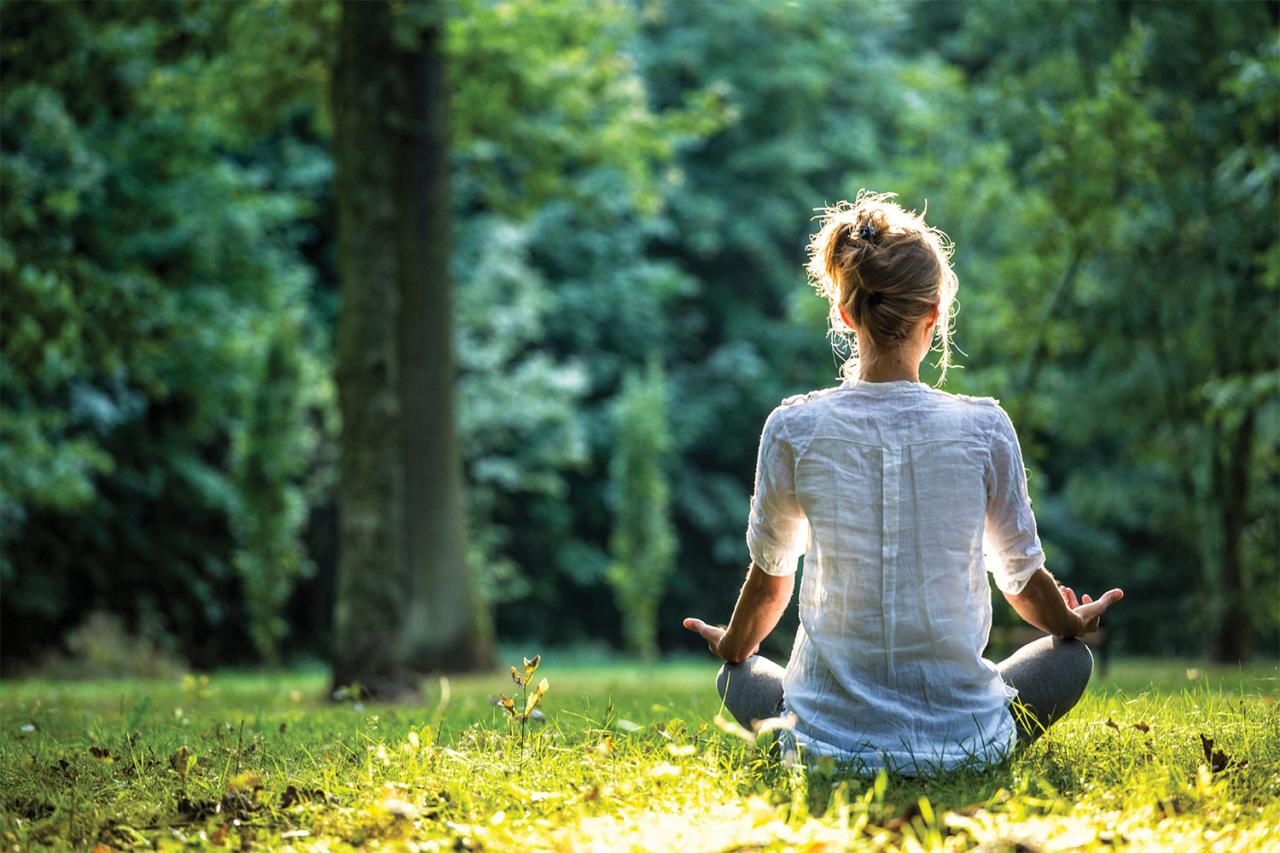
Establishing clear intentions and cultivating focused awareness are vital components of effective meditation for spiritual growth. These practices help direct your energy and attention toward meaningful outcomes, foster a deeper connection with your inner self, and enhance the overall quality of your meditation experience. By consciously setting intentions, practitioners create a purposeful framework that guides their practice and supports their spiritual development.
Simultaneously, maintaining focus and minimizing distractions are essential to achieving a state of mental clarity and serenity. Techniques that enhance concentration allow for a more profound exploration of inner consciousness, enabling practitioners to transcend superficial thoughts and access deeper levels of awareness. This process encourages a disciplined yet gentle approach, nurturing patience and persistence as you cultivate your spiritual journey.
Strategies for Setting Clear Spiritual Intentions
Effective intention setting begins with introspection and clarity about personal spiritual goals. Reflect on what you hope to attain through meditation—whether it is inner peace, compassion, wisdom, or connection with the divine. Articulating specific intentions helps focus your mind and aligns your efforts with your spiritual values.
To solidify your intentions, consider writing them down or reciting them aloud before beginning your practice. This act of verbal or written affirmation reinforces your commitment and creates a mental anchor. For example, you might declare,
“Today, I seek to cultivate compassion and understanding within myself.”
Such statements serve as guiding lights throughout your meditation, reminding you of your purpose and fostering perseverance.
Techniques to Focus the Mind and Eliminate Distractions
Maintaining unwavering focus during meditation involves employing various practical techniques designed to anchor attention and prevent mental drift. Here are some effective strategies:
- Breath Awareness: Concentrate on the natural rhythm of your breath, observing each inhale and exhale. This simple yet powerful practice anchors the mind and helps dissolve extraneous thoughts.
- Use of Mantras or Affirmations: Repeating a specific word, phrase, or affirmation can serve as a mental focal point, redirecting attention whenever distractions arise.
- Focused Visualization: Engage in vivid imagery related to your spiritual goals, such as visualizing a peaceful light or divine presence, to deepen concentration and foster a sense of connection.
- Environmental Control: Create a quiet, clutter-free meditation space, free from interruptions. Dimming the lights, reducing noise, and establishing a consistent time and place cultivate a conducive environment for focused practice.
- Gentle Return to Focus: When your mind wanders, gently acknowledge the distraction without judgment and softly bring your awareness back to your chosen point of focus, like the breath or mantra.
Implementing these techniques consistently enhances your ability to remain present, deepen your meditation, and strengthen your spiritual intentions. Over time, this disciplined focus fosters inner stability and reduces the influence of external distractions, enabling a more profound spiritual experience.
Intention Statements for Spiritual Growth
The following table presents various intention statements tailored to support different aspects of spiritual development. These serve as examples or starting points for personal customization, aligning your practice with specific growth goals.
| Aspect of Spiritual Growth | Intention Statement |
|---|---|
| Inner Peace | “I am open to experiencing deep tranquility and serenity in each meditation.” |
| Compassion | “Today, I cultivate unconditional compassion for myself and others.” |
| Wisdom | “I seek clarity and understanding to deepen my spiritual insights.” |
| Divine Connection | “I open my heart to connect with the divine presence within and around me.” |
| Gratitude | “I cultivate a sense of gratitude for the blessings in my life.” |
| Self-awareness | “I am aware of my thoughts and feelings, observing them with kindness and curiosity.” |
| Forgiveness | “I release all resentment and embrace forgiveness for myself and others.” |
| Spiritual Service | “I dedicate my spiritual growth to serving others with love and humility.” |
Developing Consistency and Discipline
Maintaining a regular meditation practice is crucial for experiencing sustained spiritual growth. Developing consistency and discipline helps deepen your connection with your inner self, solidifies positive habits, and enhances the overall effectiveness of your meditation routine. While creating a practice schedule is essential, overcoming obstacles like distraction and fatigue, and staying motivated are equally important for long-term success.Achieving a disciplined meditation routine requires intentional planning and perseverance.
When discipline becomes a natural part of your daily life, meditation evolves from an occasional activity into a meaningful and transformative practice. This section explores strategies for establishing a consistent schedule, overcoming common challenges, and maintaining your motivation over time.
Organizing a Schedule Template for Regular Meditation Sessions
A well-structured schedule forms the foundation for regular meditation practice. Consistency is key to experiencing the cumulative benefits of meditation, including increased mindfulness, emotional balance, and spiritual insight. To create an effective schedule:
- Identify your optimal time: Determine the part of the day when you feel most alert and least likely to be disrupted, such as early morning or evening before bed.
- Set a realistic duration: Start with manageable sessions, such as 10-15 minutes daily, and gradually extend as your practice deepens.
- Designate a quiet space: Choose a dedicated, clutter-free area that encourages focus and tranquility.
- Use reminders: Incorporate alarms or calendar alerts to prompt your meditation session and reinforce your routine.
- Maintain flexibility: While consistency is crucial, allow flexibility in your schedule to accommodate unforeseen circumstances without abandoning your practice altogether.
Below is an example weekly template to help organize your meditation routine:
| Day | Time | Duration | Notes |
|---|---|---|---|
| Monday | 6:30 AM | 15 minutes | Focus on breathing and grounding |
| Tuesday | 6:30 AM | 15 minutes | Include body scan meditation |
| Wednesday | 6:30 AM | 15 minutes | Practice loving-kindness meditation |
| Thursday | 6:30 AM | 15 minutes | Reflect on gratitude |
| Friday | 6:30 AM | 15 minutes | Deepen mindfulness awareness |
| Saturday | 7:00 AM | 20 minutes | Extended session for reflection |
| Sunday | 7:00 AM | 20 minutes | Relax and reconnect with your intention |
Overcoming Common Obstacles: Distraction and Fatigue
Distraction and fatigue are frequent challenges faced by meditators, especially during the initial stages of establishing a routine. These obstacles can hinder progress but are manageable with mindful strategies and adjustments.Distraction often arises from external noise, intrusive thoughts, or environmental disturbances. Fatigue, on the other hand, makes maintaining focus difficult and can lead to drowsiness or impatience. Addressing these issues involves both practical adjustments and mental techniques:
- Creating an optimal environment: Choose a quiet, clutter-free space with minimal external stimuli. Use soft lighting and maintain a comfortable temperature to promote relaxation.
- Setting a gentle intention: Begin each session with a clear, calming intention, such as “I am here to gently observe my breath,” which helps anchor your focus amidst distractions.
- Using guided meditations: Incorporate audio recordings or apps that provide gentle guidance, helping keep your attention centered.
- Practicing mindfulness during daily activities: Enhance your overall focus by bringing awareness to routine tasks, which can translate to more sustained attention during meditation.
- Managing fatigue: Schedule meditation at times when you feel most alert, avoiding sessions immediately after heavy meals or when you are overly tired. Adjust your posture as needed to stay comfortable but alert.
- Shortening sessions: When fatigue persists, reduce your meditation duration temporarily to maintain quality over quantity. Gradually increase as your stamina improves.
“Consistency is the secret ingredient to transforming meditation from a task into a habit that nurtures your spiritual growth.”
Tips for Maintaining Motivation and Establishing a Daily Routine
Sustaining motivation ensures that meditation remains a vital part of your life, leading to continuous spiritual development. Building a daily routine involves cultivating discipline, celebrating progress, and integrating meditation into your broader lifestyle.To keep your motivation high:
- Set clear, achievable goals: Define what you want to attain through meditation, whether it’s greater peace, clarity, or spiritual insight. Regularly revisit and refine these goals.
- Create a visible reminder: Place a meditation cushion, a journal, or motivational quotes in your designated space to inspire you to sit regularly.
- Track your progress: Use a meditation journal or app to record your sessions, noting your experiences, challenges, and insights. Recognizing consistency reinforces commitment.
- Celebrate milestones: Acknowledge your dedication by rewarding yourself when you reach specific goals, such as a week or month of daily practice.
- Incorporate variety: Experiment with different meditation techniques or durations to keep the practice engaging and prevent monotony.
- Connect with a community: Join meditation groups or online forums to share experiences, gain support, and derive inspiration from others’ journeys.
Establishing a structured routine requires integrating meditation seamlessly into daily life, making it a non-negotiable aspect of your schedule. Over time, this consistency fosters deeper inner awareness, resilience, and spiritual growth, transforming meditation from an occasional activity into a lifelong habit.
Enhancing Meditation with Visualizations and Affirmations
Incorporating visualizations and affirmations into meditation practice amplifies spiritual growth by aligning the mind with positive intentions and deepening inner awareness. These powerful tools help practitioners cultivate a focused and immersive experience, fostering a stronger connection to their inner selves and the universe.
Visualizations engage the imagination to create vivid mental images that evoke feelings of peace, abundance, or divine connection. Affirmations, on the other hand, serve as positive declarations that reinforce spiritual values and intentions. When used intentionally during meditation, these elements can accelerate personal transformation, enhance clarity, and nurture a sense of inner harmony.
Spiritual Visualizations that Deepen Meditation Practice
Effective visualizations are rooted in the practitioner’s spiritual beliefs and personal goals. They serve to transport the mind beyond ordinary perception, creating a sanctuary of serenity and insight. Here are some examples of powerful spiritual visualizations:
- Light and Energy Visualization: Envision a radiant, divine light descending from above, enveloping the entire body, cleansing negative energies, and filling one with warmth, love, and vitality. Visualize this light expanding outward, connecting with the universal energy.
- Inner Temple or Sacred Space: Imagine entering a sacred temple or natural sanctuary within the mind, where one feels safe, supported, and connected to higher wisdom. Explore this space, noticing its details and the sensations it evokes.
- Flowing Energy Currents: Picture streams of golden or silver energy flowing through the body’s chakras or energy centers, balancing and harmonizing inner forces. Visualize these currents clearing blockages and revitalizing the spirit.
- Cosmic Connection: Visualize oneself as a point of light within the vast cosmos, feeling a deep sense of unity with all existence. Recognize the interconnectedness with stars, planets, and divine consciousness.
Affirmations Promoting Spiritual Growth and Inner Peace
Affirmations serve as mental tools to reprogram subconscious patterns and reinforce positive spiritual beliefs. When repeated during meditation, they help cultivate qualities such as compassion, patience, wisdom, and tranquility. Below is a selection of affirmations designed to support spiritual development:
- “I am open to divine guidance and wisdom.”
- “Peace and love flow through me effortlessly.”
- “I am connected to the universal source of all life.”
- “Every breath brings me closer to inner harmony.”
- “I am a vessel of compassion and understanding.”
- “My mind is clear, and my heart is full of gratitude.”
- “I trust the divine timing of my spiritual journey.”
- “Inner peace is my natural state.”
Incorporating Visualizations and Affirmations into Meditation Sessions
To maximize the benefits of visualizations and affirmations during meditation, it is essential to integrate them thoughtfully into your practice. Begin by setting a calm and focused environment, then follow these steps:
- Start with deep breathing exercises to relax the body and quiet the mind.
- Decide on a specific visualization that resonates with your current spiritual intent. Close your eyes and imagine it vividly, engaging all your senses to make it as real as possible.
- Once immersed in the visualization, introduce affirmations that complement the mental image. Repeat these affirmations silently or aloud, aligning them with your breath and visualization.
- Maintain this dual focus for several minutes, allowing the visualization and affirmations to merge into a harmonious experience.
- Gently bring your awareness back to the present moment, carrying the positive energies and intentions into your daily life.
“The power of visualization and affirmations lies in their ability to reprogram the subconscious mind, aligning your thoughts, emotions, and actions with your highest spiritual ideals.”
Incorporating Meditation into Daily Life
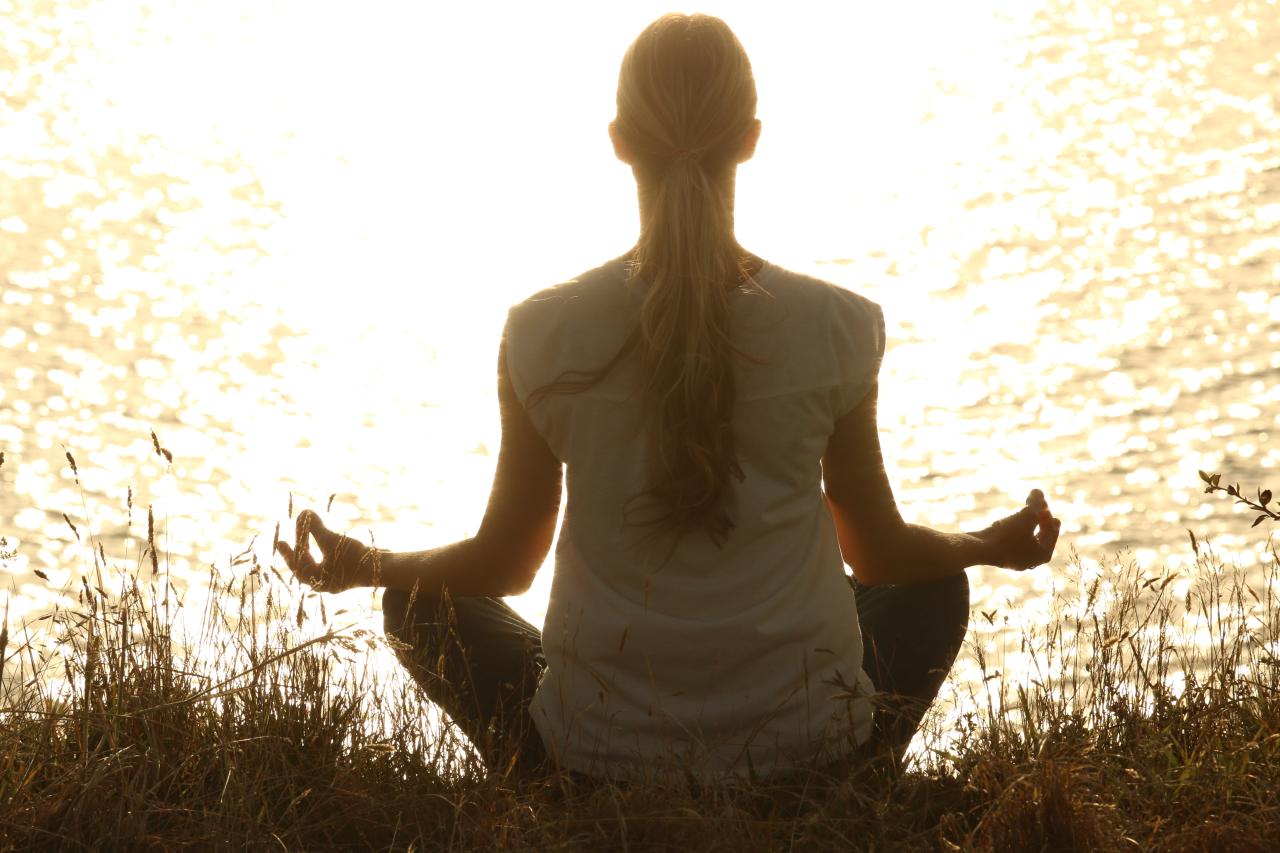
Transitioning meditation from a dedicated practice into everyday activities can significantly deepen your spiritual journey. Mindfulness and awareness are not confined to the cushion; they can be woven seamlessly into daily routines, fostering a continuous state of spiritual presence. By consciously integrating these practices into various aspects of life, you cultivate a resilient sense of calm, clarity, and connection that persists beyond formal sessions.
Embedding meditation principles into daily activities transforms ordinary moments into opportunities for spiritual growth. This approach enhances overall well-being, reduces stress, and nurtures a more compassionate and mindful outlook. The key lies in cultivating awareness and intentionality in each moment, allowing your spiritual practice to expand beyond scheduled sessions into a natural, living experience.
Practices for Mindful Living Beyond Formal Meditation
Practicing mindfulness throughout the day involves paying deliberate attention to your current experience, whether during routine tasks or interactions. These practices help maintain a peaceful and centered state, making spiritual growth a constant presence in your life.
- Engage in mindful breathing during daily activities such as commuting, grocery shopping, or waiting in line. Focus on the sensation of the breath entering and leaving your body, anchoring your awareness in the present moment.
- Practice mindful listening during conversations, giving full attention to what others are saying without planning your response or becoming distracted by internal thoughts. This deepens your connection and promotes compassion.
- Bring awareness to your body movements, such as walking, stretching, or washing dishes. Notice the physical sensations, rhythm, and flow of each movement, fostering a sense of mindfulness and presence.
- Use routine activities as reminders for mindfulness, such as pausing for a few deep breaths before meals or after completing tasks. These moments serve as mini-meditations that refresh your focus and serenity.
Methods for Integrating Spiritual Practices in Everyday Activities
Incorporating spiritual awareness into daily routines involves intentional practices that align your actions with your inner values. This integration nurtures a holistic approach to growth, emphasizing the unity of external actions and internal intentions.
- Set an intention at the start of each day to remain conscious and present in your activities. Visualize yourself moving through the day with mindfulness and compassion.
- Maintain a mental or verbal affirmation that resonates with your spiritual goals, such as “I am present in this moment” or “Peace flows through me.” Repeat it silently during daily tasks to reinforce your focus.
- Practice gratitude by regularly acknowledging and appreciating the positive aspects of your day, fostering a heart-centered attitude that enhances your overall spiritual awareness.
- Integrate mindful pauses during busy periods to recalibrate your energy. For example, pause briefly between meetings or tasks to breathe deeply and reconnect with your inner calm.
Practical Tips to Sustain Spiritual Awareness Throughout the Day
Maintaining spiritual awareness in everyday life requires consistency and conscious effort. The following practical tips can help embed mindfulness and spiritual presence into every moment.
- Start your day with a brief moment of grounding, such as conscious breathing or a gratitude reflection, to set a mindful tone.
- Create reminders or cues, like setting alarms or placing sticky notes with inspirational quotes, to prompt mindful awareness during the day.
- Practice gentle self-compassion when distractions or negative thoughts arise, acknowledging them without judgment and returning focus to your intention.
- Dedicate specific times for quick moments of silence or meditation, especially during stressful or busy periods, to recharge your spiritual connection.
- Engage in acts of kindness and compassion intentionally, recognizing the divine in others and fostering a sense of interconnectedness.
- Maintain a mindful attitude during routine chores, such as washing dishes or folding laundry, by focusing fully on the task and sensations involved.
- Reflect briefly at the end of each day on moments of mindfulness, lessons learned, and areas for growth, cultivating awareness and gratitude.
By consciously applying these practices, spiritual growth becomes an integrated aspect of your daily life, enriching your experience and fostering a resilient, peaceful inner state that supports ongoing development.
Measuring Progress and Reflecting on Growth
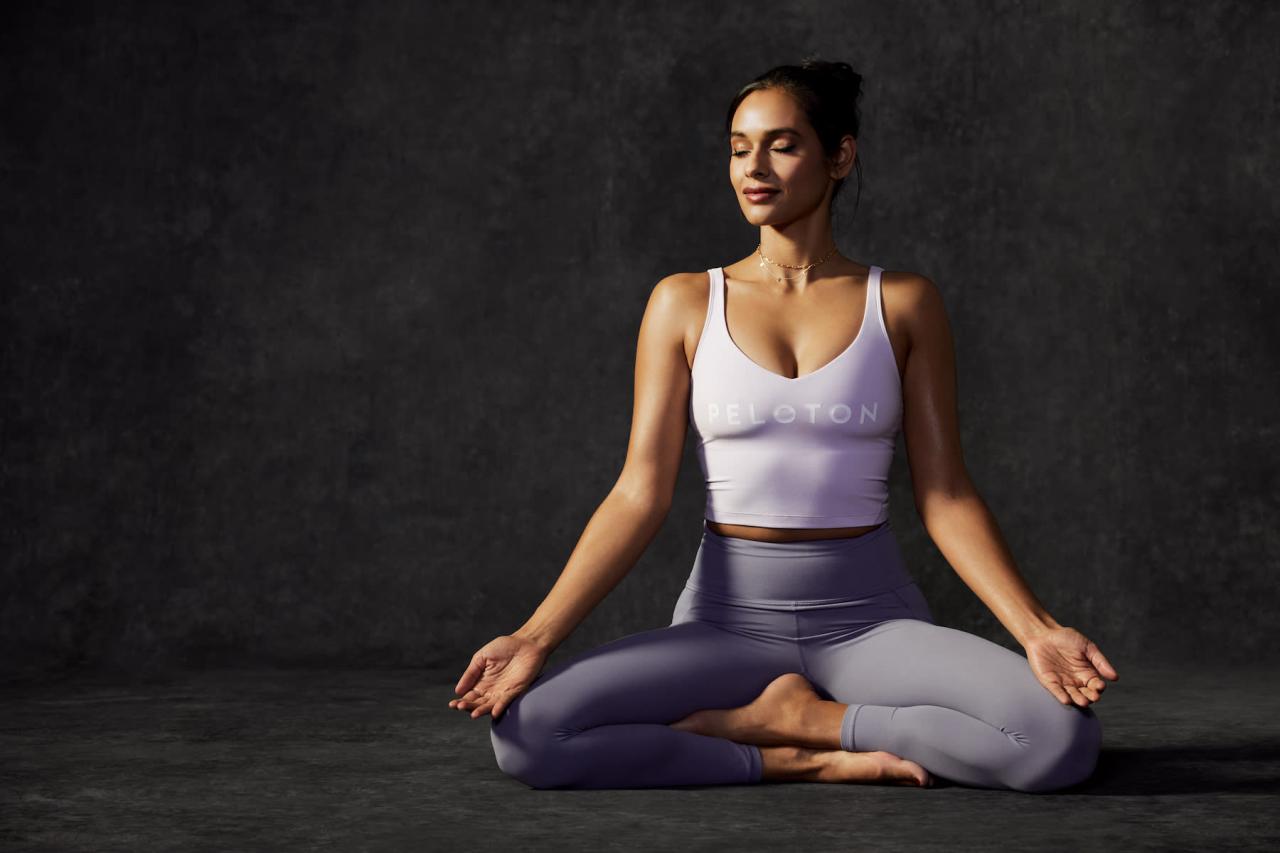
Maintaining awareness of one’s spiritual development through meditation is essential for fostering deeper understanding and sustaining motivation. Reflecting on personal progress allows practitioners to recognize subtle shifts, identify areas for growth, and cultivate a more meaningful connection to their practice. Establishing effective methods for self-examination and tracking can transform meditation from a routine activity into a powerful journey of self-discovery and spiritual evolution.Consistent reflection and measurement of progress help practitioners stay aligned with their intentions, acknowledge achievements, and address challenges constructively.
By integrating journaling, self-assessment sessions, and organized tracking tools, meditators can create a structured approach that supports ongoing growth and heightened spiritual awareness.
Journaling Experiences and Insights from Meditation
Journaling serves as a vital tool for capturing the nuances of one’s meditation journey. It allows practitioners to document experiences, emotional shifts, intuitive insights, and changes in perspective that occur during and after meditation sessions. Regular journaling enhances self-awareness by providing a written record that reveals patterns and progress over time. It also fosters a reflective mindset, encouraging practitioners to analyze their feelings, thoughts, and spiritual insights in a safe, non-judgmental space.Effective journaling involves noting specific details such as the duration of the session, meditation techniques employed, emotional state, and any intuitive impressions or realizations.
Over time, these entries can reveal subtle growth, recurring themes, or areas where further focus may be beneficial. Journaling can be done daily or weekly, depending on individual preference, and should be approached with honesty and openness.
Organizing Self-Reflection After Meditation Sessions
Creating a structured routine for post-meditation self-reflection enhances awareness of immediate insights and emotional responses. This process involves setting aside a few moments after each session to review thoughts, feelings, and physical sensations experienced during practice. Practitioners can ask themselves guiding questions such as: What emotions surfaced? Did I notice any shifts in my mindset? Were there moments of clarity or distraction?
How do I feel physically and spiritually afterward?Engaging in such reflective practices helps deepen the connection to the meditation experience, making it more meaningful. It also highlights the impact of different techniques or environments, allowing adjustments to optimize future sessions. Maintaining a dedicated reflection journal or notes app can facilitate this process, fostering consistency and clarity.
Template for Tracking Spiritual Development Over Time
Utilizing a structured template can streamline the process of monitoring progress and identifying growth patterns. Below is a suggested format that can be adapted to individual needs:
| Date | Duration of Meditation | Technique Used | Emotional State Before | Insights or Experiences | Emotional State After | Notes on Challenges or Improvements |
|---|---|---|---|---|---|---|
| 2024-04-20 | 20 minutes | Mindfulness breathing | Anxious, restless | Felt a sense of calm and clarity emerging during the session | Relaxed, centered | Difficulty maintaining focus initially, but improved with deep breaths |
| 2024-04-21 | 25 minutes | Loving-kindness meditation | Tired, distracted | Experience of genuine compassion and warmth | Hopeful, uplifted | Need to find a quieter environment for better concentration |
This template encourages consistent documentation and provides a visual overview of progress, helping practitioners recognize long-term trends, emotional shifts, and areas requiring further attention. Regular review of these records fosters a deeper understanding of one’s spiritual development and motivates continued commitment to meditation practice.
Common Challenges and How to Overcome Them
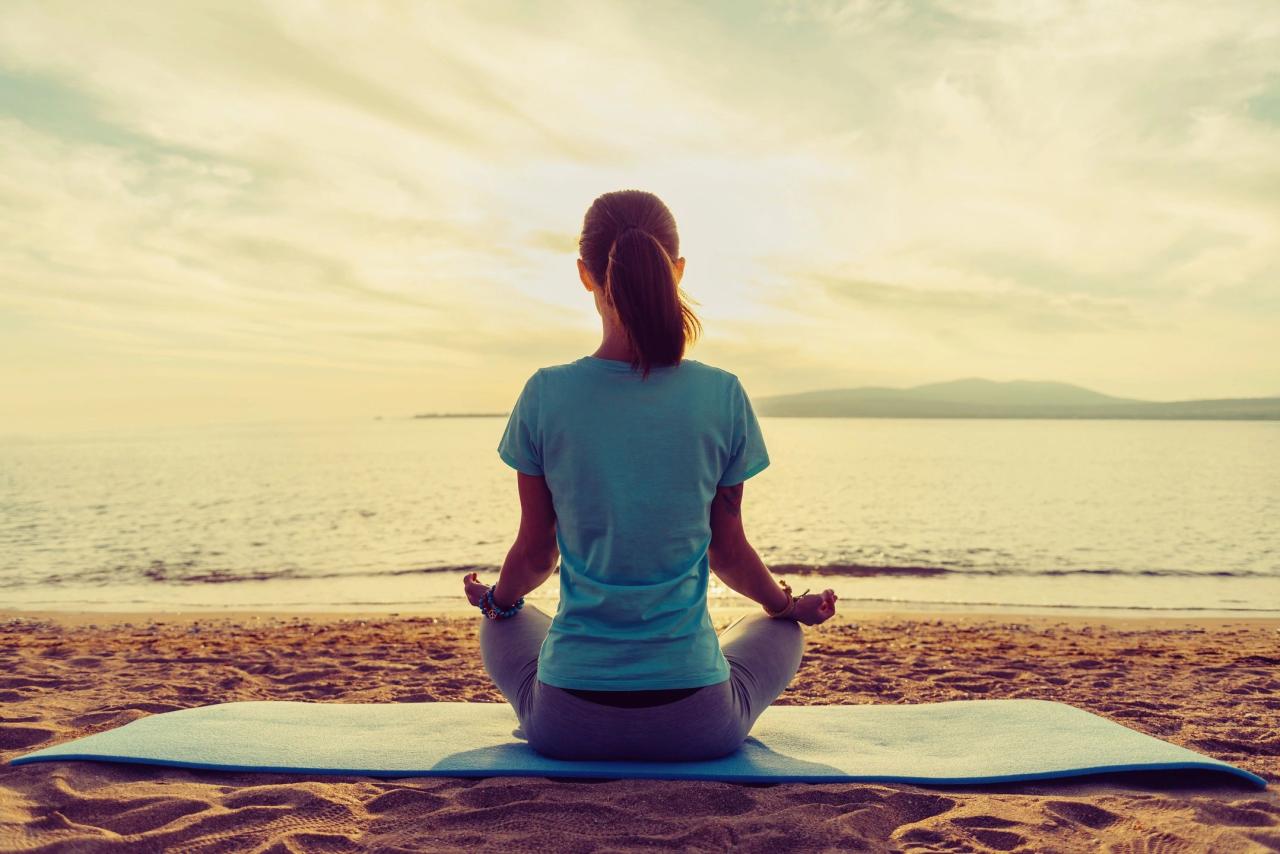
Meditating for spiritual growth is a profound practice that often brings about transformative experiences. However, it is not uncommon to encounter various obstacles along the way. Recognizing these challenges and implementing effective strategies to address them can significantly enhance the consistency and depth of your meditation journey. Cultivating patience and adopting a compassionate attitude toward oneself are essential elements in overcoming difficulties and fostering lasting spiritual development.Understanding the typical difficulties faced during meditation helps practitioners develop resilience and adaptability.
By acknowledging that challenges are a natural part of the process, individuals can approach their practice with greater patience and self-awareness. The following sections Artikel common issues and practical solutions to support your meditation practice.
Distractions and Restlessness
Distractions, whether external noises or internal wandering thoughts, are among the most frequent barriers to effective meditation. Restlessness may manifest as physical discomfort or an inability to stay focused, often leading to frustration and abandonment of practice. Recognizing that a wandering mind is a normal aspect of meditation allows practitioners to develop patience and gentle acceptance of these interruptions.To manage distractions, it is helpful to create a dedicated, quiet space for meditation, minimizing external disturbances.
Incorporating guided meditations or using background sounds like soft nature noises can help anchor focus. When internal thoughts arise, gently acknowledge them without judgment and redirect attention to the breath, mantra, or chosen point of focus. Regularly practicing mindfulness outside of seated meditation can also improve concentration during formal sessions.
Inconsistent Practice and Lack of Motivation
Maintaining a regular meditation schedule can be challenging, especially when life’s responsibilities and distractions interfere. A lack of motivation may cause sessions to become sporadic, hampering progress. Recognizing that consistency is key to spiritual growth encourages a more committed approach.Establishing a realistic meditation routine that fits into daily life helps build discipline. Setting small, achievable goals and tracking progress can foster a sense of accomplishment.
Connecting with a meditation community or finding an accountability partner provides additional encouragement. Remembering the purpose behind your practice—such as inner peace, clarity, or spiritual awakening—can rekindle motivation during times of low energy or enthusiasm.
Physical Discomfort and Fatigue
Physical discomfort, such as sore knees, back pain, or fatigue, can hinder deep concentration and prolong meditation sessions. Ignoring bodily signals often leads to discomfort becoming a barrier, discouraging practice altogether. Recognizing the importance of comfort and gentle adjustments supports a sustainable meditation routine.Implementing proper posture, using cushions or chairs, and adjusting the meditation environment can alleviate physical strain. Shortening meditation sessions initially and gradually increasing duration allows the body to adapt comfortably.
Incorporating gentle stretching or mindful movement before meditation can reduce stiffness and promote relaxation. Ensuring adequate rest and hydration also contributes to a more comfortable and focused practice.
Frustration and Self-Criticism
Many practitioners experience frustration when progress feels slow or when their practice does not meet expectations. Self-criticism can undermine confidence and cause discouragement, creating an emotional barrier to spiritual growth.Developing a compassionate attitude toward oneself is vital. Acknowledge that meditation is a journey marked by ups and downs and that patience is essential. Practice self-compassion by reframing setbacks as learning opportunities and celebrating small achievements.
Regularly remind yourself that consistency and persistence are more important than perfection. Employing affirmations and positive self-talk can help cultivate a gentle, encouraging mindset.
Overcoming Challenges through Patience and Self-Awareness
The key to navigating difficulties in meditation lies in cultivating patience and self-compassion. Recognizing that challenges are a natural part of growth reduces frustration and fosters resilience. By observing one’s experiences without judgment, practitioners develop greater self-awareness, which enables them to identify specific obstacles and adapt their approach accordingly.Incorporating gentle breathing techniques, mindfulness, and compassionate self-reflection enhances the ability to handle setbacks.
Remembering that spiritual development is an ongoing process reassures practitioners to remain committed, even amid difficulties. Over time, these qualities foster a resilient, joyful, and sustainable meditation practice that nurtures profound spiritual growth.
Final Wrap-Up
In conclusion, mastering how to meditate for spiritual growth empowers individuals to connect more deeply with their inner selves and the world around them. Through dedicated practice, visualization, and reflection, meditation becomes a lifelong companion on the path to enlightenment and inner peace, inspiring continual growth and harmony.