How to meditate for positive energy offers a transformative approach to enhancing mental and emotional well-being through mindfulness practices. By cultivating a peaceful and focused state of mind, individuals can attract and sustain positive energy, leading to greater harmony in daily life.
This comprehensive guide explores essential preparation steps, effective meditation techniques, optimal durations, and ways to integrate these practices into everyday routines. Additionally, it highlights tools and sensory aids that amplify the benefits of meditation, ensuring a holistic and enriching experience.
Understanding Meditation for Positive Energy
Meditation for positive energy is a practice that fosters mental clarity, emotional resilience, and a harmonious state of being. It serves as a powerful tool to cultivate a mindset rooted in optimism, compassion, and inner peace. By engaging in regular meditation, individuals can harness their innate potential to generate and sustain positive energy, thereby enhancing overall well-being and life satisfaction.
At its core, meditation influences mental and emotional health by promoting mindfulness and encouraging a focus on the present moment. This process diminishes the impact of negative thoughts and emotional disturbances, enabling a person to approach challenges with calmness and clarity. Scientific research underscores the profound benefits of meditation, revealing how it modulates brain activity, reduces stress hormones, and enhances emotional regulation, all contributing to a more positive outlook on life.
Concept and Significance of Meditation in Cultivating Positive Energy
Meditation is a deliberate practice of focusing attention and eliminating distractions, often involving breathing techniques, visualization, or mantra repetition. Its significance in cultivating positive energy lies in its ability to reset the mind, release mental clutter, and foster a state of mental tranquility. Regular meditation helps create a mental environment conducive to generating positive emotions, such as gratitude, compassion, and joy, which are essential for overall happiness.
Influence of Meditation on Mental and Emotional Well-being
Meditation impacts mental and emotional well-being by promoting neuroplasticity—the brain’s ability to reorganize itself by forming new neural connections. This process enhances emotional resilience, reduces symptoms of anxiety and depression, and improves focus and concentration. As individuals become more mindful through meditation, they develop a greater capacity to manage negative thoughts, respond instead of react, and cultivate inner peace, all of which contribute significantly to a positive mental state.
Scientific Principles Behind Energy Flow and Mindfulness Practices
The scientific foundation of meditation for positive energy involves understanding how energy flows within the body and the mind. According to traditional Eastern philosophies, energy, or “chi,” moves through pathways called meridians, influencing physical and emotional health. Modern neuroscience supports this by demonstrating that meditation induces alpha and theta brainwave activity, associated with relaxed states and heightened awareness. Mindfulness practices enhance this energy flow by promoting focused attention and reducing mental blockages, allowing positive energy to circulate freely throughout the body and mind.
Preparing for Meditation Sessions
Establishing an optimal environment and mindset before beginning a meditation session is essential for cultivating positive energy and ensuring a meaningful practice. Proper preparation creates a tranquil space that supports focused relaxation and mental clarity, allowing the practitioner to fully immerse in the experience. Thoughtful planning of your environment, attire, and necessary materials can significantly enhance the effectiveness of your meditation, fostering a sense of calm and openness.
Careful organization of your meditation space and selection of suitable attire and aids help minimize distractions and promote comfort. This preparation not only sets the stage for a successful session but also reinforces your commitment to maintaining a positive and mindful routine. By following a structured approach, you can cultivate a peaceful atmosphere conducive to connecting with your inner self and generating positive energy.
Creating a Peaceful Meditation Environment
Designing an environment that encourages tranquility involves several deliberate steps to eliminate noise, clutter, and interruptions. A peaceful space invites relaxation and deepens your focus, making it easier to enter a meditative state. Incorporating elements that promote serenity and positive energy can significantly improve your overall experience.
- Choose a Quiet Location: Select a space away from busy household areas or external noise sources such as traffic or electronics. A corner of your bedroom, a dedicated meditation room, or a quiet outdoor spot can serve as ideal options.
- Ensure Adequate Lighting: Use soft, natural light whenever possible. If natural light is limited, opt for warm, dimmed artificial lighting to create a cozy and calming atmosphere.
- Maintain a Clutter-Free Area: Clear the space of unnecessary items and distractions. A tidy environment helps clear the mind and fosters a sense of order and peace.
- Incorporate Nature Elements: Add plants, stones, or a small water fountain to introduce calming natural elements. These can help elevate your mood and promote positive energy during meditation.
- Set Up a Comfortable Seating Arrangement: Use a cushion, yoga mat, or chair that supports good posture and comfort. Ensuring proper alignment minimizes physical discomfort, allowing deeper focus.
Selecting Suitable Attire and Meditation Aids
The clothing and tools you choose for meditation should enhance your comfort and facilitate a relaxed state of mind. Appropriate attire and aids can prevent physical discomfort and support mental concentration, making it easier to connect with positive energy during your practice.
- Wear Loose, Comfortable Clothing: Opt for soft, breathable fabrics that do not restrict movement or cause irritation. Loose-fitting clothes help maintain comfort over extended periods.
- Use Meditation Cushions or Bolsters: These provide proper support for your spine and hips, encouraging an upright posture that facilitates breathing and focus.
- Incorporate Meditation Aids: Items such as guided meditation recordings, incense, or essential oils can enhance your experience. For example, lavender or sandalwood scents promote relaxation and positive energy.
- Consider Eye Masks or Blindfolds: These help block external visual distractions, enabling deeper inward focus and mental clarity.
- Maintain a Clean and Tidy Space: Regularly clean your meditation aids and environment to foster a sense of freshness and purpose, reinforcing positive associations with your practice.
Meditation Environment Preparation Checklist
Having a clear checklist ensures that all essential elements are in place before each session, fostering consistency and ease. This organized approach guarantees that your space remains conducive to positive energy and relaxation.
| Material/Element | Purpose |
|---|---|
| Quiet, undisturbed space | Minimizes external distractions and noise |
| Soft lighting or natural light | Creates a calming ambiance |
| Comfortable seating (cushion, chair, mat) | Supports proper posture and comfort |
| Natural elements (plants, stones, water feature) | Enhances positive energy and tranquility |
| Meditation aids (incense, essential oils, guided recordings) | Facilitates relaxation and focus |
| Cleanliness and organization of space | Promotes mental clarity and calmness |
| Appropriate attire (loose, comfortable clothing) | Ensures physical comfort during meditation |
Preparing your environment thoughtfully and ensuring comfort with suitable attire and aids cultivate a mental space receptive to positive energy, enhancing the overall effectiveness of your meditation practice.
Duration and Frequency of Meditation
Effective meditation for cultivating positive energy requires an understanding of appropriate durations and consistent practice. Establishing a balanced routine ensures that meditation remains a sustainable and enriching activity, allowing practitioners to experience its full benefits over time.The optimal duration and frequency of meditation vary depending on individual experience levels, personal goals, and daily schedules. Beginning meditators may find shorter, more frequent sessions beneficial, while seasoned practitioners often engage in longer, more profound practices.
Consistency plays a crucial role in reinforcing positive habits and maximizing the mental and emotional benefits of meditation.
Optimal Meditation Durations for Different Experience Levels
Choosing the right duration for meditation sessions is vital for maintaining engagement and effectiveness. These guidelines serve as a foundation for both beginners and experienced practitioners:
- Beginners: Starting with 5-10 minutes daily helps build a routine without feeling overwhelming. Short sessions allow newcomers to gradually acclimate to meditation’s mental focus and physical comfort.
- Intermediate Practitioners: Extending sessions to 15-20 minutes enhances depth of focus and cultivates a more profound sense of positive energy. These durations are manageable and foster deeper meditation habits.
- Advanced Practitioners: Engaging in 30 minutes or longer enables deep relaxation, heightened awareness, and sustained energy flow. Longer sessions are especially beneficial for those seeking significant shifts in mental and emotional states.
Research indicates that even brief daily meditation, when practiced consistently, can lead to measurable improvements in mood, stress reduction, and energy levels. As practitioners become more experienced, they often naturally extend their sessions based on comfort and desired outcomes.
Sample Weekly Meditation Schedule Focused on Positive Energy
Implementing a structured weekly plan helps in maintaining momentum and ensuring regular engagement. The following schedule balances variety and consistency, adaptable to personal preferences and schedules:
| Day | Session Duration | Focus/Notes |
|---|---|---|
| Monday | 10 minutes | Gentle breathing and positive affirmations to start the week with optimism |
| Tuesday | 15 minutes | Visualization exercises emphasizing light and warmth, cultivating positive energy |
| Wednesday | 10 minutes | Mindfulness meditation focusing on present moment awareness |
| Thursday | 20 minutes | Body scan combined with positive imagery to deepen relaxation and energy flow |
| Friday | 15 minutes | Gratitude meditation, expressing appreciation for positive aspects of life |
| Saturday | 20 minutes | Compassion meditation nurturing kindness towards oneself and others |
| Sunday | 10-15 minutes | Reflection and setting positive intentions for the upcoming week |
Engaging in such a schedule fosters a consistent practice while allowing flexibility. Adjustments can be made based on personal progress, with the aim of gradually increasing duration and depth of meditation sessions.
Guidelines for Gradually Increasing Meditation Duration and Consistency
To develop a sustainable meditation practice that continuously enhances positive energy, practitioners should adopt a gradual approach to increasing both duration and frequency. Patience and persistence are essential in this journey.
- Start Small: Begin with manageable durations aligned with your current capacity, such as 5-10 minutes daily.
- Increment Gradually: Increase the duration by 2-5 minutes every week or two, depending on comfort and availability.
- Maintain Consistency: Aim for daily practice, even if some sessions are shorter, to build a reliable habit.
- Listen to Your Body and Mind: Adjust durations based on mental clarity and physical comfort, avoiding overexertion or fatigue.
- Track Progress: Use a journal or app to monitor session lengths and feelings post-meditation, reinforcing motivation and awareness of benefits.
Regularly reviewing and adjusting your meditation routine ensures that it remains both effective and enjoyable. As consistency develops, practitioners often find that their capacity for longer sessions increases naturally, deepening their connection to positive energy.
Enhancing Meditation Effectiveness
To fully harness the benefits of meditation for positive energy, it is essential to deepen your focus and overcome common obstacles. By refining your practice, you can achieve a more profound state of tranquility and energy flow, leading to more sustained positive outcomes in daily life. Incorporating specific techniques, recognizing potential challenges, and utilizing supportive tools can significantly amplify your meditation experience.
Effective meditation hinges on maintaining a steady, unshakable focus. As you progress, employing targeted strategies to deepen concentration becomes increasingly important. Equally vital is understanding and addressing barriers such as restless thoughts, physical discomfort, or external distractions. Additionally, integrating supportive accessories and environmental enhancements can create a sanctuary conducive to deep meditation, fostering a more powerful connection to positive energy.
Techniques to Deepen Focus and Concentration
Enhancing concentration during meditation involves deliberate practices that anchor your awareness and diminish mental wandering. These techniques enable practitioners to sustain attention on their chosen focal point, whether it be the breath, a mantra, or visualizations, thereby intensifying the flow of positive energy.
Recognizing and Overcoming Common Obstacles
While practicing meditation for positive energy, practitioners often encounter barriers that hinder progress. Recognizing these obstacles allows for timely adjustments, ensuring a more consistent and fruitful practice.
Tools and Accessories Supporting Energy-Focused Meditation
Utilizing specific tools can enrich the meditation environment and facilitate deeper engagement with positive energy. These accessories are aimed at creating a sacred space, enhancing sensory experience, and grounding energy practices.
| Tool or Accessory | Description and Benefits |
|---|---|
| Crystals | Crystals such as amethyst, quartz, or citrine are believed to amplify positive energy and promote mental clarity. Placing crystals nearby can serve as energetic anchors during meditation. |
| Essential Oils | Diffusing calming scents like lavender, frankincense, or sandalwood can create a soothing atmosphere, helping to relax the mind and deepen focus. |
| Calming Sounds | Ambient sounds, such as nature recordings, Tibetan singing bowls, or binaural beats, support concentration and mask external noise, enhancing meditative absorption. |
| Incense or Smudging Materials | Using sage, palo santo, or other fragrant herbs purifies the space and sets an intention for energy cleansing, fostering a positive environment. |
| Meditation Cushions and Mats | Proper seating encourages comfortable posture, reducing physical discomfort and supporting sustained focus over longer periods. |
“Enhancing your meditation practice is about creating a harmonious environment and employing mindful techniques that anchor and deepen your focus, enabling the flow of positive energy to flourish.”
Visual and Sensory Aids for Positive Energy Meditation
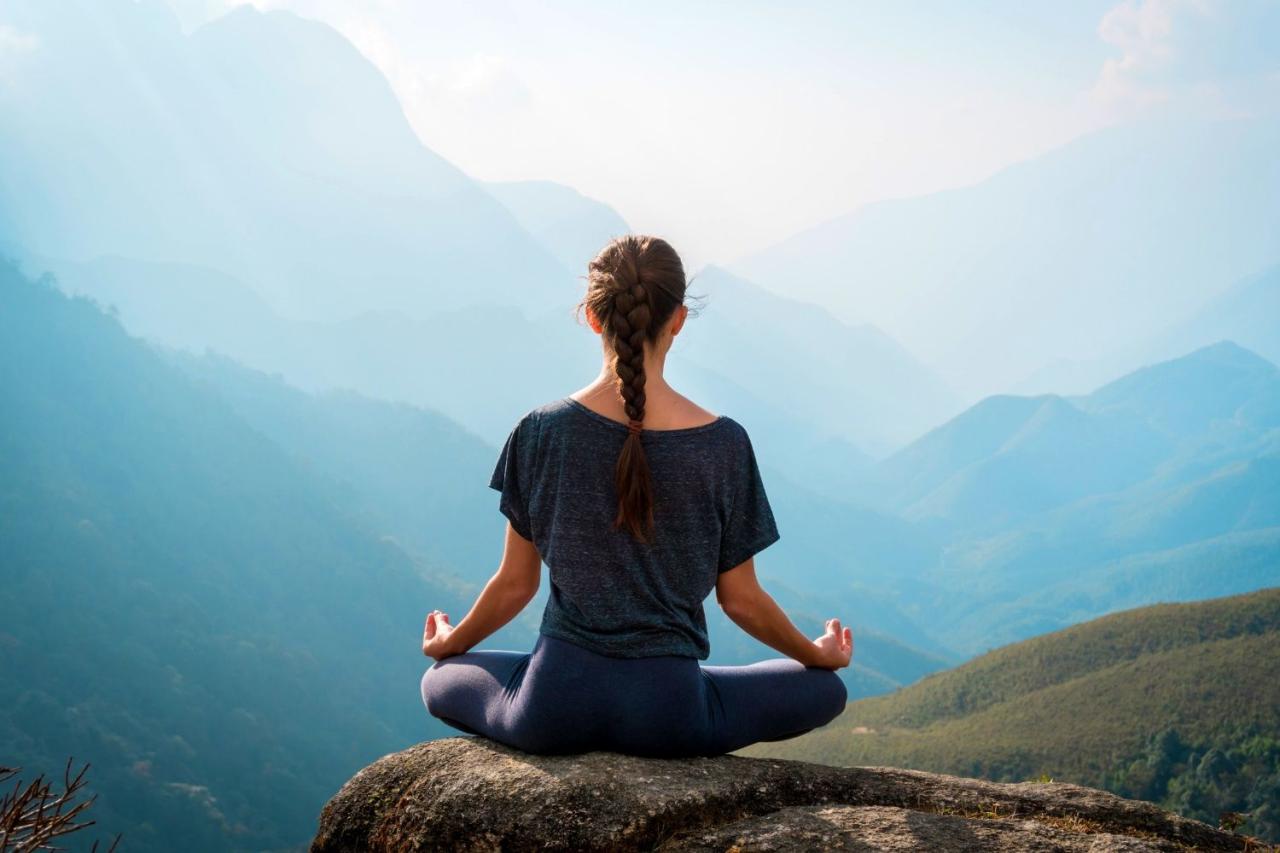
Engaging your senses through thoughtfully chosen visual and sensory aids can significantly enhance the effectiveness of your positive energy meditation sessions. These aids help to create an environment that fosters tranquility, focus, and a receptive state of mind, enabling you to cultivate and sustain positive energies more effectively.To maximize the benefits of these aids, it is essential to select and arrange elements that resonate with your personal preferences and evoke feelings of peace, joy, and vitality.
Incorporating visual stimuli, aromatic scents, soothing sounds, tactile textures, ambient lighting, and decorative elements can transform your meditation space into a sanctuary of positive energy.
Creating Visual Aids that Evoke Positive Energy
Visual aids play a crucial role in anchoring your focus and inspiring feelings of serenity and vitality. The key lies in choosing imagery and colors that naturally evoke positive emotions, reinforce your meditation intentions, and foster a sense of harmony within your environment.Consider these strategies for creating potent visual aids:
- Use imagery of natural landscapes such as lush forests, flowing waterfalls, or serene beaches, which are universally associated with calmness and renewal.
- Incorporate symbols of positivity, such as the sun, lotus flowers, or mandalas, which are often linked to enlightenment, growth, and energy.
- Choose colors that stimulate positive emotions—soft greens and blues promote tranquility; warm yellows and oranges radiate warmth and joy; gentle pinks foster compassion and love.
- Create or display artwork that resonates personally, such as photographs of loved ones or meaningful symbols, to deepen emotional connections during meditation.
- Use visual aids as background screens, wall hangings, or desktop images, ensuring they are well-lit and visible without being overwhelming.
Using Scent, Sound, and Tactile Sensations to Enhance Meditation
The integration of scent, sound, and tactile sensations can significantly deepen your meditative state by engaging multiple senses simultaneously, thus creating a more immersive experience that promotes positive energy.Scent:
- Fresh, natural fragrances such as lavender, sandalwood, jasmine, or citrus can elevate mood, promote relaxation, and cleanse negative energies.
- Utilize essential oils diffused in the meditation space, scented candles, or herbal sachets placed nearby to create a subtle, continuous aroma that supports focus and serenity.
Sound:
- Incorporate calming sounds like gentle streams, ocean waves, wind chimes, or soft instrumental music that aligns with your meditation goals.
- Use singing bowls, bells, or tuning forks to produce harmonic vibrations that facilitate energy clearing and balance.
- Maintain a consistent, low volume to avoid distraction, allowing sound to serve as a gentle anchor for your attention.
Tactile Sensations:
- Engage tactile senses with soft fabrics, textured objects, or smooth stones that can be held or touched during meditation to ground your energy.
- Incorporate items like plush pillows, warm blankets, or textured mats to increase comfort and stability throughout your session.
- Use tactile aids intentionally to reconnect with your body and promote feelings of safety and positive energy flow.
Organizing Ambient Lighting and Decorative Elements to Foster a Positive Atmosphere
Ambient lighting and decorative elements significantly influence the overall mood of the meditation environment. Thoughtful organization of these elements can create a space that radiates positivity, calmness, and inspiration, encouraging a deep and lasting meditation practice.Consider the following suggestions:
- Utilize soft, warm lighting such as dimmable lamps, Himalayan salt lamps, or candles to produce a gentle glow that reduces stress and enhances relaxation.
- Avoid harsh, fluorescent lights that can create a sterile or stressful environment, opting instead for natural or diffused lighting sources.
- Decorate with elements that symbolize positive energy, such as potted plants, crystals, or spiritual artifacts, which can serve as focal points or energy catalysts.
- Arrange decorative items in a balanced, uncluttered manner to promote a sense of order and harmony within the space.
- Incorporate motifs or symbols that resonate with your personal energy goals—such as infinity signs, sacred geometry, or affirmations—to reinforce your meditation intentions.
- Maintain a clean and organized environment, as clutter can act as a barrier to positive energy flow and concentration.
By thoughtfully integrating visual and sensory aids into your meditation space, you cultivate an environment that naturally supports the generation and sustenance of positive energy. These elements serve as powerful tools to deepen your practice, foster emotional well-being, and enhance your overall experience of meditation.
End of Discussion
Embracing meditation for positive energy can profoundly impact your emotional resilience and overall vitality. Consistent practice, combined with mindful integration into daily activities, paves the way for sustained positivity and personal growth. Remember, patience and dedication are key to unlocking the full potential of your meditation journey.