Learning how to meditate for patience can be a transformative journey toward greater emotional resilience and inner peace. Meditation offers practical methods to cultivate patience by enhancing your ability to regulate emotions and respond thoughtfully in daily situations. Incorporating patience-focused meditation techniques into your routine can lead to lasting benefits that improve your overall well-being and interpersonal relationships.
This guide explores effective preparation, diverse meditation practices, and strategies for overcoming common challenges. By integrating these practices into your daily life, you can develop a more patient mindset, enabling you to handle life’s stresses with calmness and clarity. Whether you are a beginner or experienced meditator, this comprehensive approach aims to support your growth in patience and emotional balance.
Introduction to Meditation for Patience
Meditation is a timeless practice that involves focused attention and mindfulness to cultivate inner calm, clarity, and emotional resilience. When applied intentionally, meditation serves as a powerful tool to develop patience by fostering a deeper understanding of oneself and one’s reactions. Through consistent practice, individuals can learn to respond thoughtfully rather than react impulsively, thereby enhancing their capacity for patience in various aspects of life.
At its core, meditation helps regulate emotions by promoting relaxation, reducing stress, and increasing self-awareness. These effects contribute significantly to an improved emotional landscape, allowing individuals to navigate challenging situations with greater composure. The practice encourages a mindful observation of thoughts and feelings, which reduces impulsivity and fosters a balanced perspective that is essential for cultivating patience.
Role of Meditation in Cultivating Patience
Meditation enhances patience by training the mind to remain present and composed even amidst frustration or adversity. Regular engagement with meditation practices allows individuals to observe their immediate reactions without judgment, creating a space for thoughtful response rather than impulsive behavior. This mental discipline strengthens emotional regulation, making it easier to maintain patience during stressful or provoking circumstances.
Enhancement of Emotional Regulation through Meditation
Emotional regulation is a critical component of patience, directly influencing how one responds to external stimuli. Meditation fosters this regulation by activating neural pathways associated with self-control and emotional balance. Scientific research indicates that meditation can reduce activity in the amygdala, the brain region responsible for processing fear and aggression, thereby decreasing reactive tendencies. Concurrently, it enhances activity in the prefrontal cortex, which supports rational decision-making and impulse control.
“Consistent meditation practice rewires the brain to respond with greater equanimity, empowering individuals to handle emotional upheavals with patience and resilience.”
Benefits of Practicing Patience through Meditation in Daily Life
Practicing patience via meditation has profound impacts on everyday interactions and overall well-being. It enables individuals to approach conflicts with calmness, improving relationships both personally and professionally. Moreover, increased patience reduces stress, enhances decision-making, and promotes a sense of inner peace. Over time, this cultivated patience contributes to a more balanced, tolerant, and compassionate outlook—qualities that enrich daily experiences and foster healthier social connections.
Preparing for Meditation Practice
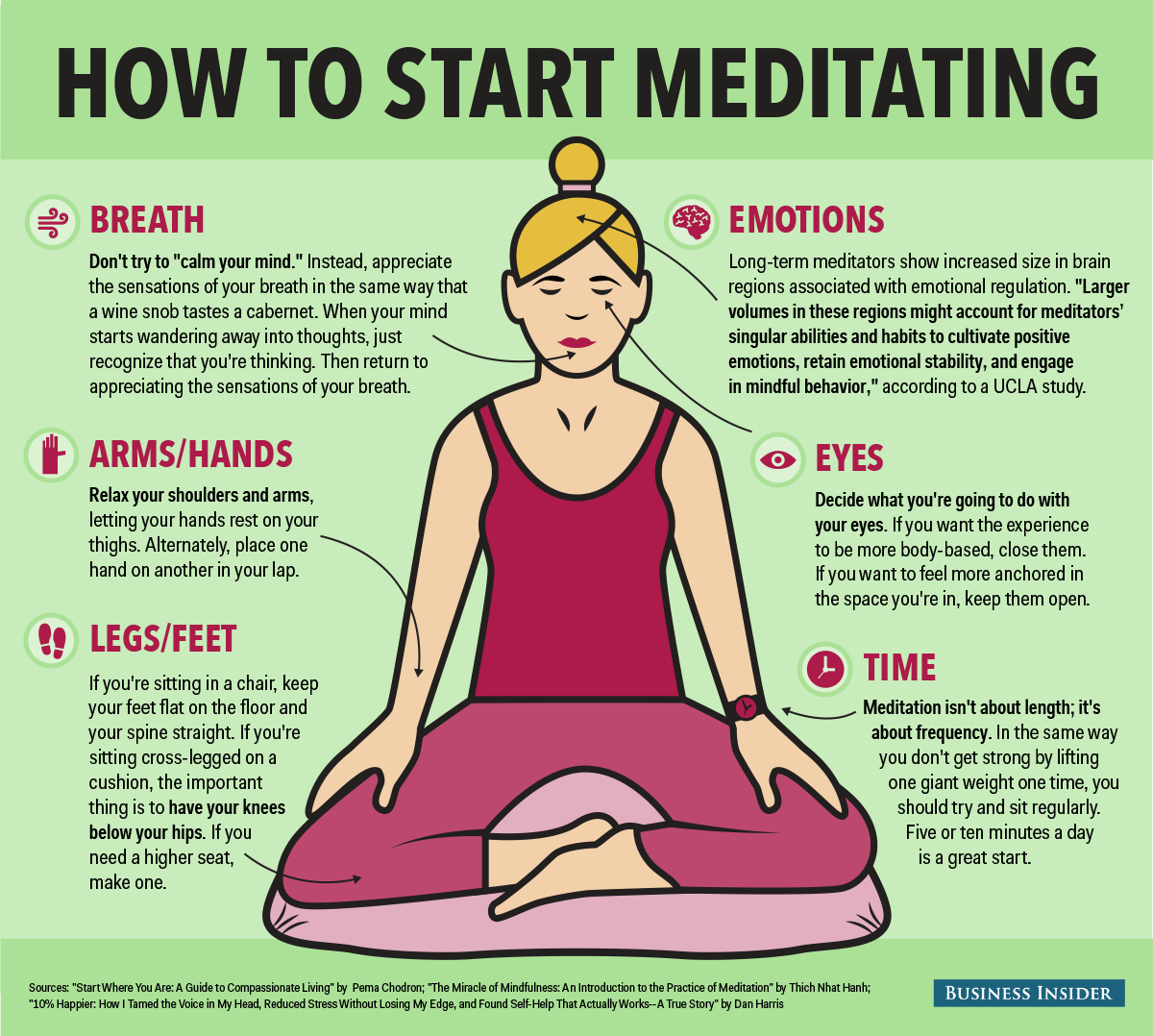
Establishing a calm and conducive environment is essential for effective meditation focused on cultivating patience. Proper preparation ensures that your mind and body are aligned, free from distractions, and receptive to the calming practices that follow. Thoughtful preparation enhances the overall experience, allowing you to deepen your practice and foster a greater sense of patience over time.
Creating an ideal meditation setting involves both physical arrangements and mental routines. It is a foundational step that supports consistency, focus, and tranquility, enabling you to fully engage with the meditation process and achieve meaningful progress in developing patience.
Creating a Peaceful Meditation Environment
To foster a serene atmosphere, select a quiet and comfortable space where interruptions are minimized. The environment should promote relaxation and mental clarity, which are vital for meditation aimed at patience enhancement.
- Choose a quiet location that minimizes external noise and disturbances. This could be a corner of a room dedicated to meditation, a garden nook, or any peaceful spot free from frequent interruptions.
- Ensure proper lighting—preferably soft, natural light or dim lighting—to avoid distractions and create a calming ambiance.
- Arrange the space to be clutter-free, with minimal visual stimuli. Use simple decorations or natural elements such as plants or stones that evoke tranquility.
- Maintain a comfortable temperature, neither too hot nor too cold, to prevent physical discomfort from distracting you during your practice.
- Use a meditation cushion, mat, or chair that provides adequate support. Comfort significantly impacts your ability to sit still and focus for extended periods.
In addition to physical arrangements, consider incorporating gentle background sounds like soft instrumental music, nature sounds, or white noise if they help you relax. Ensuring your environment aligns with your personal preferences enhances motivation and sustains a regular meditation routine.
Materials and Accessories for Effective Meditation Sessions
Having the right materials can significantly improve your meditation experience by providing comfort and aiding focus. Each item serves a purpose in creating an environment conducive to patience cultivation.
| Material | Purpose and Benefits |
|---|---|
| Meditation Cushion or Seat | Provides a comfortable and stable sitting position, reducing physical strain and enabling longer sessions without discomfort. |
| Blanket or Shawl | Helps keep warm and relaxed, especially if your meditation space is cool. It also fosters a sense of security and comfort. |
| Timer or Meditation App | Assists in managing session duration without constant clock-watching, allowing full focus on the practice itself. |
| Incense or Essential Oils | Creates a soothing aroma that can enhance relaxation and mental clarity. Lavender, sandalwood, and frankincense are popular choices. |
| Quiet Environment or Noise-Canceling Devices | Minimizes external noise, helping you maintain focus and inner calm during your meditation. |
| Journal or Reflection Book | Enables you to record insights, progress, and challenges, fostering mindfulness and patience development over time. |
Incorporating these materials thoughtfully into your routine establishes a supportive atmosphere, allowing you to focus inward and cultivate patience more effectively.
Establishing Simple Routines to Prepare Mind and Body
Pre-meditation routines are vital for shifting from everyday activities into a receptive state suitable for meditation. These routines help calm the mind, relax the body, and set clear intentions for the session.
- Engage in light physical movement, such as gentle stretching or walking, to release tension accumulated during daily activities.
- Practice a few deep breathing exercises to center yourself and slow your heart rate, fostering a sense of peace and readiness.
- Set a clear intention for your meditation, such as fostering patience or cultivating acceptance, to direct your focus and deepen your commitment.
- Avoid engaging with electronic devices or stressful tasks immediately before meditation. Instead, opt for a few minutes of quiet reflection or mindful breathing.
- Adopt a consistent routine, such as meditating at the same time each day, to reinforce discipline and create habitual mental cues signaling the start of your practice.
- Wear comfortable clothing that does not restrict movement or cause discomfort, ensuring your physical state supports sustained focus.
Implementing these routines before meditation helps transition from external demands to internal calm, preparing your mind and body to embrace patience cultivation with openness and tranquility.
Techniques for Developing Patience through Meditation
Practicing meditation to cultivate patience involves engaging in specific techniques that foster a calm, centered mind capable of enduring challenges with composure. These methods focus on nurturing awareness, compassion, and acceptance, allowing individuals to develop deeper patience over time. By integrating these practices into daily routines, practitioners can experience tangible benefits in managing frustration, impulsiveness, and emotional reactivity.
Each technique offers distinct pathways to enhance patience, emphasizing different aspects of mindfulness and emotional regulation. Understanding and regularly applying these methods can significantly improve one’s capacity for patience in various life situations, from personal relationships to professional environments.
Mindful Breathing
Mindful breathing is a foundational meditation technique that helps anchor awareness in the present moment. It involves paying close attention to the breath, observing each inhalation and exhalation without judgment. This practice cultivates patience by encouraging acceptance of current experiences and reducing impulsive reactions driven by frustration or agitation.
During mindful breathing sessions, practitioners learn to observe their thoughts and emotions as passing phenomena rather than immediate reactions. This distance fosters a sense of calm and patience, especially when faced with stressful or irritating circumstances.
Body Scan Meditation
The body scan meditation guides individuals to systematically focus attention on different parts of the body, from head to toe. This technique enhances patience by promoting body awareness and relaxation, helping to release tension stored in physical tissues. As practitioners observe sensations without judgment, they develop a sense of acceptance and equanimity, essential components of patience.
Regular practice of the body scan can increase resilience to physical and emotional discomfort, enabling practitioners to respond with patience rather than frustration when faced with pain, fatigue, or stress.
Loving-kindness Meditation
Loving-kindness meditation, also known as Metta, involves cultivating unconditional positive regard and compassion towards oneself and others. This practice encourages patience by fostering empathy, understanding, and a gentle attitude towards oneself and those around us.
By regularly sending well-wishes and kind thoughts, practitioners build emotional reserves of patience and tolerance, which are vital when dealing with challenging interpersonal situations or personal setbacks. This technique reinforces the capacity to accept others as they are and respond with kindness rather than irritation.
Comparison of Meditation Techniques for Patience Development
| Technique | Focus | Primary Benefits |
|---|---|---|
| Mindful Breathing | Present moment awareness of breath | Reduces stress, enhances emotional regulation, promotes calmness |
| Body Scan Meditation | Physical sensations across the body | Increases body awareness, relieves tension, fosters patience in discomfort |
| Loving-kindness Meditation | Developing compassion and positive emotions | Builds empathy, tolerance, and emotional resilience |
Guided Meditation Script for Fostering Patience
Begin by finding a comfortable seated position, with your back straight but relaxed. Close your eyes gently and take a few deep breaths, inhaling slowly through your nose and exhaling softly through your mouth. Allow your breath to settle into its natural rhythm.
As you continue to breathe calmly, bring your awareness to the sensation of the air entering and leaving your body. Notice the coolness of the inhale and the warmth of the exhale. With each breath, imagine inhaling patience and exhaling tension or frustration.
Now, gently shift your attention to your body. Scan from the top of your head down to your toes, observing any areas of tension or discomfort. As you notice these areas, breathe into them, visualizing the tension melting away with each exhale. Remain present with these sensations without judgment.
Bring to mind a situation that tests your patience — perhaps waiting in line or dealing with a difficult person. Observe your initial reactions, acknowledging them without judgment. As you breathe, silently affirm to yourself: “I can be patient. I am capable of patience.”
Imagine a warm, gentle light surrounding you, filling you with calm and patience. With each inhale, draw in this light; with each exhale, release impatience and frustration. Repeat softly in your mind: “Patience flows through me.”
When you are ready, gradually bring your awareness back to your surroundings. Wiggle your fingers and toes, stretch gently if needed, and open your eyes, carrying the calm and patience cultivated into your day.
Duration and Frequency of Practice
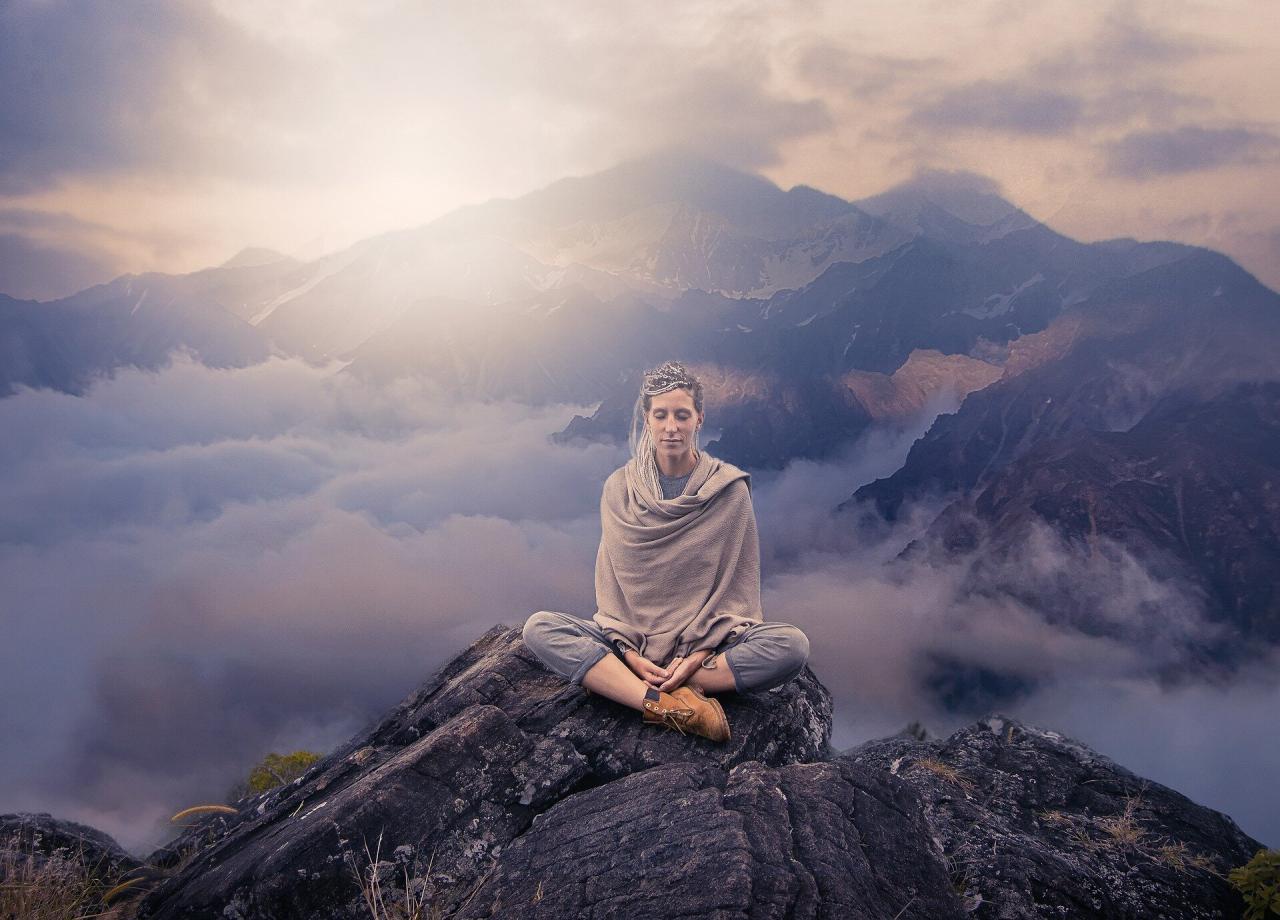
Establishing an appropriate duration and consistent frequency for meditation sessions is essential for cultivating patience effectively. Tailoring your meditation routine to your experience level helps ensure steady progress without overwhelm, fostering a deeper sense of calm and resilience over time.Consistent practice, even if brief, accumulates significant benefits. Incremental increases in meditation duration can enhance your capacity for patience by gradually challenging your mind to sustain focus and tolerance.
A structured approach to frequency and duration can help embed meditation into daily life, transforming patience into an innate quality.
Recommended Meditation Durations for Different Practice Levels
Understanding how long to meditate at various stages of practice can optimize your patience development journey. The following chart provides guidelines suitable for beginners and advanced practitioners, emphasizing gradual progression to build endurance and mental resilience.
| Practice Level | Recommended Duration per Session | Frequency |
|---|---|---|
| Beginners | 5 to 10 minutes | Once or twice daily |
| Intermediate | 15 to 20 minutes | Daily |
| Advanced | 30 minutes or more | Once or twice daily |
For beginners, starting with short, consistent sessions helps establish a habit without causing frustration. As comfort and focus improve, gradually extending meditation time supports the development of patience by challenging the mind to sustain attention over longer periods. Advanced practitioners often meditate for longer durations to deepen their practice, but maintaining consistency remains crucial for ongoing patience cultivation.
Weekly Meditation Schedule to Foster Consistency
Creating a weekly plan encourages discipline and ensures regular engagement with meditation practices. Consistent scheduling can reinforce patience by embedding mindfulness into daily routines and reducing the likelihood of skipping sessions.
A typical weekly schedule might look like this:
- Monday: 10-minute session in the morning to start the week focused and calm.
- Tuesday: 10-minute session in the evening to reflect and unwind.
- Wednesday: 15-minute midday meditation to break midweek stress.
- Thursday: 10-minute mindful breathing exercise during a lunch break.
- Friday: 15-minute session in the evening to enhance patience before the weekend.
- Saturday: 20-minute longer session to deepen focus and resilience.
- Sunday: Rest or a brief 5-minute breathing exercise to maintain consistency without pressure.
Adjustments to this schedule can be made based on personal circumstances, but maintaining a regular rhythm helps your mind adapt gradually, fostering patience as a natural outcome of disciplined practice.
Incremental Increases in Meditation Time and Patience Development
Gradually extending meditation durations serves as a practical approach to strengthening patience. This approach aligns with the principle of gradual exposure, allowing the mind to adapt comfortably without becoming overwhelmed or discouraged.
“Increasing meditation time incrementally builds resilience, patience, and the capacity to hold attention for longer periods, much like training a muscle through progressive overload.”
For example, a beginner starting with 5-minute sessions can add 1-2 minutes weekly, observing how their mind responds. Over time, this incremental progression helps individuals become more comfortable with longer periods of focused attention, reducing mental restlessness and impatience during daily life.
This method also prevents frustration and burnout, ensuring that meditation remains a positive and sustainable practice. As patience improves with time, practitioners often find they can stay calm and composed during challenging situations outside of meditation, reinforcing their overall emotional stability.
Overcoming Challenges in Meditation
Practicing meditation for patience can present several obstacles that may hinder progress or diminish motivation. Recognizing these challenges early and understanding strategies to address them can significantly enhance the consistency and effectiveness of your practice. Meditation, especially when aimed at cultivating patience, often requires perseverance through moments of distraction, frustration, or physical discomfort. Embracing these difficulties as part of the journey allows practitioners to develop resilience and deepen their commitment to the practice.During meditation for patience, common obstacles include a wandering mind, feelings of impatience or frustration, physical discomfort, and external distractions.
These difficulties are natural and occur even among experienced meditators. The key lies in adopting practical strategies to navigate these challenges, ensuring that setbacks do not lead to abandonment but instead become opportunities for growth and self-awareness.
Strategies to Maintain Commitment During Difficult Sessions
Understanding and applying specific techniques can help sustain motivation and deepen your meditation practice, particularly during challenging periods. When facing distractions or a restless mind, reminding oneself of the purpose and benefits of cultivating patience can reinforce commitment. Setting realistic expectations and understanding that progress may be gradual helps prevent discouragement.Practically, it is beneficial to incorporate short, manageable meditation sessions into daily routines rather than aiming for lengthy periods that might become overwhelming.
Utilizing mindfulness reminders, such as gentle prompts or visual cues, can also keep the practice engaging. When experiencing physical discomfort or restlessness, adjusting posture or applying gentle stretching can alleviate tension and reorient focus.To address a wandering mind, anchoring attention on the breath, a specific sound, or bodily sensations provides a stable point of focus. Recognizing and accepting thoughts without judgment fosters patience and reduces frustration.
Employing a compassionate attitude towards oneself, especially during setbacks, cultivates resilience and encourages persistence.
Modifying Techniques to Suit Individual Needs
Every practitioner has unique needs, limitations, and preferences, making it essential to adapt meditation techniques accordingly. Modifications can include adjusting the duration, altering the focus point, or incorporating supportive tools such as guided meditations or visualizations.For individuals with physical limitations or discomfort, sitting on a supportive chair or lying down may be preferable to traditional cross-legged positions. If mental wandering is particularly intense, shorter sessions with frequent breaks can be more effective.
Incorporating gentle movement, like walking meditation, can also serve as an alternative to seated practice for those who find stillness challenging.Additionally, some practitioners benefit from guided meditations that provide structure and focus, especially when starting out or during difficult phases. Using meditation apps, recordings, or even practicing with a group can enhance motivation and provide external support. The key is to remain flexible and patient with oneself, recognizing that adaptation is a vital part of a sustainable meditation journey for patience.
Incorporating Meditation into Daily Life
Maintaining patience is a continuous process that extends beyond dedicated meditation sessions into everyday activities. Integrating meditation practices into a busy schedule requires intentional planning and mindfulness. Developing habits that promote patience outside the meditation cushion can significantly enhance overall emotional resilience and stress management. By incorporating simple mindfulness exercises into daily routines, individuals can reinforce the patience cultivated during formal practice and handle life’s challenges with greater calmness and understanding.To effectively weave meditation into daily life, it is essential to identify natural pauses in your schedule and utilize them for brief mindfulness activities.
These moments could include during commuting, meal preparation, or while waiting in queues. Consistently practicing mindfulness in these situations helps to sustain a sense of calm and patience throughout the day, making the practice more integrated and practical.
Methods for Integrating Meditation Practices into Busy Schedules
While demanding schedules can seem to limit the opportunity for dedicated meditation, several strategies can facilitate consistent practice:
- Short sessions of 3-5 minutes during transitions between tasks, such as moving from work to home routines, can be highly effective. These mini-meditations help reset the mind and cultivate patience amidst daily pressures.
- Setting specific reminders or alarms on mobile devices to prompt moments of mindfulness encourages habitual practice. For example, a gentle alarm at mid-morning or mid-afternoon can serve as a cue for a quick breathing exercise.
- Incorporating mindful breathing during routine activities like brushing teeth or washing dishes ensures that meditation becomes part of everyday chores, reinforcing patience through routine engagement.
Establishing a consistent, yet flexible, schedule helps in maintaining regularity without feeling overwhelmed, thereby fostering patience as a natural response to daily stressors.
Tips for Maintaining Patience Outside Formal Meditation Sessions
Building patience outside of meditation requires conscious effort and awareness. Some effective tips include:
- Practicing conscious breathing techniques during moments of frustration or impatience, such as when stuck in traffic or dealing with difficult conversations. Slow, deep breaths can calm the nervous system and promote a patient outlook.
- Adopting a mindful attitude during everyday interactions by actively listening without rushing to respond, which cultivates understanding and tolerance.
- Using positive affirmations or gentle self-reminders like
“Patience is a practice, not a perfection,”
to reinforce the value of patience in challenging situations.
Engaging regularly in these mindfulness exercises develops a resilient mindset that carries over into complex or stressful encounters, enhancing patience in the moment.
Examples of Mindfulness Exercises That Reinforce Patience in Real-World Situations
Implementing practical exercises during daily activities can significantly reinforce patience and mindfulness. Some examples include:
- During a commute, focus solely on your breath or the sensations of the environment, such as the sounds of traffic or the feeling of the seat beneath you. This anchors your attention and reduces irritation caused by delays.
- While waiting in lines, practice a slow, deliberate breathing rhythm—inhale deeply through the nose, hold briefly, then exhale slowly through the mouth. This simple exercise helps diminish impatience and fosters calmness.
- In stressful interactions, pause momentarily before responding, take a few deep breaths, and choose your words carefully. This pause allows for a more patient and thoughtful response, preventing impulsivity and conflict escalation.
These exercises serve to embed patience into the fabric of daily life, making mindfulness an accessible and enduring practice beyond dedicated meditation sessions.
Tracking Progress and Reflection
Maintaining a meditation practice focused on cultivating patience requires consistent self-assessment and mindful reflection. Tracking your progress helps recognize growth over time and highlights areas needing additional attention. Reflection encourages deeper emotional awareness and fosters a supportive attitude toward your journey, making improvements more sustainable and meaningful.Regularly monitoring your experiences enables you to observe subtle changes in your emotional responses, patience levels, and overall mental clarity.
By documenting these observations, practitioners can identify patterns, triggers, and progress, which motivates continued effort and helps refine techniques for better results.
Designing a Meditation Journal Template for Patience
A simple yet effective journal template can serve as a valuable tool for recording meditation sessions and tracking patience development. Including specific prompts and sections ensures comprehensive reflection. A typical template might contain:
| Date & Time | Meditation Duration | Technique Used | Emotional State Before Meditation | Experience During Meditation | Emotional Response After Meditation | Notable Insights or Challenges | Patience Level Rating (1-10) |
|---|---|---|---|---|---|---|---|
This structure encourages detailed record-keeping, which can reveal patterns over days or weeks, facilitating targeted adjustments to meditation practices.
Encouraging Reflection on Emotional Responses and Growth
Reflection is a cornerstone of effective meditation for patience, as it allows individuals to observe their emotional responses without judgment. Recognizing moments of frustration, irritability, or impatience during practice can lead to a better understanding of personal triggers. Documenting these reactions helps practitioners develop compassion towards themselves and appreciate incremental progress.By regularly reviewing journal entries, practitioners can see how their emotional responses evolve over time.
For example, noting a decrease in frustration during challenging meditation sessions indicates growth. Additionally, reflecting on moments of patience demonstrated in daily life—such as handling delays calmly or listening attentively—fosters awareness and reinforces positive habits.
The Importance of Consistency and Self-Awareness
Consistency in meditation practice is vital for cultivating patience, as it creates a stable environment for emotional and mental growth. Regular sessions, even short ones, reinforce neural pathways associated with patience and calmness. Sporadic practice may lead to inconsistent results and hinder progress.Self-awareness is equally important, as it enables practitioners to recognize their internal states and emotional responses during meditation and daily interactions.
Heightened self-awareness helps in identifying patterns that may impede patience, such as impulsiveness or negative thought cycles. By cultivating mindfulness and self-reflection, individuals can better understand their progress, celebrate small victories, and stay motivated to sustain their practice.Maintaining a disciplined approach combined with honest self-assessment fosters a deeper understanding of oneself, ultimately leading to increased patience both within meditation and in everyday life.
Additional Resources and Support
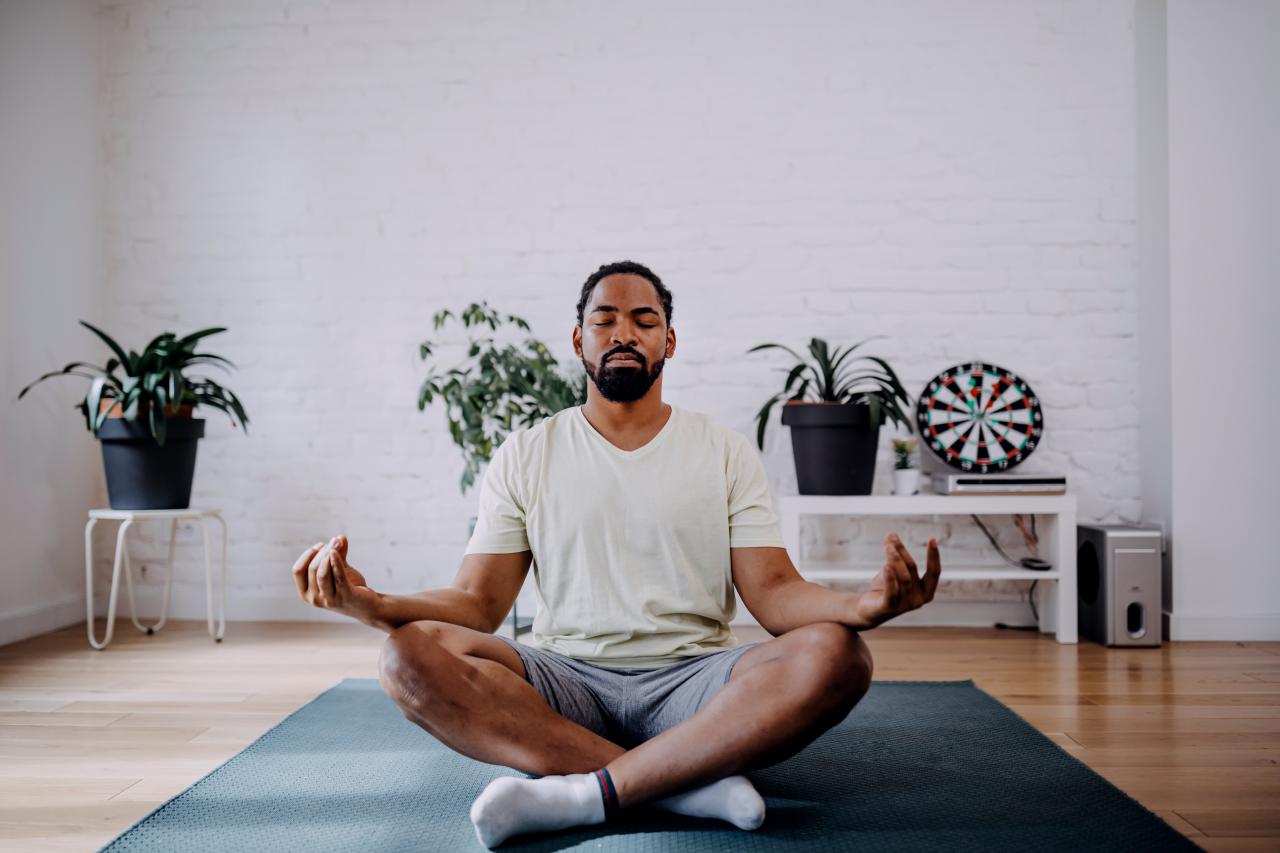
Embarking on a journey to cultivate patience through meditation can be greatly enhanced with the proper tools, community support, and professional guidance. Accessing quality resources enables practitioners to deepen their understanding, refine their techniques, and stay motivated. Whether through books, digital applications, community groups, or professional assistance, these resources serve as valuable companions in maintaining and advancing your meditation practice dedicated to patience.
Utilizing a diverse range of supports offers tailored approaches that meet individual needs and learning styles. Engaging with reputable materials and communities encourages sustained commitment and provides insights that can transform meditation from a practice into a lifelong habit of inner growth and resilience.
Recommended Books, Apps, and Online Courses
Numerous credible resources are available to support meditation focused on developing patience. The following list highlights some highly regarded options, each offering unique perspectives and tools to enhance practice:
- Books:
- The Miracle of Mindfulness by Thich Nhat Hanh — Offers practical advice and gentle guidance on mindfulness and patience.
- Wherever You Go, There You Are by Jon Kabat-Zinn — Explores mindfulness meditation with a focus on patience and acceptance.
- Real Happiness: The Power of Meditation by Sharon Salzberg — Provides accessible techniques and insights for cultivating patience through meditation.
- Apps:
- Headspace — Features guided meditations specifically designed to enhance patience and emotional resilience.
- Insight Timer — Offers a vast library of free meditations, including those centered on patience and mindfulness.
- 10% Happier — Focuses on practical meditation methods suitable for busy lifestyles and patience development.
- Online Courses:
- Mindfulness-Based Stress Reduction (MBSR) by University of Massachusetts — An evidence-based course that incorporates patience as a core component.
- The Science of Well-Being by Yale University — Covers meditation and mindset techniques fostering patience and mental clarity.
- Mindfulness Meditation for Patience and Compassion by Udemy — Focuses on specific practices to cultivate patience in daily life.
Community Groups and Classes Facilitating Meditation Practice
Participating in community groups or attending regular classes can significantly motivate and support your meditation journey. These groups provide a sense of accountability, shared experiences, and expert guidance, creating a conducive environment for growth. The following options are valuable for cultivating patience through collective practice:
- Local Meditation Centers and Yoga Studios — Often offer guided group sessions tailored to meditation for patience, mindfulness, and stress reduction.
- Community Mindfulness Groups — Usually organized through community centers or religious organizations, these groups provide regular meetings for collective practice and discussion.
- Online Meditation Communities and Forums — Platforms like Reddit’s r/Meditation or Insight Timer’s community groups enable practitioners to share insights, ask questions, and seek support from a broader network.
- Workplace Wellness Programs — Many organizations now offer meditation sessions during lunch hours or wellness retreats aimed at fostering patience and emotional resilience among employees.
Engaging consistently with such groups not only enhances motivation but also exposes practitioners to diverse techniques and perspectives that can deepen their meditation experience.
Guidance on Seeking Professional Support for Deepening Meditation Practice
While self-guided meditation can be highly effective, some individuals might find additional benefit from professional support, especially when seeking to address specific challenges or deepen their practice. Skilled professionals can offer personalized guidance, accountability, and strategies tailored to individual needs. Consider the following options:
- Meditation Coaches and Mentors — Certified meditation teachers can provide one-on-one sessions to refine techniques, address obstacles, and set achievable goals for developing patience.
- Therapists Specializing in Mindfulness-Based Therapies — Therapists trained in mindfulness and acceptance-based approaches can assist in integrating meditation into broader mental health strategies, especially for those experiencing anxiety or emotional barriers.
- Retreats and Intensive Programs — Participating in meditation retreats led by experienced teachers offers immersive experiences that can accelerate progress and foster deeper insights into patience and inner calm.
When seeking professional help, verify credentials and experience, ensuring the support aligns with your personal goals and comfort level. Professional guidance can serve as a catalyst for sustained growth and profound transformation through meditation.
Epilogue
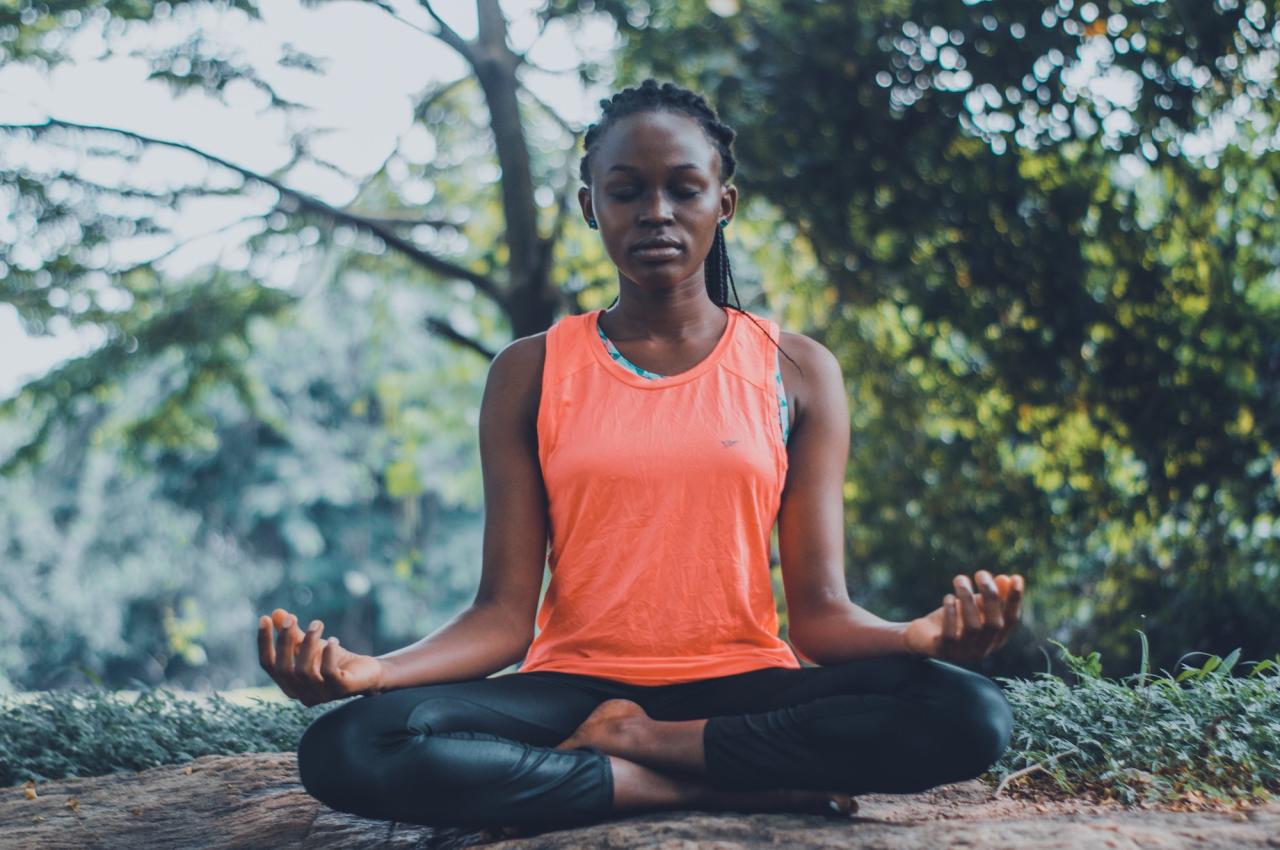
Embarking on the journey of meditating for patience opens the door to a more composed and mindful existence. Consistency, reflection, and adaptation are key to deepening this practice and experiencing its full benefits. As you continue to nurture patience through meditation, you will find yourself better equipped to navigate life’s challenges with grace and tranquility, fostering a more harmonious life overall.