Practicing mindfulness walking meditation offers a unique opportunity to cultivate presence and calmness through gentle, deliberate movement. This method differs from traditional seated meditation by integrating awareness into everyday motion, fostering a deeper connection with the environment and oneself. Originating from ancient contemplative traditions, mindfulness walking has been embraced worldwide as an accessible and effective practice for enhancing mental clarity and emotional balance.
By understanding the fundamental techniques and preparing appropriately, individuals can seamlessly incorporate mindfulness walking into their daily routines. Whether in natural settings or urban environments, this practice encourages a mindful approach to every step, promoting well-being and a more grounded experience of life’s moment-to-moment sensations.
Introduction to Mindfulness Walking Meditation
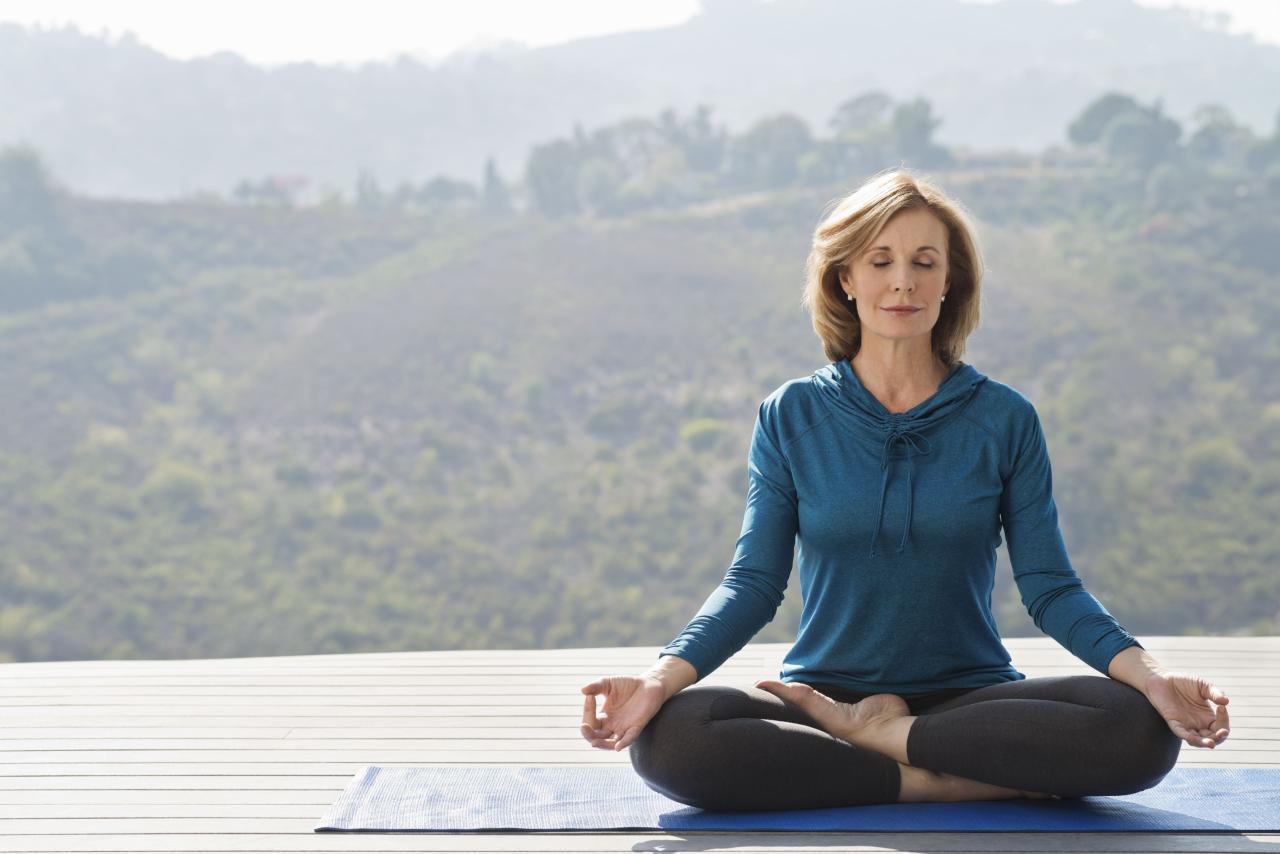
Mindfulness walking meditation is a practice that combines the physical act of walking with the mental discipline of mindfulness. Unlike traditional seated meditation, this practice involves walking slowly and deliberately, with full awareness of each step and the sensations experienced during movement. It serves as a gentle yet effective method to cultivate presence, reduce stress, and deepen one’s connection to the present moment.
By integrating movement with mindfulness, this form of meditation allows practitioners to experience the environment more fully while maintaining mental clarity. It supports a holistic approach to well-being, encouraging a mindful attitude that can be incorporated into daily life, whether during a leisurely stroll or a dedicated meditation session.
Concept and Benefits of Mindfulness Walking
Mindfulness walking emphasizes the act of walking with complete attention to each step, breath, and sensory input. This focused awareness helps to anchor the mind in the present, reducing tendencies toward rumination and distraction. Regular practice can foster a calm, centered state that enhances overall emotional resilience and mental clarity.
Engaging in mindfulness walking offers numerous benefits, including stress reduction, improved concentration, and greater emotional stability. It also encourages a gentle form of physical activity that can be performed virtually anywhere, making it accessible and easy to incorporate into daily routines.
Differences from Traditional Sitting or Walking Meditation
While traditional seated meditation involves sitting still and observing the breath or thoughts without physical movement, mindfulness walking integrates gentle movement with focused awareness. This dynamic process allows practitioners to remain active while cultivating mindfulness, particularly beneficial for individuals who find it challenging to sit still for extended periods.
Compared to casual walking, mindfulness walking is more intentional and structured, with a focus on sensory experiences and bodily sensations. It transforms everyday activity into a mindful practice, creating a seamless connection between meditation and daily life activities, thereby making mindfulness more practical and adaptable.
Origins and Cultural Background of Mindfulness Walking Practices
Mindfulness walking has roots in ancient Buddhist traditions, where walking meditation, known as ‘kinhin’ in Zen Buddhism, has been practiced for centuries. These practices originated in India and China, where meditation was often integrated into daily routines and physical movements to enhance spiritual development.
Throughout history, various cultures have embraced walking as a meditative and contemplative activity. In Japan, Zen monks use walking meditation as a means to cultivate mindfulness and discipline. Similarly, in Theravāda Buddhism, walking meditation is a core component of monastic routines. Over time, these practices have evolved and been adapted into contemporary mindfulness approaches, emphasizing accessibility and integration into modern lifestyles.
Preparing for Mindfulness Walking Practice
Establishing an effective environment and mindset is essential for a meaningful and focused walking meditation session. Proper preparation helps to cultivate a calm, attentive state of mind, minimizes distractions, and enhances the overall benefits of the practice. By thoughtfully selecting your location, organizing necessary items, setting clear intentions, and calming the mind beforehand, you create optimal conditions for mindfulness to flourish during your walk.
Each of these preparatory steps plays a crucial role in creating a conducive atmosphere, enabling you to immerse fully in the present moment and experience the restorative effects of mindful walking. Attention to these details ensures consistency and deepens your meditation experience over time.
Selecting a Suitable Location and Environment for Walking Meditation
The choice of location significantly influences the quality of your mindfulness walking practice. Ideally, select a space that offers tranquility, minimal noise, and a safe, accessible path. Natural settings, such as parks, gardens, or forest trails, often enhance mindfulness by engaging the senses with sights, sounds, and smells of nature, fostering a deeper connection to the present moment. Urban environments can also be suitable if they provide quiet, less crowded routes, such as a quiet street or courtyard.
Important considerations include:
- Low traffic and minimal external disturbances to avoid distractions.
- A flat, even surface to reduce physical fatigue and prevent injury.
- Availability of shaded areas or shelter to provide comfort in varying weather conditions.
- Secure surroundings that allow focused walking without concern for safety.
Choosing an environment that resonates with serenity and safety enhances concentration and encourages a sustained mindful experience.
Organizing Necessary Items and Attire for Comfort and Focus
Preparing appropriate attire and essential items helps maintain comfort and support sustained focus during walking meditation. Comfort is paramount, as physical discomfort can divert attention away from mindfulness. Additionally, items that facilitate awareness or serve as anchors can deepen the practice.
Recommended items and attire include:
| Item/Attire | Purpose |
|---|---|
| Comfortable, breathable clothing | Allows unrestricted movement and prevents discomfort from sweating or cold. |
| Supportive walking shoes | Provides cushioning and stability, reducing fatigue and injury risk. |
| Sun protection (hat, sunscreen) | Protects against sun exposure, especially during outdoor sessions. |
| Water bottle | Important for hydration during longer sessions, maintaining focus and energy. |
| Optional meditation aids (e.g., a small blanket, cushion) | Can be used for seated moments before or after walking if desired. |
Ensuring proper attire and essential items foster an environment of comfort, enabling you to remain attentive and present throughout your walking meditation.
Creating a Step-by-Step Guide to Setting an Intention or Goal for Each Session
Establishing a clear intention or goal before each session helps direct focus and imbues your practice with purpose. An intentional mindset anchors your awareness and facilitates deeper engagement with the process of walking mindfully.
Follow this simple guide:
- Begin by finding a quiet moment before starting your walk to pause and reflect.
- Choose a specific intention, such as cultivating patience, gratitude, or simply being present.
- Formulate your intention using positive, present-tense language, for example, “I walk with awareness and openness.”
- Repeat this intention silently to yourself a few times to internalize it.
- As you walk, gently remind yourself of this intention, allowing it to guide your attention and actions.
Regularly setting intentions nurtures mindfulness, enhances motivation, and deepens your connection to each session’s purpose.
Describing Techniques to Calm the Mind Before Beginning Walking Meditation
Preparing the mind before starting your walking meditation ensures a smoother transition into a focused and tranquil state. Techniques aimed at calming the mind help reduce residual stress, clear mental clutter, and foster a receptive environment for mindfulness.
Effective methods include:
- Deep, diaphragmatic breathing: Inhale slowly through the nose, allowing the abdomen to rise, then exhale gently through the mouth. Repeat several times to induce relaxation.
- Body scan: Progressively bring awareness to different parts of the body, releasing tension and grounding yourself in physical sensations.
- Silent meditation or mantra repetition: Use a calming word or phrase, silently repeating it to center attention and quiet mental chatter.
- Visualizations: Imagine a peaceful scene, such as a serene lake or a gentle breeze, to evoke tranquility.
Incorporating these techniques into your pre-meditation routine enhances concentration, minimizes distractions, and prepares the mind for a meaningful mindfulness walking practice.
Techniques and Procedures for Mindfulness Walking
Practicing mindfulness walking involves a deliberate approach to each step, integrating awareness of the body, breath, and environment. This method enhances focus, promotes relaxation, and fosters a deep sense of presence. Mastering the correct techniques ensures that each walk becomes a meaningful meditation session, allowing practitioners to cultivate mindfulness in daily life.
Implementing specific procedures during your walking practice helps anchor your attention and sustain a state of calm alertness. This includes maintaining proper posture, adopting a suitable walking pace, and synchronizing breath with movement. Thoughtful attention to these elements transforms an ordinary walk into a purposeful mindfulness exercise, enriching both mental clarity and physical well-being.
Walking Process: Posture, Pace, and Breathing
To maximize the benefits of mindfulness walking, it is essential to observe correct posture, regulate your pace, and adopt conscious breathing patterns. These components work together to create a harmonious flow that enhances focus and relaxation.
- Posture: Keep your head aligned with your spine, with your shoulders relaxed and down. Let your arms hang naturally, with elbows slightly bent. Engage your core gently to maintain an upright position, allowing your chest to open comfortably. Visualize a string gently pulling the crown of your head upward, promoting balance and ease.
- Pace: Choose a slow, deliberate pace that allows you to be fully aware of each step. The slow pace fosters heightened sensory awareness and prevents the mind from wandering. For those comfortable with a more energetic walk, a moderate pace can also be effective, provided attention remains centered on the sensory experience.
- Breathing: Inhale and exhale naturally, with a focus on smooth, deep breaths. Synchronize your breath with your steps by taking a conscious inhale as one foot lifts, and exhaling as it lands. This synchronization anchors your attention to the physical sensations of movement and breath, promoting mindfulness.
Comparison of Slow vs. Normal Walking Speeds for Mindfulness
Different walking speeds serve distinct purposes in mindfulness practice. While slow walking emphasizes heightened sensory awareness and internal focus, normal walking can be incorporated for integrating mindfulness into everyday activity. The following table highlights the key differences:
| Aspect | Slow Walking | Normal Walking |
|---|---|---|
| Speed | Approximately 0.5 to 1 km/h | Approximately 3 to 5 km/h |
| Focus | Intense awareness of sensations, posture, and breath | Balanced awareness of surroundings and internal states |
| Purpose | Deepening mindfulness, cultivating calm, and sensory clarity | Integrating mindfulness into daily routines, maintaining presence during ordinary walks |
| Challenges | Being overly slow may cause distraction or discomfort; requires patience | Maintaining focused attention amidst normal activity and environmental stimuli |
Synchronizing Breath with Steps
Breath-step synchronization enhances stability and presence during walking. This technique involves consciously coordinating your breathing pattern with each step to deepen focus and promote rhythmic movement.
“Align each inhale with lifting the foot, and each exhale with placing it down.”
For example, adopt a pattern where you inhale over two steps, then exhale over two steps, creating a steady, meditative rhythm. A common structured format involves a four-count cycle:
- Inhale: Lift and step forward with the left foot, inhaling deeply over two counts.
- Exhale: Land and straighten the leg over the next two counts, exhaling gradually.
- Inhale: Repeat with the right foot, matching the same cadence.
- Exhale: Land and straighten on the right side, completing the cycle.
This structured rhythm anchors your attention, reducing wandering thoughts and creating a calming, meditative state. Adjust the counts to match your comfort and breathing capacity, ensuring that the inhale and exhale remain smooth and unforced.
Maintaining Focus on Sensations, Surroundings, and Internal States
During mindfulness walking, it is vital to cultivate continuous awareness of various sensory and internal experiences. This fosters a comprehensive presence that encompasses physical sensations, environmental cues, and internal emotional states.
- Sensory Focus: Pay close attention to the sensations of your feet making contact with the ground, the movement of muscles, and the feeling of air on your skin. Noticing the temperature, texture, and pressure develops tactile awareness.
- Environmental Awareness: Observe sounds, sights, and smells around you without judgment. Allow these stimuli to be part of your experience, acknowledging their presence without becoming distracted.
- Internal States: Be conscious of your breathing, heartbeat, and emotional responses. Recognize any tension, ease, or distractions in your mind and body, gently returning focus to your breath and steps when attention drifts.
Employing gentle reminders, such as silently labeling sensations (“feeling the ground,” “noticing the breeze,” “observing my thoughts”), supports sustained attention. Over time, this practice nurtures a balanced awareness that is centered yet open, enriching your mindfulness walking experience.
Enhancing Mindfulness During Walking
Developing sustained mindfulness throughout walking practice requires deliberate attention to various sensory and cognitive cues. By consciously anchoring awareness to specific aspects of the experience, practitioners can deepen their presence and cultivate a more grounded meditation. This process involves recognizing subtle physical sensations, sounds, sights, and smells, as well as observing thoughts and emotions without getting entangled in them. Employing these techniques consistently helps strengthen mindfulness and fosters a gentle, non-judgmental attitude towards the wandering mind.
Enhancement of mindfulness during walking is about creating reliable anchors that draw attention back to the present moment. These anchors serve as reference points that can be used whenever the mind drifts away, enabling practitioners to return with compassion and patience. Additionally, observing thoughts and emotions with detachment provides insight into the mind’s patterns, promoting emotional regulation and mental clarity.
The following strategies Artikel practical ways to cultivate deep, sustained mindfulness during walking meditation.
Mindfulness Cues to Anchor Attention
Effective mindfulness cues serve as focal points that help maintain conscious awareness during walking. These cues should be simple, accessible, and present at all times. When practiced consistently, they act as mental reminders to stay present and attentive. Common cues include:
- Breath awareness: Noticing the natural rhythm of your breathing as you walk, observing the inhale and exhale without controlling them.
- Foot contact: Paying attention to each step, specifically the sensation of contact between the sole and the ground.
- Body movement: Sensing the shifting of weight, muscle engagement, and alignment during each stride.
- Sensory points: Focused attention on the sensations of clothing touching the skin or the feeling of the wind against your face.
- Environmental cues: Noticing specific sounds, sights, or smells as anchors to the present moment.
Observing Physical Sensations, Sounds, Sights, and Smells
Engaging the senses actively enhances mindfulness by rooting awareness in immediate experience. This multisensory observation encourages a holistic presence that diminishes distraction and mental scattering. To cultivate this quality:
- Physical sensations: Focus sequentially or simultaneously on sensations such as the pressure of your feet on the ground, the movement of muscles, or the contact of clothing with skin. Notice the subtle differences in texture, temperature, and pressure with each step.
- Sounds: Attentively listen to ambient sounds—birds chirping, footsteps, rustling leaves, distant traffic—and note their presence without judgment or attachment.
- Sights: Observe visual stimuli such as the pattern of light filtering through trees, the color variations of surroundings, or the movement of clouds. Allow your gaze to rest softly on various objects without fixating or seeking specific images.
- Smells: Inhale intentionally to detect scents like blooming flowers, fresh grass, or urban odors. Notice how each scent arises and fades naturally, remaining an object of curiosity rather than analysis.
Notice Thoughts and Emotions Without Attachment
Mindfulness walking involves observing mental activity with gentle detachment, recognizing thoughts and emotions as transient phenomena. This non-reactive awareness fosters clarity and emotional resilience. Practical exercises include:
- Labeling thoughts and feelings: When a thought or emotion arises, silently label it as “thinking,” “planning,” “worrying,” or “feeling anxious,” without elaboration or judgment. This creates a gentle distance between you and your mental states.
- Allowing, not engaging: Notice thoughts and emotions as passing clouds in the sky of your awareness. Acknowledge their presence and let them drift away without clinging or resistance.
- Observing with curiosity: Approach each thought or emotion as an object of curiosity, exploring its characteristics—how it appears, how it feels in your body, and how it shifts over time.
Gentle Techniques to Redirect Attention When Wandering Occurs
Even the most focused practitioners experience mind-wandering. Using gentle techniques to redirect attention ensures continuity of mindfulness without frustration or self-criticism. These methods include:
- Softly returning to sensory anchors: When noticing that your mind has drifted, calmly bring your awareness back to your chosen anchor, such as the sensation of your feet or the sound of your breath, without judgment.
- Using a mental note: Silently say “wandering” when you realize your attention has strayed, then gently guide it back to the present sensory experience.
- Practicing patience: Recognize that wandering is natural and part of the process. Each return to mindfulness strengthens your capacity for sustained attention over time.
- Breathing as a reset: Deep, conscious inhalations and exhalations serve as natural resets, grounding you alertly in the current moment when attention begins to fade.
Common Challenges and Solutions in Mindfulness Walking
Practicing mindfulness walking offers numerous benefits, but practitioners often encounter common obstacles that can hinder progress. Recognizing these challenges and implementing effective strategies can significantly enhance the consistency and depth of your practice. Addressing issues such as distraction, fatigue, impatience, and environmental limitations ensures that mindfulness walking remains a rewarding and sustainable activity.Distractions, fatigue, and impatience are typical hurdles faced during mindfulness walking, especially for beginners or those practicing in busy environments.
These obstacles may cause practitioners to lose focus, become restless, or feel discouraged, potentially leading to inconsistent practice routines. Developing awareness of these challenges enables practitioners to employ targeted solutions to maintain focus and motivation.
Overcoming Distraction and Regaining Focus
Maintaining concentration during walking meditation can be particularly challenging in environments filled with noise, movement, or interruptions. When distractions arise, it is vital to approach them with a non-judgmental attitude and use specific techniques to refocus attention.
- Anchoring in the Breath or Sensory Experiences: Focus on the sensation of each step—such as the contact of your foot with the ground—or on the rhythm of your breathing. This anchoring helps redirect attention away from external distractions.
- Using Gentle Reminders: Employ soft mental affirmations like “return to the present” or “focus on the sensations” when the mind wanders. These gentle prompts reinforce mindfulness without creating frustration.
- Structured Practice Periods: Break longer walks into shorter segments, each with a specific focus, such as the sensation of the feet or the environment, to prevent overwhelming distractions and facilitate easier refocusing.
To effectively regain focus, practitioners should accept distractions as natural and part of the process, practicing patience and compassion toward themselves. Recognizing the transient nature of intrusive thoughts allows for a gentle return to the present moment.
Maintaining Motivation During Regular Practice
Sustaining motivation for mindfulness walking requires establishing a consistent routine and reminding oneself of the benefits. Regular practice not only improves mindfulness skills but also fosters a deeper connection to the present and reduces stress.
- Set Realistic Goals: Define achievable objectives, such as practicing for 10 minutes daily, to build confidence and establish a habit.
- Track Progress: Keep a journal or use apps to monitor your practice consistency and reflect on changes in focus, mood, or physical sensations over time.
- Find Enjoyable Environments: Choose scenic or peaceful locations that inspire and motivate continuation, making the practice more enjoyable and engaging.
- Incorporate Mindfulness into Daily Routines: Embed walking meditation into regular activities, like walking to work or shopping, to reinforce the habit without requiring additional time.
Creating a supportive environment and regularly reminding oneself of the positive impacts—such as reduced stress, increased clarity, and emotional balance—can sustain motivation and commitment to mindfulness walking.
Adapting Walking Meditation for Different Environments or Physical Abilities
Flexibility in practice ensures that mindfulness walking remains accessible and effective regardless of environmental constraints or physical limitations. Adjustments can help practitioners maintain consistency and comfort.
- Indoor Alternatives: For those unable to walk outdoors due to weather, space limitations, or safety concerns, a hallway, corridor, or even a designated area in a home or office can serve as an effective indoor walking space. Focus on the same sensory and breath awareness during these walks.
- Seated or Stationary Practice: For individuals with mobility challenges or during periods of fatigue, mindfulness can be practiced through seated walking or gentle leg movements, emphasizing sensory awareness and breath without significant movement.
- Adjusting Pace and Duration: Modulate walking speed and session length according to physical capacity. Shorter, more frequent walks can be equally beneficial and easier to sustain for those with limited stamina.
- Using Assistive Devices: When necessary, support with walking aids does not impede mindfulness practice. Focus on the sensations of holding or using the device, or on the contact of your feet and legs with the ground, to maintain mindfulness.
Adapting the practice ensures inclusivity and allows practitioners to cultivate mindfulness in a manner that respects their unique circumstances, promoting ongoing engagement and benefits regardless of environment or physical ability.
Integrating Mindfulness Walking into Daily Life
Incorporating mindfulness walking into everyday routines can significantly enhance overall well-being, reduce stress, and promote a state of present-moment awareness throughout the day. Making this practice a regular part of daily life helps to cultivate a deeper sense of calm and mindfulness beyond dedicated meditation sessions, allowing for continuous mental clarity and emotional balance. Establishing consistent habits and adapting the practice to different environments ensures that mindfulness walking becomes an accessible and sustainable component of your lifestyle.By seamlessly weaving mindfulness walking into various aspects of daily activities, individuals can experience sustained benefits that extend into work, leisure, and social interactions.
Such integration encourages a mindful approach to daily challenges, fostering resilience and a greater appreciation for simple, everyday moments.
Strategies to Incorporate Walking Meditation into Daily Routines
Successfully embedding mindfulness walking into daily life involves intentional planning and awareness. The following strategies can help create a sustainable routine:
- Designate specific times of the day, such as morning, lunch breaks, or evening, dedicated exclusively to mindful walking to establish consistency.
- Choose familiar routes, like your commute, neighborhood, or office corridors, to make practice more accessible and less disruptive to your schedule.
- Set gentle reminders or alarms to prompt mindfulness pauses during busy periods, encouraging brief walking meditations amidst daily tasks.
- Combine mindfulness walking with existing activities, such as while waiting in line or during short breaks, to maximize time without requiring additional commitments.
- Utilize technology, such as mindfulness apps or guided recordings, to support and structure your practice, especially when starting out.
Developing a Sample Routine for Regular Practice
Creating a structured schedule ensures consistency and helps embed mindfulness walking into daily routines. An example routine might include:
- Morning session: Spend 10 minutes walking mindfully around your home or garden, focusing on each step and breath to start the day with clarity.
- Midday break: Take a 15-minute walk in a nearby park or quiet space, paying attention to the sensations of your feet and surroundings.
- Evening wind-down: Conclude the day with a 10-minute mindful walk indoors or outdoors, incorporating gentle awareness of body movements and environment.
Adjust durations and timings based on individual schedules, gradually increasing practice time to deepen mindfulness and integration.
Practicing in Various Settings
Adapting mindfulness walking to different environments enhances flexibility and reinforces presence regardless of location. Here are key considerations:
Parks and Natural Areas: Use these settings to fully immerse yourself in nature sounds, sights, and textures. Focus on the freshness of the air, the rustling leaves, or the feel of uneven terrain to deepen sensory awareness.
Urban Areas and City Streets: Practice mindfulness by observing the flow of pedestrian and vehicle movements, paying attention to sounds, smells, and tactile sensations like the feel of the pavement or the breeze between buildings. Be mindful of the hustle while maintaining a calm, centered awareness.
Indoors: Use spacious indoor areas such as hallways, gyms, or even large rooms. Focus on the rhythm of your steps, breathing, and the environment’s steady presence to cultivate mindfulness without external distractions.
Tips for adapting your practice include choosing quieter times for outdoor practice, using headphones with guided meditations when in noisy environments, and adjusting walking pace to suit the setting while maintaining awareness of each movement and sensation.
Combining Mindfulness Walking with Other Practices
Integrating mindfulness walking with other meditation techniques enhances overall mindfulness and can deepen your practice:
- Follow a seated meditation session with a mindful walking period to transition from internal focus to external awareness, creating a balanced approach.
- Use breath awareness techniques learned during seated meditation while walking, synchronizing steps with inhalations and exhalations for a cohesive practice.
- Incorporate body scan awareness during walking by paying attention to how different parts of the body move and feel with each step, fostering deeper bodily mindfulness.
- Combine walking meditation with mindful listening, tuning into environmental sounds during your walk to cultivate a comprehensive sensory presence.
- Practice gentle affirmations or mantras silently during your walk, enhancing mental focus and cultivating positive intentions throughout the day.
Visual and Descriptive Explainings for Guided Practice
Guided mindfulness walking practices benefit greatly from vivid visualizations and sensory-rich descriptions. By immersing practitioners in detailed mental imagery and environmental awareness, the experience becomes more profound, fostering deeper relaxation and mindfulness. This approach allows individuals to connect more fully with their surroundings, heightening sensory perception and promoting a calm, centered state of mind.
Effective guided practices incorporate step-by-step scripts that emphasize mindful breathing and movement, complemented by visual and sensory cues. These scripts help practitioners anchor their attention, making the experience tangible and accessible. Visualizations of peaceful scenes or calming imagery serve as mental anchors, reducing distractions and nurturing a sense of serenity during walking sessions.
Creating Vivid Descriptions of Walking Environments and Sensations
Developing detailed descriptions of the walking environment helps practitioners to engage their senses fully. For example, describe the environment as a tranquil garden with soft sunlight filtering through leafy trees, casting gentle shadows on the path. Mention the gentle rustling of leaves in the breeze and the distant chirping of birds, creating a multi-sensory landscape that invites full immersion.
Encourage the practitioner to notice the sensations in their body—how their feet make contact with the ground, feeling the texture and temperature of the surface beneath. Highlight the rhythmic movement of their legs and arms, and the natural flow of their breath, emphasizing how each step can be a mindful act rooted in physical sensation.
Designing Step-by-Step Guided Scripts
Structured scripts guide practitioners through each phase of mindfulness walking, blending sensory observations with mindful breathing and movement. Begin by centering the attention with a few deep breaths, then gradually introduce the walking rhythm while maintaining awareness of each step.
- Stand comfortably at the starting point, closing your eyes if desired, and take three deep, slow breaths. Feel the air entering and leaving your body, grounding your awareness in the present moment.
- Begin walking slowly, paying close attention to the sensation of your feet lifting, moving forward, and making contact with the ground. Focus on the texture and temperature beneath your soles.
- Sync your breath with your steps—inhale as you lift your foot, exhale as you place it down. Maintain awareness of the movement and your bodily sensations.
- Visualize a peaceful scene—a quiet forest, a serene lakeside, or a blooming garden—permeating your mind to deepen your sense of calm.
- Periodically pause, taking mindful breaths, and acknowledge any sensory impressions—sounds, sights, smells—without judgment.
Using Visualization of Peaceful Scenes or Calming Imagery
Incorporating calming imagery enhances the meditative quality of walking practice. Visualizing tranquil scenes can soothe the mind and serve as a mental refuge during walking sessions. For example, imagine walking along a quiet beach at sunrise, feeling the gentle breeze and listening to the rhythmic sound of waves—each step matching the ebb and flow of nature’s rhythm.
Practitioners can also visualize a serene forest trail, with sunlight dappling through leaves and the scent of pine in the air. Alternatively, picture a peaceful mountain path, with crisp air and panoramic views, fostering a sense of expansiveness and tranquility. These visualizations act as mental anchors, helping to cultivate mindfulness and reduce mental chatter.
Encourage practitioners to incorporate their senses in these visualizations—feeling the warmth of the sun, hearing distant birdsong, smelling fresh earth or fragrant flowers—to deepen the immersive experience and reinforce mindful awareness during movement.
End of Discussion
In summary, learning how to meditate for mindfulness walking equips you with a versatile tool for fostering inner peace amidst the busyness of everyday life. With consistent practice and mindful awareness, this simple yet profound technique can lead to lasting benefits, enriching your overall sense of presence and tranquility. Embracing this practice can transform routine walks into meaningful moments of mindfulness and self-discovery.