Beginning your day with mindfulness meditation sets a peaceful and focused tone that can positively influence your entire day. Learning effective practices to meditate immediately after waking can help you achieve mental clarity, emotional stability, and a greater sense of presence from the very first moment of your morning.
This guide explores essential techniques, preparation steps, and routines to seamlessly incorporate mindfulness meditation into your morning, supported by scientific insights and practical tips to overcome common challenges and enhance your overall well-being.
Understanding the importance of mindfulness meditation immediately after waking

Practicing mindfulness meditation right after waking offers a unique opportunity to set a positive and focused tone for the entire day. Engaging in this mindful practice during the early moments upon awakening helps cultivate mental clarity and emotional stability, fostering resilience against daily stressors. Recognizing the significance of this timing can enhance the effectiveness of meditation routines, leading to more sustained benefits over time.
Early morning mindfulness meditation serves as a foundational ritual that influences one’s mental and emotional landscape throughout the day. By dedicating a few minutes immediately after waking, individuals can anchor themselves in the present moment, reducing tendencies toward rumination or anxiety. This practice not only elevates mood but also improves concentration, decision-making, and overall well-being, establishing a sense of calm and balance that carries into everyday activities.
The benefits of practicing mindfulness meditation upon waking
Engaging in mindfulness meditation immediately after waking confers numerous benefits that contribute to both mental health and physical well-being. These benefits include enhanced cognitive function, improved emotional regulation, and increased resilience to stress. Starting the day with a calm and focused mind can significantly reduce feelings of overwhelm, foster a positive outlook, and promote a sense of control over one’s thoughts and emotions.
Research indicates that morning meditation can lead to long-term improvements in mental health by decreasing levels of cortisol, the stress hormone, and increasing the production of feel-good neurotransmitters such as serotonin and dopamine. Additionally, consistent practice during this sensitive time helps develop a habit of mindfulness, which can extend into other aspects of daily life, including work, relationships, and personal growth.
The influence of morning meditation on mental clarity and emotional stability
Morning mindfulness meditation acts as a catalyst for heightened mental clarity and emotional steadiness throughout the day. By intentionally focusing on the breath or bodily sensations upon waking, individuals clear mental clutter and create a mental space free from the chaos of previous thoughts or external distractions. This clarity enhances cognitive functions such as problem-solving, decision-making, and creative thinking, enabling more effective responses to daily challenges.
Emotionally, practicing mindfulness in the morning helps regulate mood fluctuations and reduces reactivity to stressful situations. It fosters a balanced perspective, encouraging patience, compassion, and resilience. This consistent early practice can lead to a more stable emotional state, less prone to sudden shifts or impulsive reactions, ultimately contributing to improved interpersonal relationships and personal well-being.
Scientific studies supporting the positive effects of early meditation routines
Modern scientific research underscores the advantages of engaging in mindfulness meditation shortly after waking. Multiple studies have demonstrated that morning meditation can result in measurable reductions in stress hormones, improvements in mood, and enhanced neural connectivity related to attention and emotional regulation. For instance, a 2014 study published in the journal “Psychosomatic Medicine” found that participants who meditated in the morning exhibited lower cortisol levels and reported greater feelings of calm and focus throughout the day.
Neuroscientific investigations have also shown that early meditation influences brain plasticity, strengthening pathways associated with positive emotions and cognitive flexibility. Additionally, longitudinal studies suggest that integrating morning meditation into daily routines can lead to sustained mental health benefits, such as decreased anxiety and depression symptoms. These findings validate the practice as a scientifically-supported approach to fostering well-being from the moment of waking.
Preparing for a Morning Mindfulness Meditation Session
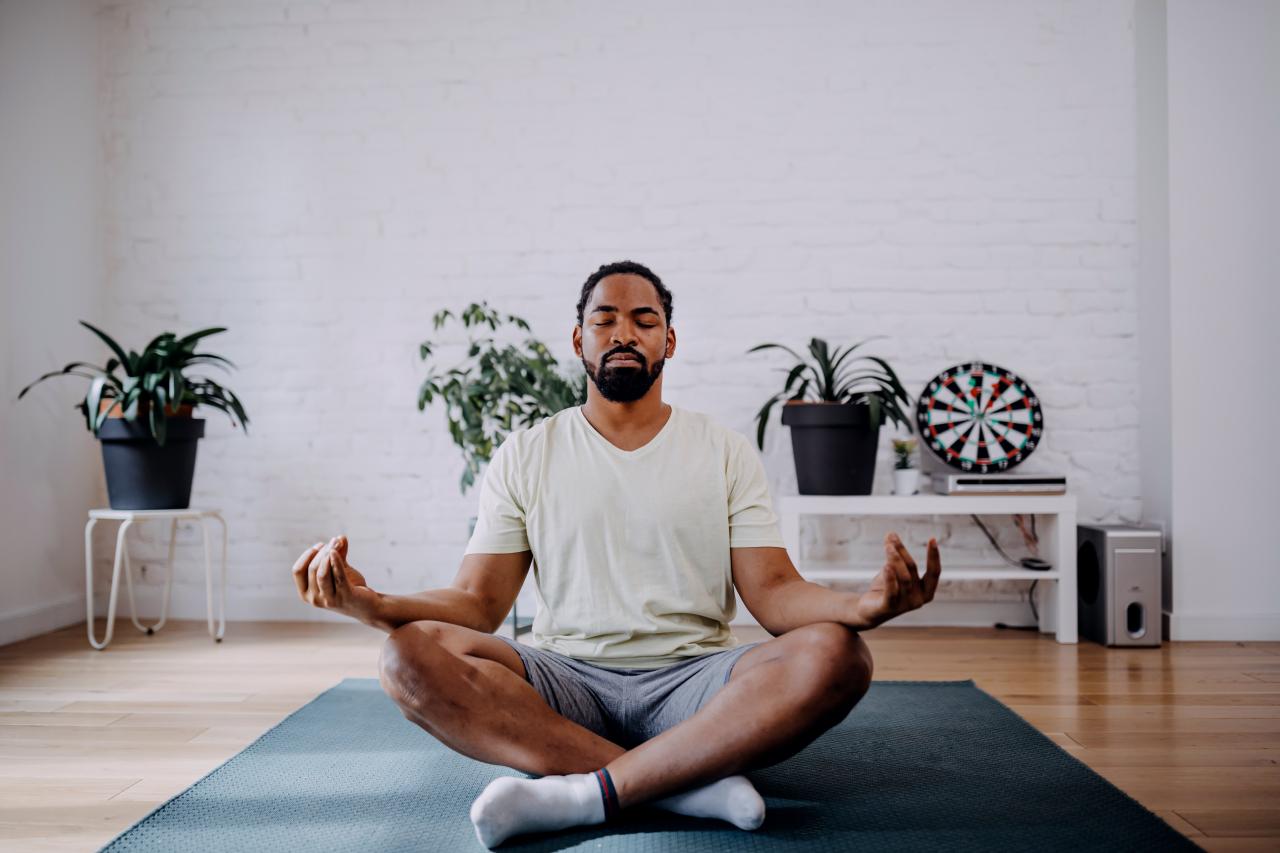
Establishing an effective environment and routine prior to your morning meditation can significantly enhance your ability to achieve a calm, focused, and restorative practice. Proper preparation helps transition smoothly from sleep to mindfulness, setting a positive tone for the rest of your day. Creating an inviting space and adopting a consistent routine fosters a sense of discipline and mindfulness, making your practice more accessible and enjoyable.
Thoughtful preparation involves both physical arrangements and mental readiness. By paying attention to your surroundings and establishing a gentle transition from sleep, you cultivate a conducive atmosphere that encourages presence and relaxation. This segment Artikels practical steps to prepare for your morning meditation, ensuring a seamless and enriching experience each day.
Creating a Calm and Conducive Environment for Meditation
Designing a peaceful environment is fundamental for effective mindfulness meditation. The space should evoke tranquility and minimize distractions, allowing your focus to deepen naturally. Incorporating elements that promote calmness can make your morning practice more inviting and sustaining.
- Choose a quiet, clutter-free area that remains undisturbed during your meditation session. This could be a corner of your bedroom, a dedicated meditation room, or a peaceful outdoor space.
- Use soft, natural lighting or dimmable lamps to create a gentle ambiance. Avoid harsh artificial lights that may stimulate alertness prematurely.
- Incorporate calming elements such as a cushion or mat, a small table with a plant, or calming images or symbols that resonate with your sense of peace.
- Maintain a comfortable temperature in the room. Slightly warm or cool environments can influence your comfort level and focus.
- Ensure fresh air circulation, either through an open window or a gentle fan, to foster alertness without drafts or noise disturbances.
Checklist of Items and Conditions to Enhance Morning Meditation
Having the right items and conditions at hand ensures a smooth transition into your mindfulness practice. These essentials serve to create consistency and comfort, reinforcing your commitment to daily meditation.
| Item/Condition | Purpose |
|---|---|
| Cushion or Meditation Mat | Provides physical comfort and proper support for seated meditation |
| Quiet Environment | Minimizes distractions and noise, aiding concentration |
| Alarm or Wake-up Timer | Helps wake up gently and establish a consistent routine |
| Comfortable Attire | Ensures physical ease, avoiding discomfort that may break focus |
| Breathing Space or Small Altar | Creates a designated sacred spot to cue your meditation practice |
| Optional Incense or Aromatherapy | Enhances sensory grounding and relaxation if preferred |
Organizing a Seamless Transition from Sleep to Meditation
A well-structured routine facilitates a gentle awakening and prepares the mind for mindfulness. This involves carefully timed steps that gradually shift your focus from rest to presence, avoiding abrupt changes that may cause resistance or distraction.
- Set a consistent wake-up time aligned with your natural sleep cycle, ideally allowing 10-15 minutes after waking to fully rise and adjust.
- Upon waking, remain lying in bed for a few moments to observe your breath and sensations, cultivating awareness without rushing into activity.
- Engage in light stretching or gentle movements to release tension accumulated during sleep, enhancing circulation and mental alertness.
- Drink a glass of water to hydrate and stimulate bodily functions, promoting wakefulness.
- Transition slowly to your designated meditation space, maintaining a mindful attitude and deliberate breathing to anchor your focus.
Implementing a consistent, gentle routine from waking to meditation primes your mind for mindfulness and nurtures a sustainable practice that integrates seamlessly into your daily life.
Techniques and Methods for Meditating for Mindfulness After Waking

Practicing mindfulness meditation immediately after waking can set a positive tone for the entire day. By employing specific techniques and methods, individuals can deepen their awareness, cultivate calmness, and enhance overall well-being from the moment they rise. Choosing the appropriate meditation approach tailored to personal preferences and needs can make the morning practice both effective and sustainable.
Below are several foundational techniques and methods designed to facilitate mindfulness immediately upon waking, each offering unique benefits and suitable durations to integrate seamlessly into a morning routine.
Breathing-Focused Meditation Practices for the Morning
Focusing on the breath is one of the most accessible and effective methods to anchor mindfulness right after waking. It helps cultivate present-moment awareness, reduce stress, and foster a sense of clarity. These practices can be adapted to various durations, from brief sessions to longer periods, depending on individual time availability.
- Deep diaphragmatic breathing: Inhale slowly through the nose, allowing the abdomen to rise, then exhale gently through the mouth or nose, feeling the abdomen fall. Repeat for 3–5 minutes to promote relaxation and oxygenation.
- Box breathing: Inhale for a count of four, hold the breath for four, exhale for four, then hold again for four. This rhythmic pattern enhances focus and stability, ideally practiced for 4–6 minutes.
- Mindful breathing: Observe the natural flow of breath without attempting to control it. Pay close attention to sensations at the nostrils, chest, or abdomen. This simple practice can be sustained for as long as desired, fostering calmness immediately after waking.
Guided Visualization Exercises for Grounding After Waking
Visualization techniques serve as powerful tools for anchoring oneself in the present and fostering a positive mental state. Guided visualizations can be self-led or supported by audio recordings, helping to cultivate feelings of gratitude, clarity, and connection as soon as one wakes.
- Nature grounding visualization: Imagine yourself stepping into a peaceful natural setting, such as a forest or beach. Visualize the details—the sounds of birds or waves, the warmth of sunlight, the scent of fresh air. Spend 3–5 minutes immersing in this scene to foster calm and groundedness.
- Journey to a peaceful place: Visualize a personal sanctuary or favorite place, filled with positive symbols and comforting elements. Focus on sensory details and feelings of safety and serenity. This exercise helps transition smoothly from sleep to a mindful state.
- Future intention visualization: Picture yourself moving through the day with mindfulness, kindness, and purpose. Visualize successful interactions and moments of calm, setting a positive tone for the hours ahead.
Step-by-Step Guide for Body Scan Meditation to Promote Awareness Post-Waking
The body scan is a systematic approach to developing bodily awareness, promoting relaxation, and grounding oneself after waking. It involves progressively paying attention to different parts of the body, cultivating a mindful connection with physical sensations.
- Begin in a comfortable seated or lying position: Ensure the body is supported and relaxed, with eyes closed or softly focused downward.
- Focus on the breath: Take a few deep breaths to settle into the practice, observing the natural inhalation and exhalation.
- Start at the toes: Bring attention to the toes, noticing sensations such as warmth, tingling, or pressure. If any tension is present, imagine releasing it with each exhale.
- Gradually move upward: Shift focus to the soles of the feet, ankles, calves, knees, thighs, hips, and so forth, paying close attention to each area for approximately 10–15 seconds.
- Notice sensations without judgment: Observe any areas of discomfort, tension, or relaxation, accepting them without trying to change them.
- Complete the scan: Continue upward through the abdomen, chest, shoulders, arms, neck, face, and scalp, maintaining gentle awareness.
- Conclude with a moment of full-body awareness: Sensing the entire body as a whole, acknowledging the physical presence and readiness for the day ahead.
- Gently transition: Open the eyes, stretch lightly if desired, and carry the mindfulness into daily activities.
Meditation Techniques Comparison Table
The following table provides an overview of various morning mindfulness meditation techniques, their typical durations, and the benefits they offer:
| Technique | Duration | Benefits |
|---|---|---|
| Breathing-Focused Meditation | 3–10 minutes | Reduces stress, improves focus, enhances relaxation |
| Guided Visualization | 5–15 minutes | Grounds mental clarity, fosters positive mood, encourages gratitude |
| Body Scan Meditation | 10–20 minutes | Increases bodily awareness, reduces physical tension, promotes relaxation |
| Mindful Observation of Surroundings | 2–5 minutes | Sharpens sensory perception, anchors present moment, cultivates appreciation |
Establishing a Morning Meditation Routine
Developing a consistent morning meditation practice is essential for cultivating mindfulness and integrating it seamlessly into daily life. Establishing a routine helps reinforce positive habits, making meditation an integral part of your mornings. The process involves deliberate planning, committed scheduling, and ongoing adjustments to ensure sustainability and effectiveness over time.Creating a stable morning meditation routine requires intentionality and discipline. By setting aside dedicated time each day, you foster a sense of consistency that reinforces mindfulness as a daily priority.
This consistency not only enhances your meditation’s benefits but also supports mental clarity, emotional stability, and overall well-being throughout the day.
Developing Consistency and Integrating Meditation into Daily Life
Maintaining a regular meditation schedule demands practical strategies that make it manageable within your lifestyle. Consistency is cultivated through establishing clear routines that become habitual over time. To achieve this, consider the following procedures:
- Designate a specific time each morning: Choose a time immediately after waking when you are least likely to be interrupted or distracted, such as right after getting out of bed or after a brief routine like stretching or brushing your teeth.
- Create a dedicated meditation space: Set up a quiet, comfortable area reserved solely for your practice. Consistent use of this space cues your mind to associate it with mindfulness, reinforcing the habit.
- Use reminders or cues: Place visual cues like a meditation cushion, a clock, or a motivational quote in your space. These serve as gentle prompts to initiate your practice each day.
- Start with manageable durations: Begin with short sessions, such as 5-10 minutes, to build the habit without feeling overwhelmed, gradually increasing the time as your routine solidifies.
To effectively integrate meditation into your daily life, it is helpful to align it with existing morning activities. For example, practicing immediately after waking ensures your mind is fresh, and you can carry the mindfulness into subsequent tasks like preparing for work or family responsibilities.
Timing Strategies for Waking and Meditating at the Same Time Each Morning
Consistency in timing enhances the effectiveness of your meditation practice by establishing a predictable rhythm. Adopting certain timing strategies can facilitate this process:
Waking up at the same time daily creates a natural rhythm that supports your meditation routine, making it easier to develop the habit and enjoy its benefits.
Consider the following approaches to optimize your timing:
- Set an alarm aligned with your desired meditation time: Choose a consistent wake-up time that allows sufficient duration for meditation without rushing, ideally 15-30 minutes before your daily commitments.
- Adjust sleep schedules gradually: To wake consistently early, shift your bedtime incrementally by 15-minute intervals, ensuring you get adequate rest and wake feeling refreshed.
- Incorporate gentle awakening techniques: Use soft alarms or natural light simulations to wake gradually, reducing grogginess and preparing your mind for meditation.
- Establish a pre-meditation routine: Engage in light stretching, deep breathing, or hydration immediately upon waking to transition smoothly into your mindfulness practice.
Synchronizing your wake-up and meditation times helps reinforce the habit and allows your mind to associate early mornings with calmness and clarity, setting a positive tone for the day.
Tracking Progress and Adjusting Routines for Sustained Mindfulness Practice
Monitoring your meditation journey encourages accountability and provides insights into its impact on your overall well-being. Regular tracking helps identify patterns, challenges, and opportunities for routine enhancement.To effectively track your progress, consider implementing the following:
- Maintain a meditation journal: Record daily sessions, noting the duration, time, and your mental state before and after meditation. Over time, this practice reveals trends and improvements.
- Use digital tools or apps: Leverage meditation tracking apps that log your sessions, send reminders, and offer guided routines. Many also provide analytics to visualize your consistency and progress.
- Set achievable milestones: Establish short-term goals, such as meditating consecutively for a week, and long-term objectives like sustaining the routine for several months. Celebrate these achievements to stay motivated.
- Evaluate and adjust: Periodically review your tracking data to identify if certain times or durations are more effective. Make gradual adjustments, such as increasing session length or trying new techniques, to deepen your practice.
Flexibility is vital for long-term success. If disruptions occur, adapt your routine without judgment, and aim to resume your practice as soon as possible. Staying attentive to your progress fosters a sustainable, enriching mindfulness practice that evolves with your needs and lifestyle changes.
Overcoming Common Challenges in Morning Meditation
Engaging in meditation immediately after waking can pose several obstacles that may disrupt the practice or reduce its effectiveness. Recognizing these challenges early enables individuals to develop strategies that foster consistency and deepen their mindfulness experience. Addressing issues such as sleep inertia, distractions, and wandering thoughts helps cultivate a more resilient and fulfilling morning meditation routine.Sleep inertia, often characterized by grogginess and sluggishness upon waking, can hinder focus and relaxation during meditation.
Distractions from environmental noises or internal thoughts can divert attention away from the present moment. Restless or wandering thoughts are natural but can be particularly persistent during early meditation sessions, making it difficult to achieve a state of calm and clarity. Staying motivated and maintaining accountability are crucial for long-term success, especially when faced with these common hurdles. Implementing practical techniques to navigate and surmount these obstacles ensures that morning meditation remains a sustainable and rewarding practice.
Addressing Sleep Inertia and Distractions
To mitigate sleep inertia, it is beneficial to allow a few minutes for gentle wakefulness before beginning meditation. Sitting upright or engaging in light stretching can help awaken the body gradually. Ensuring a consistent sleep schedule and adequate rest enhances overall alertness, making it easier to enter a meditative state upon waking. When environmental distractions are unavoidable, creating a dedicated, quiet space for meditation can significantly reduce external interruptions.
Using earplugs or white noise machines can further diminish disruptive sounds.Staying focused amidst distractions requires mindfulness and patience. Gentle acknowledgment of disruptions without judgment fosters a compassionate attitude towards oneself. Returning attention to the breath or chosen meditative object can help refocus the mind. Consistent practice, even in the presence of distractions, gradually improves concentration and resilience.
Maintaining Motivation and Creating Accountability
Sustaining motivation for morning meditation involves setting clear, achievable goals and recognizing progress over time. Keeping a meditation journal allows for tracking consistency and noting subtle improvements in focus and emotional well-being. Sharing intentions with a meditation partner or joining group sessions creates a sense of community and accountability, fostering commitment.Establishing routines that align with personal preferences enhances adherence. For example, pairing meditation with a morning ritual such as enjoying a cup of tea or listening to calming music can reinforce the habit.
Celebrating small milestones and acknowledging the benefits experienced during meditation reinforce motivation and dedication to the practice.
Handling Restless or Wandering Thoughts
Initial meditation sessions often involve persistent or restless thoughts that can detract from the desired state of mindfulness. Recognizing that thoughts are a natural part of the process reduces frustration and encourages patience. Utilizing techniques such as labeling thoughts (“thinking,” “planning,” or “worrying”) can create a gentle distance from mental chatter.Practicing focused attention on the breath or bodily sensations helps anchor the mind in the present moment.
When wandering thoughts arise, gently guiding awareness back to the chosen anchor without self-criticism is essential. Over time, this practice enhances the ability to observe thoughts non-judgmentally and cultivate a sense of mental clarity and calmness during morning meditation sessions.
Enhancing mindfulness after waking with additional practices
Starting your day with mindfulness can be deeply enriching when complemented by other gentle activities that reinforce awareness and foster a calm, focused mindset. Incorporating these practices into your morning routine can deepen your experience and set a positive tone for the day ahead. Beyond the initial meditation, engaging in simple, intentional activities can help sustain your mindfulness and integrate it seamlessly into everyday life.Integrating supplementary practices such as gentle stretching or journaling after meditation can extend the benefits of your morning mindfulness session.
These activities serve to anchor your awareness, promote physical relaxation, and encourage reflection, making mindfulness a continuous and dynamic part of your daily routine.
Complementary activities to deepen mindfulness
Engaging in activities that promote physical and mental awareness after meditation can significantly enhance your morning mindfulness experience. Gentle movements and reflective practices encourage a state of presence that persists throughout the day, reinforcing the calm and clarity cultivated during meditation.
Gentle stretching is an excellent activity to integrate post-meditation, as it helps release any residual tension accumulated during sleep and prepares the body for the day. Focus on slow, deliberate movements, paying attention to how each muscle feels as you stretch. This mindful movement cultivates body awareness while promoting physical relaxation.
Journaling provides an opportunity to reflect on your intentions, record insights gained during meditation, or simply express gratitude. Keeping a dedicated journal by your bedside allows you to jot down your thoughts immediately after your mindfulness practice, helping to solidify your mental clarity and set positive intentions for the day.
Incorporating mindful awareness into morning routines beyond sitting meditation
Transforming everyday activities into moments of mindfulness can seamlessly extend your practice beyond formal sitting periods. Small changes in how you approach routine tasks can help maintain a sense of presence and awareness throughout the morning.
Mindful eating during breakfast involves paying close attention to the sensory experience of each bite—the taste, texture, smell, and visual appearance of your food. Eating slowly and without distraction fosters appreciation for nourishment and cultivates mindful engagement.
Practicing mindful walking or movement, even for a few minutes, allows you to connect with your surroundings. Focus on each step, the sensation of your feet making contact with the ground, and the environment around you. This practice can be especially beneficial if you prefer a more active form of mindfulness in the mornings.
Quick mindfulness exercises for busy mornings
For mornings when time is limited, brief yet effective mindfulness exercises can help anchor your awareness quickly and efficiently, ensuring you start your day grounded and centered.
- Breath Awareness Exercise: Take 3-5 deep, slow breaths, paying close attention to the sensation of air entering and leaving your lungs. Focus solely on your breath, allowing other thoughts to fade temporarily.
- Body Scan in Minutes: Briefly scan your body from head to toe, noticing any areas of tension or discomfort. Consciously relax those areas as you breathe out.
- Mindful Observation: Choose an object in your environment—a plant, a cup, or a picture—and observe it with curiosity, noting textures, colors, and details without judgment.
- Five Senses Check-In: Pause and identify something you see, hear, feel, smell, and taste. This quick exercise grounds you in the present moment, even during busy mornings.
Incorporating these practices into your morning routine, even briefly, can significantly enhance your overall mindfulness and set a peaceful, attentive tone for the rest of your day.
Closure

Incorporating mindfulness meditation after waking can significantly transform your daily experience by fostering calmness, focus, and emotional resilience. Establishing a consistent routine and exploring complementary activities will deepen your practice, enabling you to enjoy the numerous benefits of early mindfulness throughout your life.