Learning how to meditate for mental health offers a powerful pathway to enhance emotional stability and reduce stress. Incorporating meditation into your routine can significantly improve mental clarity and foster a sense of calm amidst daily challenges.
This guide explores various meditation methods tailored for mental well-being, providing practical steps to prepare, practice, and integrate meditation seamlessly into your life. Whether you are a beginner or looking to deepen your practice, understanding these techniques can support your journey toward better mental health.
Understanding Meditation and Its Benefits for Mental Health
Meditation is a practice that has been embraced across cultures and eras for its profound impact on mental and emotional well-being. In our fast-paced modern world, establishing a meditation routine can serve as a vital tool for cultivating inner peace, reducing stress, and enhancing overall mental health. Recognizing the significance of meditation involves appreciating its capacity to foster mindfulness, emotional resilience, and mental clarity, making it an essential component of a holistic approach to mental wellness.
Regular meditation practice offers a range of psychological and emotional benefits that support mental health maintenance and improvement. These benefits include reduced anxiety levels, alleviation of depressive symptoms, improved focus and concentration, and enhanced emotional regulation. Engaging consistently in meditation can help individuals develop a healthier relationship with their thoughts and feelings, promoting a sense of stability and calmness even amidst life’s challenges.
Moreover, meditation encourages self-awareness and self-compassion, which are crucial for personal growth and mental resilience.
Different Meditation Styles Focused on Mental Health
Various meditation techniques cater specifically to enhancing mental health, each with unique approaches and benefits. Understanding these styles allows individuals to select practices aligned with their personal needs and preferences.
| Meditation Style | Description | Mental Health Benefits |
|---|---|---|
| Mindfulness Meditation | Involves paying deliberate attention to the present moment without judgment, often through focused breathing or sensory awareness. | Reduces stress, improves emotional regulation, and decreases symptoms of anxiety and depression. |
| Guided Meditation | Uses visualizations and narratives led by a facilitator or recording, often aimed at relaxation or healing. | Enhances relaxation response, alleviates emotional distress, and promotes overall mental calmness. |
| Transcendental Meditation | Centers on silently repeating a specific mantra to achieve a state of deep rest and mental clarity. | Reduces anxiety, helps manage stress-related disorders, and fosters mental clarity. |
| Loving-kindness Meditation (Metta) | Focuses on cultivating feelings of compassion and love towards oneself and others through repeating specific phrases. | Boosts emotional resilience, decreases negative emotions, and increases positive social feelings. |
| Body Scan Meditation | Involves systematically focusing attention on different parts of the body to release tension and increase bodily awareness. | Reduces stress, enhances emotional regulation, and promotes relaxation, which benefits mental health. |
“Consistency in meditation amplifies its mental health benefits, making it a powerful tool for fostering resilience and emotional stability.” – Mental Health Research Institute
Preparing for Meditation Practice
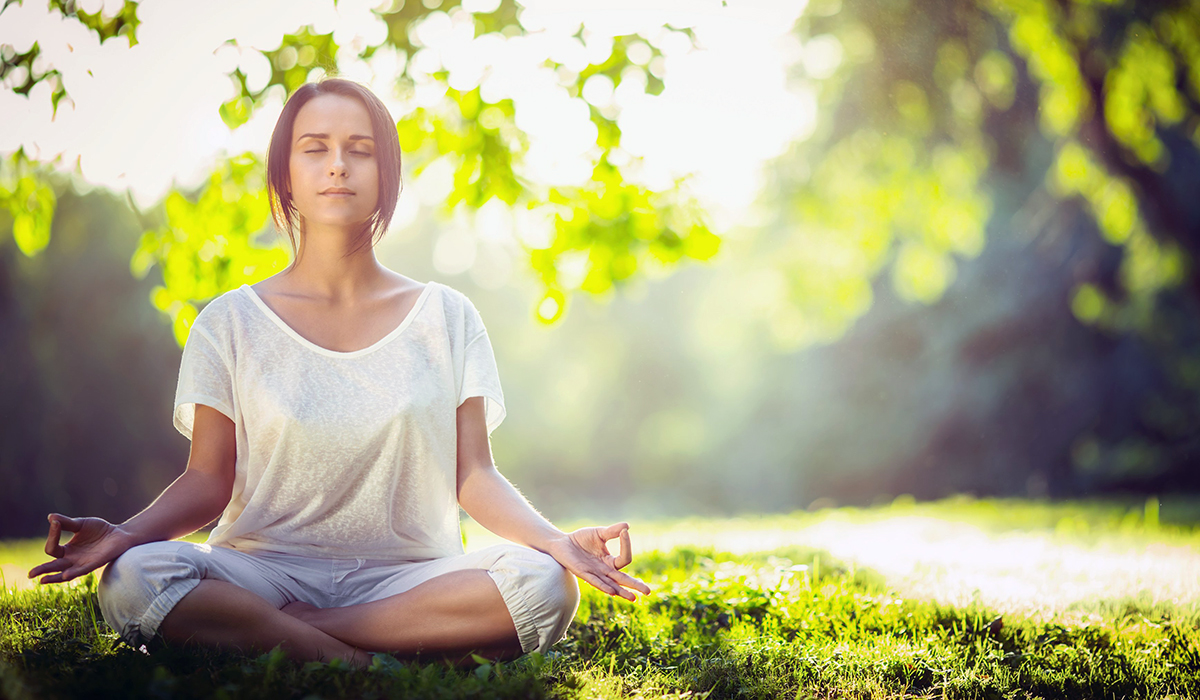
Establishing an appropriate environment and routine is fundamental to cultivating a successful meditation practice that promotes mental health. Proper preparation helps create a space conducive to relaxation, focus, and consistency, thereby enhancing the overall benefits of meditation.
Thoughtful planning and organization enable individuals to approach each session with clarity and purpose. This section provides practical steps for setting up your meditation space, a comprehensive checklist of materials, and tips for building a sustainable meditation routine that aligns with your mental health goals.
Creating a Conducive Environment for Meditation Sessions
Developing a dedicated and peaceful space for meditation minimizes distractions and fosters a sense of calm. The environment should be quiet, comfortable, and free from interruptions, allowing the mind to settle more easily into meditation. Consider factors such as lighting, temperature, and noise levels to optimize the space for relaxation.
In addition to physical surroundings, cultivating a mental atmosphere of openness and patience can significantly improve the quality of practice. Using elements like calming scents, soft background music, or natural sounds can enhance your ability to focus and relax during meditation sessions. The goal is to create a personal sanctuary that signals the mind to transition into a state of mindfulness.
Organization of Materials and Tools for Enhanced Practice
Having the right materials readily available can facilitate a smoother meditation experience. Maintaining a checklist ensures all necessary items are prepared in advance, reducing interruptions or distractions at the start of each session.
Common materials and tools include:
- Comfortable Seating: A cushion, chair, or meditation bench that supports proper posture without causing discomfort.
- Timer or Meditation App: To track session duration and maintain consistency without the need to check the clock frequently.
- Quiet Environment: Noise-canceling headphones or earplugs if external sounds are unavoidable.
- Lighting Options: Soft, dim lighting or natural light to promote relaxation.
- Aromatherapy Supplies: Essential oils or incense with calming scents like lavender or chamomile.
Additional tools such as guided meditation recordings or journals for reflections can also enrich your practice. Ensuring these materials are organized and within reach creates an efficient setup that encourages regular engagement.
Establishing a Consistent Routine and Setting Intentions
Consistency is key to experiencing the mental health benefits of meditation. Establishing a routine helps embed meditation into daily life, making it a regular habit that supports emotional resilience and mental clarity.
To create an effective routine, select specific times of day that align with your natural energy peaks, such as early morning or late evening. Incorporating meditation into existing daily activities, like after waking or before bedtime, increases the likelihood of maintaining the habit.
Setting clear intentions for each session enhances mindfulness and purpose. Intentions can be as simple as focusing on breath awareness, cultivating compassion, or reducing stress. Writing down your intentions or affirmations can reinforce your commitment and provide motivation.
For example, beginning each session with a statement like, “Today, I will cultivate calmness and self-compassion,” anchors your practice in purpose and supports mental health growth over time. Tracking your progress through a journal or app can also help maintain accountability and reflect on improvements.
Techniques for Meditation to Improve Mental Health
Engaging in effective meditation techniques can significantly enhance mental health by promoting relaxation, emotional balance, and resilience against stress. Various methods cater to different preferences and needs, allowing individuals to find the most suitable approach to incorporate into their daily routines. Understanding these techniques provides a foundation for achieving mental clarity and emotional stability through consistent practice.Meditation techniques serve as practical tools to manage stress, reduce anxiety, and foster a sense of inner calm.
Each method emphasizes different aspects of mindfulness and bodily awareness, offering unique benefits tailored to mental health improvement. Incorporating these techniques into daily life can lead to gradual but meaningful improvements in overall well-being.
Mindfulness Meditation and Its Application for Stress Reduction
Mindfulness meditation involves intentionally focusing attention on the present moment without judgment. This practice fosters awareness of thoughts, sensations, and emotions, helping individuals observe their mental states with acceptance. When applied consistently, mindfulness meditation can significantly decrease stress levels by reducing rumination and promoting a sense of calm.The application of mindfulness for stress reduction typically involves sitting quietly and paying close attention to the breath, bodily sensations, or external environment.
Practitioners learn to notice distracting thoughts as they arise and gently redirect focus back to the present. Scientific studies have demonstrated that regular mindfulness practice can lower cortisol levels, improve emotional regulation, and enhance overall mental resilience, making it a highly effective technique for managing everyday stress.
Guided Meditation Methods and Their Role in Mental Clarity
Guided meditation involves listening to a narrator or instructor who leads the practitioner through visualizations, relaxation exercises, or specific mental affirmations. This method is particularly helpful for beginners, as it provides structure and support, reducing the difficulty of maintaining focus independently.Through guided sessions, individuals can explore various themes such as compassion, gratitude, or stress relief, which can deepen mental clarity and emotional stability.
The role of guided meditation in enhancing mental health lies in its ability to direct attention systematically, fostering focus and reducing intrusive thoughts that contribute to anxiety and mental fatigue. Many apps and recordings offer tailored guided meditations, making this approach accessible and adaptable to diverse needs.
Breathing Exercises and Their Effectiveness in Managing Anxiety
Breathing exercises are simple yet powerful techniques that regulate the autonomic nervous system, directly influencing feelings of anxiety and relaxation. Controlled breathing helps reduce physiological symptoms associated with anxiety, such as rapid heartbeat, shallow breathing, and muscle tension.Focusing on breath patterns, such as slow diaphragmatic breathing or box breathing, can immediately calm the nervous system and promote mental clarity. Regular practice of these exercises enhances emotional regulation and reduces the likelihood of anxiety spirals.
For example, inhaling slowly for a count of four, holding the breath for four counts, then exhaling for another four counts, creates a rhythm that diminishes stress responses and encourages mindfulness of bodily sensations.
Body Scan Meditation and Its Mental Health Benefits
Body scan meditation involves systematically directing attention through different parts of the body, often starting from the toes and moving upward toward the head. This practice encourages awareness of physical sensations and promotes relaxation of tense muscles, while fostering a non-judgmental acceptance of bodily experiences.The mental health benefits of body scan meditation include reduced rumination, improved emotional regulation, and increased self-awareness.
By grounding attention in bodily sensations, individuals can detach from overwhelming thoughts and cultivate a sense of calmness. Regular practice has been shown to lower symptoms of anxiety and depression, making it a valuable technique for fostering mental resilience and emotional stability.
Step-by-Step Guide to Meditate for Mental Clarity and Calmness
Embarking on a meditation practice can significantly enhance mental clarity and foster a sense of inner calm. For beginners, establishing a structured approach ensures consistency and effectiveness. This guide provides a clear, detailed process to help newcomers develop a sustainable meditation routine that promotes mental well-being and tranquility.
Meditation for mental clarity involves focusing the mind, reducing mental clutter, and cultivating present-moment awareness. By following these steps, practitioners can systematically develop these skills, leading to improved concentration, emotional regulation, and stress reduction over time.
Preparation of the Meditation Environment
Creating a suitable space is fundamental to establishing a successful meditation practice. Choose a quiet, comfortable location free from distractions. Dim the lighting if possible, and consider using calming elements such as candles, soft textiles, or soothing scents. Ensure the temperature is moderate to avoid discomfort during the session.
Getting into a Comfortable Posture
A stable and relaxed posture enhances focus and prevents physical discomfort. Sit upright with your back straight but not rigid. You can sit cross-legged on a cushion, on a chair with feet flat on the ground, or kneel if comfortable. Rest your hands gently on your lap or knees, maintaining a natural position that supports alertness without strain.
Setting an Intention and Duration
Begin each session by setting a clear intention, such as cultivating calmness or gaining mental clarity. Decide on a duration suitable for your schedule, starting with 5 to 10 minutes and gradually increasing as you become more accustomed to meditation. Use a timer with a gentle alarm to avoid interruptions.
Focusing Attention
Close your eyes softly or keep them partially open, gazing downward. Direct your attention to a specific anchor, such as your breath, a mantra, or a visualized image. When practicing breath awareness, notice the natural rhythm of inhalation and exhalation without trying to control it. If your mind wanders, gently redirect your focus back to your chosen anchor without judgment.
Utilizing Visualization and Guided Scripts
Incorporate visualizations or listening to guided scripts to deepen your practice. A common visualization involves imagining a peaceful place, like a serene beach or lush forest, immersing your senses in this environment. Guided scripts often lead you through calming scenarios or affirmations, fostering relaxation and mental clarity. Repeating calming phrases or visualizing light filling your body can enhance the meditative experience.
Ending the Session
When your designated time concludes, avoid abrupt movements. Gradually bring your awareness back to your surroundings, wiggle your fingers and toes, and take a few deep breaths. Take a moment to reflect on your experience and set an intention to carry this calmness into the rest of your day.
Comparison of Meditation Durations and Effects
Understanding how different session lengths influence mental health benefits helps tailor your practice to fit personal needs and schedules. The following table summarizes typical effects associated with various meditation durations based on empirical research and practitioner reports:
| Duration | Common Effects |
|---|---|
| 5 minutes | Reduces immediate stress, improves mood, enhances focus temporarily |
| 10-15 minutes | Promotes sustained relaxation, increases mindfulness, decreases anxiety levels |
| 20-30 minutes | Deeper mental clarity, significant stress reduction, emotional regulation, improved sleep quality |
| 45+ minutes | Prolonged calming effects, increased neuroplasticity, long-term mood stabilization, enhanced cognitive function |
Practitioners often find that even brief sessions offer immediate benefits, but longer periods foster profound and lasting mental health improvements. Consistency remains key, regardless of the duration.
Guided Visualization Scripts for Enhanced Meditation
To deepen your meditation, try using the following visualization technique:
“Imagine yourself in a tranquil forest. Feel the softness of the moss beneath your feet, hear the gentle rustling of leaves, and notice the warm sunlight filtering through the trees. As you breathe in, visualize breathing in calm and serenity. As you exhale, imagine releasing tension and worries. Allow this peaceful scene to envelop you, anchoring your mind in the present moment.”
Repeat such scripts silently or aloud during your meditation session. Visualizations activate calming neural pathways, foster mental clarity, and create a sense of safety and relaxation, amplifying the benefits of your practice.
Overcoming Common Challenges in Meditation Practice
Meditation can be a highly rewarding practice for mental health, but practitioners often encounter obstacles that can hinder progress. Recognizing these challenges and implementing effective strategies can help maintain a steady and fulfilling meditation routine. Understanding common difficulties and their solutions fosters resilience and encourages consistency on the journey toward mental well-being through meditation.Meditation challenges are normal and part of the learning process.
Many individuals face initial discomfort, wandering thoughts, or difficulty maintaining focus. Addressing these issues with practical approaches can transform obstacles into opportunities for growth and deeper understanding of oneself. Cultivating patience and adopting adaptable techniques are key to overcoming hurdles and sustaining motivation over time.
Addressing Distractions and Restless Thoughts
Distractions and restless thoughts are among the most frequent challenges faced by meditation practitioners. These interruptions can diminish the effectiveness of the practice and cause frustration, especially for beginners. Developing specific techniques to manage these mental intrusions is essential for progressing toward mental clarity and calmness.To effectively address distractions, it is helpful to acknowledge their presence without judgment and gently redirect attention back to the chosen point of focus, such as the breath, a mantra, or bodily sensations.
Incorporating a few moments of mindful acknowledgment before refocusing can lessen the power of wandering thoughts.
- Use Anchors of Focus: Engage with a stable object or sensation, like the sound of your breath or a visual point, to anchor your attention and minimize the impact of distractions.
- Practice Mindfulness of Thoughts: Recognize restless or intrusive thoughts as passing phenomena. Instead of fighting them, observe these thoughts non-judgmentally and let them drift away, returning your focus to the present moment.
- Create a Distraction-Resistant Environment: Find a quiet, comfortable space for meditation where external interruptions are minimized. Use soft background sounds or white noise if necessary to mask disruptive noises.
Strategies to Maintain Motivation and Consistency
Maintaining motivation can be challenging, especially when immediate benefits are not evident or during periods of busy schedules. Consistency is crucial for experiencing the long-term mental health benefits of meditation. Implementing structured strategies can help reinforce daily practice and foster a sustainable meditation habit.Establishing a routine by meditating at the same time each day enhances habit formation. Setting realistic goals and tracking progress provides motivation and a sense of achievement.
Additionally, integrating meditation into daily activities, such as during morning routines or lunch breaks, reinforces commitment and normalizes the practice.
“Consistency over intensity fosters lasting change in meditation.”
To sustain motivation, consider joining group meditation sessions or using guided meditation apps, which can provide social support and variety. Reminding yourself of the mental health benefits, like reduced anxiety and improved focus, can also reinforce the importance of persistence.
- Start Small and Gradually Increase: Begin with short sessions, such as five minutes, and gradually extend the duration as comfort and confidence grow.
- Celebrate Progress: Acknowledge consistency regardless of session length or perceived depth, fostering a positive attitude toward practice.
- Use Reminders and Alarms: Set daily reminders to meditate, making it a non-negotiable part of your schedule.
Managing Restless Thoughts During Meditation
Restless thoughts can lead to frustration and may interfere with achieving a calm state. Learning to manage these thoughts without judgment is essential in cultivating a peaceful meditation experience. Restlessness often arises from overexcitement, stress, or unmet expectations about meditation outcomes.A practical approach involves observing restless thoughts with gentle curiosity, understanding that they are a natural part of mental activity.
Techniques such as labeling thoughts (“thinking,” “planning,” “worrying”) help detach from them and reduce their emotional charge. Incorporating breathing exercises or body scans can also redirect focus from restless mind to physical sensations, promoting relaxation.Furthermore, developing a compassionate attitude toward oneself during moments of restlessness encourages continued practice. Patience and self-kindness underpin resilience against discouragement and help foster a balanced attitude toward meditation challenges.
- Practice Loving-Kindness or Compassion Meditation: Cultivating kindness toward oneself during restless episodes can diminish self-criticism and support sustained effort.
- Implement Grounding Techniques: Engage in body awareness exercises or progressive muscle relaxation to anchor your attention in physical sensations, reducing mental agitation.
- Accept and Release: Embrace restlessness as a temporary state, allowing thoughts to come and go without attempting to suppress or control them aggressively.
Integrating Meditation into Daily Life for Long-Term Mental Health
Maintaining regular meditation practice is essential for achieving and sustaining long-term mental health benefits. Incorporating meditation into daily routines helps cultivate resilience against stress, enhances emotional regulation, and promotes overall well-being. By establishing consistent habits and adapting practices to diverse environments, individuals can ensure that meditation remains a feasible and effective tool amidst busy schedules and varying circumstances.Successfully integrating meditation into daily life requires thoughtful planning and flexibility.
It involves creating routines that align with personal schedules, adapting practices to different settings, and exploring alternative mindfulness activities that can be seamlessly incorporated throughout the day. This approach not only sustains mental health benefits but also fosters a lifelong habit that supports ongoing emotional balance and clarity.
Creating a Practical Schedule Template for Busy Routines
Establishing a structured yet adaptable meditation schedule is crucial for consistent practice. Here is a sample template designed for individuals with demanding schedules:
| Time of Day | Activity | Duration | Notes |
|---|---|---|---|
| Morning (upon waking) | Brief mindfulness meditation or breathing exercise | 5-10 minutes | Start the day with intention and mental clarity |
| Midday (lunch break or mid-afternoon) | Short body scan or guided meditation | 10-15 minutes | Relieve stress and recharge energy levels |
| Evening (before bed) | Relaxation or gratitude meditation | 10-20 minutes | Facilitate restful sleep and emotional processing |
It is advisable to set reminders or alarms to help uphold the routine, and to be flexible by adjusting durations or times based on daily demands. Even brief sessions, when practiced regularly, can yield significant mental health benefits over time.
Adapting Meditation Practices to Various Environments and Situations
Flexibility in meditation practice allows individuals to maintain their routines regardless of environmental constraints. Different settings necessitate adaptations that preserve the efficacy of mindfulness exercises:
- Office or Workplace: Practice seated or standing breathing exercises at your desk, focusing on deep, slow inhalations and exhalations. Use short breaks to perform quick mindful check-ins or body scans.
- Public Spaces: Engage in discreet practices such as mindful observation of surroundings, focusing on sensory experiences like sounds, textures, or smells without judgment.
- Travel or Commuting: Utilize audiobooks or guided meditations during uninterrupted travel segments. Practice mindful breathing during brief stops or pauses in movement.
- Limited Space or Privacy: Perform seated or seated-alternative exercises, such as mindful breathing or visualization, even in confined settings like elevators or waiting rooms.
Adapting meditation ensures continuity, making mental health practices resilient to life’s unpredictability.
Examples of Mindfulness Activities Beyond Seated Meditation
Expanding mindfulness practices beyond traditional seated meditation enhances integration into daily life, making mental health practices accessible and varied:
- Walking Meditation: Engage in slow, deliberate walks focusing on each step, the sensation of your feet touching the ground, and your surroundings. This practice cultivates present-moment awareness during routine activities.
- Mindful Eating: Pay close attention to the sensory experience of eating—taste, texture, aroma, and visual appearance—without distractions like screens or multitasking.
- Deep Breathing Exercises: Incorporate diaphragmatic breathing during stressful moments, taking slow, intentional breaths to calm the nervous system.
- Progressive Muscle Relaxation: Systematically tense and relax muscle groups, fostering body awareness and reducing physical tension associated with stress.
- Mindful Journaling: Allocate moments to reflect and write about thoughts or emotions with openness and acceptance, promoting emotional clarity and self-awareness.
These activities foster mindfulness in various contexts, making mental health support an integral part of everyday routines, thus reinforcing resilience and emotional balance over the long term.
Additional Resources and Support for Meditation Practice
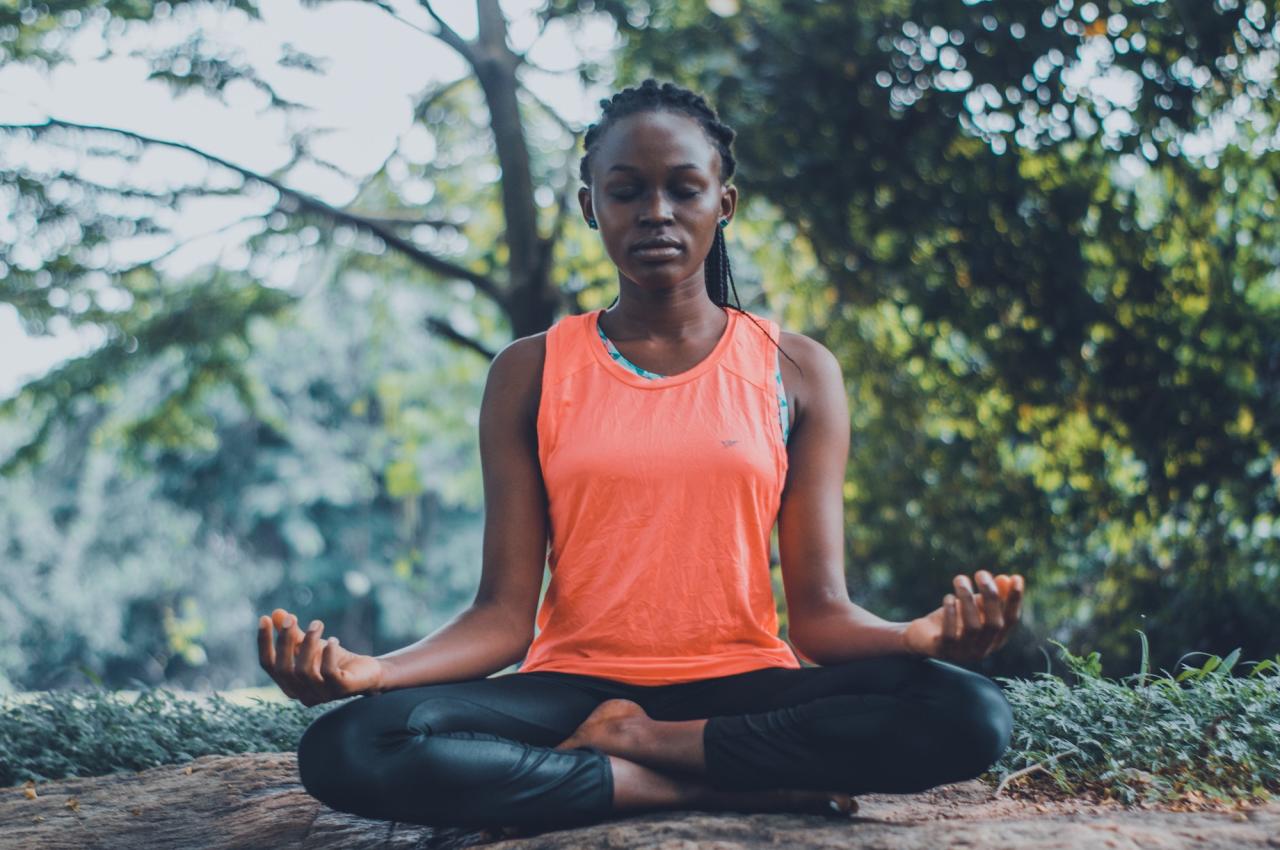
Engaging with supplementary tools and community support can significantly enhance your meditation journey, especially when aiming to improve mental health. These resources provide guidance, motivation, and a sense of connection, helping you establish a sustainable and meaningful meditation routine.Accessing reputable books, apps, and audio guides can deepen your understanding and practice of meditation tailored to mental health needs. Additionally, connecting with online communities offers shared experiences, encouragement, and accountability.
When facing challenges or seeking personalized guidance, professional support from therapists or mental health practitioners specializing in mindfulness and meditation can be invaluable.
Recommended Books, Apps, and Audio Guides
Selecting the right resources can provide structure, education, and motivation, making meditation more effective and enjoyable. The following are some highly regarded options:
- Books:
- “The Miracle of Mindfulness” by Thich Nhat Hanh — An accessible guide emphasizing mindfulness in everyday life, beneficial for mental clarity and stress reduction.
- “Wherever You Go, There You Are” by Jon Kabat-Zinn — Offers practical insights into integrating mindfulness meditation into daily routines to foster mental well-being.
- “The Anxiety and Phobia Workbook” by Edmund J. Bourne — Contains strategies, including meditation techniques, specifically targeting anxiety management.
- Mobile Apps:
- Headspace — Provides guided meditations tailored to stress, anxiety, and mood management, with programs suitable for beginners and experienced practitioners.
- Calm — Features meditations, breathing exercises, and sleep stories designed to improve mental health, with specific content for anxiety and depression.
- Insight Timer — Offers a vast library of free guided meditations, music tracks, and community features to support ongoing practice.
- Audio Guides:
- Mindfulness meditation recordings by Jon Kabat-Zinn— Available on various digital platforms, these guides focus on stress reduction and emotional regulation.
- Sleep-focused meditation tracks by Jason Stephenson— Designed to promote relaxation and mental calmness before sleep.
- Specialized sessions by Tara Brach— Combining mindfulness and compassion, supporting emotional healing.
Online Communities and Support Groups
Connecting with others who share similar goals can reinforce your practice and provide emotional support. Many online platforms host communities dedicated to meditation and mental health, offering shared experiences, advice, and encouragement.
| Community/Group | Description | Platform |
|---|---|---|
| Meditation Society | An inclusive online group fostering daily meditation practices, discussions, and mental health support. | |
| Mindfulness Practice Group | Dedicated to sharing techniques, challenges, and success stories related to mindfulness and meditation for mental health. | Reddit (r/Meditation, r/Mindfulness) |
| Insight Timer Community | Offers forums, live events, and local meetups for practitioners focusing on mental health benefits of meditation. | Insight Timer App and Website |
| Daily Meditation Community | Focuses on accountability, daily check-ins, and group meditation sessions to foster consistency and emotional well-being. | Meetup.com |
Seeking Professional Guidance and Therapy
While self-guided meditation can be highly effective, integrating professional support can enhance outcomes, especially for individuals facing persistent mental health challenges. Mental health professionals experienced in mindfulness-based therapies can tailor approaches to your specific needs.
Therapeutic modalities
Cognitive Behavioral Therapy (CBT), Dialectical Behavior Therapy (DBT), and Mindfulness-Based Stress Reduction (MBSR) incorporate meditation and mindfulness techniques to address conditions such as depression, anxiety, and trauma.
Personalized guidance
A therapist can help identify meditation practices best suited to your mental health status, troubleshoot challenges, and provide accountability.
Combining therapies
Meditation can complement traditional therapy, medication, or support groups, creating a comprehensive approach to mental health care.
Finding professionals
Use directories from reputable organizations such as the American Psychological Association or the British Association for Behavioral and Cognitive Psychotherapies to locate qualified practitioners specializing in mindfulness and meditation practices.
“Professional guidance ensures that your meditation practice aligns with your mental health needs, maximizing benefits and fostering sustainable progress.”
Final Wrap-Up
Incorporating meditation into your daily routine can lead to lasting mental health benefits, promoting resilience and emotional balance. By exploring different techniques and overcoming common obstacles, you can cultivate a sustained practice that enhances your overall well-being and quality of life.