Discovering how to meditate for mantra chanting opens the door to profound mental clarity and tranquility. This ancient practice, rooted in diverse cultural traditions, serves as a powerful tool to cultivate focus, reduce stress, and deepen spiritual connection. Whether you are new to meditation or seeking to refine your technique, understanding the proper approach to mantra chanting can significantly enhance your experience and benefits.
By learning how to meditate for mantra chanting effectively, you can create a harmonious environment, select meaningful mantras, and adopt suitable postures and techniques. Incorporating breathing exercises and visualization further enriches your practice, helping you overcome common challenges and integrate this timeless practice into daily life for lasting peace and mindfulness.
Introduction to Meditation for Mantra Chanting
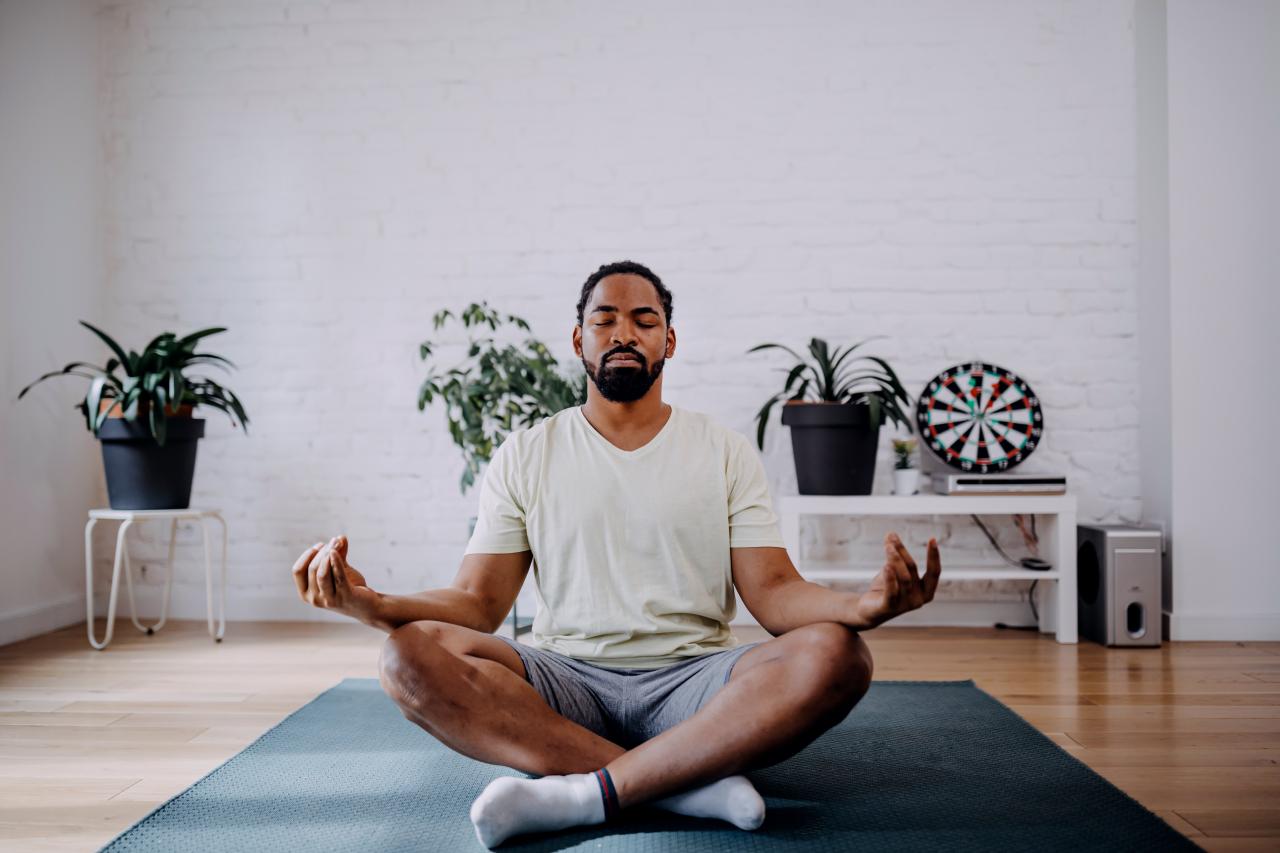
Mantra chanting has long been a fundamental practice within various spiritual traditions, serving as a powerful tool to access deeper states of consciousness and inner peace. This meditation technique involves the repetition of specific sounds, words, or phrases known as mantras, which are believed to possess vibrational qualities that influence the mind and body positively. The practice not only promotes mental clarity and emotional stability but also fosters a sense of spiritual connection and personal transformation.
Historically and culturally, mantra meditation finds its roots in ancient civilizations, notably in Indian spiritual systems such as Hinduism, Buddhism, and Jainism. In these traditions, mantras are considered sacred sounds with divine origins, used in rituals and daily spiritual practices to invoke deities, purify the mind, and facilitate enlightenment. Over centuries, mantra chanting has transcended religious boundaries, becoming a universal method for cultivating mindfulness, reducing stress, and enhancing overall well-being.
Significance of Mantra Chanting in Meditation Practices
Mantra chanting acts as a focal point in meditation, helping practitioners anchor their attention and bypass mental distractions. The repetitive nature of chanting creates a rhythm that calms the nervous system, synchronizes brain waves, and promotes states of profound relaxation. Moreover, mantras are believed to carry vibrational frequencies that resonate with specific energies, aligning the practitioner’s consciousness with spiritual or healing dimensions.
In addition to its calming effects, mantra meditation serves as a means of connecting with one’s inner self and the universe. The vibrational quality of the mantras can evoke feelings of compassion, wisdom, and serenity, fostering a deeper sense of purpose and spiritual awakening. Its simplicity makes it accessible to individuals across diverse backgrounds, making it a versatile practice for enhancing mental health and spiritual growth.
Historical and Cultural Origins of Mantra Meditation
The origin of mantra meditation can be traced back over several thousand years, with earliest references found in the Vedas, the sacred texts of ancient India. These texts describe the use of sacred sounds and chants as tools for spiritual elevation and divine connection. Mantras such as “Om” and “So Hum” are among the oldest and most revered, believed to encapsulate universal truths and cosmic energies.
In Buddhist traditions, especially within Vajrayana practices, mantras such as “Om Mani Padme Hum” are integral to rituals aimed at cultivating compassion and achieving enlightenment. The cultural significance of mantra chanting also extends to Tibetan Buddhism, where specific mantras are used in meditation to invoke blessings or to protect against negative influences. Across different cultures, the core purpose remains the same — harnessing sacred sound vibrations for spiritual and personal development.
Benefits Associated with Mantra Chanting
Engaging in mantra chanting offers a broad spectrum of benefits that positively influence mental, emotional, and physical health. Its practice promotes mental clarity by reducing cluttered thoughts and enhancing concentration, which can lead to improved decision-making and emotional resilience.
Chanting mantras regularly can significantly decrease stress levels, lower blood pressure, and improve sleep patterns. The vibrational effects of specific mantras can also stimulate the parasympathetic nervous system, fostering relaxation and healing processes within the body. Additionally, many practitioners report a heightened sense of inner peace, increased self-awareness, and a deeper sense of spiritual connection through consistent mantra meditation.
“Mantra chanting harmonizes the mind with the subtle energies of the universe, creating a symphony of inner peace and outer vitality.”
Furthermore, the communal aspect of group chanting can enhance feelings of social connection, support emotional healing, and reinforce positive intentions. The cumulative benefits of mantra meditation make it an accessible, effective, and enriching practice for individuals seeking holistic well-being and spiritual growth.
Preparing for Meditation and Mantra Chanting
Establishing a proper environment and preparing oneself physically and mentally are essential steps to cultivate an effective and meaningful mantra chanting practice. These preparations help in creating a tranquil space, minimizing distractions, and aligning the mind and body for focused meditation. When these elements are thoughtfully arranged, practitioners can experience deeper states of calm, concentration, and spiritual connection.
By paying attention to your surroundings and personal readiness, you enhance the quality of your mantra chanting sessions. The following guidelines provide a structured approach to setting up your practice environment and preparing mentally and physically for meditation, ensuring a more fulfilling and effective experience.
Creating a Conducive Environment for Meditation
An environment conducive to meditation minimizes external disturbances and fosters a sense of peace. The physical setting significantly influences the practitioner’s ability to concentrate and enter a meditative state.
- Choose a quiet and peaceful space away from noise, traffic, or household interruptions. If possible, designate a specific corner or room solely for meditation practices.
- Ensure the area is clean and clutter-free to promote mental clarity and reduce distractions.
- Maintain a comfortable temperature, neither too hot nor too cold, to prevent physical discomfort during practice.
- Dim or soft lighting is preferable, as harsh lights can hinder relaxation. Natural light during the day can be beneficial if it does not cause glare.
- Incorporate elements that evoke serenity, such as plants, peaceful images, or symbols that resonate with your spiritual beliefs.
Creating a dedicated space helps in conditioning the mind to associate that environment with meditation. Over time, this physical cue enhances focus and facilitates a smoother entry into meditative states.
Necessary Items for Mantra Chanting
Having the right items around you adds to the comfort and sanctity of your practice. These items serve as tools that support concentration and create an atmosphere of reverence.
- Cushions or Meditation Mat: Provides comfort and proper posture, reducing physical strain during extended chanting sessions.
- Incense or Aromatherapy: Fragrant elements like sandalwood, lavender, or jasmine help in creating a calming ambiance and scent-based focus.
- Candles or Soft Lighting: Soft, flickering light enhances the ambiance and promotes relaxation, making it easier to focus inward.
- Altar or Sacred Symbols: An altar with spiritual images, crystals, or symbols can serve as a focal point and elevate the energy during practice.
- Timer or Bell: To mark the beginning and end of your session, establishing clear time boundaries and signaling transitions.
Initial Physical and Mental Preparations
Before beginning mantra chanting, it is important to prepare the body and mind to optimize concentration and receptivity. These preparations help in cultivating a receptive and focused attitude suitable for meditation.
- Physical Posture: Sit comfortably with a straight spine, whether cross-legged on the floor or on a chair, ensuring the body remains relaxed yet alert. Rest the hands on your lap or knees in a comfortable position.
- Breathing Awareness: Take several slow, deep breaths to center your attention inward, releasing physical tension and calming the nervous system.
- Mental Focus: Clear the mind of extraneous thoughts by gently observing your current mental state and setting an intention for your practice. Repeating a positive affirmation or setting a specific goal can enhance concentration.
- Physical Relaxation: Perform gentle stretches or relaxation techniques if needed, to release stiffness or discomfort that could distract during chanting.
- Establish a Routine: Consistently practicing at the same time each day helps in anchoring the meditation habit and deepening the experience over time.
Through these initial preparations, practitioners create a harmonious state of body and mind, laying a strong foundation for effective mantra chanting that supports inner peace and spiritual growth.
Selecting and Understanding Mantras
Choosing the appropriate mantra is a vital aspect of meditation for many practitioners. The right mantra serves as a focal point that guides concentration, calms the mind, and enhances spiritual connection. Understanding the significance and proper selection methods ensures that the mantra resonates personally and supports your meditation journey effectively.
Mantras can be either traditional, rooted in specific spiritual or cultural contexts, or personal, created to suit individual needs. The process of selecting and comprehending mantras involves awareness of their meanings, origins, and pronunciation, which collectively contribute to a more profound and meaningful meditation experience.
Comparative Table of Popular Mantras and Their Meanings
Below is a table presenting some widely used mantras across different traditions, along with their core significance. This overview helps practitioners familiarize themselves with the diversity of mantras and their symbolic meanings, assisting in informed selection.
| Mantra | Tradition | Meaning and Significance |
|---|---|---|
| Om | Hindu, Buddhist, Jain | Universal sound representing the absolute, consciousness, and the essence of the universe. Often used as a foundational mantra for creating a sacred space and tuning the mind. |
| Om Mani Padme Hum | Buddhism (Tibetan) | “The jewel is in the lotus.” It embodies compassion and the path to enlightenment through loving-kindness. |
| So Hum | Hindu, Buddhist | “I am That,” representing unity with the universal consciousness and self-awareness during inhalation and exhalation. |
| Hare Krishna | Hindu (Gaudiya Vaishnavism) | Chanting this name invokes divine love, devotion, and connection with Lord Krishna. |
| Ram Ram | Hindu | A simple, powerful invocation of Lord Rama, fostering strength, righteousness, and inner peace. |
Criteria for Choosing a Personal or Traditional Mantra
Selecting a mantra involves thoughtful consideration of its relevance, resonance, and purpose. When choosing a personal or traditional mantra, it’s essential to consider the following factors:
- Intended Purpose: Clarify whether the mantra aims to promote peace, focus, healing, or spiritual awakening. Specific mantras are associated with particular goals.
- Cultural and Spiritual Significance: Respect the traditional origins of the mantra. For those inclined toward cultural or spiritual traditions, selecting a mantra rooted in that context can enhance authenticity and connection.
- Personal Resonance: The mantra should evoke a sense of connection or comfort. A personal mantra often emerges organically when a phrase or sound resonates deeply within, fostering ongoing motivation.
- Frequency and Ease of Pronunciation: Choose a mantra that can be easily recited consistently without difficulty, ensuring it remains a manageable part of daily practice.
- Alignment with Values: The meaning and vibration of the mantra should align with your core values and spiritual outlook, enhancing the efficacy of the meditation.
It’s common for practitioners to start with traditional mantras and, over time, develop or adopt personalized phrases that carry specific significance. Both approaches can be equally effective when chosen with mindful intention.
Methods for Learning Correct Pronunciation and Intonation of Mantras
Achieving correct pronunciation and intonation is crucial to maximize the vibrational impact of the mantra and to deepen meditation. Accurate recitation ensures clarity and preserves the mantra’s spiritual efficacy.
- Listening to Experienced Practitioners: Hearing recordings or live recitations by knowledgeable teachers provides a reliable model for pronunciation, intonation, and rhythm.
- Practicing Slowly and Mindfully: Break down the mantra into syllables, repeating each slowly, to internalize the correct sounds and intonation patterns.
- Using Phonetic Guides and Transliterations: Refer to transliterations and phonetic representations that clarify pronunciation for non-native speakers, aiding in accurate recitation.
- Seeking Guidance from Teachers or Spiritual Guides: Personal instruction or feedback can correct subtle pronunciation errors and enhance your understanding of the mantra’s vibrational qualities.
- Focusing on Breath and Vibration: Synchronize the pronunciation with your breath, feeling the vibrations generated, which can deepen concentration and the spiritual effect of the mantra.
- Repetition and Consistency: Regular practice reinforces correct pronunciation and helps internalize the sounds, fostering a natural and effortless recitation over time.
“The power of a mantra lies not only in its meaning but also in its sound vibration—precise pronunciation amplifies its spiritual resonance.”
Techniques for Proper Meditation Posture
Establishing a comfortable and aligned posture is fundamental to effective mantra chanting meditation. The right posture supports sustained focus, encourages relaxation, and helps prevent physical discomfort that can distract from the practice. Choosing an appropriate position and maintaining proper alignment are essential steps towards achieving a deeper meditative state.
Different sitting positions can be adapted to individual comfort and physical condition, but all should facilitate an upright spine, relaxed shoulders, and an open chest. Proper posture fosters steady energy flow, reduces tension, and enhances concentration, making the practice more fruitful and sustainable over time.
Sitting Positions Suitable for Chanting
Various seated positions are conducive to meditation with mantra chanting, each offering unique advantages depending on comfort and flexibility. The following positions are widely used:
- Full Lotus (Padmasana): A traditional cross-legged sitting posture with each foot placed on the opposite thigh. It provides stability and a balanced spine but requires considerable flexibility in the hips and knees. Ideal for experienced practitioners aiming for a meditative stillness.
- Half Lotus (Ardha Padmasana): One foot rests on the opposite thigh while the other foot is beneath the opposite knee. This position requires less flexibility than full lotus and still offers stability and alignment benefits.
- Sukhasana (Easy Pose): Sitting cross-legged with legs comfortably folded, hands resting on the knees or lap. Suitable for beginners and those with limited flexibility. It allows for relaxed shoulders and a straight spine.
- Seated on a Chair: Sitting upright with feet flat on the ground, back supported, and hands resting on thighs or lap. This position is accessible and comfortable, especially for individuals with joint issues or mobility limitations.
Guidelines for Maintaining Alignment and Relaxation
Proper alignment during meditation ensures energy flows freely through the body and reduces physical strain. Adhering to specific guidelines enhances focus and comfort, allowing the practitioner to sustain the practice longer and deeper.
- Spine: Keep the spine straight, elongating the neck naturally without tilting or slumping, fostering alertness and stability. Imagine a string gently pulling from the crown of the head upwards.
- Shoulders: Relax the shoulders away from the ears to prevent tension buildup. Allow them to fall naturally, which opens the chest and promotes deep breathing.
- Chest: Maintain an open and lifted chest to facilitate deep, diaphragmatic breathing, vital for calming the mind and body.
- Head and Neck: Align the head so that the chin is slightly tucked, keeping the neck in a neutral position. This reduces strain and maintains alertness.
- Legs and Feet: Ensure the legs are comfortably positioned, whether crossed or on a chair, with weight evenly distributed to avoid imbalance or numbness.
- Hands: Rest the hands gently on the lap or knees, with palms facing upward or downward based on personal preference. Some practitioners use mudras, such as the Jnana Mudra, where the index finger touches the thumb.
Illustrative Descriptions of Postures with Annotations
Imagine the full lotus position: The practitioner sits cross-legged with each foot resting on the opposite thigh, the back is straight but relaxed, shoulders are gently pulled back, and the head is aligned with the spine. The hands rest on the knees, with palms turned upward, fingers forming a mudra if desired. The gaze can be closed or softly focused downward, maintaining a gentle gaze to avoid strain.
In the easy pose (Sukhasana), the practitioner sits on the floor with legs crossed comfortably, spine upright, shoulders relaxed, and hands resting on the lap. The head is aligned with the spine, and the gaze is soft, either closed or focused downward. This posture emphasizes comfort while maintaining proper alignment for meditation.
For seated on a chair, sit upright with feet flat on the ground, back supported but not leaning excessively, shoulders relaxed, and hands placed on the thighs. The head remains in line with the spine, and the gaze can be closed or softly fixed ahead, ensuring a relaxed yet alert demeanor.
Methods of Chanting Mantras
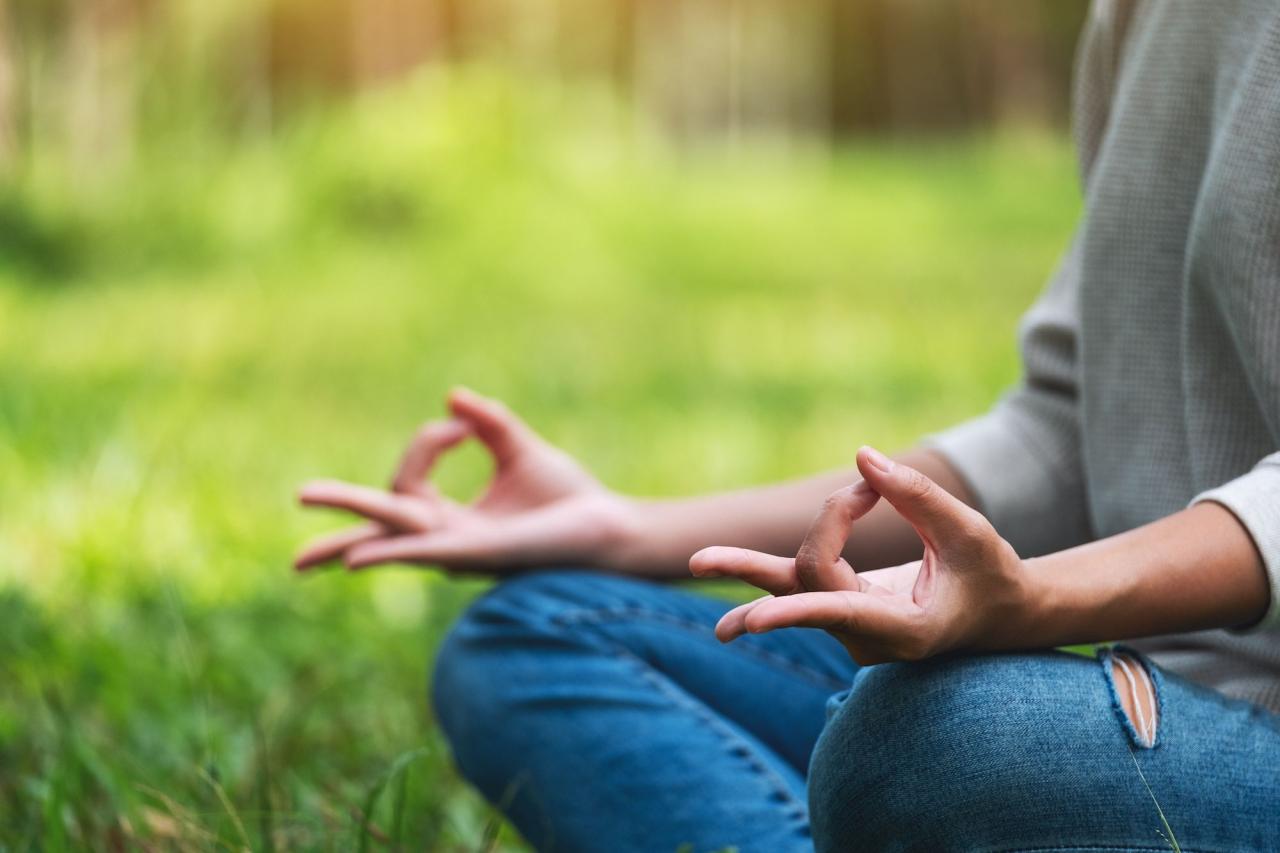
Engaging in mantra chanting can be a profoundly calming and centering practice, whether done silently within the mind or aloud. The method you choose influences the depth of your meditation experience, helping to focus the mind and deepen your connection to the mantra’s vibrational energy. Understanding the various techniques of chanting allows practitioners to select the approach that best aligns with their intentions and comfort levels, enhancing their meditative journey.Chanting mantras involves different techniques that serve specific purposes and suit diverse preferences.
These methods range from silent repetition to rhythmic vocalization, each offering unique benefits in cultivating concentration and spiritual focus. Proper practice, combined with awareness of these techniques, ensures that the chanting process remains effective, mindful, and free from distractions.
Silent and Vocal Chanting Procedures
Silent and vocal chanting are two primary approaches that practitioners utilize, each with its own set of procedures and benefits.
Silent Chanting:
- Find a comfortable seated position, ensuring your spine is erect and your body relaxed.
- Begin by taking deep, calming breaths to center your awareness.
- Mentally repeat the chosen mantra in your mind, focusing on the vibration and resonance of each syllable.
- Maintain a steady rhythm, allowing the mental repetition to become a rhythmic flow that helps quiet the mind.
- If your thoughts drift away, gently bring your attention back to the mental mantra without judgment.
Vocal Chanting:
- Position yourself comfortably with a clear voice, whether softly or loudly, depending on the setting and personal preference.
- Start by taking a deep breath, filling your lungs fully to support sustained vocalization.
- Speak the mantra aloud, enunciating each syllable clearly, maintaining a consistent pace.
- Use a gentle, rhythmic tone that facilitates concentration and vibration resonance within your body.
- Pause periodically to focus on the sound vibrations and their resonant effect, then continue as desired.
Chanting Techniques and Practices
Employing different chanting techniques can enrich the meditation experience and support sustained focus. The selection of a specific method can depend on personal preference, the environment, and spiritual objectives.
Various techniques include:
- Mala Repetition: Using a mala, a string of 108 beads, practitioners count each repetition of the mantra on a bead. This helps maintain a steady rhythm and prevents distraction, as counting becomes a tactile process that supports concentration.
- Rhythmic Chanting: Chanting the mantra aloud in a steady, rhythmic pattern promotes vibrational resonance and deepens the meditative state. The rhythm can be steady or variable, depending on the purpose.
- Breath-Synchronized Chanting: This technique involves aligning the mantra repetition with the inhalation and exhalation cycle. For example, silently repeating the mantra during inhalation and exhaling with a different syllable or simply maintaining the rhythm within each breath cycle. This integration fosters seamless unity between breath and vibration, leading to enhanced focus and tranquility.
Maintaining Focus and Avoiding Distractions
Achieving sustained concentration during mantra chanting is vital for the depth and effectiveness of the practice. Distractions may arise from external noise, wandering thoughts, or physical discomfort, but specific practices can help maintain focus.
Practices for focus include:
- Creating a dedicated, quiet space free from disturbances, allowing full immersion in the practice.
- Using a timer or a mala to count repetitions, which provides a tactile and visual anchor to stay engaged.
- Focusing on the vibrational quality of the mantra, feeling the sound resonate within your body, especially in the chest or throat area.
- Implementing gentle mental reminders, such as silently affirming, “Stay present,” whenever the mind drifts away.
- Practicing patience and gentle self-compassion, recognizing that distraction is a natural part of meditation, and returning attention without judgment fosters perseverance and progress.
- Incorporating breathing awareness, anchoring your attention with breath to stabilize and deepen your concentration.
Consistent practice with these techniques enhances mental clarity and helps cultivate a tranquil, focused state suitable for profound mantra meditation.
Duration and Frequency of Practice
Establishing an appropriate duration and consistent frequency for mantra chanting meditation is essential for experiencing its full benefits. While individual needs and schedules vary, setting clear guidelines helps practitioners develop a sustainable routine and deepen their meditative practice over time.Consistent and intentional practice fosters mental clarity, emotional stability, and spiritual growth. Whether you are a beginner or an advanced practitioner, understanding optimal session lengths and maintaining a regular schedule can significantly enhance your meditation journey.
Ideal Session Lengths for Different Experience Levels
Choosing the right duration for each meditation session depends on your experience, comfort level, and available time. Beginners should start with manageable periods to build familiarity and avoid fatigue, while advanced practitioners can extend sessions for deeper absorption.For beginners, a session length of approximately 10 to 15 minutes is ideal. This duration provides sufficient time to settle into the practice without feeling overwhelmed.
As comfort and concentration improve, gradually increase the duration by 5-minute increments every few weeks, aiming for 20 to 30 minutes per session.Advanced practitioners and those with extensive experience may meditate for 45 minutes to an hour or more, depending on personal goals and schedules. Longer sessions allow for deeper states of consciousness and heightened focus, but it’s essential to listen to the body’s signals and avoid overstimulation.
Weekly Practice Schedule Template
Maintaining a consistent weekly schedule ensures steady progress and reinforces meditation as a daily habit. Here is a sample template designed to accommodate different levels of practice:
- Beginners: Practice 5 days a week, with each session lasting 10-15 minutes. Allocate weekends for rest or optional shorter sessions of 5-10 minutes.
- Intermediate: Practice daily or 6 days a week, with sessions of 20-30 minutes. Incorporate longer sessions on weekends or days with more free time.
- Advanced: Practice daily for 45 minutes to 1 hour. Include occasional longer retreats or intensive sessions for deeper immersion.
To enhance consistency, set a specific time each day, such as early morning or late evening, aligning practice with daily routines. Using reminders or journaling progress can also reinforce commitment.
Signs of Progress and Gradual Practice Extension
Monitoring your progress helps in recognizing the benefits and adjusting your routine for optimal growth. Signs of effective practice include increased mental clarity, feelings of calmness, reduced stress levels, and a heightened sense of awareness.As your concentration and comfort improve, you may notice the following indicators:
- Longer periods of sustained focus on the mantra without distraction
- Less effort required to enter a meditative state
- Reduced frequency of mental chatter during practice
- Enhanced emotional resilience and a sense of inner peace
Gradually increase session duration by 5-minute intervals once these signs become consistent. For example, if you comfortably meditate for 15 minutes, add 5 minutes over the next week or two, aiming for 20 minutes, then progressively extend to 30 minutes or more. It is important to be patient and gentle with yourself during this process, ensuring that the practice remains a source of joy rather than a burden.
Incorporating Breathing and Visualization
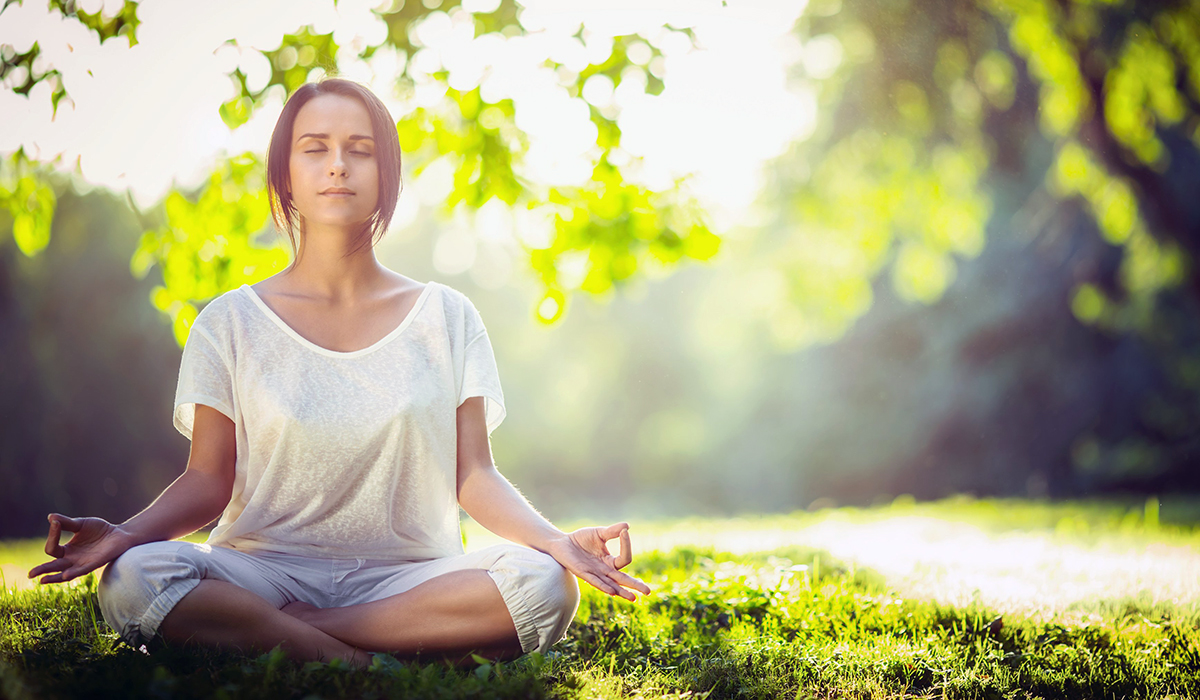
Meditation for mantra chanting becomes more profound and effective when complemented by proper breathing techniques and mental visualization. These practices help deepen concentration, calm the mind, and foster a more immersive meditative experience. Integrating conscious breathing and vivid mental imagery can elevate your practice, making it more centered and spiritually enriching.Breathing techniques serve as a foundation that harmonizes with mantra chanting, allowing the practitioner to establish a steady rhythm and inner calm.
Visualization, on the other hand, directs mental focus and enhances the connection between mind and mantra, leading to a more profound state of meditation.
Breathing Techniques that Complement Mantra Chanting
Breathing practices are essential in stabilizing the mind and creating a conducive environment for mantra meditation. Proper breath control can help you maintain a relaxed yet alert state, which is crucial for sustained focus during chanting sessions.The most widely recommended breathing technique is diaphragmatic or abdominal breathing. This method involves inhaling deeply through the nose, allowing the diaphragm to expand, and then exhaling slowly and completely.
This type of breathing activates the parasympathetic nervous system, resulting in relaxation and mental clarity.Another effective technique is ‘ujjayi’ or victorious breath, which involves slightly constricting the back of the throat during inhalation and exhalation, producing a gentle, ocean-like sound. Ujjayi enhances concentration and prolongs the breath, creating a rhythmic flow that aligns naturally with mantra chanting.A typical breathing cycle for meditation might include:
- Inhale gradually through the nose for a count of four.
- Pause briefly at the top of the breath.
- Exhale smoothly and steadily through the nose for a count of six.
- Maintain awareness of the breath’s rhythm, allowing it to be slow and steady.
This rhythm fosters mental stability and helps sustain the focus needed for mantra repetitions.
Visualization Methods to Enhance Concentration during Practice
Visualization techniques involve creating vivid mental images that support focus and deepen the meditative state. These images act as mental anchors, preventing the mind from wandering and reinforcing the intention behind your mantra practice.A common visualization is imagining a radiant light or divine presence at the center of the forehead or heart, which symbolizes spiritual awakening. Visualizing this luminous energy as growing brighter with each mantra repetition can energize your practice and foster a sense of divine connection.Another effective method is visualizing the mantra itself as a luminous symbol or sacred script floating before your closed eyes or within your mind’s eye.
As you chant, imagine this symbol pulsating with each syllable, thus integrating sight and sound into a unified focus.Examples of mental imagery include:
“Picture a gentle stream flowing steadily, representing the continuous, rhythmic chant of your mantra.”
“Visualize a blooming lotus, symbolizing purity and spiritual awakening, opening gradually with each repetition of the mantra.””Imagine a radiant sun at the core of your being, expanding and illuminating your entire consciousness as you chant.”These mental images not only deepen concentration but also invoke feelings of serenity, energy, and spiritual upliftment. Incorporating visualization transforms mantra chanting from mere repetition into a dynamic, multi-sensory meditation experience that fosters inner peace and heightened awareness.
Overcoming Challenges in Mantra Meditation
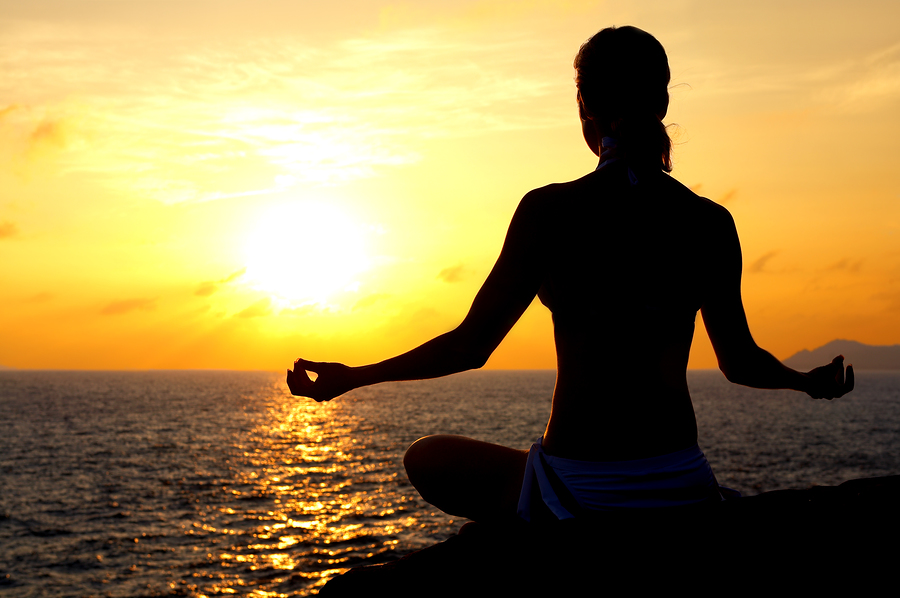
Mantra meditation is a profound practice that can bring tranquility, focus, and spiritual growth. However, practitioners often encounter obstacles that can hinder progress or diminish the experience. Recognizing and addressing these challenges is essential for cultivating a steady and enriching meditation routine. This segment explores common difficulties faced during mantra meditation, strategies to navigate them effectively, and tips for maintaining motivation and consistency over time.Effective meditation practice requires patience, self-awareness, and perseverance.
Challenges such as wandering thoughts and impatience are natural parts of the learning process. Developing practical approaches to overcome these hurdles can deepen your practice, leading to greater clarity and inner peace.
Addressing Wandering Thoughts
Wandering thoughts are among the most frequent obstacles in mantra meditation. The mind tends to drift into unrelated topics, memories, or worries, which can break concentration and cause frustration. To manage this, practitioners should cultivate gentle awareness without self-criticism, recognizing that the mind’s activity is normal and temporary.Strategies to refocus include:
- Using the mantra as a mental anchor, softly returning attention whenever distractions occur.
- Implementing a mental note such as “thinking” or “distracted” when noticing wandering thoughts, then gently bringing focus back to the mantra.
- Practicing mindfulness during daily activities to enhance concentration during meditation sessions.
Consistent practice helps strengthen mental discipline, making it easier to sustain focus and gradually reduce the frequency of distractions.
Managing Impatience and Frustration
Impatience and frustration often arise when progress feels slow or when the mind remains restless despite repeated efforts. Recognizing these feelings as part of the meditation journey encourages patience and compassion towards oneself. Techniques to address these emotions include:
- Setting realistic expectations about the pace of progress, understanding that meditation is a gradual process.
- Incorporating gentle affirmations such as,
“Every moment of practice is valuable,”
to foster a positive attitude.
- Practicing short, consistent sessions rather than extended periods, which can prevent overwhelm and foster a sense of achievement.
Maintaining a meditation journal can also be beneficial, allowing practitioners to track their experiences, notice improvements, and stay motivated.
Maintaining Motivation and Consistency
Sustained motivation is vital for long-term success in mantra meditation. When motivation wanes, the risk of inconsistency increases, which can impede progress. Establishing a supportive routine and environment helps reinforce commitment.Helpful tips include:
- Creating a dedicated meditation space that is quiet, comfortable, and free from distractions.
- Setting achievable goals, such as practicing at the same time each day or for a specific duration.
- Seeking community support through meditation groups or online forums to share experiences and encouragement.
- Reminding oneself of the benefits experienced, like increased calmness or clarity, to reinforce purpose.
- Incorporating variety in techniques, such as alternating between silent and guided chanting, to maintain interest.
Through consistent effort and a compassionate approach towards setbacks, practitioners can cultivate a resilient meditation habit that endures through life’s fluctuations.
Enhancing Practice with Additional Elements
Meditation and mantra chanting can be profoundly enriched by integrating supplementary elements that deepen focus, create a soothing environment, and personalize the experience. These enhancements serve not only to foster a more immersive practice but also to cultivate a sense of connection and mindfulness that extends beyond the meditation session itself.Incorporating ambient sounds, bells, or singing bowls can significantly elevate the meditative atmosphere by providing auditory cues that support concentration.
Additionally, blending mantra chanting into daily routines and exploring creative personalization methods can make the practice more engaging and meaningful.
Use of Ambient Sounds, Bells, and Singing Bowls
Ambient sounds and sound instruments have been used for centuries across various cultures to aid meditation by anchoring attention and facilitating relaxation. These elements introduce a gentle, continuous soundscape that minimizes external distractions and guides the mind into a calm, focused state.The use of bells and singing bowls is particularly popular in mantra meditation. The clear, resonant tones create a rhythmic backdrop that aligns with breath and chant cycles, enhancing concentration and vibrational energy.
For example, a Tibetan singing bowl produces a harmonic overtones that naturally draw the listener inward, supporting deeper meditative states. The moment of striking the bowl or ringing the bell can also serve as a signal for starting or ending a meditation session, reinforcing routine and mindfulness.
Integration of Mantras into Daily Life Routines
Bringing mantra practice into everyday activities helps sustain mindfulness and spiritual connection throughout the day. This integration involves consciously reciting or silently repeating mantras during routine tasks such as walking, commuting, or even during short breaks at work.Practitioners often find that setting specific moments during the day, like upon waking or before sleep, to recite their chosen mantra can reinforce intentions and maintain a state of calmness.
For example, repeating a calming mantra during a commute or while waiting in line transforms mundane moments into opportunities for meditation, making the practice a seamless part of daily life and fostering ongoing mindfulness.
Creative Ways to Personalize Mantra Chanting Practices
Personalization enhances engagement and emotional resonance with the mantra practice. Creative approaches can involve customizing the mantra itself, adapting the setting, or incorporating visual aids that reflect personal significance.One method is to select or craft mantras that resonate deeply with personal goals, values, or spiritual beliefs. For instance, a phrase that symbolizes compassion or resilience can be tailored to individual needs.
Visual aids such as inspirational images, symbols, or sacred objects placed nearby can deepen focus and create a sacred space.Another creative avenue is using rhythmic patterns or melodies to chant the mantra, transforming it into a musical or poetic form that appeals to personal sensibilities. Incorporating movement, such as gentle hand gestures or body postures aligned with the mantra, can also add a kinesthetic dimension, making the practice more dynamic and engaging.
These personalized elements foster a sense of ownership, making the practice more consistent and meaningful over time.
Last Recap
In conclusion, mastering how to meditate for mantra chanting offers a versatile pathway to mental calmness and spiritual growth. With consistent practice, guided by proper preparation and techniques, you can experience transformative benefits that extend beyond your meditation sessions. Embrace this timeless practice to cultivate inner harmony and enrich your overall well-being.