Discovering how to meditate for kundalini energy can unlock profound spiritual growth and inner awakening. This practice involves specific techniques that help activate and channel the dormant energy believed to reside at the base of the spine. Engaging in mindful meditation not only enhances spiritual awareness but also promotes emotional balance and physical well-being. Understanding the foundational aspects of kundalini meditation enables practitioners to harness this powerful energy safely and effectively.
Introduction to Kundalini Energy and Meditation
Kundalini energy is a profound spiritual force believed to reside dormant at the base of the spine. It is often referred to as the primal life energy that, when awakened, can lead to heightened consciousness, spiritual enlightenment, and profound personal transformation. Understanding this energy and how to cultivate it through meditation is central to many spiritual traditions seeking inner awakening and harmony.
Historically, Kundalini meditation has roots deeply embedded in ancient Indian spiritual practices, particularly within the traditions of Tantra, Kundalini Yoga, and certain schools of Hinduism and Buddhism. Over centuries, practitioners have developed systematic methods aimed at awakening this dormant energy, facilitating a journey toward self-realization and spiritual awakening. The practice involves specific postures, breathing techniques, and mental focus designed to activate and elevate Kundalini energy along the central energy channel, or Sushumna nerve, within the subtle body.
Relationship Between Meditation and Awakening Kundalini Energy
Meditation serves as a vital tool in awakening Kundalini energy by creating a focused, calm, and receptive mental state. Through consistent practice, meditation helps clear energetic blockages, align the chakras, and stimulate the flow of Kundalini along the spine. The following table summarizes key aspects of how meditation facilitates this awakening process:
| Aspect | Details |
|---|---|
| Focus and Intention | Meditation cultivates a concentrated mind and specific intention, which are crucial for directing Kundalini energy upward. Visualizations, mantras, and breath control are often employed to enhance this focus. |
| Activation of Chakras | Through meditation, practitioners activate and balance the chakras—energy centers along the spine—creating an environment conducive to Kundalini awakening. |
| Energy Flow Regulation | Meditative techniques help regulate the flow of prana (life energy), clearing blockages and allowing Kundalini to rise smoothly without causing physical or psychological distress. |
| Deep Inner Awareness | Meditation fosters heightened awareness of subtle energies, enabling practitioners to sense and guide Kundalini’s ascent consciously and safely. |
| Purification and Transformation | Regular meditation purifies the mind and body, removing negative tendencies and emotional blockages that could hinder or distort the awakening process. |
Techniques to Activate and Meditate on Kundalini Energy
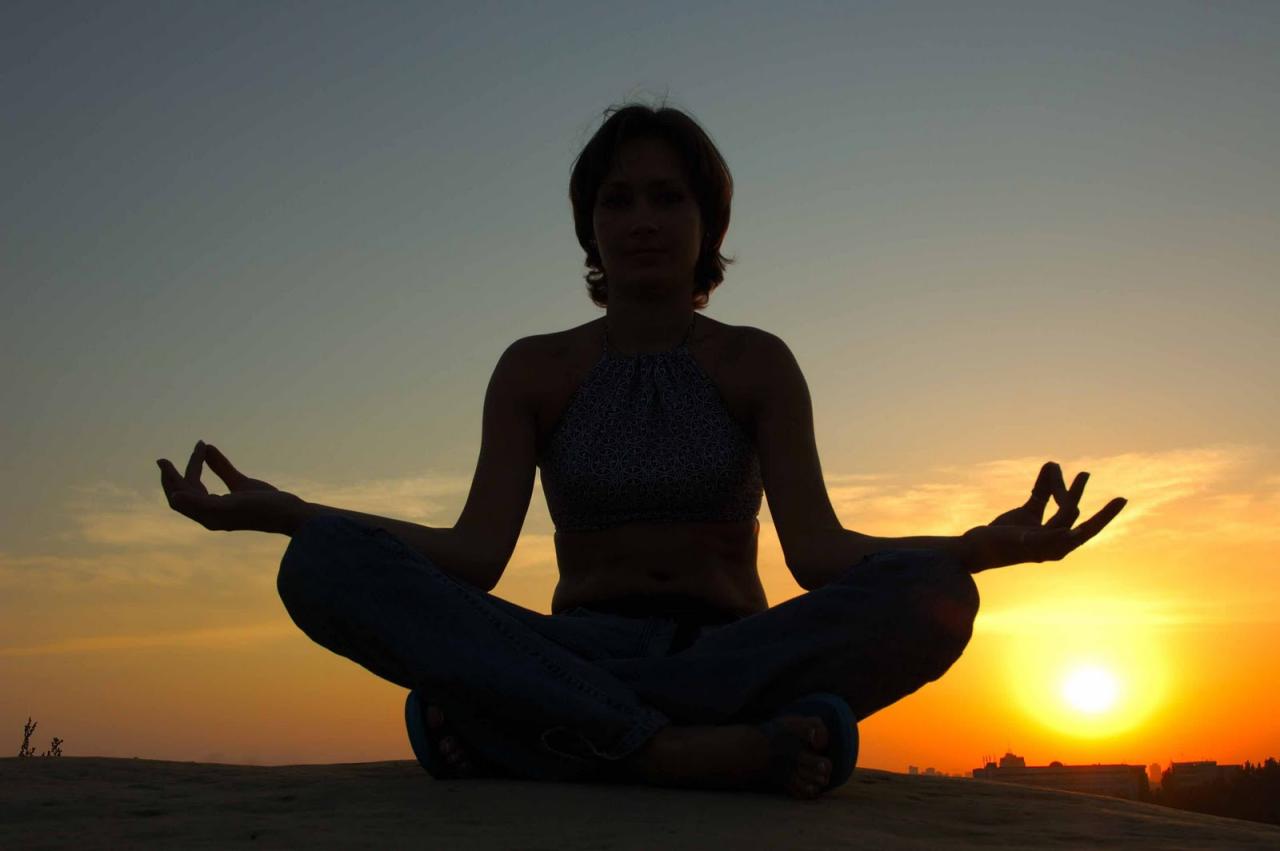
Activating and meditating on Kundalini energy involves specific practices that facilitate the awakening of dormant spiritual energy within the body. These techniques harness the power of visualization, breath control, and focus points to channel energy effectively through the chakras, leading to heightened consciousness and spiritual growth.
By integrating visualization, breath techniques, and targeted focus points, practitioners can create a harmonious flow of energy along the spinal column, awakening the dormant Kundalini and promoting profound inner transformation. The following methods serve as essential tools for those seeking to deepen their Kundalini meditation practice.
Chakra Visualization and Energy Flow Techniques
Chakra visualization is central to awakening Kundalini energy, as it helps focus the mind on specific energy centers, enabling smooth energy flow and activation. Visualization involves imagining each chakra as a vibrant, spinning wheel of light, with specific colors and qualities associated with each center. When combined with focused intention, this method encourages the upward movement of energy from the base of the spine to the crown chakra.
Practitioners should visualize the energy ascending through the central channel, known as the Sushumna, passing through each chakra in sequence. Enhancing this process, visualization of energy flowing like a luminous current facilitates the awakening of Kundalini, leading to increased vitality, clarity, and spiritual insight.
Breath Control Techniques (Pranayama) to Awaken Energy
Pranayama, the control of breath, is a vital component in activating Kundalini energy. Specific breathing techniques help energize the body, clear energetic blockages, and prepare the practitioner for deeper meditation. These techniques synchronize breath with mental focus, amplifying the flow of energy within the subtle body.
Popular pranayama methods for Kundalini awakening include:
- Kapalabhati (Skull-Shining Breath): Rapid, forceful exhalations followed by passive inhalations energize the frontal brain area and activate energy centers.
- Nadi Shodhana (Alternate Nostril Breathing): Balances the Ida and Pingala nadis, harmonizing the energy channels and preparing the practitioner for Kundalini ascent.
- Bhastrika (Bellows Breath): Deep, rhythmic inhalations and exhalations increase oxygen intake, stimulating energetic flow along the spine.
Consistent practice of pranayama enhances the vitality of the subtle energy system, making it an indispensable part of Kundalini meditation.
Focus Points During Meditation
The effectiveness of Kundalini meditation hinges on directing awareness to specific focus points within the body. These focus points serve as gateways for energy to ascend and circulate through the chakras, reinforcing the awakening process.
- Spinal Focus: Concentrating on the length of the spine helps align energy channels and facilitates the upward movement of Kundalini along the Sushumna Nadi.
- Root Chakra (Muladhara): Placing attention at the base of the spine grounds energy and initiates the awakening process.
- Crown Chakra (Sahasrara): Focusing on the top of the head opens the connection to higher consciousness and divine energy.
Maintaining a gentle yet sustained focus on these points ensures that energy flows smoothly, minimizing blockages and amplifying the awakening experience.
Step-by-Step Procedure for Kundalini Meditation
- Find a Comfortable Seat: Sit with a straight spine on a firm surface or meditation cushion, ensuring stability and alertness.
- Set an Intention: Clearly state your purpose for awakening Kundalini, fostering focus and dedication.
- Begin with Breath Control: Practice Nadi Shodhana to balance energy channels, inhaling through one nostril and exhaling through the other in a slow, rhythmic manner.
- Visualize the Root Chakra: Imagine a vibrant red wheel at the base of your spine spinning clockwise with each inhale, anchoring your energy.
- Engage in Chakra Visualization: Sequentially project visualizations of each chakra, from root to crown, imagining each as a luminous, spinning sphere of color and energy.
- Focus on Energy Movement: Visualize a luminous energy tube or current rising along the spine, carrying energy from the base to the crown with each breath cycle.
- Hold Focus at the Crown Chakra: Concentrate on the top of your head, imagining a brilliant lotus or a radiant sphere of white or violet light, opening the gateway to higher consciousness.
- Maintain Stillness and Awareness: Keep your attention steady on these focus points and visualization, allowing the energy to flow naturally.
- Close the Session: Gradually bring awareness back to your breath, gently releasing the visualization, and sit quietly for a few moments before concluding.
Visualizations and Mantras for Enhancing Kundalini Meditation

In the practice of Kundalini meditation, the use of vivid visualizations and powerful mantras can significantly deepen the experience and facilitate the safe activation of this dormant energy. These mental and vocal tools serve to focus the mind, channel divine energies, and accelerate spiritual awakening. When combined with correct breathing and posture, they become potent instruments for awakening and harmonizing Kundalini energy within the subtle body.
Effective visualization exercises often involve imagining serpents, divine symbols, or radiant energies moving along the spine, while mantras help to invoke specific vibrational frequencies that stimulate and channel Kundalini. Mastery over visualization and mantra recitation enhances concentration, purifies energetic pathways, and accelerates spiritual progress in Kundalini meditation practices.
Visualization Exercises for Kundalini Activation
Visualization exercises are central to strengthening the bond between consciousness and divine energies. One of the most common images involves visualizing a coiled serpent at the base of the spine—symbolizing Kundalini—gradually uncoiling and rising through the chakras. This process is often accompanied by imagining divine energies, such as golden or white light, ascending along the central channel (Sushumna Nadi). Another effective technique involves visualizing the divine feminine energy, Shakti, residing in the Muladhara chakra, awakening and ascending through each chakra, energizing and balancing the entire subtle system.
Focus on the serpent as a symbol of dormant power, awakening it through vivid imagery of coiling and expansion, aligning with your breath and intention.
Practitioners are advised to incorporate gentle, rhythmic breathing synchronized with these visualizations, imagining the energy rising and expanding with each inhale, and grounding with each exhale. Consistent practice helps to purify energetic blockages and energize the subtle channels, facilitating the safe and effective awakening of Kundalini.
Mantras for Stimulating and Channeling Kundalini Energy
Mantras are sacred sounds and vibrations used to stimulate specific chakras and direct Kundalini energy along the spiritual pathway. When recited with focused intention and proper pronunciation, mantras can activate dormant energies, purify the mind, and invoke divine blessings. They serve as energetic keys that unlock spiritual potential, aligning the practitioner with higher consciousness.
Popular mantras used in Kundalini meditation include the Bija (seed) mantras, which resonate at specific frequencies to activate chakras and Kundalini itself. These mantras are typically chanted aloud or silently, with awareness of their vibrational quality and sound resonance. Regular practice of mantra recitation enhances concentration, cultivates inner peace, and accelerates the awakening process.
Proper pronunciation and intonation are vital for maximizing the effectiveness of mantras, as the vibrational quality of sound influences the flow of energy within the subtle body.
In particular, the pronunciation should be clear and steady, with an emphasis on maintaining a consistent vibrational tone. Gentle, rhythmic chanting helps to synchronize mental states with divine energies, creating a harmonious environment for Kundalini activation.
Comparison of Popular Kundalini Mantras
| Mantra | Meaning | Usage Context |
|---|---|---|
|
Primordial sound representing the universe and consciousness | Universal mantra for grounding and connecting with divine energy in any meditation practice |
|
“Truth is my identity” | Enhances self-awareness and aligns the practitioner with the universal truth during Kundalini awakening |
|
Seed mantra for abundance, prosperity, and divine energy | Activates the divine feminine energy and facilitates flow of energy through the chakras |
|
Root chakra Bija mantra, associated with stability and grounding | Chanted during meditation to activate Muladhara chakra and initiate Kundalini awakening |
|
“I bow to Shiva,” representing divine consciousness and transformation | Used to invoke inner Shiva consciousness, facilitating spiritual awakening and Kundalini ascent |
Incorporating Kundalini Meditation into Daily Routine

Establishing a consistent daily practice of Kundalini meditation is essential for experiencing sustained spiritual growth and energy activation. Integrating meditation seamlessly into everyday life helps deepen awareness, enhances emotional resilience, and promotes overall well-being. Developing a well-structured routine ensures that the benefits of Kundalini meditation become a natural part of your lifestyle, fostering stability and progress over time.To effectively incorporate Kundalini meditation into your daily schedule, it is important to identify specific times, durations, and complementary practices that suit your lifestyle.
Consistency and mindfulness in practice create a fertile environment for energy awakening and mental clarity, allowing you to harness the full potential of Kundalini awakening.
Suggested Daily Meditation Schedules and Durations
Establishing a routine with a consistent schedule enhances discipline and accelerates progress in Kundalini meditation. Beginners may start with shorter sessions, gradually increasing duration as comfort and familiarity deepen.
- Morning Session: 15-20 minutes upon waking to set a positive tone for the day and align energy centers early.
- Afternoon Practice: 10-15 minutes in mid-day to refresh mental clarity and maintain energetic flow.
- Evening Meditation: 20-30 minutes before bedtime to integrate experiences, release stress, and prepare for restful sleep.
For sustained development, many practitioners find that dedicating at least 20-30 minutes daily yields noticeable improvements in energy awareness and emotional balance. It is important to adapt timeframes to personal schedules while maintaining consistency.
Integrating Meditation with Other Spiritual or Wellness Practices
Combining Kundalini meditation with complementary practices enriches the spiritual experience and enhances overall health. Incorporating physical yoga postures, breathwork (pranayama), or mindful walking can deepen energy flow and grounding.
- Yoga Asanas: Gentle postures focusing on spinal alignment and energy channels can prepare the body for meditation and facilitate energy movement.
- Breath Control Techniques: Practices such as Nadi Shodhana (alternate nostril breathing) or Ujjayi breath stimulate energetic pathways and balance emotions.
- Chanting and Mantra Recitation: Using specific mantras during meditation enhances concentration and activates particular chakras associated with Kundalini energy.
- Journaling or Reflection: Recording insights post-meditation helps track progress, recognize emotional shifts, and deepen self-awareness.
Integrating these practices into a holistic wellness routine supports sustained energetic awakening and emotional stability.
Maintaining Mental and Emotional Balance Post-Meditation
Post-meditation, it is vital to ground and stabilize the mind and emotions to prevent energetic imbalances. Techniques such as mindful breathing, gratitude practices, or gentle physical movement help anchor the energy.
- Practice deep diaphragmatic breathing for a few minutes to soothe the nervous system.
- Engage in positive affirmations or gratitude journaling to foster emotional resilience and clarity.
- Limit immediate exposure to stressful environments or negative stimuli after meditation, allowing energy to settle naturally.
- Spend time in nature or with calming activities like listening to soothing music to reinforce mental balance.
Maintaining emotional equilibrium supports ongoing energy flow, prevents fatigue, and promotes a balanced spiritual journey.
Examples of Journaling to Track Progress and Insights
Keeping a dedicated journal enhances self-awareness, documents energetic shifts, and provides motivation. Effective journaling involves noting experiences, sensations, thoughts, and insights gained during and after each session.
- Record the time of day and duration of each meditation session to identify patterns and optimal practices.
- Describe physical sensations such as tingling, warmth, or shifts in posture that relate to energy movement.
- Note emotional responses or mental states observed during meditation, such as feelings of bliss, clarity, or resistance.
- Write about insights, visions, or intuitive messages received during meditation to deepen understanding of personal spiritual goals.
- Track progress over weeks to observe growth, challenges, and areas needing focused attention.
Sample journal entry:
“Today, I meditated for 20 minutes upon waking. I experienced a gentle warmth rising from the base of my spine, accompanied by a sense of calm. I sensed some resistance in my throat chakra, which I focused on consciously releasing. Post-meditation, I felt more centered and emotionally balanced, ready to face the day with clarity.”
End of Discussion

Incorporating meditation techniques for kundalini energy into your daily routine offers a transformative journey toward self-discovery and spiritual elevation. By following proper preparation, visualization, and safety practices, you can foster a balanced and enriching experience. Remember, consistent practice coupled with patience and awareness is key to safely awakening and nurturing your kundalini energy, leading to a more enlightened and harmonious life.