Discovering how to meditate for forgiveness offers a transformative approach to healing emotional wounds and fostering inner peace. This practice guides individuals in releasing resentment and embracing compassion, ultimately enhancing mental clarity and emotional well-being. By integrating forgiveness meditation into your routine, you can cultivate a more compassionate and balanced outlook on life.
This comprehensive guide explores the significance of forgiveness within meditation, provides step-by-step instructions for practice, and offers techniques to deepen your experience. Whether you are new to meditation or seeking to enrich your existing routine, understanding how to meditate for forgiveness can be a powerful tool for personal growth and emotional resilience.
Understanding the Concept of Forgiveness in Meditation
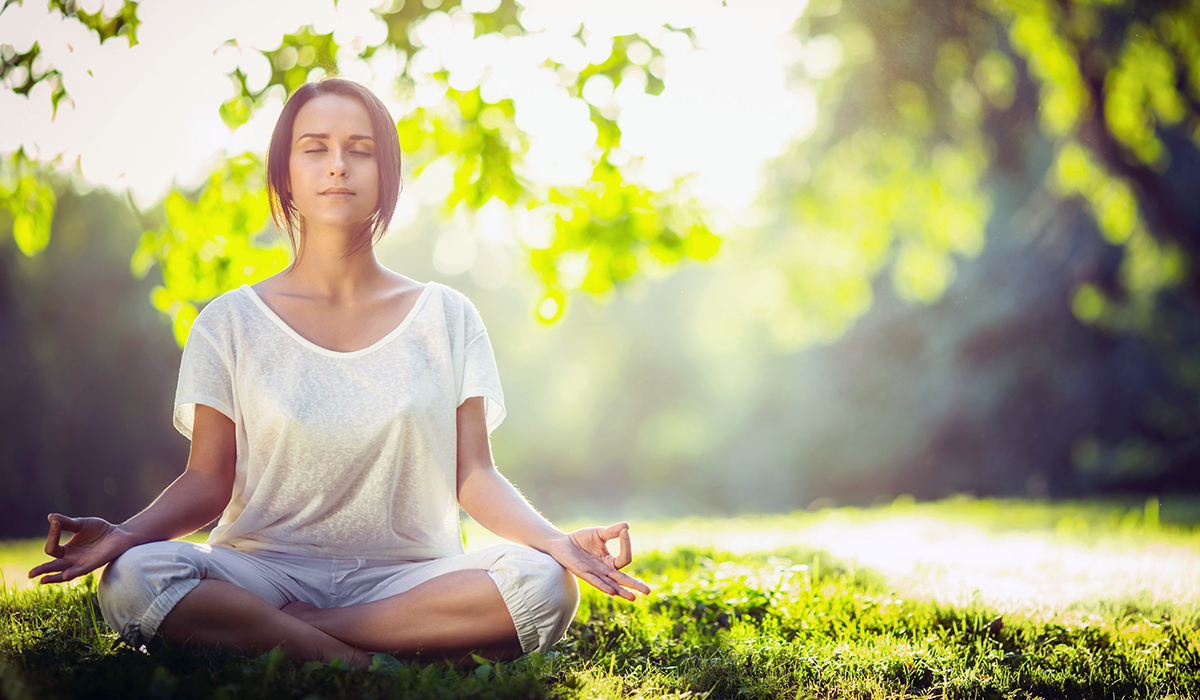
Forgiveness holds a fundamental place within meditation practices, serving as a vital tool for emotional healing and mental clarity. Embracing forgiveness allows individuals to release deep-seated resentment, anger, and pain, fostering a sense of peace and emotional freedom. In the context of meditation, this process becomes not only a mental exercise but a pathway toward inner harmony and holistic well-being.
By integrating forgiveness into meditation, practitioners can experience profound shifts in their emotional state. This practice facilitates the dissolution of negative emotions that often cloud judgment and hinder personal growth. Consequently, the Mind benefits from enhanced mental clarity, reduced stress, and a more compassionate outlook, contributing to overall psychological resilience and healthier interpersonal relationships.
Significance of Forgiveness in Meditation Practices
Forgiveness in meditation is more than a moral or spiritual concept; it is a therapeutic process that supports emotional detoxification. When individuals meditate on forgiveness, they engage in an intentional act of releasing grievances that may have accumulated over years or even decades. This act of releasing is transformative, helping to diminish feelings of bitterness and resentment that can manifest as physical and mental health issues, such as hypertension, anxiety, or depression.
Additionally, forgiveness enhances self-awareness by encouraging individuals to acknowledge their pain without judgment. This acknowledgment paves the way for healing and personal growth, enabling a person to move forward with a sense of liberation. The significance of forgiveness in meditation lies in its capacity to cultivate compassion—both towards oneself and others—creating a foundation for more harmonious relationships and emotional stability.
Impact of Forgiveness on Emotional Well-Being and Mental Clarity
Engaging in forgiveness-oriented meditation has been shown to have measurable benefits on emotional and mental health. Scientific studies indicate that practicing forgiveness reduces levels of cortisol, the stress hormone, thereby alleviating chronic stress and its associated health risks. Moreover, this practice fosters emotional resilience, allowing individuals to better cope with life’s challenges and setbacks.
From a psychological perspective, forgiveness meditation can lead to increased feelings of peace, gratitude, and compassion. These positive emotions contribute to decreased anxiety, depression, and hostility, creating a more balanced emotional landscape. Mentally, forgiveness enhances clarity by decreasing the cognitive load of negative thoughts, enabling clearer decision-making, improved concentration, and a greater sense of overall well-being.
Comparison of Forgiveness Meditation Versus Other Meditation Techniques
While many meditation practices aim to cultivate mindfulness, relaxation, or spiritual connection, forgiveness meditation specifically targets emotional healing through intentional focus on forgiveness. Understanding the distinctions helps practitioners choose techniques aligned with their personal growth goals.
Forgiveness meditation often involves visualization and active reflection, where individuals imagine releasing grievances or extending compassion to oneself and others. It tends to be more emotionally intensive, prompting feelings of empathy and understanding. Conversely, other meditation techniques, such as mindfulness or transcendental meditation, predominantly emphasize present-moment awareness, non-judgmental observation, and mantra repetition without necessarily addressing emotional reconciliation directly.
The primary difference lies in their objectives: forgiveness meditation explicitly aims to resolve emotional wounds and foster compassion, while other techniques may focus on stress reduction, concentration, or spiritual development. Both approaches, however, can complement each other, with forgiveness meditation serving as a powerful tool for emotional healing within a broader meditation practice.
Preparing for Meditation to Cultivate Forgiveness
Creating an appropriate environment and fostering a calm mindset are essential steps in preparing for meditation focused on forgiveness. Proper preparation enhances the effectiveness of the practice, allowing individuals to fully engage with feelings of compassion, understanding, and release. This process involves setting up a tranquil space, calming the body and mind, and gathering necessary tools that facilitate a focused and meaningful meditation session.
By thoughtfully preparing, practitioners can transition into their meditation with greater ease and openness, making it easier to access the emotional states conducive to forgiveness. This preparation also minimizes interruptions and distractions, ensuring that the meditation experience is as restorative and impactful as possible.
Organizing a Peaceful Meditation Environment
An environment conducive to forgiveness meditation is characterized by tranquility, comfort, and minimal distractions. The space should evoke a sense of safety and serenity, allowing individuals to relax and connect deeply with their inner feelings.
- Choose a quiet, well-ventilated area free from noise disturbances or interruptions. This could be a dedicated corner in your home, a peaceful garden, or a quiet room in a spiritual center.
- Maintain a comfortable temperature that encourages relaxation, avoiding extremes of heat or cold.
- Use soft, calming lighting, such as candles or dim lamps, to create a soothing atmosphere that supports inward focus.
- Remove clutter and unnecessary items from the space to promote clarity and peace of mind.
- Introduce elements of nature, such as fresh flowers, plants, or natural stones, to cultivate a connection with the earth and enhance tranquility.
Methods for Calming the Mind and Body Before Forgiveness Meditation
Preparing the mind and body involves practices that foster relaxation, reduce stress, and clear mental clutter. These methods create an optimal state for engaging in the emotional openness required for forgiveness work.
- Deep Breathing Exercises: Engage in slow, diaphragmatic breathing, inhaling deeply through the nose, holding the breath briefly, then exhaling slowly through the mouth. This activates the parasympathetic nervous system, promoting calmness.
- Progressive Muscle Relaxation: Systematically tense and then relax muscle groups, starting from the feet up to the face. This physical release reduces tension and enhances bodily awareness.
- Mindfulness or Body Scan Meditation: Focus attention on bodily sensations, observing without judgment. This practice anchors awareness in the present moment, helping to calm racing thoughts.
- Visualization Techniques: Imagine a peaceful place or scenario that evokes feelings of safety and serenity, such as a quiet beach or a lush forest. This visualization fosters relaxation and emotional openness.
- Gentle Movement or Stretching: Light yoga or stretching routines can loosen tense muscles and foster a gentle transition into meditation.
Checklist of Necessary Tools or Props to Enhance the Meditation Session
Having the right tools and props can support a comfortable and focused meditation experience. These items help create an environment that encourages relaxation and concentration, making it easier to cultivate forgiveness.
| Item | Purpose |
|---|---|
| Comfortable Meditation Seat or Cushion | Provides proper support for maintaining a relaxed and upright posture, preventing discomfort during extended meditation. |
| Quiet Timer or Bell | Assists in timing the meditation session without distracting visual cues; a gentle bell can signal the beginning and end. |
| Soft Lighting (Candles or Dim Lamps) | Creates a calming ambiance, reducing visual distractions and fostering emotional openness. |
| Incense or Essential Oils | Offers soothing aromas that can enhance relaxation and create a sacred atmosphere. |
| Blanket or Shawl | Provides warmth and comfort, especially in cooler environments, aiding in physical relaxation. |
| Journal or Reflection Paper | Allows for post-meditation reflection on feelings and insights related to forgiveness. |
Incorporating these elements thoughtfully into your meditation setup can significantly deepen your practice, supporting a heart-centered journey toward forgiveness and emotional healing.
Guided Steps on How to Meditate for Forgiveness
Engaging in a structured meditation session focused on forgiveness can be a transformative experience that promotes emotional healing and inner peace. This process involves mindful breathing, visualization, and the repetition of affirmations designed to foster compassion and release resentment. Guided steps serve as a practical tool to deepen your practice and effectively cultivate forgiveness within yourself.
By following a systematic approach, practitioners can navigate the emotional landscape associated with forgiveness, gradually replacing negative feelings with understanding and acceptance. The process may be adapted to individual needs, but maintaining consistency and sincerity is essential for meaningful results.
Structured Meditation Session for Forgiveness
This section Artikels a step-by-step guide to conducting a meditation session specifically aimed at fostering forgiveness. It combines breathing exercises, visualization techniques, and affirmations, structured in a clear flow to maximize effectiveness.
| Step | Action | Duration | Focus Point |
|---|---|---|---|
| 1. Preparation | Sit comfortably in a quiet space, ensuring your spine is straight and shoulders relaxed. | 2 minutes | Settle into a calm environment, close your eyes gently, and take initial deep breaths. |
| 2. Breathing Exercise | Inhale slowly through the nose, filling your lungs completely, then exhale softly through the mouth or nose. | 3-5 minutes | Focus on the rhythm of your breath, allowing any tension to melt away with each exhale. |
| 3. Visualization of Forgiveness | Imagine a person whom you wish to forgive. Visualize their face, and picture sending them compassion and understanding. | 5 minutes | See the person in a gentle, forgiving light, and imagine a radiant energy of forgiveness emanating from your heart toward them. |
| 4. Repeating Affirmations | Silently or softly recite specific phrases designed to reinforce forgiveness, such as “I release all resentment,” or “I choose compassion over anger.” | 5 minutes | Repeat affirmations with conviction, feeling their truth resonate within your heart and mind. |
| 5. Reflection and Integration | Spend a few moments reflecting on the feelings of peace and compassion generated during the session. Visualize this energy extending outward into your daily life. | 2-3 minutes | Allow the positive emotions to settle, and gradually bring awareness back to your surroundings. |
| 6. Closing | Gently wiggle your fingers and toes, open your eyes slowly, and take a deep breath to reorient yourself. | 1 minute | Conclude with gratitude for the practice and the newfound sense of forgiveness. |
The following detailed guidance ensures each step is practiced with mindfulness and intention, making the meditation more effective in cultivating genuine forgiveness. Regular practice of these structured steps can significantly influence emotional well-being and foster a more compassionate outlook.
Techniques to Deepen Forgiveness Meditation Practice
Enhancing your forgiveness meditation involves integrating specific techniques that foster deeper emotional understanding and release. These methods help to cultivate genuine compassion, reduce lingering resentment, and promote inner peace. Employing visualization, loving-kindness practices, and confronting emotional barriers can significantly strengthen your ability to forgive and move forward with clarity and heartfelt acceptance.
Deepening your practice requires awareness of inner emotional landscapes and the utilization of targeted techniques to navigate complex feelings. This process not only amplifies the effectiveness of forgiveness meditation but also supports emotional healing and personal growth over time.
Visualization and Loving-Kindness as Enhancement Methods
Visualization techniques involve creating mental images that evoke feelings of compassion, understanding, and forgiveness. By imagining the person who has caused hurt or envisioning a peaceful, forgiving state, practitioners can foster emotional release and openness. For example, visualizing a warm, golden light enveloping the individual or oneself during meditation can symbolize healing and acceptance.
Similarly, the loving-kindness (metta) approach centers on systematically cultivating feelings of goodwill toward oneself and others. Repeating phrases such as “May I be free from anger; may you be happy and at peace” can help dissolve negative emotions and replace them with genuine kindness. This practice gradually expands from oneself to loved ones, acquaintances, and even difficult individuals, creating a comprehensive foundation for forgiveness.
Addressing and Working Through Emotional Barriers
During meditation, emotional barriers such as anger, guilt, or resentment may surface, obstructing progress. Recognizing these barriers as natural and transient is essential. Techniques for working through these feelings include acknowledging them without judgment, allowing oneself to feel fully, and gently redirecting focus back to compassionate imagery or affirmations.
Practitioners can employ breathing exercises, such as deep diaphragmatic breathing, to calm heightened emotions. Additionally, journaling reflections post-meditation can assist in identifying persistent patterns or triggers, enabling targeted mental and emotional work outside the meditation session. Consistent practice in confronting and processing these barriers gradually transforms emotional resistance into understanding and forgiveness.
Comparative Table of Techniques for Deepening Forgiveness Meditation
| Technique | Description | Primary Benefit | Suitable Context |
|---|---|---|---|
| Visualization | Creating mental images that evoke compassion and healing, such as imagining light or warmth surrounding the person or oneself. | Enhances emotional connection, accelerates feelings of forgiveness, and promotes internal peace. | When visual imagery resonates strongly and aids emotional release. |
| Loving-Kindness (Metta) Practice | Systematic repetition of phrases wishing happiness, health, and peace to oneself and others, gradually expanding outward. | Reduces hostility, fosters unconditional compassion, and broadens emotional capacity for forgiveness. | Ideal for cultivating genuine empathy and overcoming persistent resentment. |
| Emotional Acknowledgment and Processing | Recognizing and allowing oneself to fully experience emotions such as anger or guilt, then consciously releasing them. | Facilitates emotional catharsis, prevents suppression, and deepens forgiveness. | Useful when emotional barriers are strongly felt or surface during meditation. |
| Breathing Techniques | Utilizing deep, diaphragmatic breathing to calm the nervous system and create space for emotional work. | Reduces physiological tension, enabling clearer focus on forgiveness processes. | Effective during moments of emotional overwhelm or agitation. |
| Journaling and Reflection | Writing down thoughts and feelings post-meditation to identify triggers and patterns related to forgiveness challenges. | Promotes insight, self-awareness, and targeted emotional healing efforts. | Complementary activity outside meditation sessions to reinforce emotional release. |
Incorporating Forgiveness Meditation into Daily Routine
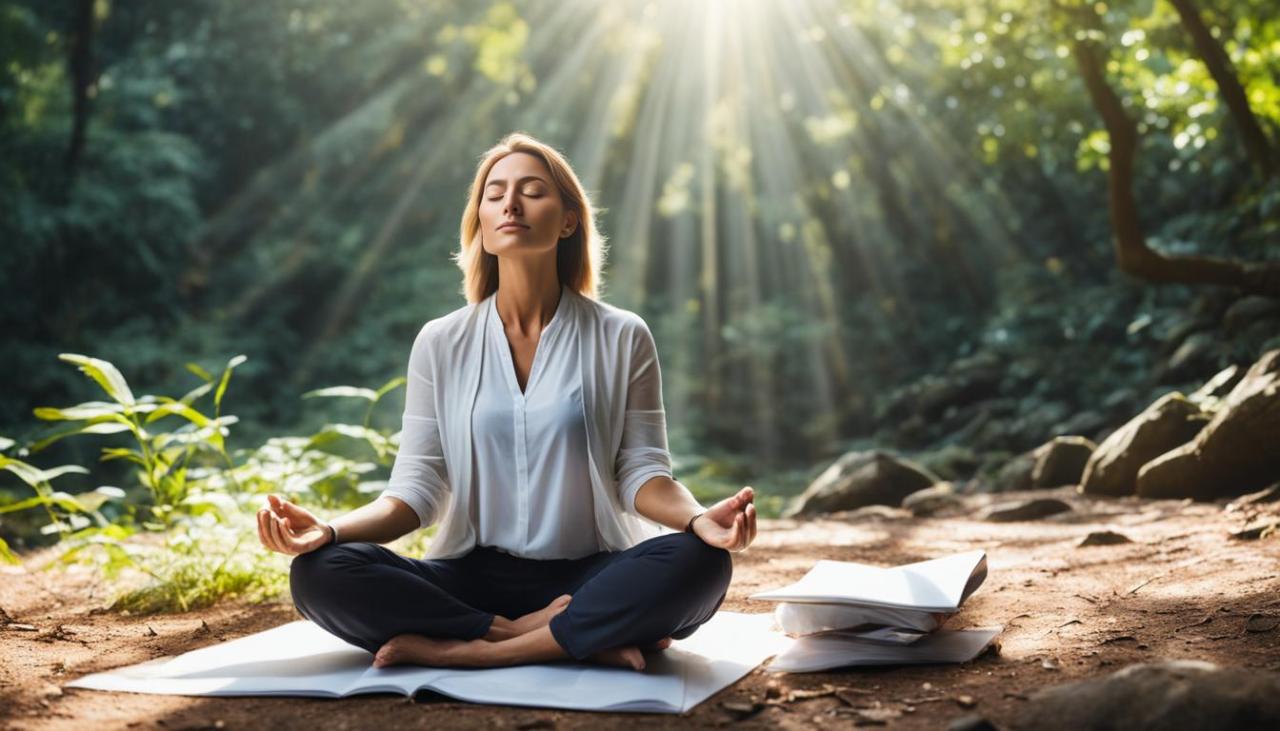
Establishing a consistent practice of forgiveness meditation can significantly enhance emotional well-being and foster a more compassionate outlook. Integrating this practice seamlessly into everyday life ensures that its benefits become an ongoing part of personal growth and mental clarity. Developing a routine not only cultivates discipline but also deepens the effectiveness of forgiveness meditation over time, helping to promote a sustained sense of peace and emotional resilience.Maintaining a regular meditation schedule requires intentional planning and dedication.
Consistency is key to experiencing the cumulative benefits of forgiveness meditation, which include reduced stress, improved mood, and a healthier perspective on interpersonal relationships. By creating a structured routine, individuals can transform forgiveness meditation from an occasional activity into a habitual and integral part of their daily life.
Establishing a Consistent Meditation Schedule
Developing a structured timetable for forgiveness meditation involves selecting specific times that align with personal daily rhythms and commitments. Consistency helps reinforce the habit, enabling the mind to anticipate and prepare for the practice.
- Choose a specific time each day, such as morning or evening, that allows for focused attention without interruptions.
- Allocate a dedicated space for meditation that is quiet, comfortable, and free from distractions, fostering a conducive environment for reflection.
- Set reminders or alarms to prompt the initiation of meditation sessions, especially during the initial stages of habit formation.
- Start with short sessions—around 5 to 10 minutes—and gradually increase duration as the practice becomes more ingrained.
Consistency in timing and environment helps create a rhythm that supports ongoing commitment and makes forgiveness meditation a natural part of daily life.
Integrating Forgiveness Meditation into Morning or Evening Routines
Incorporating forgiveness meditation into existing routines enhances its sustainability and ensures it becomes a meaningful part of daily self-care. The morning setting can serve as a fresh start, fostering a mindset of compassion and openness for the day ahead. Alternatively, evening practice allows for reflection, emotional release, and preparation for restful sleep.Morning routines benefit from forgiveness meditation by setting positive intentions for the day, promoting patience, understanding, and emotional balance.
Before engaging in daily responsibilities, a brief session can cultivate a sense of calm and readiness.Significantly, evening routines provide an opportunity to release any accumulated tension or resentment. Reflecting on the day’s events through forgiveness meditation can facilitate emotional closure, reduce stress, and promote a peaceful sleep cycle.
- Integrate a 5-10 minute forgiveness meditation session before starting daily activities or after waking up to set a compassionate tone for the day.
- Incorporate forgiveness meditation into bedtime routines, perhaps after winding down from electronic devices and prior to sleep, to promote emotional cleansing and relaxation.
- Pair meditation with other calming activities, such as gentle stretching or deep breathing exercises, to deepen relaxation and mindfulness.
Supportive Activities and Practices Complementing Forgiveness Meditation
To enhance the benefits of forgiveness meditation, engaging in supplementary activities can reinforce its principles and foster emotional resilience. These practices work synergistically to deepen forgiveness, promote self-awareness, and cultivate a compassionate mindset.Some effective supportive practices include:
- Journaling: Writing about feelings of resentment or hurt before or after meditation helps articulate emotions and track progress in forgiveness.
- Gratitude exercises: Regularly listing things one is grateful for can shift focus from grievances to positive aspects of life, supporting a forgiving attitude.
- Mindful breathing: Practicing deep, slow breaths during or outside meditation sessions enhances relaxation and centers attention on the present moment.
- Affirmations: Repeating positive statements related to forgiveness and compassion, such as “I release resentment and embrace understanding,” can reinforce a forgiving mindset.
- Engaging in acts of kindness: Volunteering or performing simple acts of compassion extend the principles of forgiveness into daily interactions, strengthening emotional growth.
Combining these activities with forgiveness meditation creates a holistic approach to emotional health, fostering ongoing compassion and inner peace.
Overcoming Common Challenges in Forgiveness Meditation
Forgiveness meditation can be a transformative practice, yet it often encounters emotional and mental obstacles that may hinder progress. Recognizing and addressing these challenges is essential to cultivating genuine forgiveness and maintaining a consistent practice. Many practitioners face feelings of resistance, emotional discomfort, or wandering thoughts, which can impede their ability to stay focused and open-hearted during meditation sessions.Understanding these obstacles allows individuals to develop effective strategies to navigate them, fostering patience and perseverance.
Overcoming such challenges often requires a compassionate attitude towards oneself, the use of specific techniques, and a commitment to gradual progress. By confronting and managing these common hurdles, practitioners can enhance their forgiveness journey and achieve deeper emotional healing.
Managing Emotional Resistance and Discomfort
Emotional resistance can manifest as feelings of anger, resentment, or sadness resurfacing during meditation. These emotions are natural responses when confronting painful past experiences or hurtful memories. To manage this resistance, it is crucial to approach the practice with self-compassion and patience. Setting the intention to observe feelings without judgment allows emotions to surface and release gradually.Incorporating gentle breathing exercises prior to meditation can help ease emotional tension.
Acknowledge and validate these feelings rather than suppressing them, understanding that they are part of the healing process. If intense emotions arise, taking a brief pause or focusing on grounding techniques can provide relief, enabling a smoother transition back into forgiveness meditation.
Maintaining Focus and Patience
Distractions and wandering thoughts are common during meditation, especially when practicing forgiveness, which can evoke deeply rooted memories. Maintaining focus requires consistent effort and the use of specific mindfulness techniques. Gentle reminders to return attention to the breath or mantra can help anchor the mind.Practicing patience involves understanding that progress in forgiveness is often gradual and non-linear. It is beneficial to set realistic expectations and celebrate small victories, such as moments of clarity or emotional release during sessions.
Developing a regular meditation schedule and creating a peaceful environment can also enhance concentration and foster a sense of calmness conducive to deepening forgiveness.
Motivational Tips and Affirmations for Persistence
Encouragement and positive reinforcement play a vital role in sustaining a forgiveness meditation practice. Practitioners should regularly remind themselves of the benefits, including emotional liberation and peace of mind. Using affirmations reinforces commitment and cultivates resilience during challenging moments.Below are some motivational tips and affirmations to support perseverance:
- Remember that forgiveness is a process, and each session brings you closer to healing.
- Practice self-compassion when difficulties arise; progress takes time.
- Visualize a peaceful, forgiving state as a reward for your effort.
- Affirmations such as
“I am capable of forgiving myself and others,”
or
“With patience and compassion, I heal.”
foster positive mindset shifts.
- Maintain a meditation journal to track progress and reflect on breakthroughs, reinforcing motivation.
By integrating these strategies and affirmations into your routine, you can overcome emotional and mental challenges, steadily advancing on your path of forgiveness through meditation.
Examples and Illustrations of Forgiveness Meditation Scenarios
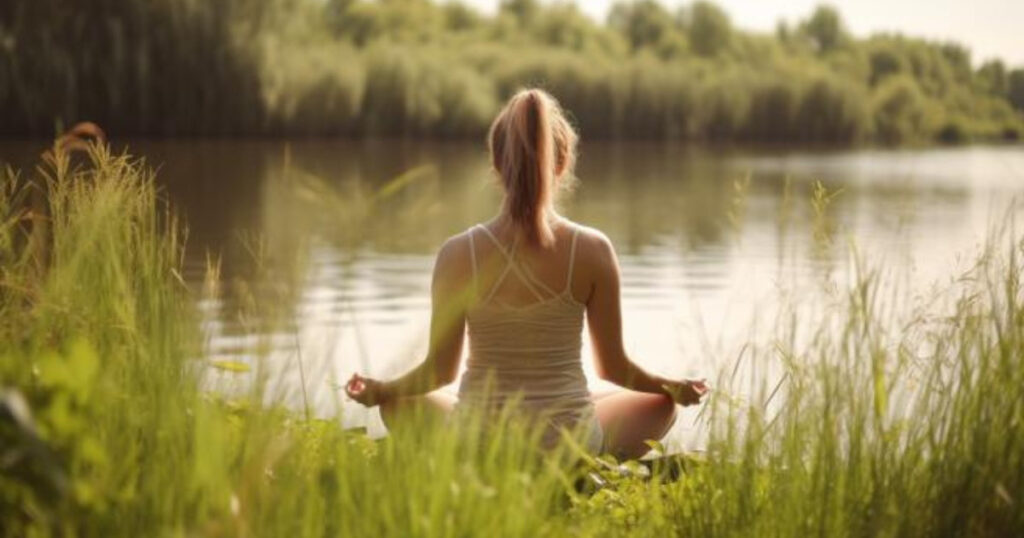
Forgiveness meditation often involves visualizing specific situations or individuals to foster empathy, release negative emotions, and cultivate inner peace. These scenarios serve as powerful tools to evoke feelings of compassion and understanding, making the practice more tangible and impactful. By engaging the imagination in these detailed contexts, practitioners can deepen their connection to forgiveness and experience emotional healing more profoundly.Understanding these illustrative examples provides clarity on how to adapt forgiveness meditation to various personal experiences.
Each scenario is crafted to help evoke empathy, reduce resentment, and promote genuine forgiveness through visualization and intentional focus. The following detailed examples are designed to guide practitioners through common emotional situations where forgiveness can be beneficial, helping them to develop a compassionate perspective and a sense of peace.
Scenario: Forgiving a Family Member for a Past Hurt
Imagine a situation where a family member, perhaps a parent or sibling, unintentionally caused emotional pain through words or actions. Visualize this person standing before you in a peaceful and safe space, perhaps in a quiet garden or a serene room. Focus on their face, noticing any expressions of remorse or vulnerability. As you visualize, quietly repeat affirmations such as,
“I acknowledge your intentions and your feelings. I choose to forgive.”
Allow your heart to soften as you imagine the emotional burden lifting from both of you. Envision a stream of warm, golden light flowing from your heart to theirs, symbolizing healing and understanding, fostering genuine compassion and releasing lingering resentment.
Scenario: Forgiving Someone Who Caused Personal Betrayal
Visualize a moment where someone betrayed your trust—perhaps a close friend or partner. Picture this individual in a setting that feels safe and neutral, such as a calm lakeside or a peaceful park. Observe their face and body language, noticing any signs of regret or remorse. As you breathe deeply, silently affirm,
“I release the pain and choose forgiveness. I see your humanity and acknowledge our shared imperfections.”
Imagine wrapping them in an invisible, warm embrace made of compassion and understanding. Visualize the emotional pain dissolving into the surroundings, replaced by a sense of acceptance and peace. This visualization helps diminish feelings of anger and promotes emotional reconciliation within yourself.
Scenario: Forgiving Yourself for Past Mistakes
This scenario involves turning inward, visualizing yourself as a compassionate observer. Picture yourself in a safe, peaceful environment—perhaps sitting beside a gentle river or in a quiet forest. Focus on your face, acknowledging the mistakes and regrets you carry. Imagine gently placing these burdens into a small boat or a basket, symbolizing release. Silently repeat,
“I forgive myself for my past actions. I am deserving of peace and compassion.”
Visualize the boat drifting away across the water, carrying away guilt and self-criticism. Feel the lightness and liberation that come with forgiving yourself, fostering self-compassion and emotional healing.
Scenario: Forgiving a Colleague or Acquaintance for a Workplace Conflict
Envision a professional setting where a disagreement or misunderstanding occurred. Picture this colleague standing before you in a neutral space, perhaps in a well-lit conference room or an open office area. Observe their demeanor, noting any signs of remorse or openness to reconciliation. As you focus on your breathing, silently affirm,
“I release resentment and choose understanding. I see the situation with clarity and compassion.”
Visualize a gentle dialogue between you, exchanging words of forgiveness and mutual respect. Imagine an invisible thread of harmony connecting your hearts, symbolizing emotional reconciliation and the easing of tension. This scenario encourages moving beyond conflict to foster peace and empathy in professional relationships.
Final Summary
Incorporating forgiveness meditation into your daily life can lead to profound emotional liberation and inner harmony. By practicing regularly and overcoming common challenges, you pave the way for lasting healing and increased compassion. Remember, patience and persistence are key as you embark on this meaningful journey toward forgiveness and self-awareness.