Discovering effective ways to meditate as a family can significantly enhance relationships and foster a harmonious home environment. Incorporating meditation into daily routines offers a peaceful refuge amid busy lives, helping family members connect on a deeper level and address conflicts with understanding and patience.
This guide explores practical steps to prepare for family meditation, various techniques suitable for all ages, and ways to strengthen bonds through shared mindfulness practices. Embracing these methods can lead to lasting harmony and a supportive family atmosphere.
Introduction to Meditation for Family Harmony

Meditation serves as a powerful tool to cultivate a harmonious family environment by fostering emotional connection, patience, and understanding among family members. When practiced collectively, meditation can transform the dynamics within a household, creating a sanctuary of peace and mutual respect. It offers a gentle way to address the emotional challenges that often lead to conflicts, providing a foundation for healthier communication and deeper bonds.
Implementing meditation routines within the family setting encourages shared tranquility and mindfulness, which can significantly reduce misunderstandings and frustrations. Over time, consistent practice nurtures a sense of unity and resilience, enabling families to navigate stressors with greater ease. Establishing a dedicated meditation routine strengthens long-term relationships by promoting empathy, emotional regulation, and collective well-being, ultimately leading to a more peaceful and supportive home environment.
The Benefits of Meditation in Fostering Family Relationships
Regular meditation practice can profoundly impact family relationships by enhancing emotional intelligence and patience. It helps family members become more aware of their own feelings and reactions, which fosters empathy and reduces impulsive responses during disagreements. Meditation also encourages active listening and presence, essential qualities for nurturing understanding and support within the family unit.
Evidence suggests that families who engage in shared meditation sessions report increased harmony, better conflict resolution, and a stronger sense of connection. For instance, families practicing mindfulness together often experience less hostility and more positive interactions, creating a foundation of emotional safety and trust. By integrating meditation into daily life, families cultivate an environment where every member feels heard, valued, and understood.
Addressing Common Family Conflicts through Meditation
Many family conflicts stem from stress, miscommunication, and unresolved emotions. Meditation provides a calm and centered approach to managing these issues by promoting emotional regulation and perspective-taking. When family members learn to meditate individually or together, they develop skills to pause and respond thoughtfully rather than react impulsively.
Practicing mindfulness can help family members recognize triggers of frustration and address them with patience and compassion. For example, during a disagreement, a brief meditation session can help everyone cool down, regain composure, and approach the problem with a clearer mind. Over time, this practice builds resilience in handling conflicts constructively, fostering a peaceful and cooperative household atmosphere.
The Importance of Establishing a Family Meditation Routine
Consistency is key to experiencing the full benefits of meditation within a family context. Establishing a regular meditation schedule helps integrate mindfulness as a natural part of daily life, making it easier for family members to develop their practice and sustain it over the long term.
A structured routine encourages discipline and commitment, which can lead to cumulative benefits such as increased patience, emotional stability, and unity. For example, setting aside a specific time each morning or evening for family meditation creates a shared space for relaxation and reflection, promoting a collective sense of calm and purpose. As the practice becomes habitual, families often find that their interactions become more positive, misunderstandings decrease, and a peaceful home environment is maintained more effortlessly.
Preparing for Family Meditation
Establishing a peaceful and inviting environment is essential for a successful family meditation session. Proper preparation not only fosters a calming atmosphere but also encourages active participation from all family members, regardless of age. Thoughtful planning ensures that the meditation experience becomes a cherished family ritual that promotes harmony, understanding, and relaxation.Creating a suitable meditation space involves more than just selecting a quiet corner; it requires attention to comfort, ambiance, and accessibility for everyone involved.
Involving children and elderly family members in the preparation process enhances their engagement and fosters a collective sense of ownership and tranquility. Additionally, choosing the right time for meditation—when the family is most relaxed and available—maximizes participation and effectiveness.Below are the key steps and considerations for preparing an ideal environment for family meditation.
Creating a Calming Meditation Space Suitable for All Family Members
To establish a serene environment conducive to meditation, follow these steps:
- Identify a quiet, clutter-free area in the home, such as a corner of the living room, a spare room, or even a garden space. The area should be free from distractions and interruptions.
- Ensure the space is comfortable by adding cushions, mats, or a soft rug. Comfort encourages longer and more relaxed meditation sessions.
- Modify the lighting to be soft and gentle. Use natural light during the day or incorporate lamps with warm bulbs to create a soothing ambiance.
- Introduce calming elements such as fresh plants, flowers, or subtle decorations that promote tranquility. Avoid overstimulating or busy patterns that may distract.
- Maintain good ventilation to ensure fresh air circulation, which enhances relaxation and focus.
Involving Children and Elderly Members in Meditation Preparations
Engaging all family members in setting up the meditation space fosters a sense of participation and respect. Here are effective methods:
- Assign age-appropriate tasks, such as decorating the space with drawings or placing cushions, to children and elderly family members. This involvement makes the space more personalized and inviting.
- Encourage children to choose calming colors or decorations that appeal to them, helping to create a sense of ownership and comfort.
- Invite elderly members to suggest modifications for comfort and mobility, such as adding supportive cushions or chairs suitable for their needs.
- Hold a brief family discussion to gather input on preferred elements like scents (e.g., lavender or chamomile), sounds, or lighting, ensuring everyone’s preferences are considered.
Guidelines for Selecting Appropriate Meditation Times
Choosing the optimal time for meditation ensures consistent participation and a more effective practice. Consider these guidelines:
Choosing a time when the family is naturally relaxed, such as after dinner or early in the morning, helps establish a routine that fits seamlessly into daily life.
- Schedule sessions during periods of low activity or stress, avoiding times just before or after meals, to maximize comfort and focus.
- Coordinate with family members to identify windows when everyone is available and least likely to be disturbed.
- Maintain consistency by selecting a specific day and time each week, fostering habit formation and anticipation.
- Be flexible to adjust timing if unforeseen commitments or energy levels change, ensuring the meditation remains a positive experience.
Items Needed for a Family Meditation Session
A well-prepared meditation environment benefits from the right tools. The following table Artikels essential items to facilitate a comfortable and calming session:
| Item | Purpose | Examples |
|---|---|---|
| Cushions or Mats | Provides comfort and proper posture | Floor cushions, yoga mats, soft rugs |
| Soft Lighting | Creates a calming ambiance | Table lamps with warm bulbs, Himalayan salt lamps, candles (unscented or lightly scented) |
| Calming Music or Nature Sounds | Enhances relaxation and focus | Ambient music, recordings of ocean waves or forest sounds |
| Scents or Aromatherapy | Promotes a soothing environment | Lavender or chamomile essential oils in a diffuser |
| Timer or Bell | Signals meditation start and end | Gentle chime timer, traditional bell |
| Decorative Elements | Enhances aesthetic appeal and calmness | Small plants, calming artwork, spiritual symbols |
Incorporating these items thoughtfully creates an inviting space where family members can settle into their practice with ease, fostering a collective experience that nurtures family harmony and emotional connection.
Techniques for Meditating as a Family
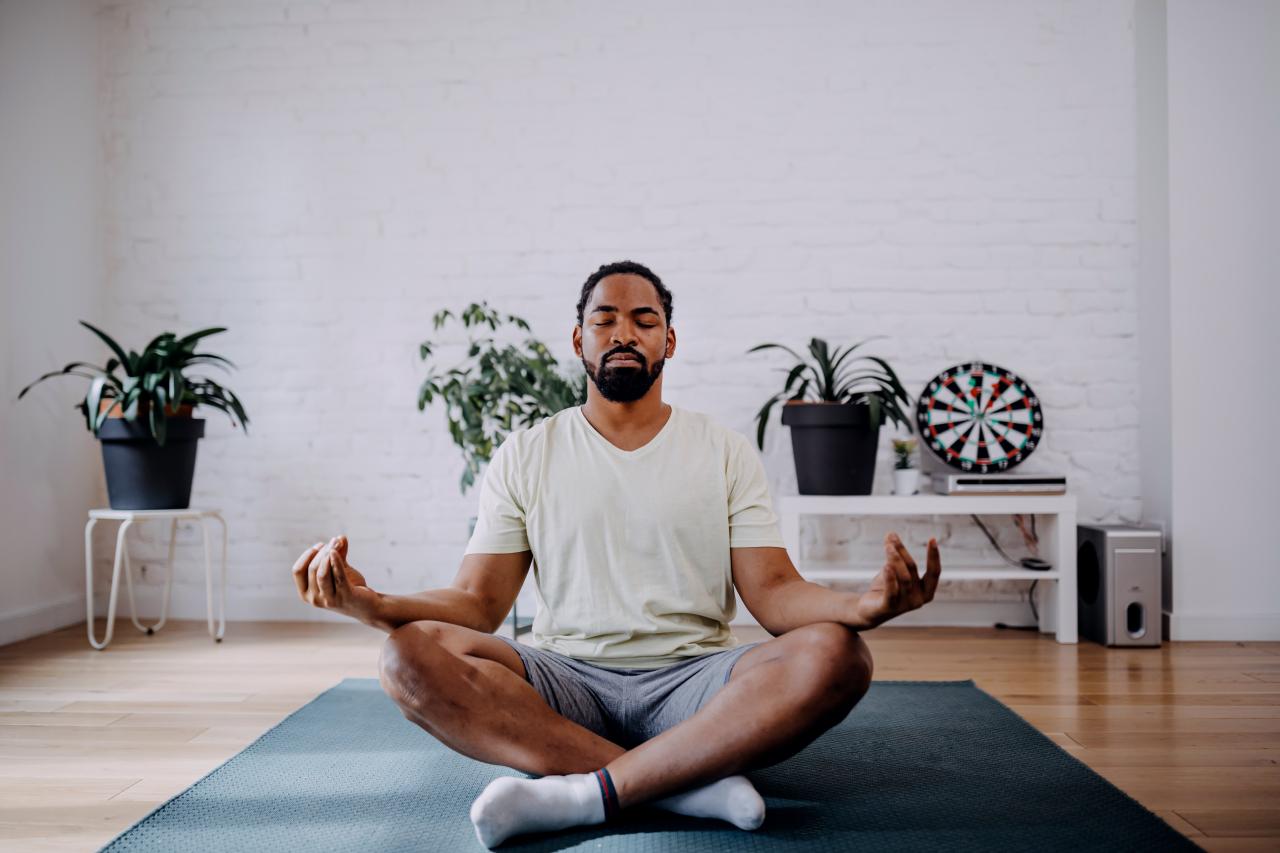
Engaging in meditation as a family offers an enriching opportunity to foster connection, understanding, and emotional balance among its members. By exploring various meditation techniques suitable for diverse ages and preferences, families can create a harmonious environment grounded in mindfulness and compassion. Different techniques serve unique purposes and resonate differently within each family, making it beneficial to understand their distinctions and applications.Meditation techniques suitable for families include guided imagery, breathing exercises, and loving-kindness meditation.
Each method has its strengths in promoting emotional well-being, patience, and mutual respect, which are essential components of family harmony. Employing these techniques regularly can help family members develop better coping strategies, enhance communication, and build a deeper sense of unity.
Guided Imagery
Guided imagery involves visualizing calming and positive scenes led by a facilitator or a recorded guide. It encourages imagination and helps family members relax deeply, reducing stress and fostering empathy.
- Begin by selecting a peaceful environment where everyone can sit comfortably without distractions.
- Encourage each family member to close their eyes or soften their gaze, focusing on their breath.
- The facilitator then describes a tranquil scene, such as walking through a forest, sitting by the ocean, or floating among clouds, inviting vivid mental images.
- Participants are encouraged to engage all their senses—notice the sights, sounds, smells, and feelings associated with the scene.
- Conclude by gently returning attention to the present moment, sharing reflections if desired.
Breathing Exercises
Breathing exercises are straightforward, effective, and adaptable for all ages, making them an excellent choice for family meditation sessions. These practices help regulate the nervous system, enhance concentration, and promote emotional balance.
Family members can practice simple breathing techniques such as diaphragmatic breathing, box breathing, or counting breaths. These exercises can be easily adapted for children by making them playful or incorporating visual aids, like imagining blowing up a balloon or blowing out candles.
- Sit comfortably with everyone in a circle or around a shared space.
- Guide the family to inhale slowly through the nose, filling the lungs completely, then exhale gently through the mouth or nose.
- Encourage a steady, even rhythm—such as inhaling for four counts, holding for four, and exhaling for four.
- Repeat for several minutes, emphasizing mindfulness of breath and bodily sensations.
- For children, incorporate fun elements like pretending to blow out candles or blowing bubbles with their breath.
Loving-Kindness Meditation
Loving-kindness meditation cultivates feelings of compassion, warmth, and goodwill towards oneself and others, making it highly suitable for families seeking to nurture mutual respect and understanding.
- Begin by sitting comfortably and taking a few deep breaths to center the mind.
- Start by silently repeating phrases such as “May I be happy, may I be healthy, may I be safe, may I live with ease.”
- Gradually extend these wishes to each family member, visualizing them and silently offering loving-kindness to each.
- Include others beyond the family, such as friends, neighbors, or even those with whom conflicts may exist.
- Encourage children to express their good wishes in words or through drawings if they find it easier than silent repetition.
Conducting a Simple Family Meditation Session
Implementing a family meditation session requires planning, patience, and adaptability to ensure everyone feels comfortable and engaged. Creating a routine can foster consistency and deepen the practice.
To conduct an effective family meditation, consider the following steps:
- Choose a quiet, comfortable space where the family can sit undisturbed for 10-15 minutes.
- Set a regular time, such as after dinner or before bedtime, to establish consistency.
- Explain the purpose and process of meditation simply and positively, emphasizing relaxation and connection.
- Use age-appropriate language and techniques; for younger children, incorporate playful elements like imagining favorite animals or nature scenes.
- Begin with a brief introduction, such as a simple breathing exercise or a short guided imagery session.
- Encourage everyone to sit comfortably, close their eyes or gaze softly, and focus on their breath or the guided content.
- Conclude the session by gently bringing everyone back to the present moment, sharing positive feelings or reflections if desired.
Steps to Lead a Group Meditation with Diverse Ages and Preferences
Facilitating a family meditation that includes members of various ages and preferences involves sensitivity and flexibility. Here are key steps to effectively lead such sessions:
- Begin with a welcoming and calming introduction to set a relaxed atmosphere.
- Explain the activity in simple, inclusive language, highlighting the benefits for everyone.
- Offer choices, such as guided imagery or breathing exercises, allowing family members to select what resonates with them.
- Use visual aids or props, like soft cushions, calming music, or visual guides, to enhance engagement.
- Maintain a gentle and patient tone throughout, encouraging participation without pressure.
- Keep sessions brief initially, gradually increasing duration as family members become more comfortable.
- Incorporate movement or playful elements for children, like gentle stretches or imaginative visualizations.
- Finish with a moment of shared appreciation or a simple affirmation, fostering a sense of unity.
Promoting Connection and Communication During Meditation
Engaging in family meditation offers a unique opportunity to deepen bonds and foster open-hearted communication among family members. By creating an environment of shared experience, families can nurture understanding, empathy, and mutual support. Encouraging honest expression during and after meditation sessions helps translate mindful awareness into everyday interactions, strengthening the overall harmony within the household.Effective communication during family meditation involves intentional practices that invite each member to participate actively and authentically.
These practices serve as a bridge for family members to share insights, feelings, and reflections, thus promoting emotional connection and understanding. Incorporating mindfulness into daily interactions further reinforces the peaceful and empathetic atmosphere cultivated during meditation, making harmony a consistent aspect of family life.
Methods to Encourage Shared Experiences and Open Communication
Creating a supportive environment that emphasizes safety and non-judgment encourages family members to share their internal experiences. Guided meditation sessions can include moments for each individual to voice their thoughts or feelings, which fosters a sense of collective participation. Additionally, family members can be invited to express what they noticed or appreciated during meditation, helping to reinforce positive reflections and mutual acknowledgment.Family meditation sessions can also incorporate shared activities such as group breathing exercises or visualizations that promote unity.
After meditation, family members might engage in open dialogues, using gentle prompts to explore their insights or emotional responses. These conversations should be rooted in active listening, where each person feels heard and valued, thus strengthening communication pathways.
Facilitating Expression of Feelings and Insights
Encouraging family members to articulate their feelings or insights gained from meditation helps deepen individual self-awareness and collective understanding. Creating a designated safe space for sharing assures that each voice is respected and appreciated. Family members can be prompted to reflect on questions such as, “What did you notice about your feelings today?” or “Did any thoughts stand out during meditation?”Using simple affirmations or phrases can help family members feel more comfortable expressing themselves.
For example, affirming statements like,
“Your feelings are valid,”
or
“It’s okay to have different experiences,”
promote acceptance and openness. Recognizing and validating each person’s perspective nurtures emotional safety, encouraging ongoing honest communication.
Incorporating Mindfulness into Daily Family Interactions
Extending mindfulness beyond structured meditation sessions into everyday family routines helps sustain a harmonious atmosphere. Simple practices such as mindful listening during conversations, pausing before responding, or expressing gratitude can significantly enhance mutual respect and understanding. These small, consistent efforts foster an environment where every family member feels heard and appreciated.Encouraging moments of shared mindfulness, such as mindful walking or eating, further integrates meditation principles into daily life.
Setting aside brief periods during the day for collective breathing exercises or silent reflection can serve as gentle reminders of the calm and compassion cultivated through meditation. Over time, these practices build a resilient foundation for family harmony.
Family Meditation Affirmations and Discussion Statements
The use of affirmations and discussion statements during family meditation sessions can reinforce positive messages and facilitate meaningful conversations. The following table provides a range of expressions and prompts that can be adapted to suit different family dynamics:
| Type | Expression / Prompt |
|---|---|
| Affirmation | “I am open to understanding others.” |
| Affirmation | “Our family is a source of love and support.” |
| Affirmation | “Each of us has unique strengths to contribute.” |
| Sharing Prompt | “What feelings did you notice during meditation?” |
| Sharing Prompt | “Did any thoughts or insights come to your mind?” |
| Reflection Prompt | “How can we support each other better?” |
| Celebratory Affirmation | “Thank you for sharing your feelings with kindness.” |
| Encouragement | “Let’s practice being present together every day.” |
Utilizing these affirmations and prompts regularly during family meditation or mindfulness moments can reinforce feelings of connection, trust, and mutual understanding, ultimately nurturing a harmonious family environment.
Overcoming Challenges in Family Meditation Practice

Engaging in family meditation can be a deeply rewarding experience that fosters connection, calmness, and mutual understanding. However, it often presents unique challenges that require patience, flexibility, and strategic approaches to overcome effectively. Recognizing common obstacles and implementing tailored solutions can help families maintain a consistent and meaningful meditation routine that adapts to their diverse needs.Meditation within a family setting involves varying attention spans, differing levels of interest, and occasional resistance from members, especially children or those unfamiliar with meditative practices.
Addressing these challenges proactively ensures that the practice remains a positive and enriching experience for everyone involved.
Common Obstacles and Practical Solutions
Families often encounter specific hurdles that can disrupt their meditation routine or diminish its benefits. Understanding these obstacles allows for the development of effective strategies to mitigate them, ensuring that meditation remains a sustainable and enjoyable activity.
- Distractions in the environment: External noise, interruptions, or clutter can divert attention during meditation sessions. To minimize these, choose a quiet, comfortable space dedicated to family meditation and establish simple rules to reduce interruptions, such as silencing devices or informing other household members of meditation times.
- Differing attention spans: Age-related differences can make it challenging for all family members to stay focused simultaneously. Incorporate short, varied sessions tailored to each age group, and use engaging techniques like guided imagery or storytelling to maintain interest.
- Resistance or reluctance: Some family members may be hesitant or resistant to participate regularly. Respect individual comfort levels, introduce meditation gradually, and highlight its benefits in ways that resonate personally, such as stress relief or improved sleep.
Strategies for Maintaining Motivation and Consistency
Building a sustainable family meditation practice depends largely on motivation and consistency. Implementing intentional strategies can help reinforce the habit and foster a positive attitude toward meditation as a family activity.
- Set a regular schedule: Establishing consistent meditation times creates a routine that members can anticipate and look forward to, whether daily or several times a week.
- Make it enjoyable: Incorporate elements that appeal to the entire family, such as fun breathing exercises, gentle music, or themed sessions around seasons or holidays.
- Celebrate progress: Acknowledge and praise consistent participation or milestones, fostering a sense of achievement and reinforcing the value of the practice.
- Lead by example: Family members who see others actively participating and benefitting are more likely to stay motivated themselves.
Adapting Meditation Practices for Different Family Dynamics and Ages
Flexibility in meditation practices ensures that they are inclusive and accessible to all family members, regardless of age, personality, or family structure. Tailoring sessions to accommodate unique family dynamics enhances participation and enjoyment.
- For young children: Use playful approaches such as guided visualizations involving animals or favorite stories, and keep sessions brief to match their attention span.
- For teenagers and adults: Incorporate mindfulness techniques that address specific stressors, such as academic pressure or work-related stress, and encourage shared reflection afterward.
- In diverse family structures: Respect cultural or spiritual differences by integrating practices that align with family values, or develop neutral activities emphasizing universal themes like breath or gratitude.
- For busy schedules: Opt for shorter, more frequent sessions rather than lengthy practices, ensuring consistency without overwhelming family members.
Flexibility and patience are key to cultivating a family meditation practice that grows and adapts with your family’s evolving needs and dynamics.
Enhancing Family Bonds Through Meditation Activities
Family meditation activities serve as a powerful tool to nurture deeper connections, foster empathy, and cultivate a sense of unity among members. These activities not only promote relaxation and mindfulness but also create meaningful shared experiences that strengthen emotional ties. Engaging in intentional meditation routines can transform family dynamics, encouraging open communication, mutual respect, and collective wellbeing.Creating opportunities for interactive and participatory meditation activities encourages family members to work together, share feelings, and develop a greater understanding of each other’s perspectives.
Incorporating gratitude and forgiveness practices within these routines can significantly enhance emotional resilience and promote a harmonious household environment.
Interactive Meditation Activities for Teamwork and Empathy
Engaging in shared meditation exercises can harness the collective energy of the family, promoting empathy and teamwork. These activities often involve guided visualizations, breathing exercises, or mindful listening practices that require cooperation and attentiveness.Examples of such activities include:
- Guided Compassion Meditation: Family members sit in a circle, and one person guides the group through visualizing sending kindness and compassion to each member, fostering empathy and emotional connection.
- Partner Breathing Exercises: In pairs, family members synchronize their breathing patterns, enhancing attunement and non-verbal communication.
- Group Body Scan Meditation: The family collectively practices a body scan, where each member reports areas of tension or relaxation, promoting mindfulness and understanding of physical and emotional states.
These exercises build trust, improve emotional awareness, and reinforce the importance of supporting one another.
Procedures for Creating Family Meditation Rituals
Establishing consistent meditation rituals helps embed mindfulness practices into daily life, strengthening family bonds over time. A well-designed routine combines intentionality with flexibility, allowing all members to participate comfortably.Key steps include:
- Designate a specific time each day or week dedicated to family meditation, ensuring consistency and predictability.
- Create a peaceful, inviting space within the home that is free from distractions, fostering a sense of safety and focus.
- Introduce simple meditation techniques initially, gradually incorporating more diverse practices as the family becomes more experienced.
- Encourage shared reflections post-meditation, allowing family members to express their feelings and insights, reinforcing emotional connection.
- Integrate rituals such as lighting a candle, playing calming music, or sharing a gratitude moment before or after meditation, enriching the routine’s significance.
These rituals serve as anchors that remind families of their collective intention to nurture harmony and understanding.
Role of Gratitude and Forgiveness Practices in Family Meditation
Incorporating gratitude and forgiveness into family meditation routines fosters emotional healing and cultivates a positive household atmosphere. Regularly practicing gratitude helps family members appreciate each other’s contributions, while forgiveness releases built-up resentment, paving the way for renewal and understanding.Practices include:
- Gratitude Meditation: Family members take turns expressing what they are thankful for, either silently or aloud, during meditation sessions, reinforcing appreciation and positive feelings.
- Forgiveness Visualization: Guided meditations encourage members to visualize forgiving past grievances and releasing negative emotions, fostering compassion and emotional freedom.
- Shared Gratitude Journals: Post-meditation, families can maintain journals where each member notes daily moments of gratitude, promoting ongoing awareness of positivity in daily life.
These practices facilitate emotional reconciliation, deepen mutual understanding, and promote a resilient family foundation rooted in appreciation and forgiveness.
Family-Centered Meditation Exercises and Their Benefits
Engaging in diverse mindfulness exercises tailored for families enhances emotional bonds, improves communication, and nurtures empathy. These exercises are designed to be accessible and enjoyable, encouraging regular participation.Some effective family meditation exercises include:
- Gratitude Circle: Family members sit together and share one thing they are grateful for, strengthening positive communication and appreciation.
- Empathy Practice: Role-playing exercises where members express how they feel in certain situations, fostering understanding and compassion.
- Silent Sitting with Shared Intent: Family members sit quietly in a circle, collectively setting an intention for harmony, love, or patience, uniting their focus and purpose.
- Nature-Focused Meditation: Practicing mindfulness outdoors, such as observing sounds, sights, and sensations in nature, encourages shared appreciation for the environment and each other.
The benefits of these exercises include enhanced emotional resilience, better conflict resolution skills, increased patience, and a deeper sense of familial connection, all contributing to a harmonious household environment.
Ultimate Conclusion

Incorporating meditation into family life provides a powerful pathway toward understanding, compassion, and unity. By establishing routines, practicing effective techniques, and fostering open communication, families can create a nurturing environment where everyone feels valued and connected. Embrace these practices to build a harmonious and resilient family bond that lasts for generations.