Discovering how to meditate for confidence can be a transformative journey toward greater self-assurance and inner strength. Meditation offers a powerful tool to align your mental state with positive beliefs, fostering a sense of self-worth and resilience. By integrating meditation techniques into daily routines, individuals can unlock their potential, reduce self-doubt, and cultivate a more confident mindset.
This guide explores effective methods to prepare, practice, and refine meditation routines aimed at boosting confidence. From guided visualizations and affirmations to overcoming common challenges, you’ll learn how to harness the power of meditation to build unwavering self-trust and presence.
Introduction to Meditation for Confidence

Meditation, a practice rooted in mindfulness and focused awareness, has long been recognized as a powerful tool for enhancing mental clarity and emotional stability. When it comes to building confidence, meditation serves as a means to cultivate inner strength, self-awareness, and resilience. By engaging in regular meditation sessions, individuals can develop a more positive self-image and bolster their belief in their abilities.
Connecting meditation to confidence involves understanding how it influences mental states associated with self-assurance. Through consistent practice, meditation helps in reducing negative self-talk, managing anxiety, and fostering a calm and centered mindset. These changes contribute significantly to a person’s ability to face challenges with greater self-belief and composure. The benefits extend beyond momentary calmness, leading to a lasting enhancement of confidence levels that permeate various aspects of life, from personal relationships to professional pursuits.
Impact of Meditation on Mental States Related to Self-Assurance
Meditation influences critical mental states that underpin self-confidence, including emotional regulation, self-awareness, and resilience. By quieting the mind and reducing intrusive negative thoughts, meditation creates space for positive affirmations and constructive self-reflection. This process helps individuals recognize their strengths and diminish self-doubt.
Moreover, meditation encourages the development of mindfulness, which enhances the ability to stay present and avoid being overwhelmed by fears or uncertainties about future performance. This mental clarity fosters a sense of control and mastery over one’s thoughts and feelings, key components in feeling confident. Scientific studies have demonstrated that regular meditation can lead to structural brain changes—such as increased gray matter in regions responsible for self-awareness and emotional regulation—further supporting its role in confidence building.
Benefits of Practicing Meditation to Enhance Confidence
Engaging in meditation as a confidence-boosting practice offers numerous advantages that can positively impact various facets of life. These benefits include:
- Enhanced Self-Awareness: Meditation helps individuals identify and challenge limiting beliefs, fostering a more positive self-perception.
- Reduced Anxiety and Stress: Lower stress levels create a more favorable mental environment for confident decision-making and social interactions.
- Improved Emotional Resilience: Regular practice strengthens the ability to recover from setbacks and maintain a steady self-assured outlook.
- Increased Focus and Clarity: Meditation cultivates mental clarity, enabling better concentration on goals and reducing self-doubt.
- Greater Presence and Authenticity: Being present in the moment encourages genuine interactions and a more confident demeanor.
For example, a professional who meditates daily may find themselves less affected by workplace criticisms and more capable of presenting ideas assertively. Similarly, students practicing meditation often report increased self-esteem and reduced performance anxiety, resulting in improved academic and social confidence.
Preparing for Meditation Practice
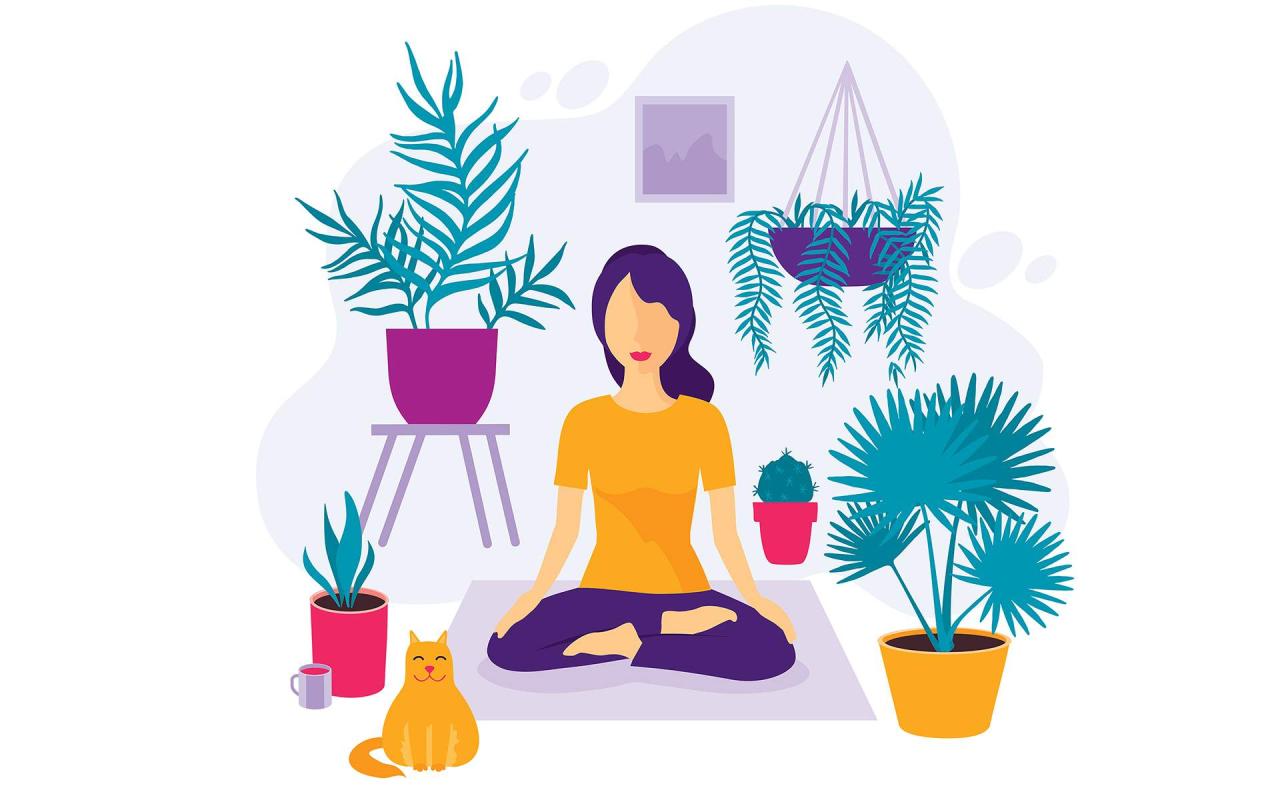
Establishing a tranquil and supportive environment is fundamental to cultivating confidence through meditation. Proper preparation enhances focus, fosters relaxation, and creates an inviting space that encourages consistency in your practice. Thoughtful planning ensures that each session contributes positively to your journey toward greater self-assurance.
Creating the right setting involves assessing your physical surroundings, selecting appropriate materials, and establishing a routine that seamlessly integrates meditation into your daily schedule. These elements work together to strengthen your commitment, deepen your experience, and promote lasting confidence benefits.
Establishing a Calming Meditation Environment
Developing a dedicated space free from distractions is essential for effective meditation. The environment should evoke a sense of tranquility, allowing your mind to relax and focus on cultivating confidence. Consider the following steps:
- Choose a quiet area where external noise is minimized, such as a corner of a room or a secluded outdoor space.
- Ensure the space is clean, clutter-free, and visually soothing, perhaps with calming elements like soft lighting or natural decor.
- Suppress potential interruptions by turning off electronic devices or informing others of your meditation time.
- Use calming scents such as lavender or chamomile through diffusers or candles to enhance relaxation.
Essential Materials and Settings
Having the right materials and setup can significantly improve your meditation sessions. While meditation largely relies on your mental state, the following materials support a more effective practice:
| Material | Purpose |
|---|---|
| Comfortable Seating | A cushion, meditation bench, or chair that supports an upright yet relaxed posture to facilitate alertness and comfort. |
| Timer | To set a consistent duration for meditation without the need to check the clock repeatedly, helping maintain focus. |
| Quiet Background Sound (Optional) | Soft ambient music or nature sounds can enhance relaxation, provided they do not distract from concentration. |
| Journal or Reflection Notebook | For recording insights, progress, and reflections post-meditation, reinforcing confidence-building thoughts. |
Integrating Meditation into a Routine
Consistency is key to experiencing the confidence-boosting effects of meditation. Establishing a regular routine ensures that meditation becomes an integral part of daily life. Consider the following guidelines:
- Set a specific time each day, such as early morning or evening, to build habit and predictability.
- Start with manageable sessions, like 5 to 10 minutes, gradually increasing duration as comfort and familiarity grow.
- Use reminders or alarms to prompt meditation sessions and reinforce commitment.
- Pair meditation with other confidence-enhancing activities, such as affirmations or visualization exercises, for a holistic approach.
Maintaining a dedicated schedule not only enhances consistency but also cultivates discipline, reinforcing your sense of self-efficacy and confidence over time.
Guided Meditation Techniques for Confidence
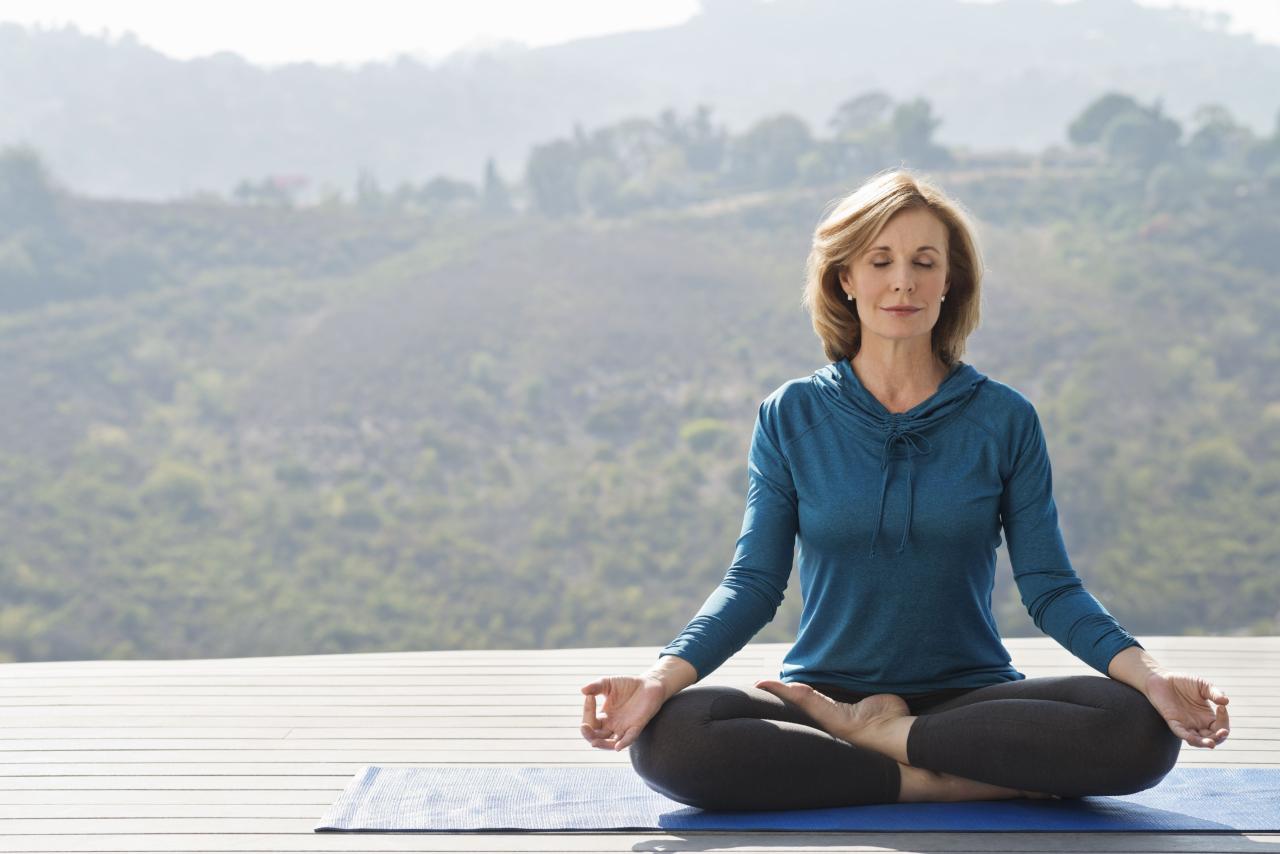
Developing a sense of confidence through meditation involves structured techniques that focus on positive affirmations, visualization exercises, and deep breathing practices. These methods serve as powerful tools to reinforce self-belief, reduce self-doubt, and cultivate a resilient mindset. Guided meditations provide a supportive framework, allowing individuals to deepen their connection with their inner strength and foster a lasting sense of confidence in various aspects of life.Effective guided meditation sessions leverage the power of language, imagery, and breathing to activate the subconscious mind.
By consistently practicing these techniques, participants can reprogram negative thought patterns and replace them with empowering beliefs. The following sections detail specific methods that can be incorporated into your meditation routine to enhance self-esteem and confidence.
Positive Affirmations and Self-Belief
Positive affirmations are concise, empowering statements designed to influence the subconscious mind positively. When used in guided meditation, they help reinforce beliefs about one’s abilities and worth.To maximize their effectiveness:
- Begin by finding a comfortable seated or lying position, ensuring the body is relaxed and free from distractions.
- Close your eyes and focus on your breath, taking slow, deep inhales through the nose and exhales through the mouth to center your awareness.
- Once relaxed, repeat affirmations silently or aloud, such as “I am confident,” “I believe in myself,” or “I am capable of achieving my goals.”
- Visualize these affirmations as glowing words or symbols that fill your mind and body with positive energy.
- Repeat this cycle for 5 to 10 minutes, allowing the affirmations to sink deeply into your subconscious.
Consistent repetition of positive affirmations rewires neural pathways, fostering a resilient sense of self-confidence over time.
Visualization Exercises for Reinforcing Confidence
Visualization is a potent technique that involves creating vivid mental images of oneself succeeding and embodying confidence. This practice leverages the mind’s ability to simulate real experiences, thereby enhancing actual performance and self-perception.To implement visualization effectively:
- Begin with a few moments of deep breathing to calm the mind and body.
- Close your eyes and imagine yourself in a situation where you feel confident, such as delivering a presentation, engaging in social interactions, or excelling in a sport.
- Envision the scene in rich detail: the environment, sounds, sensations, and your feelings of ease and competence.
- Focus on the positive emotions associated with success, such as pride, joy, and self-assurance.
- Repeat this visualization daily, gradually increasing the complexity and detail of the scenarios to strengthen your confidence muscle.
Research indicates that visualization activates similar neural pathways as actual performance, making it an effective tool for building self-esteem and reducing anxiety related to challenging situations. Athletes and public speakers frequently utilize this method to boost their performance by mentally rehearsing success before events.
Deep Breathing Exercises to Reduce Self-Doubt
Deep breathing is a foundational practice that helps calm the nervous system, lower stress levels, and clear mental clutter that contributes to self-doubt. Proper breathing techniques facilitate a state of relaxation, making it easier to access inner confidence.To practice deep breathing for confidence:
- Sit or lie down in a comfortable position, ensuring your spine is straight.
- Place one hand on your chest and the other on your abdomen to monitor your breath flow.
- Inhale slowly through your nose for a count of four, allowing your abdomen to rise as your lungs fill with air.
- Hold the breath for a count of four to stabilize your focus.
- Exhale gently through your mouth for a count of six, fully releasing tension and negative thoughts.
- Repeat this cycle for 5 to 10 minutes, maintaining mindful awareness of your breath and physical sensations.
Consistent deep breathing enhances parasympathetic nervous system activity, reducing stress hormones linked to self-doubt and fostering a calm, confident mindset.
Incorporating these breathing strategies into your meditation routine can serve as an immediate tool for managing anxiety and reinforcing your belief in your abilities, especially before challenging tasks or social interactions.
Meditation Methods to Cultivate Self-Confidence
Developing genuine self-confidence through meditation involves engaging in specific practices that reinforce positive self-perception and mental resilience. Two primary approaches—mindfulness meditation and focused visualization—offer distinctive pathways to bolster inner assurance. Additionally, techniques like progressive relaxation and combined body scan with affirmations serve as powerful tools to break down mental barriers and foster a strong sense of self-belief.
Understanding the comparative benefits of these methods enables practitioners to select and tailor meditation practices that best suit their personal growth goals. Employing relaxation techniques and affirmations enhances the internal environment necessary for confidence to flourish, making meditation an effective strategy for cultivating lasting self-esteem.
Comparison of Mindfulness Meditation and Focused Visualization Practices
Mindfulness meditation and focused visualization are two effective strategies for nurturing self-confidence, each operating through different mechanisms. Recognizing their unique advantages helps individuals integrate these practices into their routines for optimal confidence-building outcomes.
Mindfulness meditation emphasizes present-moment awareness without judgment, enabling practitioners to observe their thoughts, emotions, and physical sensations. This awareness fosters an accepting attitude towards oneself, reducing negative self-talk and rumination that often undermine confidence. Regular mindfulness practice can lead to increased emotional regulation and resilience, creating a stable foundation for self-assurance.
In contrast, focused visualization involves creating vivid mental images of oneself succeeding, acting confidently, and achieving desired goals. This practice harnesses the power of imagination and positive reinforcement to rewire neural pathways associated with self-efficacy. Visualization is particularly effective when paired with emotional engagement, making the envisioned success feel more attainable and real.
Both methods can be used synergistically to enhance confidence. Mindfulness establishes a grounded, non-judgmental awareness that reduces internal barriers, while visualization actively trains the mind to embody confident behaviors. Combining these approaches allows practitioners to develop a more resilient and optimistic self-view.
Progressive Relaxation Techniques for Mental Liberation
Progressive relaxation is a systematic process of tensing and relaxing muscle groups throughout the body, which helps release physical and mental tension that may hinder self-confidence. This method not only relaxes the body but also clears mental blocks by fostering a sense of calm and control.
Engaging in progressive relaxation involves focusing attention sequentially on different muscle groups—starting from the feet and progressing upward—while consciously releasing tension. The practice promotes awareness of bodily sensations and encourages the individual to let go of stressors and self-doubts that accumulate over time.
As mental blocks diminish through regular practice, individuals often experience improved clarity, reduced anxiety, and an increased capacity to approach situations with self-assurance. This technique can be especially beneficial when performed before confidence-focused activities or meditation sessions, serving as a mental reset that prepares the mind for positive self-perception.
Combining Body Scan and Affirmations to Enhance Inner Confidence
Integrating body scan meditation with affirmations creates a holistic approach to cultivating self-confidence by aligning physical awareness with positive self-statements. This method leverages the mind-body connection to reinforce feelings of self-worth and inner strength.
To practice, begin with a body scan, systematically bringing attention to each part of the body, observing sensations without judgment. As you progress through the scan, silently repeat affirmations such as
“I am capable,” “I believe in myself,” “I am confident in my abilities.”
or personalized statements that resonate with your self-esteem goals.
This combined practice helps to identify and release physical tension linked to self-doubt, while affirmations serve to reprogram subconscious beliefs. Regularly performing this meditation nurtures a deep sense of inner confidence, making positive self-perceptions more accessible and resilient over time. It is especially effective in fostering a calm, centered state that supports confident decision-making and interpersonal interactions.
Structuring Meditation Sessions for Confidence Building
Effective meditation for confidence requires a well-organized approach that maximizes its benefits. Structuring your sessions helps create consistency, fosters deep focus, and amplifies the positive effects on self-esteem and inner strength. A thoughtfully designed meditation routine ensures that each practice contributes meaningfully toward cultivating unwavering confidence in various aspects of life.
By establishing a clear timeline and incorporating specific focus points, practitioners can track progress and deepen their understanding of personal growth. This structured approach also facilitates the integration of affirmations, mantras, and visualization techniques, making each session more impactful. The following guidelines and examples aim to assist you in designing effective meditation sessions tailored to confidence building.
Sample Meditation Session Timeline with Focus Points
Creating a detailed session timeline provides a clear pathway for engaging with meditation intentionally. Below is an example of a 20-minute confidence-building meditation session:
- Preparation (2 minutes): Find a quiet, comfortable space. Sit in an upright posture with relaxed shoulders. Close your eyes and take slow, deep breaths to center yourself.
- Centering and Breath Focus (3 minutes): Focus on your breath, observing the inhale and exhale. Use this time to let go of distractions and settle into the present moment.
- Body Scan and Grounding (3 minutes): Conduct a gentle body scan from head to toe, releasing tension and grounding yourself in your physical presence. Affirm your stability and strength.
- Visualization and Confidence Affirmations (7 minutes): Visualize yourself confidently handling situations in your life. Repeat positive affirmations or mantras such as “I am worthy,” “I am capable,” or “Confidence flows through me.” Incorporate vivid imagery of succeeding and feeling empowered.
- Integration and Closure (5 minutes): Gradually bring your awareness back to the physical sensations. Take a few deep breaths, express gratitude for your practice, and set an intention to carry confidence into your daily activities.
Table of Meditation Durations and Recommended Outcomes
Different meditation durations serve specific purposes and produce varied benefits. Below is a table illustrating common meditation lengths with their associated outcomes to help tailor your practice according to your needs:
| Duration | Recommended Outcomes |
|---|---|
| 5 minutes | Quick confidence boost, stress reduction, momentary clarity |
| 10 minutes | Enhanced focus, increased self-awareness, steady mood elevation |
| 15 minutes | Deeper self-reflection, sustained confidence reinforcement, emotional balance |
| 20-30 minutes | Profound insight, long-lasting confidence growth, resilience building |
| 45 minutes or more | Transformational change, profound self-empowerment, sustained mental clarity |
Practitioners can choose session lengths based on their schedules and goals, gradually increasing duration to deepen their confidence and inner strength over time.
Incorporating Affirmation Chants and Mantras into Sessions
Affirmations and mantras serve as powerful tools to reinforce positive beliefs and cultivate self-confidence during meditation. Integrating these phrases within your session can amplify feelings of empowerment and help reprogram subconscious beliefs.
“Repeating affirmations during meditation anchors your mind in positive self-perception.”
To effectively incorporate affirmation chants or mantras:
- Choose specific, affirming phrases aligned with your confidence goals, such as “I am worthy of success,” “I radiate confidence,” or “I trust my abilities.”
- Repeat these affirmations aloud or silently, synchronizing with your breath for greater impact. For example, inhale deeply and silently affirm, “I am capable,” then exhale slowly while visualizing this truth manifesting in your life.
- Use rhythmic chanting to reinforce the message, maintaining a steady, calming tone. This can be particularly effective during the visualization phase of your session.
- Combine affirmations with visualization by imagining yourself embodying the qualities you affirm, creating a multisensory experience that strengthens belief in your confidence.
Regularly using affirmations and mantras during meditation can rewire negative thought patterns, foster resilience, and reinforce an unwavering sense of self-assurance.
Overcoming Challenges in Meditation for Confidence
Practicing meditation aimed at building confidence can sometimes present hurdles that may hinder progress or diminish motivation. Understanding these common obstacles, along with effective strategies to address them, is essential for maintaining a consistent and fruitful meditation routine. Recognizing and overcoming these challenges ensures that practitioners remain committed and resilient, ultimately fostering a more self-assured mindset.Meditation for confidence is a transformative journey, but it is natural to encounter difficulties along the way.
These challenges often stem from mental, emotional, or environmental factors that can distract or discourage practitioners. By proactively addressing these issues, individuals can sustain their practice and enjoy the long-term benefits of increased self-esteem and inner strength.
Common Obstacles in Meditation Practice and Strategies to Overcome Them
Many individuals face a range of obstacles that can interfere with meditation sessions focused on confidence. Identifying these common challenges allows practitioners to develop tailored strategies to navigate and surmount them effectively.
- Difficulty Concentrating or Staying Present: A frequent challenge is the wandering mind, which can lead to frustration or feelings of inadequacy. To combat this, it is helpful to set a clear intention at the start of each session, such as focusing on a specific affirmation or visualizing confidence. Gentle acknowledgment of distracting thoughts without judgment can also allow the mind to return more easily to the meditative focus.
- Impatience or Unrealistic Expectations: Expecting rapid results can cause disappointment. Meditation is a gradual process that requires patience. Setting realistic goals, such as practicing for five minutes daily initially, fosters sustainable progress and reduces frustration.
- External Distractions and Environmental Factors: Noisy surroundings, interruptions, or uncomfortable settings can hinder concentration. Creating a dedicated, quiet space and establishing a routine time for meditation can minimize these disruptions.
Maintaining Consistency and Motivation
Consistency is key to experiencing the full benefits of meditation for confidence. However, maintaining motivation over time requires intentional effort and positive reinforcement.
Developing a meditation habit involves integrating practices into daily routines and celebrating small successes along the way.
- Establish a Routine: Meditation at the same time each day, such as morning or evening, helps develop a habit that becomes part of daily life. Use reminders or cues, like pairing meditation with a daily activity, to reinforce consistency.
- Track Progress: Keeping a journal to note insights, feelings, and improvements fosters a sense of achievement and encourages ongoing practice.
- Practice Self-Compassion: Recognizing that setbacks are natural and not a reflection of failure sustains motivation. Gentle self-talk and patience reinforce a positive attitude toward persistence.
Adapting Meditation Routines During Mental Fatigue or Distraction
There are occasions when mental fatigue, stress, or heightened distraction make meditation more challenging. Adjusting routines can help maintain effectiveness during these times.
- Shorten Meditation Duration: When energy is low, reducing sessions to a few minutes can prevent overwhelm and maintain consistency. Even brief moments of focused breathing can be beneficial.
- Incorporate Dynamic Techniques: Movement-based or guided meditations can be more engaging during periods of fatigue or distraction, helping redirect focus and renew energy.
- Utilize Grounding Exercises: Techniques such as body scans or sensory awareness can anchor the mind, reduce restlessness, and re-establish a sense of calm necessary for confidence-building practices.
Ultimately, facing and overcoming these challenges strengthens the meditation practice, fostering resilience and a deeper sense of self-confidence. Embracing flexibility and patience in routines ensures that practitioners remain committed, even during difficult times, leading to more profound and lasting personal growth.
Tracking Progress and Enhancing Meditation Practice
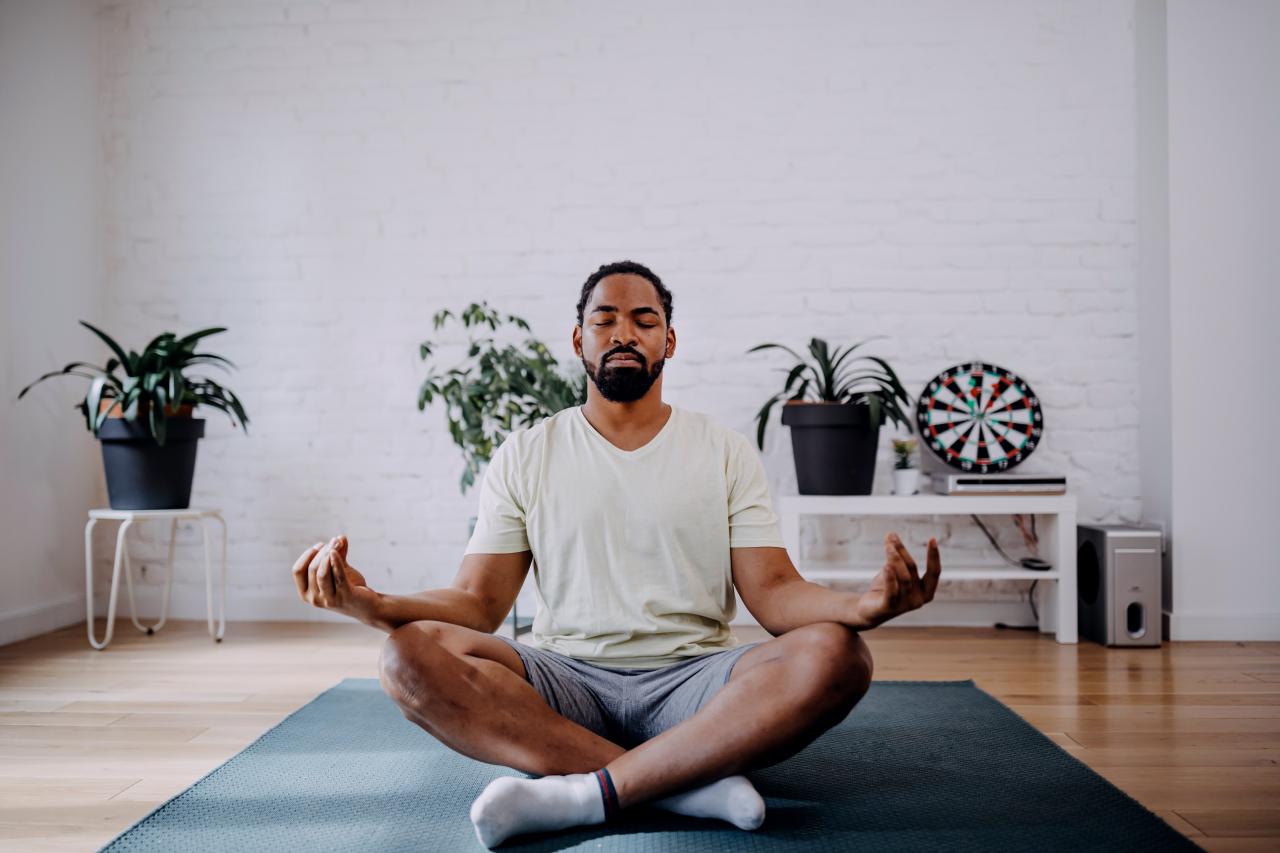
Maintaining a consistent meditation practice aimed at building confidence requires ongoing assessment and adaptation. Tracking progress allows practitioners to recognize improvements, identify challenges, and refine techniques to maximize benefits over time. Implementing structured methods for self-assessment and reflection not only sustains motivation but also ensures that meditation remains an effective tool for confidence cultivation.A systematic approach to monitoring confidence levels and meditation experiences fosters awareness of personal growth.
By regularly reviewing one’s progress, practitioners can make informed adjustments to their routines, ensuring continual development. This process transforms meditation from a repetitive activity into a dynamic practice that evolves in tandem with individual needs and goals.
Methods for Self-Assessment of Confidence Levels
Understanding how confidence fluctuates before and after meditation sessions is essential for evaluating effectiveness. Self-assessment methods should be simple, consistent, and reflective of genuine feelings to yield valuable insights.Begin by establishing baseline confidence levels through subjective ratings on a numerical scale—such as 1 to 10—before starting meditation. Immediately after the session, record the new confidence rating to compare and observe shifts.
Incorporating qualitative reflections helps capture nuanced changes, such as feelings of empowerment, reduced self-doubt, or increased self-acceptance.Practicing mindfulness during assessments enhances awareness of subtle emotional and cognitive changes. For example, noting improvements in posture, eye contact, or verbal expression during daily interactions can serve as additional indicators of confidence growth.To formalize this process, practitioners can use simple self-report tools:
- Confidence rating scales (e.g., 1-10 or 1-5)
- Brief reflective prompts, such as “How do I feel about my abilities today?”
- Behavioral observations, like willingness to speak in social settings
By consistently applying these methods, individuals can track patterns over time, correlating specific meditation techniques with confidence enhancements.
Sample Journal Template for Recording Experiences and Confidence Shifts
Maintaining a dedicated meditation journal provides a structured way to document daily or weekly experiences, track progress, and analyze confidence development. An effective journal template should include sections for objective ratings, subjective reflections, and observations that inform future practice.A typical journal entry might consist of:
| Date | Pre-Meditation Confidence Level (1-10) | Post-Meditation Confidence Level (1-10) | Duration of Session | Emotion and Physical State Before | Notable Experiences During Meditation | Insights or Changes Noted | Application of Confidence in Daily Life |
|---|---|---|---|---|---|---|---|
| 2024-04-21 | 4 | 6 | 20 minutes | Feeling anxious, uncertain | Focused on positive affirmations, felt a sense of calm | Realized I can influence my confidence through intentional practice | Chose to speak up in a meeting, felt more assertive |
This format encourages detailed record-keeping, providing a comprehensive view of progress and areas needing attention.
Organizing Feedback and Evolving Meditation Techniques
To ensure continuous growth, practitioners should regularly review their recorded experiences and assess the effectiveness of different meditation methods. Feedback mechanisms facilitate this process, whether through personal reflection, peer support, or professional guidance.Strategies for integrating feedback include:
- Periodic review of journal entries to recognize patterns and identify which techniques yield the most confidence gain.
- Adjusting meditation practices based on observed outcomes, such as incorporating more visualization or increasing session duration for greater impact.
- Seeking feedback from trusted friends, mentors, or coaches who can offer external perspectives on behavioral changes and confidence levels.
- Experimenting with new meditation styles, such as loving-kindness or body scan, to discover additional methods that resonate and support confidence growth.
Evolving meditation practices might involve setting specific goals, such as achieving a sustained sense of self-assurance during stressful situations, and then tailoring techniques accordingly. Implementing a cyclical review process—assessing, adapting, practicing, and reassessing—ensures that meditation remains a dynamic, effective tool in the journey toward greater confidence.
Visualization and Affirmation Examples
Meditation for confidence is greatly enhanced through the powerful use of visualization and affirmations. These techniques help reinforce positive self-perceptions and anchor feelings of self-assurance, enabling individuals to carry this confidence into their daily lives. Effective visualization creates vivid mental images that evoke feelings of success and strength, while affirmations serve as concise, positive statements that rewire subconscious beliefs and foster a resilient sense of self-worth.Visualization involves imagining scenarios where you exhibit confidence, facing challenges with ease, or achieving personal goals.
When practiced regularly, these mental images strengthen neural pathways associated with confidence, making it more natural to embody these qualities in real-world situations. Affirmations complement visualization by actively repeating empowering statements that challenge doubts and promote self-belief, especially during meditation sessions when the mind is receptive.
Effective Visualization Techniques for Confidence
Visualization relies on sensory details and emotional engagement. To cultivate confidence, imagine yourself in specific settings where you want to feel more assured. For example, visualize standing confidently in front of an audience, giving a presentation with poise and clarity. Picture the environment vividly—the sights, sounds, and sensations. Feel the texture of the podium, the warmth of your smile, and hear the applause or supportive words from others.Another effective visualization involves imagining a radiant light or aura surrounding you, symbolizing inner strength and self-assurance.
Picture this light growing brighter with each breath, filling your entire being with confidence and calmness. Visualize yourself overcoming obstacles effortlessly, turning challenges into opportunities for growth. The more detailed and emotionally charged these images are, the more deeply they resonate, reinforcing your confidence from within.
Powerful Affirmations to Reinforce Self-Belief
Affirmations act as mental affirmations that counteract self-doubt and reinforce positive beliefs. Repeating these during meditation can reprogram subconscious patterns over time. Here are some potent affirmations for confidence:
- “I am worthy of success and happiness.”
- “I believe in my abilities and talents.”
- “Every day, I grow more confident and self-assured.”
- “I handle challenges with grace and resilience.”
- “I am a confident and authentic version of myself.”
- “My voice and opinions matter.”
- “I attract opportunities that align with my strengths.”
- “I am deserving of respect and recognition.”
Personalizing Affirmations for Individual Confidence Goals
Tailoring affirmations to your unique aspirations enhances their effectiveness. Consider specific areas where you seek increased confidence—public speaking, social interactions, career pursuits, or personal relationships—and craft affirmations that directly address these. For example, if you aim to improve your public speaking skills, repeat affirmations like:
“I speak clearly and with confidence in front of others.”
For social confidence, try:
“I easily connect with others and express myself authentically.”
To personalize affirmations, reflect on your authentic desires and challenges. Use present tense and positive language, making statements that resonate emotionally and affirm your strengths. Repeating these affirmations regularly, especially during meditation, helps embed them into your subconscious, empowering you to act with increased confidence in real-life situations.
Conclusive Thoughts
Embracing meditation as a pathway to confidence opens the door to ongoing personal growth and self-discovery. With consistent practice and mindful techniques, you can reinforce your self-belief and face life’s challenges with renewed assurance. Remember, cultivating confidence through meditation is a gradual process that rewards patience and dedication.