Learning how to meditate for calmness offers a powerful pathway to achieve mental clarity and emotional balance in today’s busy world. Incorporating meditation into your daily routine can significantly reduce stress, enhance focus, and foster a sense of tranquility that permeates every aspect of life. With various meditation styles available, each tailored to promote calmness, beginners and experienced practitioners alike can find techniques suited to their needs, making the journey toward inner peace accessible and sustainable.
Introduction to meditation for calmness
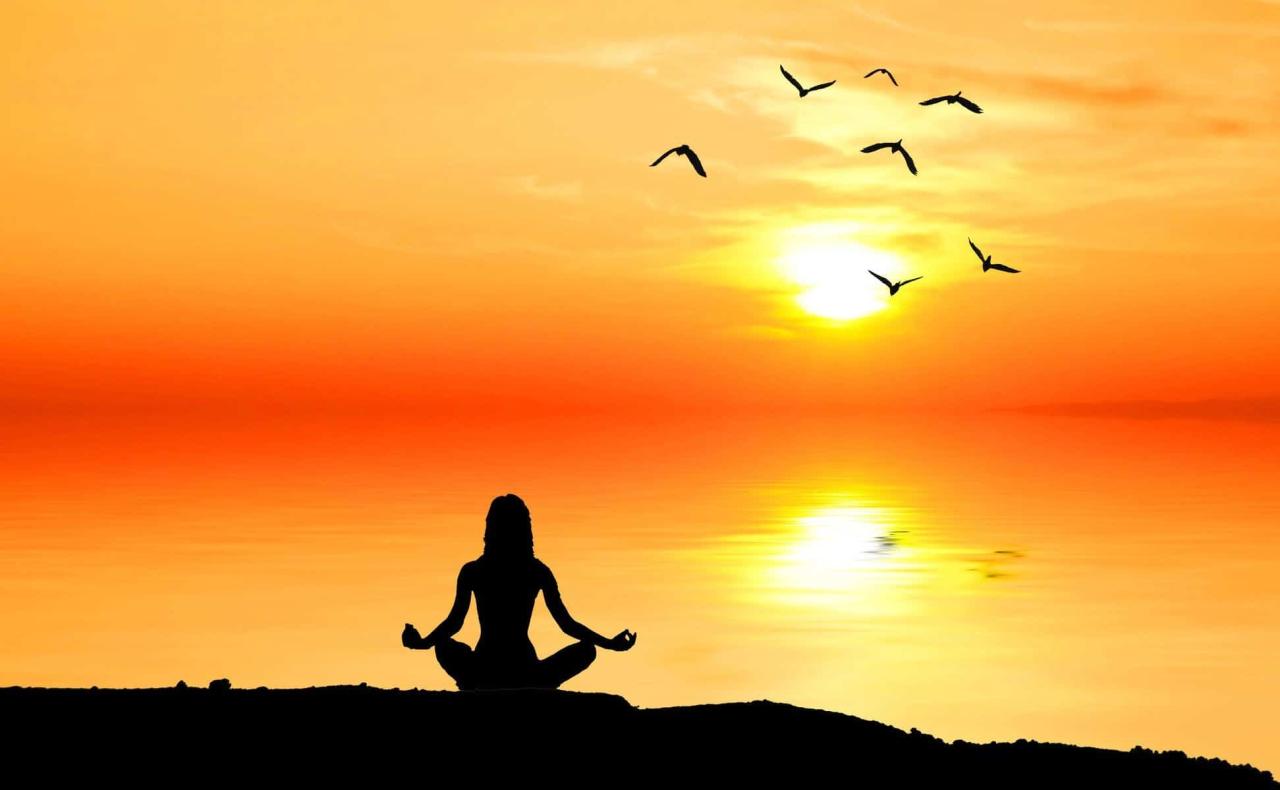
Meditation serves as a powerful tool in cultivating a serene mind and fostering mental clarity amidst the hustle and bustle of daily life. Engaging in regular meditation practices can significantly reduce stress, promote emotional stability, and enhance overall well-being. As a mindful approach to living, meditation offers a pathway to achieve inner peace and resilience in the face of life’s challenges.
Incorporating meditation into daily routines provides numerous benefits that extend beyond immediate relaxation. These benefits include improved focus, better emotional regulation, and a heightened sense of self-awareness. Consistent practice helps in establishing a sense of calm that can be sustained throughout the day, leading to a more balanced and harmonious lifestyle.
Overview of different meditation styles focused on calmness
There exists a variety of meditation techniques specifically aimed at fostering calmness and mental tranquility. Each style employs unique methods and philosophies, catering to different preferences and needs. Understanding these styles can help individuals select the most suitable approach for their personal journey toward serenity.
| Meditation Style | Description | Key Benefits |
|---|---|---|
| Mindfulness Meditation | Focuses on paying non-judgmental attention to the present moment, often through breath awareness or bodily sensations. | Reduces stress, enhances emotional regulation, and improves concentration. |
| Guided Imagery | Involves imagining peaceful and calming scenes, guided by a recording or an instructor, to induce relaxation. | Relieves anxiety and promotes a sense of safety and tranquility. |
| Transcendental Meditation | Uses the silent repetition of a mantra to settle the mind into a state of restful alertness. | Reduces stress, enhances focus, and fosters deep relaxation. |
| Body Scan Meditation | Involves systematically focusing attention on different parts of the body to release tension and promote relaxation. | Improves body awareness, reduces physical tension, and calms the nervous system. |
“Consistent meditation practice cultivates a calm mind, enabling individuals to navigate life’s stresses with greater ease and clarity.”
Preparing for meditation practice
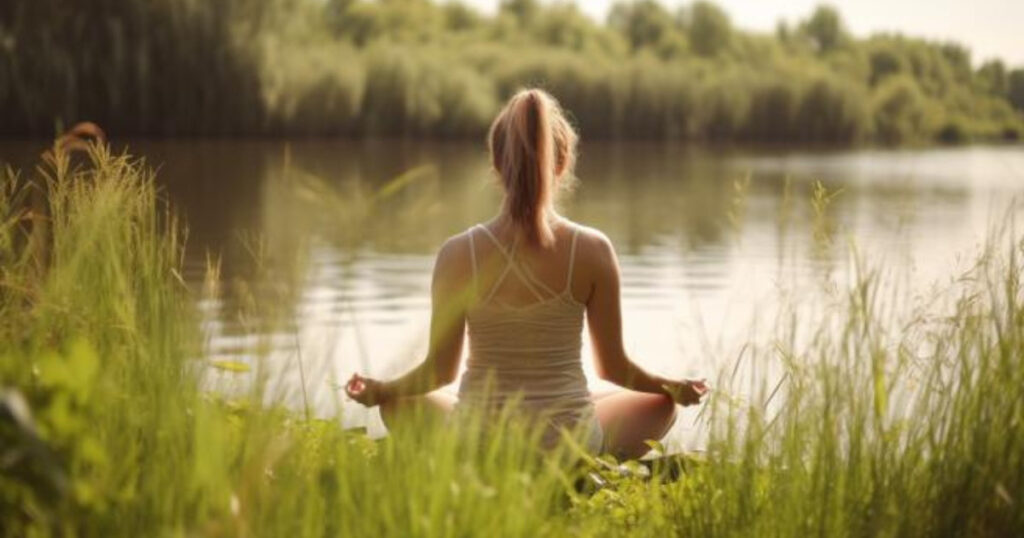
Creating an optimal environment and adopting the right physical and mental preparations are essential steps in establishing a successful meditation routine aimed at cultivating calmness. Proper preparation helps minimize distractions, enhances focus, and facilitates a deeper state of relaxation, allowing you to experience the full benefits of your meditation practice.
Effective preparation involves organizing your surroundings, gathering necessary items, and adopting comfortable postures. These steps serve as a foundation that supports consistency and ease during each session, making meditation a more inviting and rewarding experience.
Creating a peaceful environment for meditation sessions
A tranquil setting is vital for meditation, as it helps redirect attention inward and reduces external disturbances. The environment should evoke a sense of calm and safety, enabling you to focus solely on your practice. Noise levels, lighting, scents, and temperature all influence the quality of your meditation experience.
To establish a peaceful environment, consider the following aspects:
- Choose a quiet space: Select an area away from household traffic, electronic devices, or street noise. If external noise persists, use noise-canceling headphones or ambient sound machines to create a consistent auditory environment.
- Control lighting: Use soft, natural light or dim lamps to create a calming ambiance. Avoid harsh or bright lighting, which can be stimulating and distract from your practice.
- Use calming scents: Incorporate gentle fragrances such as lavender, chamomile, or sandalwood through candles or essential oils to promote relaxation.
- Maintain a comfortable temperature: Ensure the room is neither too hot nor too cold, as extreme temperatures can cause discomfort and hinder concentration.
- Minimize external interruptions: Inform household members about your meditation time to prevent disturbances. Consider placing a “do not disturb” sign if necessary.
Additionally, keeping your space clean and uncluttered fosters a serene atmosphere that can facilitate mindfulness and focus during your practice.
Organizing necessary items for meditation
Having the right tools at hand enhances the meditation process and ensures comfort throughout your session. Being prepared with essential items eliminates the need to search for things mid-practice, helping you maintain a calm and uninterrupted focus.
Here is a typical checklist of items to organize before beginning your meditation:
- Cushions or meditation mats: Provide adequate support and comfort. Cushions help elevate the hips, reducing strain on the back and promoting proper posture.
- Timer or meditation app: To mark the duration of your session without checking clocks or phones, maintaining a sense of timelessness.
- Blankets or shawls: Keep warm and comfortable, especially if the environment tends to be cool.
- Ambient elements: Such as candles, incense, or essential oils to enhance the tranquil atmosphere, if preferred.
- Notebook or journal: To record insights or reflections post-meditation, fostering mindfulness and self-awareness.
Setting a comfortable posture and eliminating distractions
The physical posture adopted during meditation significantly influences your ability to relax and maintain focus. An ergonomic, yet relaxed posture helps prevent discomfort and fatigue, enabling sustained attention on your practice.
To achieve an optimal posture, consider these guidelines:
- Sit upright but relaxed: Keep your spine straight, allowing energy to flow freely while avoiding stiffness. The shoulders should be relaxed and away from the ears.
- Position the hands: Rest your hands comfortably on your lap or knees, with palms facing upward or downward based on preference. This promotes a sense of groundedness.
- Ensure stability: Use cushions or meditation benches to elevate your hips if sitting cross-legged causes discomfort. Alternatively, sit on a chair with feet flat on the floor, maintaining contact with the ground.
- Eliminate external distractions: Turn off or silence mobile phones and other electronic devices. Inform others of your meditation time to prevent interruptions. Close doors or windows to block out noise and visual disturbances.
- Manage internal distractions: Practice mental techniques such as mindfulness or gentle acknowledgment of wandering thoughts to maintain focus and foster calmness during your session.
By thoughtfully preparing your environment, organizing necessary items, and adopting a comfortable posture, you establish a solid foundation for a meditative practice rooted in tranquility and focus. These steps serve as the groundwork for cultivating a calm mind and deepening your meditation experience.
Techniques for Meditating to Achieve Calmness
Achieving a state of calmness through meditation can significantly enhance overall well-being, reduce stress, and promote mental clarity. Various meditation techniques exist, each offering unique pathways to tranquility. Exploring these methods allows individuals to discover the practices that resonate most with their personal preferences and lifestyle.
In this section, we will delve into practical techniques that can be incorporated into daily routines to foster calmness. Whether through breath awareness, body scan, or visualization, these methods serve as effective tools to cultivate inner peace and emotional stability.
Guided Breath Awareness Meditation
This technique centers on focusing intently on the natural rhythm of your breathing to anchor your attention and soothe the mind. It is accessible for beginners and can be practiced anywhere, making it a versatile tool for stress relief.
- Find a quiet, comfortable seated position with your back straight but relaxed. Close your eyes gently if you prefer.
- Begin by taking a few slow, deep breaths, inhaling through your nose and exhaling through your mouth. Allow your breath to settle into a natural rhythm.
- Shift your attention to the sensation of your breath entering and leaving your nostrils or the rise and fall of your chest or abdomen.
- If your mind wanders, gently redirect your focus back to your breath without judgment. Observe each inhalation and exhalation as a calming wave washing over you.
- Continue this practice for 5 to 10 minutes, maintaining a gentle and focused awareness of your breathing pattern.
Body Scan Meditation for Tension Release
The body scan technique helps in identifying and releasing physical tension, which often accompanies mental stress. It encourages mindfulness of bodily sensations, fostering relaxation from head to toe.
- Lie down comfortably on a flat surface or sit upright, ensuring your body is supported and relaxed.
- Close your eyes and take a few deep breaths to center yourself. Bring awareness to your body as a whole.
- Begin by directing your attention to your toes, noticing any sensations, tension, or discomfort. Visualize releasing any tension as you exhale.
- Gradually move your focus upward through each part of your body — feet, ankles, calves, knees, thighs, hips, abdomen, chest, arms, shoulders, neck, and face.
- Spend a few moments on each area, consciously relaxing muscles and letting go of built-up stress.
- If you encounter areas of persistent tension, breathe into those areas deliberately, imagining warmth and relaxation flowing through them.
- Conclude the scan by taking several deep breaths and gently bringing awareness back to your surroundings.
Visualization Practices for Tranquility
Visualization involves creating mental images that evoke feelings of calmness and safety. This technique leverages the power of imagination to transport the mind away from stressors into a peaceful, serene environment.
- Begin by choosing a calming scene, such as a quiet beach, lush forest, or tranquil mountain landscape. Visualize it vividly, engaging all your senses.
- Imagine yourself physically present in this place, noticing the colors, sounds, smells, textures, and temperatures.
- Allow feelings of peace and contentment to arise naturally as you immerse yourself in this mental image.
- Focus on details such as the gentle waves lapping the shore, the rustling leaves, or the warmth of sunlight on your skin.
- Maintain this visualization for 5 to 10 minutes, returning to your breath if your mind wanders.
- When finished, gradually bring your awareness back to the present moment, carrying the tranquility with you.
Comparison of Meditation Techniques
Below is a table that highlights the key features of each meditation technique discussed, assisting in selecting the most suitable method for individual preferences and needs.
| Technique | Primary Focus | Ease of Practice | Benefits |
|---|---|---|---|
| Breath Awareness Meditation | Focus on natural breathing rhythm | Highly accessible; suitable for beginners | Reduces anxiety, enhances concentration, promotes calmness |
| Body Scan Meditation | Physical sensations and muscle tension | Requires a quiet space; suitable for deep relaxation | Relieves physical tension, lowers stress levels, improves body awareness |
| Visualization Practices | Imaginary serene environments | Engages imagination; adaptable but requires focus | Induces quick mental escape, fosters emotional tranquility, enhances mood |
Tips to Deepen Meditation and Sustain Calmness
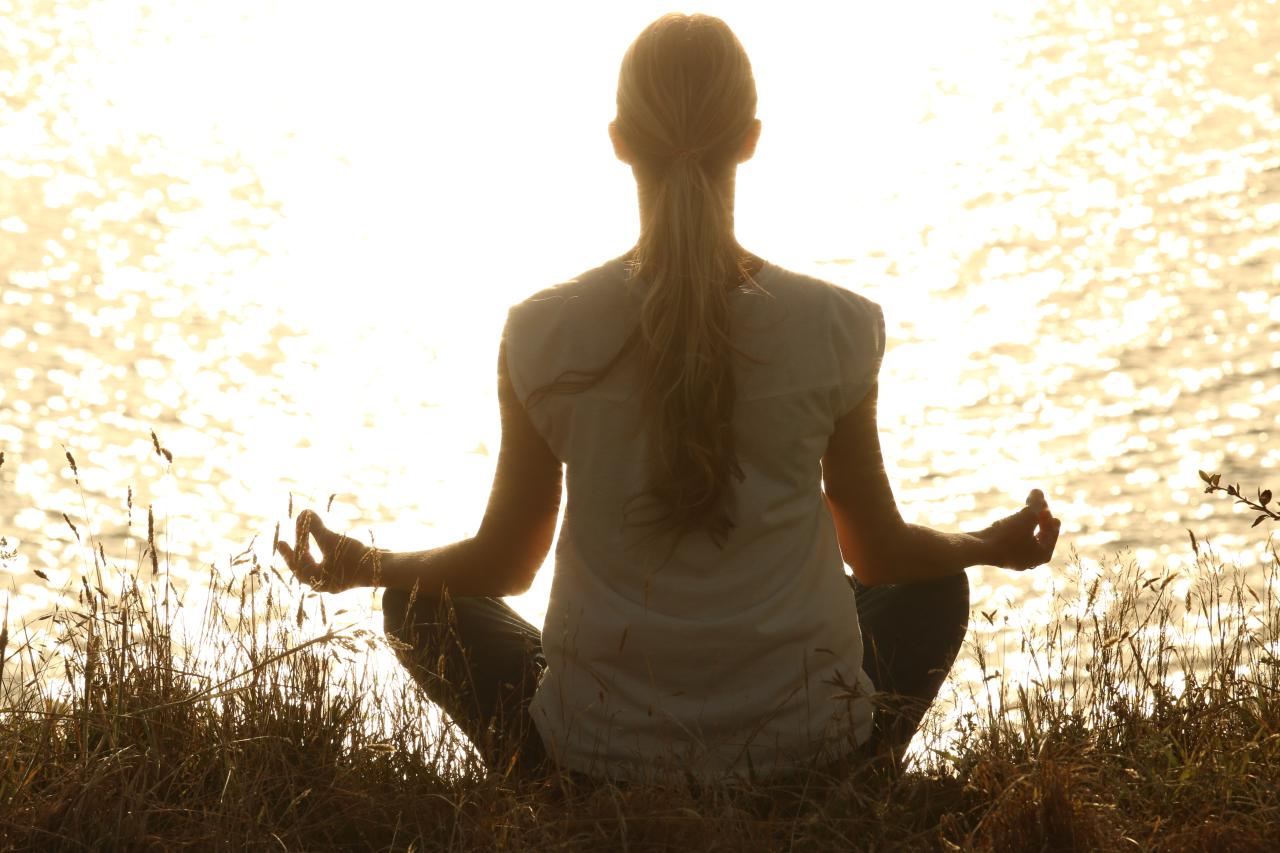
Maintaining a steady and profound state of calmness during meditation enhances its benefits and promotes a more balanced emotional state. Developing strategies to deepen your practice and sustain the tranquility achieved can lead to greater clarity, emotional resilience, and overall well-being. Incorporating effective techniques and habits ensures that meditation becomes a rewarding component of your daily routine.Deepening meditation and maintaining calmness require intentional focus and consistent effort.
As meditation progresses, practitioners often encounter challenges such as wandering thoughts or external distractions. Addressing these obstacles with practical approaches helps to cultivate a more sustained and profound state of calm. Additionally, integrating post-meditation activities and daily habits can reinforce the benefits gained during your sessions, fostering a lifestyle of mindfulness and peace.
Maintaining Focus During Meditation
Achieving deep meditation hinges on the ability to sustain attention on your chosen point of focus, whether it be the breath, a mantra, or a visual object. To enhance concentration:
- Establish a consistent meditation schedule, practicing at the same time each day to build a routine that signals your mind and body to enter a calm state.
- Create a dedicated, quiet space free from interruptions, which helps condition your mind to associate the environment with relaxation and focus.
- Use gentle reminders such as soft background sounds or subtle scented candles to anchor your awareness and reduce wandering.
- Adopt a gentle, non-judgmental attitude towards your wandering thoughts, recognizing them without frustration and gently guiding your focus back.
A consistent practice of these strategies nurtures concentration and deepens the meditative experience over time.
Handling Wandering Thoughts and Distractions
Wandering thoughts are natural in meditation; however, learning to manage them effectively is crucial for deepening calmness:
- When distractions arise, acknowledge them without self-criticism, understanding that the mind’s wandering is part of the process.
- Implement a mental noting technique, softly labeling thoughts as “wandering” or “distraction,” then gently redirect your attention back to your focal point.
- Practice breathing exercises that emphasize slow, full inhalations and exhalations, which can anchor your awareness and stabilize your focus amidst distractions.
- Incorporate visualization techniques, such as imagining a calm lake or a peaceful landscape, to regain mental clarity when wandering thoughts become persistent.
Regular application of these practices cultivates patience and resilience, gradually reducing the frequency and impact of distractions.
Post-Meditation Activities to Enhance Calmness and Mindfulness
The period following meditation is vital for consolidating the sense of calm and mindfulness achieved:
- Engage in gentle stretching or yoga postures to release any residual tension accumulated during meditation.
- Spend a few moments in mindful walking, paying close attention to each step and the sensations experienced, extending your awareness beyond the seated practice.
- Maintain a gratitude journal, noting positive experiences and feelings of calmness, which reinforce mindfulness and emotional stability.
- Practice deep, diaphragmatic breathing exercises to prolong the relaxed state and stabilize your mood throughout the day.
- Limit abrupt or stressful activities immediately after meditation, allowing the tranquility to integrate into your daily life seamlessly.
Incorporating these activities supports a continuous state of mindfulness and enhances the lasting effects of your meditation practice.
Daily Habits Supporting Meditation Benefits
Sustaining the positive effects of meditation involves cultivating daily routines that promote calmness and mental clarity:
- Prioritize sufficient sleep by establishing a consistent bedtime, as restful sleep enhances mental focus and emotional balance.
- Maintain a balanced diet rich in whole foods, antioxidants, and omega-3 fatty acids, which support brain health and emotional resilience.
- Engage in regular physical activity, such as walking or yoga, to reduce stress levels and promote overall well-being.
- Set aside a few minutes each day for mindfulness or breathing exercises outside of formal meditation sessions, embedding calmness into everyday activities.
- Limit exposure to digital devices and social media, especially before bedtime, to reduce mental clutter and promote relaxation.
- Practice self-compassion and patience, recognizing that progress in meditation is gradual and requires consistent effort.
Adopting these habits creates a supportive environment for your meditation practice, amplifying its benefits and fostering a lifelong pursuit of calmness and mindfulness.
Incorporating Meditation into Daily Life
Engaging in meditation regularly can significantly enhance overall calmness and mental clarity. Integrating meditation into your daily routine ensures consistency, making it easier to experience its full benefits. Even amidst busy schedules, making deliberate space for mindfulness can cultivate a more centered and peaceful state of mind.Incorporating meditation into everyday life involves establishing a routine that aligns with your daily activities and commitments.
By doing so, meditation becomes a seamless part of your lifestyle rather than an occasional practice. Strategies to embed mindfulness into various moments of the day can lead to sustained calmness and improved well-being over time. Tracking progress and reflecting on each session helps reinforce commitment, identify effective techniques, and recognize personal growth in your meditation journey.
Organizing a Routine Schedule for Regular Meditation Sessions
Consistency is key to experiencing the benefits of meditation. Creating a structured schedule helps embed this practice into daily life and promotes discipline.
- Dedicate specific times in your day, such as early mornings, lunch breaks, or evenings, for meditation sessions.
- Start with short durations, such as 5 to 10 minutes, and gradually increase as your familiarity and comfort grow.
- Use digital reminders or alarms to prompt your meditation sessions, ensuring they become an integral part of your daily routine.
- Maintain a meditation calendar or journal to plan and track your sessions, which can motivate ongoing commitment.
Examples of Short Meditation Exercises for Busy Schedules
Even brief periods of mindfulness can effectively promote calmness and mental clarity. For individuals with packed schedules, these exercises fit conveniently into daily routines.
Breath Awareness (3-5 minutes)
Focus solely on your breath, observing inhales and exhales without trying to control them. This practice centers your mind and reduces stress quickly.
Body Scan (5 minutes)
While seated or lying down, bring awareness to different parts of your body, noticing sensations without judgment, helping to release tension accumulated throughout the day.
Mindful Walking (3-7 minutes)
During a short walk, pay attention to each step, the movement of your legs, and the environment around you. This promotes presence and grounding.
Focused Attention on an Object
Hold an object such as a pen or a flower, observing its details deeply to anchor your attention and reset your mental state.
Strategies to Integrate Mindfulness into Everyday Activities
Transforming routine activities into opportunities for mindfulness enhances the consistency of calmness practices and cultivates a more present-centered approach to life.
Mindful Eating
Savor each bite, paying attention to taste, texture, and aroma, which fosters gratitude and reduces overeating.
Mindful Commuting
Use transit times to practice breathing exercises or listen to calming meditations, turning transit into a restorative period.
Work Breaks
During short breaks, close your eyes and take deep, slow breaths, or do quick stretches combined with mindful awareness of your body.
Household Chores
Approach chores such as washing dishes or cleaning with full attention, noticing the sensations and movements involved.
Methods to Track Progress and Reflect on Meditation Experiences
Monitoring your meditation practice helps reinforce habits, recognize improvements, and deepen your understanding of what works best for you.
Meditation Journal
Record dates, duration, techniques used, and your mental state before and after sessions. Reflection helps identify patterns and triggers.
Mood and Stress Levels
Keep a daily log of your emotional wellbeing, noting any changes correlated with your meditation routine.
Progress Charts
Use visual tools like charts or graphs to illustrate consistency and growth over weeks or months.
Review Sessions
Periodically revisit previous journal entries to reflect on personal insights, challenges faced, and milestones achieved.
Feedback from Others
Share your experiences with friends or meditation groups to gain external perspectives and encouragement.
Closure
In summary, mastering how to meditate for calmness can transform your mental well-being and overall quality of life. By creating a peaceful environment, practicing effective techniques, and integrating meditation into daily habits, you can cultivate lasting serenity and resilience. Embrace this practice as a daily ritual, and enjoy the profound benefits of a calm and centered mind amidst life’s challenges.