Discovering how to meditate for body healing can serve as a powerful tool in promoting physical recovery and overall well-being. By understanding the fundamental principles of meditation and its connection to health, individuals can harness this practice to support natural healing processes. Setting clear intentions before each session enhances focus and maximizes benefits, making meditation a valuable addition to health routines.
This guide explores various meditation techniques tailored for body healing, including guided imagery, body scan, and breathing exercises. It also provides practical tips for creating an optimal environment, customizing guided scripts, and integrating complementary practices. Whether you’re a beginner or experienced meditator, these insights aim to facilitate a deeper connection between mind and body to foster health and vitality.
Introduction to Meditation for Body Healing
Meditation is a mindful practice that leverages the power of focused attention and deep relaxation to support the body’s natural healing processes. By cultivating a calm and centered mental state, individuals can facilitate physiological changes that promote recovery, reduce stress, and enhance overall well-being. The fundamental principles of meditation—such as breath awareness, mental clarity, and emotional regulation—serve as vital tools in activating the body’s innate capacity to heal itself.
When practiced consistently, meditation can influence bodily functions ranging from immune response to hormonal balance, creating a holistic approach to health restoration.
The connection between mental state and physical health is profoundly significant within meditation practice. Scientific studies have demonstrated that positive mental attitudes, such as acceptance and compassion, can reduce cortisol levels, lower blood pressure, and decrease inflammation. Conversely, chronic stress and negative emotions are linked to various illnesses, including cardiovascular disease and autoimmune disorders. Meditation helps bridge the mind-body gap by fostering mental tranquility, which in turn supports cellular repair, hormonal regulation, and improved immune function.
This interconnectedness underscores the importance of cultivating mental harmony as a foundation for physical healing.
Importance of Intention Setting Before Meditation
Setting a clear and purposeful intention before beginning a meditation session enhances the effectiveness of the practice by aligning the mind and body towards specific healing goals. Intention acts as a guiding principle, providing focus and motivation that deepen the meditation experience. When individuals define their healing objectives—such as reducing pain, restoring energy, or alleviating stress—they create a conscious framework that directs their attention and energy during the session.
This mindful intention not only amplifies the benefits of meditation but also fosters a sense of commitment and clarity, making the practice more meaningful and targeted.
“Intention is the seed from which healing blossoms. By consciously choosing our focus, we cultivate the conditions for our body’s natural ability to recover and renew.”
Practitioners are encouraged to formulate specific, positive, and achievable intentions before each session. For example, focusing on the sensation of healing energy flowing through the body or visualizing inflammation melting away can reinforce the physical healing process. Regularly reaffirming these intentions helps embed them into the subconscious mind, thereby enhancing overall health outcomes and supporting sustained well-being.
Types of Meditation Techniques for Body Healing
Exploring various meditation methods allows individuals to select the most effective approach tailored to their unique healing needs. Different techniques focus on specific aspects of the body and mind, facilitating relaxation, reducing stress, and promoting physical recovery. Understanding these methods enhances one’s ability to incorporate meditation into daily routines for optimal health benefits.
Each meditation technique offers distinct pathways to achieve body healing, ranging from visualizations to focused breathing. By familiarizing oneself with these methods, practitioners can identify which practices resonate most with their personal health goals and conditions, thereby fostering a more targeted and effective healing process.
Guided Imagery
Guided imagery involves mentally visualizing calming and healing scenes, often led by a recorded guide or instructor. This technique harnesses the power of imagination to promote relaxation and stimulate the body’s natural healing mechanisms.
- Step-by-step Procedure:
- Sit or lie down comfortably in a quiet environment.
- Close your eyes and take slow, deep breaths to center yourself.
- Begin to visualize a peaceful scene, such as a serene forest, a calming beach, or a gentle stream.
- Imagine the sensory details: the sounds, smells, textures, and colors of the scene.
- Focus on the feeling of relaxation spreading throughout your body as you immerse in this visualization.
- Maintain this imagery for about 10-15 minutes, allowing your mind and body to absorb the calming effects.
- Gradually bring your awareness back to the present moment and open your eyes slowly.
“Visualization leverages the mind’s power to influence physical health, promoting healing through mental imagery.”
Body Scan Meditation
The body scan technique emphasizes systematically directing attention to different parts of the body to promote awareness and release tension. It is particularly effective in identifying areas of discomfort or stress that may hinder healing.
- Step-by-step Procedure:
- Lie flat on your back in a comfortable position, ensuring minimal distractions.
- Close your eyes and take several deep breaths to settle into the experience.
- Begin by focusing on your toes, noticing any sensations, tension, or discomfort.
- Slowly move your attention upward through your feet, ankles, calves, knees, thighs, abdomen, chest, shoulders, arms, neck, and finally your head.
- At each area, observe sensations without judgment, consciously relaxing any tension you find.
- If your mind wanders, gently redirect your focus back to the body part you are scanning.
- Complete the scan in about 20-30 minutes, ending with a few deep breaths and a moment to appreciate your body’s efforts toward healing.
“The body scan promotes a deep connection with physical sensations, facilitating stress reduction and supporting bodily healing.”
Breathing Exercises
Breathing exercises are foundational to many meditation practices, emphasizing controlled, mindful breathing to enhance oxygen flow, calm the nervous system, and promote physiological healing.
- Step-by-step Procedure:
- Sit in a comfortable, upright position with your back straight.
- Close your eyes and take a slow, deep inhale through your nose, counting to four.
- Hold the breath for a count of four.
- Exhale slowly through your mouth or nose for a count of four, emptying your lungs completely.
- Pause briefly before beginning the next inhale.
- Repeat this cycle for 5-10 minutes, maintaining awareness of your breath and bodily sensations.
“Controlled breathing stimulates the parasympathetic nervous system, fostering relaxation, reducing inflammation, and aiding in bodily repair.”
Mindfulness Meditation
Mindfulness meditation involves paying deliberate, non-judgmental attention to present-moment experiences, including bodily sensations, thoughts, and emotions. This practice helps cultivate acceptance and resilience, which are vital for healing.
- Step-by-step Procedure:
- Find a quiet space and sit comfortably with your eyes gently closed or focused on a neutral object.
- Begin by observing your breath, noticing its natural rhythm without attempting to control it.
- Expand your awareness to bodily sensations, noticing areas of tension or comfort.
- Allow thoughts and feelings to come and go without attachment or judgment, gently bringing attention back to the present moment whenever your mind wanders.
- Practice for about 10-20 minutes, gradually increasing duration as you become more experienced.
“Mindfulness enhances self-awareness and reduces stress, creating a mental environment conducive to physical healing.”
Comparison of Meditation Techniques for Body Healing
| Technique | Focus Area | Benefits | Suitable Conditions |
|---|---|---|---|
| Guided Imagery | Visualization of calming and healing scenes | Reduces stress, promotes relaxation, stimulates immune response | Chronic pain, stress-related conditions, emotional trauma |
| Body Scan | Physical sensations across the body | Relieves muscle tension, increases body awareness, alleviates pain | Stress, anxiety, muscular pain, tension headaches |
| Breathing Exercises | Respiratory function and autonomic nervous system | Enhances oxygen intake, reduces anxiety, lowers blood pressure | Anxiety, hypertension, respiratory issues |
| Mindfulness | Present moment awareness | Stress reduction, emotional regulation, improved immune function | Chronic illness, emotional distress, general well-being |
Preparing for Meditation for Body Healing
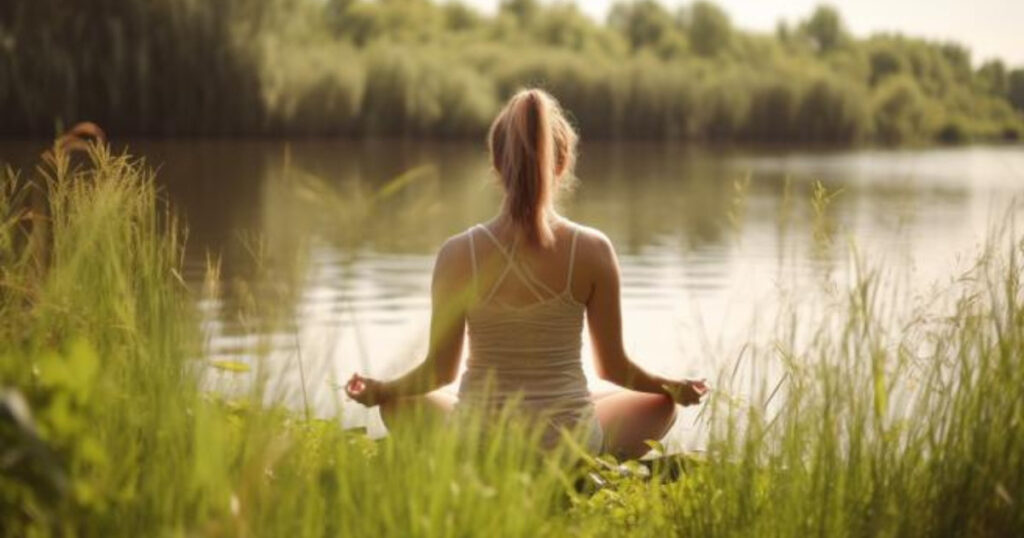
Effective meditation for body healing begins with thorough preparation of your environment and mindset. Creating the right setting ensures that your mind and body are receptive to the restorative benefits of meditation. This stage allows you to set a solid foundation, facilitating a deeper connection with your healing intentions and enhancing overall outcomes.
By paying attention to environmental factors and establishing clear intentions, you foster a conducive space that promotes relaxation, focus, and openness. Proper preparation minimizes distractions and cultivates a tranquil atmosphere essential for effective body healing through meditation.
Creating an Ideal Meditation Environment
The environment in which you meditate plays a crucial role in the effectiveness of your practice. An ideal space should be designed to promote calmness, comfort, and focus. Consider the following checklist to ensure your meditation setting supports optimal healing experiences:
- Lighting: Use soft, natural light or dim lighting to create a soothing ambiance. Avoid harsh or fluorescent lights that can cause discomfort or distraction.
- Posture: Choose a comfortable, upright posture that allows your spine to be straight, such as seated cross-legged on the floor, sitting on a cushion, or in a chair with feet flat on the ground. Ensure your shoulders are relaxed and your hands resting gently on your lap or knees.
- Ambiance: Incorporate calming elements like gentle background music, natural sounds (such as flowing water or birdsong), or a subtle scent from essential oils like lavender or chamomile. Maintain a clutter-free space to minimize distractions.
- Temperature: Keep the room at a comfortable temperature, neither too hot nor too cold, to help your body stay relaxed throughout the session.
- Seating and Support: Use cushions, mats, or chairs that support a relaxed yet alert posture, preventing discomfort that could disrupt your focus.
The Significance of a Quiet and Comfortable Space
Selecting a quiet and comfortable space is fundamental for immersive meditation and effective body healing. Noise disturbances or uncomfortable surroundings can divert attention and hinder mental relaxation, reducing the meditation’s healing potential. An environment free from interruptions allows you to fully engage in your practice, fostering a deeper connection with your body and your healing intentions.
Comfortable surroundings also signal your subconscious that it is safe to relax and let go of stress. This safe space enhances the body’s natural capacity to heal by reducing cortisol levels and activating relaxation responses, which are vital in holistic healing processes.
Setting a Specific Healing Intention or Affirmation
Before beginning your meditation, establishing a clear, focused intention or affirmation directs your energy toward the specific healing you seek. This mental preparation enhances concentration and aligns your subconscious mind with your healing goals. A well-crafted intention provides clarity and motivation, making your practice more purposeful and effective.
Example of a healing affirmation: “My body is now open to healing and renewal. Every cell is becoming healthier and stronger.”
To set a powerful intention, take a moment to reflect on your healing needs, whether it is physical pain relief, organ regeneration, or emotional balance. Repeat your affirmation silently or aloud, feeling its truth as you establish it. Visualize your body already in a state of health and vitality, reinforcing your commitment to healing during your meditation session.
Guided Meditation Scripts for Body Healing
Guided meditations serve as powerful tools to facilitate physical healing by directing the mind’s focus on releasing tension, activating healing energies, and promoting recovery. Structured scripts guide practitioners through a series of calming prompts and visualizations, making it easier to attain a deep state of relaxation and openness to healing energies. These scripts can be tailored to meet individual needs, addressing specific health concerns or areas of discomfort, thereby enhancing their effectiveness and personal relevance.
Below are detailed sample scripts designed to help you develop your own personalized guided meditations for body healing. They focus on distinct aspects such as tension release, activating healing energy, and fostering physical recovery. Incorporating these scripts into your routine can deepen your practice and support your body’s natural healing processes.
Guided Meditation for Releasing Tension
Begin by finding a comfortable seated or lying position, ensuring your body is fully supported. Close your eyes gently and take a few deep breaths, inhaling through your nose and exhaling slowly through your mouth. As you settle into this space, focus on the sensation of your breath, noticing the rise and fall of your chest and abdomen. Visualize each inhale bringing in calm, and each exhale releasing tension.
Guide your attention sequentially through your body, focusing on each area. For example: “Now, bring your awareness to your shoulders. Feel any tightness or stress melting away as you breathe out.”
For each part, emphasize releasing tension: “Relax your neck, your jaw, your forehead. Let go of any lingering stress in your arms, your legs, and your back.”
End with a full-body scan: “Imagine a warm, soothing wave flowing from the top of your head, down through your entire body, dissolving all remaining tension as it moves.” Conclude with deep breaths and a gentle return to awareness.
Guided Meditation for Activating Healing Energy
This meditation focuses on visualizing and channeling healing energy to specific areas of discomfort or injury. It helps activate the body’s innate capacity to repair and regenerate tissue, muscles, or organs.
Start with calming breaths, then visualize a radiant light above your head. Imagine this light as a source of pure healing energy, glowing and vibrant. As you breathe in, draw this energy into your body through the crown of your head, filling your entire being with luminous vitality.
Direct this healing energy to targeted areas. For example: “Now, focus on your abdomen. Visualize this light wrapping around and penetrating into any areas of pain or discomfort.” Repeat with other affected parts, such as joints, muscles, or organs.
Incorporate affirmations such as: “My body is healing itself. Every cell is rejuvenating and restoring health.” Allow the visualization of this energy to deepen, feeling it activate your body’s natural healing response.
Conclude the session by imagining the healing energy dispersing gently throughout your body, leaving you feeling vibrant and renewed, with a profound sense of well-being.
Guided Meditation for Promoting Physical Recovery
This script aims to support ongoing recovery processes by fostering a positive mindset and reinforcing the body’s healing intentions. It can be especially beneficial after injury, surgery, or illness recovery.
Begin with slow, deep breaths, settling into a peaceful state. Visualize your body as a resilient, thriving organism capable of restoring itself. Imagine a gentle, golden light emanating from within, representing your body’s innate healing power.
Focus on the affected area, such as a surgical site or injured limb. Say to yourself: “My body is working diligently to heal and restore this area.”
Use imagery to enhance recovery, such as picturing healthy tissue growing, inflammation reducing, and strength returning. Repeat affirmations like: “Every day, I am getting stronger and healthier.”
Finish with a visualization of complete recovery, feeling gratitude for your body’s incredible capacity to heal. Carry this positive energy into your daily life as you gradually resume normal activities with confidence.
Customizing Guided Scripts for Individual Healing Needs
Each individual’s healing journey is unique, and guided meditation scripts can be tailored to address specific conditions or personal preferences. Customization involves incorporating targeted affirmations, focusing visualization on certain body parts, or emphasizing particular sensations such as warmth, tingling, or light. For instance, someone recovering from a knee injury might visualize healing light concentrating on their joints, while a person with emotional stress manifesting physically might include imagery of emotional release and relaxation.
Practitioners are encouraged to modify scripts by adjusting the language to resonate authentically with their personal healing intentions. Adding specific phrases, visual cues, or sensory details enhances engagement and effectiveness. Consistent practice with personalized scripts can accelerate healing, promote relaxation, and foster a deeper connection with one’s body and mind.
Incorporating Breathing Techniques to Enhance Healing
Effective breathing techniques are fundamental tools in meditation practices aimed at promoting body healing. They help regulate the nervous system, improve oxygen flow, and support the body’s natural ability to recover and restore itself. By consciously adopting specific breathing patterns, individuals can deepen their meditative experience and amplify the therapeutic benefits of their practice.
Integrating various breathing techniques into your meditation routine can optimize relaxation, reduce stress, and facilitate the body’s healing processes. Each pattern offers unique advantages and can be tailored to individual needs, making them invaluable components of a comprehensive healing meditation regimen.
Diaphragmatic Breathing
Diaphragmatic breathing, also known as belly breathing, emphasizes using the diaphragm to maximize oxygen intake and promote relaxation. This technique encourages deeper breaths, which can calm the nervous system and enhance cellular repair mechanisms, thus supporting overall body healing.
- Find a comfortable seated or lying position, ensuring your back is straight to allow full diaphragmatic movement.
- Place one hand on your chest and the other on your abdomen, just below the rib cage.
- Inhale slowly and deeply through your nose, directing the breath toward your abdomen. You should feel the hand on your belly rise, while the hand on your chest remains relatively still.
- Exhale slowly through pursed lips or nostrils, noticing your abdomen fall as you release the breath.
- Repeat this cycle for 5–10 minutes, maintaining a steady, gentle rhythm.
Potential Benefits:
| Advantages | Description |
|---|---|
| Enhanced oxygenation | Deep breaths improve oxygen delivery to tissues, aiding cellular repair. |
| Stress reduction | Activates the parasympathetic nervous system, promoting relaxation. |
| Lowered blood pressure | Slows heart rate, contributing to cardiovascular health and healing. |
| Improved digestion | Stimulates abdominal organs, supporting nutrient absorption and detoxification. |
Alternate Nostril Breathing (Nadi Shodhana)
This ancient pranayama technique balances the nervous system by alternating airflow between the nostrils. It is especially effective in harmonizing energy flows, reducing anxiety, and fostering a state conducive to physical and emotional healing.
- Sit comfortably with your spine erect and shoulders relaxed.
- Use your right thumb to close your right nostril gently.
- Inhale slowly and deeply through the left nostril.
- Close the left nostril with your right ring finger, releasing the right nostril, and exhale slowly through the right nostril.
- Inhale through the right nostril, then close it with your thumb, and exhale through the left nostril.
- This completes one cycle. Continue alternating nostrils for 5–10 minutes, maintaining a smooth, rhythmic pattern.
Potential Benefits:
| Advantages | Description |
|---|---|
| Nervous system balance | Stimulates parasympathetic activity, promoting calmness and healing. |
| Stress alleviation | Reduces cortisol levels, supporting immune function and tissue repair. |
| Enhanced mental clarity | Improves focus and emotional stability necessary for healing processes. |
| Energy harmonization | Balances energy channels, fostering overall vitality and recovery. |
Rhythmic Breathing
Rhythmic breathing involves maintaining a steady, repetitive inhale and exhale pattern, which stabilizes the autonomic nervous system and promotes a sense of tranquility. This technique is particularly useful during meditation sessions aimed at physical recovery and emotional resilience.
- Sit or lie in a comfortable position ensuring full relaxation.
- Begin by taking a slow, deep breath through your nose for a count of four.
- Hold your breath for a count of four.
- Exhale slowly and completely through your mouth or nose for a count of four.
- Pause briefly before the next inhale, repeating this cycle for 5–10 minutes.
Potential Benefits:
| Advantages | Description |
|---|---|
| Stress relief | Regulates the nervous system, reducing physiological stress responses. |
| Enhanced immune response | Increases parasympathetic activity, supporting immune and tissue repair functions. |
| Better sleep quality | Calms the mind and body, facilitating restorative sleep essential for healing. |
| Increased mindfulness | Encourages present-moment awareness, fostering emotional and physical resilience. |
Meditation Duration and Frequency for Optimal Results
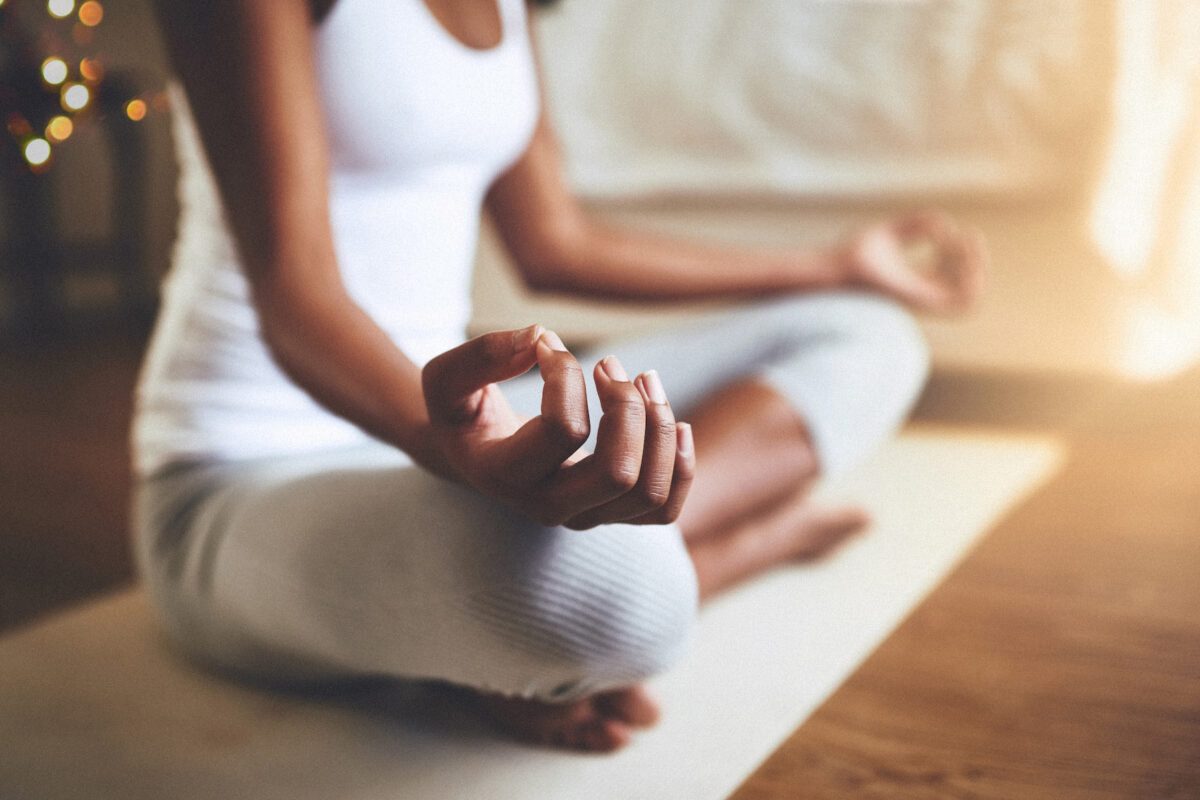
Achieving effective body healing through meditation hinges on establishing a consistent and appropriately timed practice. The duration of each session and the overall frequency play crucial roles in maximizing the therapeutic benefits of meditation. Tailoring your routine to match your experience level and healing goals can enhance outcomes and foster a sustainable practice.
Research indicates that regular meditation, even in shorter sessions, can significantly reduce stress, promote relaxation, and support physical healing processes. Conversely, longer or more frequent sessions may deepen the healing experience for some individuals. It is essential to find a balance that accommodates your lifestyle, attention span, and specific healing needs, while remaining flexible to adapt as progress is observed.
Recommended Meditation Lengths and Schedules
For optimal body healing, establishing a consistent routine with appropriate session lengths and frequencies is vital. Below is a responsive table outlining suggested practices for different experience levels, emphasizing the importance of gradual progression and mindful adjustment based on individual response and healing advancement.
| Practitioner Level | Session Length | Frequency per Week | Focus |
|---|---|---|---|
| Beginners | 5-10 minutes | 3-4 times | Relaxation, Body Awareness, Stress Reduction |
| Intermediate | 15-20 minutes | 4-6 times | Deep Relaxation, Energy Flow, Pain Management |
| Advanced | 30-45 minutes | Daily or 5-6 times | Subtle Energy, Chakra Balancing, Long-term Healing |
It is advisable to start with the lower end of these ranges, especially for beginners, and gradually increase duration and frequency as comfort and proficiency develop. This incremental approach helps prevent fatigue and encourages sustained engagement in the practice.
Monitoring your body’s responses and adjusting your meditation routine accordingly can lead to more effective healing. If you notice increased relaxation, reduced pain, or improved energy, these are signs that your practice is on the right track. Conversely, if fatigue or discomfort occurs, consider reducing session length or frequency to allow your body to adapt.
Keeping a journal or using meditation tracking apps can be beneficial for observing progress over time. Documenting changes in physical sensations, pain levels, and emotional well-being can inform necessary adjustments, ensuring your meditation practice remains aligned with your healing journey.
Complementary Practices to Support Meditation for Healing
Incorporating additional practices alongside meditation can significantly enhance the physical healing process. These complementary activities help deepen relaxation, improve energy flow, and reinforce the mind-body connection essential for effective healing. When integrated thoughtfully into a routine, they create a holistic approach that maximizes the benefits of meditation and accelerates recovery.
By engaging in these practices, individuals can cultivate a more profound sense of well-being, reduce stress, and support the body’s innate healing mechanisms. It is important to choose activities that resonate personally and can be seamlessly woven into daily routines for sustained benefits.
Gentle Yoga
Gentle yoga involves slow, mindful movements that promote flexibility, circulation, and relaxation. Unlike vigorous styles, gentle yoga focuses on stretching and releasing tension in the muscles, which can alleviate physical discomfort and improve energy flow. Incorporating specific poses such as restorative stretches, gentle twists, and breath-focused postures can enhance the physical benefits achieved through meditation.
Practicing gentle yoga regularly before or after meditation sessions can deepen relaxation, improve posture, and activate the parasympathetic nervous system—supporting restorative processes within the body. For example, poses like legs-up-the-wall or supported reclined twists help release tension in the lower back and hips, areas often associated with chronic pain and stress.
Aromatherapy
Aromatherapy, the use of essential oils derived from plants, can create a calming environment that amplifies the meditative experience. Different essential oils have properties that support relaxation, reduce anxiety, and promote healing. For instance, lavender is renowned for its calming effects, while eucalyptus can aid respiratory function and invigorate the senses.
Integrating aromatherapy into meditation routines can be achieved through diffusers, inhalation, or topical application (diluted with carrier oils). The scents serve as a grounding tool, helping focus the mind and deepen the meditative state. When used consistently, aromatherapy can enhance mood, reduce emotional blockages, and support physical recovery processes such as inflammation reduction and immune system strength.
Affirmations and Mindful Mantras
Positive affirmations and mindful mantras are powerful tools that reinforce healing intentions and foster a supportive mental environment. Repeating affirmations such as “My body is healing,” “I am strong and resilient,” or “Every cell in my body is renewed” can direct subconscious energy towards recovery.
These practices can be incorporated immediately following meditation, by silently or aloud repeating affirmations, or integrated into daily routines. They help reframe negative thought patterns, boost confidence in the healing process, and align mental focus with physical health goals. Consistent use of affirmations can also strengthen emotional resilience, which is vital for holistic healing.
Seamless Integration of Complementary Practices
To maximize benefits, these practices should be woven naturally into meditation sessions or daily schedules. For instance, a typical routine could involve starting with gentle yoga to loosen tension, followed by a meditation enhanced with calming aromatherapy, and concluding with positive affirmations to reinforce healing intentions.
Creating a dedicated space for these activities—such as a quiet corner with yoga mats, essential oil diffusers, and comfortable seating—encourages consistency. Scheduling these practices at the same time each day helps establish a ritual that conditions the mind and body for ongoing healing support. Over time, this integrated approach nurtures a balanced environment conducive to recovery, resilience, and overall well-being.
Overcoming Challenges During Meditation for Healing
Meditating for body healing can bring profound benefits, but practitioners often encounter obstacles that can hinder progress. Recognizing and addressing these challenges is essential to maintaining a consistent and effective practice. With patience and the right strategies, even difficult moments during meditation can be transformed into opportunities for deeper healing and self-awareness.Understanding common difficulties such as restlessness, distraction, or emotional resistance allows practitioners to develop tailored approaches to navigate these issues.
Each obstacle has unique underlying causes, which can be addressed with specific techniques that help re-center the mind and facilitate a more profound meditative experience. Overcoming these challenges not only enhances the healing process but also cultivates resilience and mental clarity that extend beyond meditation sessions.
Managing Restlessness and Physical Discomfort
Physical discomfort and restlessness are among the most typical challenges faced during meditation sessions, especially for beginners or those engaging in longer practices. Restlessness can manifest as an inability to sit still, shifting positions frequently, or feeling impatient. These sensations often stem from pent-up energy, anxiety, or an overstimulated mind.To mitigate this, it is beneficial to start with shorter sessions and gradually increase duration as comfort improves.
Incorporating gentle stretching or adjusting your seating arrangement can also alleviate physical discomfort. Techniques such as progressive muscle relaxation prior to meditation help ease tension in the body. When restlessness arises, gently acknowledging it without judgment and returning focus to the breath or chosen point of concentration can restore calmness. A helpful tip is to use a gentle, non-judgmental internal dialogue, reminding oneself that restlessness is temporary and part of the process.
Addressing Distraction and Wandering Thoughts
Distraction from external stimuli or wandering thoughts are common barriers to effective meditation. These interruptions can divert attention away from healing intentions, reducing the depth of the meditation experience. The root of distraction often lies in a busy mind or environmental disturbances.Strategies to overcome distraction include creating a dedicated, serene meditation space that minimizes external noise and interruptions. Using auditory aids, like calming background sounds or guided meditations, can also aid focus.
When thoughts drift away, practitioners are encouraged to observe them without attachment or judgment, and gently bring awareness back to their breath or mantra. Techniques such as labeling thoughts (“thinking,” “planning,” “worrying”) and then releasing them can help maintain a steady focus. Consistent practice in a quiet environment gradually trains the mind to sustain attention for longer periods.
Confronting Emotional Resistance and Uncomfortable Feelings
Emotional resistance may emerge during meditation, especially as deep-seated feelings or memories surface. These emotions can evoke discomfort, fear, or even resistance to fully experiencing the healing process. Such responses are natural, as meditation often uncovers underlying issues that require acknowledgment and compassion.To navigate emotional resistance, practitioners should approach their feelings with patience and non-judgment. Creating a safe mental space by setting intentions of kindness and acceptance fosters openness.
Techniques like grounding exercises or visualizing a calming light can help maintain emotional stability. When intense feelings arise, it is helpful to pause the meditation briefly, acknowledge the emotion without judgment, and gently steer attention back to the breath or a supportive affirmation. Over time, embracing emotional resistance becomes a vital part of healing, strengthening resilience and fostering deeper self-awareness.
Re-centering and Deepening Meditation During Difficult Moments
Even with preparation, practice, and intention, practitioners may experience moments where the meditation feels fragmented or challenging. Re-centering oneself involves reconnecting with the foundational aspects of the practice, such as the breath, bodily sensations, or a calming visualization.A useful technique is to take a few deep, intentional breaths—focusing entirely on the inhale and exhale—this helps anchor the mind and body.
Visualizing a healing light or a peaceful place can deepen the meditative state and provide comfort during difficult moments. It is also beneficial to adopt a gentle, compassionate attitude toward oneself, recognizing that challenges are part of the growth process. Practicing mindfulness in these moments by observing sensations, thoughts, and emotions without judgment creates space for re-centering. Regularly returning to these grounding practices enhances resilience, enabling practitioners to sustain their healing journey through ups and downs.
Final Summary
Incorporating meditation into your routine offers a holistic approach to healing that complements traditional medical treatments. By exploring different techniques, establishing a conducive environment, and practicing regularly, you can unlock the full potential of meditation for your body’s recovery. Embrace this practice as a compassionate and empowering step toward achieving optimal health and well-being.