Embarking on a meditation journey can significantly enhance your well-being and mental clarity. For those new to the practice, understanding the fundamental techniques and preparing appropriately are essential steps toward experiencing its full benefits.
This guide provides clear, practical advice for beginners, covering everything from creating a suitable environment to incorporating mindfulness into daily routines. With consistent effort, meditation can become a rewarding part of your life, fostering calmness and improved focus.
Introduction to Meditation for Beginners
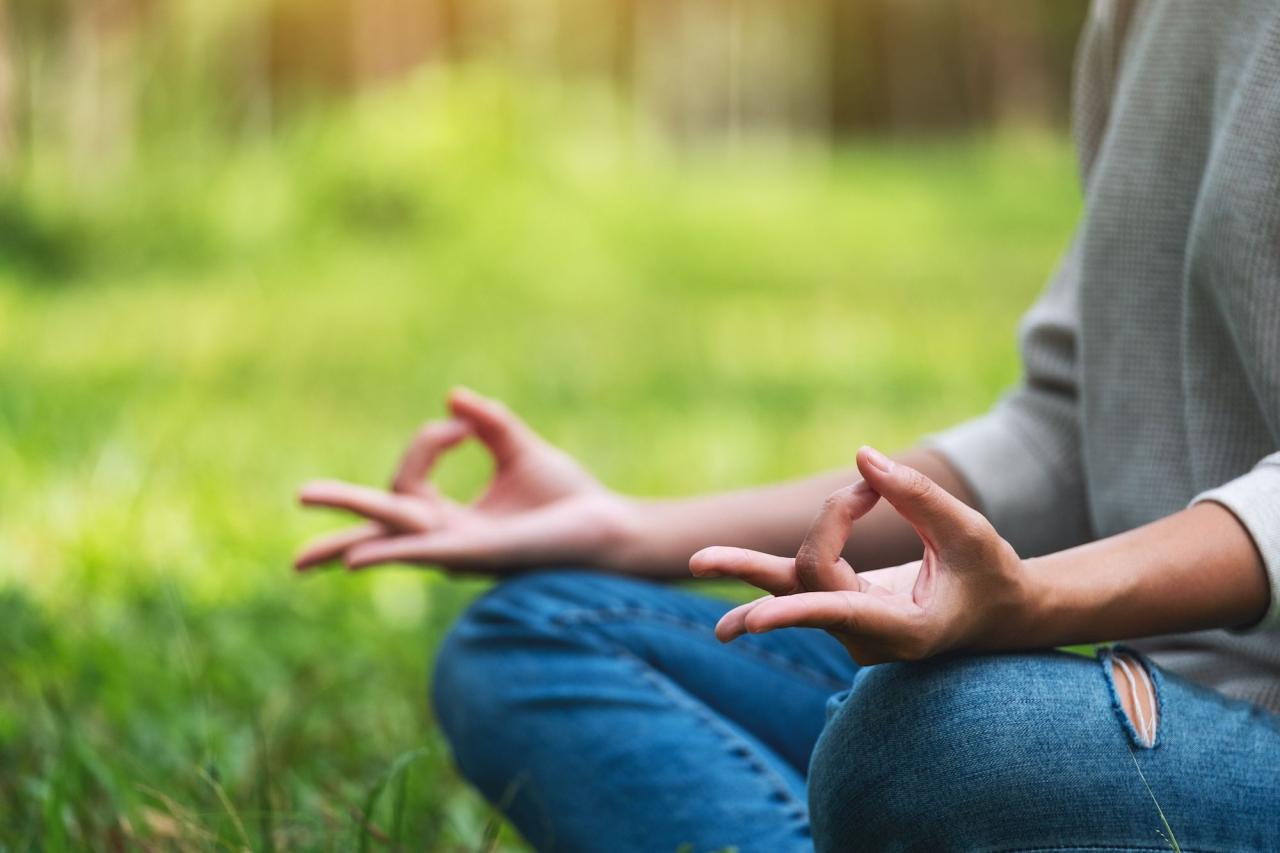
Meditation is a practiced technique that has been embraced across cultures and generations for its profound ability to promote mental clarity, emotional stability, and physical relaxation. For individuals new to meditation, initiating this journey can seem daunting but offers remarkable benefits that can positively influence daily life, including reduced stress, improved concentration, and enhanced overall well-being. Understanding the fundamentals of meditation sets a solid foundation for anyone eager to incorporate this practice into their routine.
Beginners should expect that meditation involves a commitment to regular practice, patience, and an open mind. Progress might initially feel slow, with occasional difficulty in maintaining focus or managing wandering thoughts. However, consistency is key, and over time, meditation can become a natural and rewarding part of daily life. It’s important to approach meditation without expectations of immediate perfection and to recognize that each session contributes to long-term benefits.
Fundamental Benefits of Starting Meditation
Embarking on a meditation practice yields numerous advantages that extend beyond momentary relaxation. Regular meditation can lead to significant improvements in mental health, emotional resilience, and physical health:
- Stress Reduction: Meditation helps calm the nervous system, decreasing the production of stress hormones such as cortisol. This results in a sense of tranquility and improved stress management.
- Enhanced Focus and Concentration: Consistent practice trains the mind to stay present, consequently boosting attention span and cognitive clarity in daily activities.
- Emotional Stability: Meditation fosters greater self-awareness and emotional regulation, which can reduce anxiety and depression symptoms.
- Physical Benefits: Regular practice can lower blood pressure, improve sleep quality, and strengthen the immune system.
What Beginners Can Expect When Learning to Meditate
Starting meditation involves an initial period of adjustment as the mind learns to settle into stillness. Beginners might notice a variety of experiences, such as fleeting thoughts, physical sensations, or feelings of impatience. These are natural parts of the process and should be viewed as opportunities for awareness rather than obstacles. As practice continues, individuals often experience increased mental clarity, a sense of calm, and greater emotional balance.
It is common for beginners to encounter challenges like difficulty focusing or feeling restless, especially during the first few weeks. These challenges diminish with regular practice and patience. Meditation sessions can vary in length, with many experts recommending starting with just five to ten minutes daily and gradually increasing duration as comfort and skill develop.
Common Misconceptions About Meditation and How to Overcome Them
Many individuals hold misconceptions about meditation that can hinder their willingness to begin or persist in practice. Clarifying these myths can foster a more realistic and approachable mindset:
| Myth | Reality |
|---|---|
| Meditation requires clearing the mind of all thoughts. | It is normal for thoughts to arise during meditation. The goal is not to eliminate thoughts but to observe them without attachment and gently return focus to the chosen point of attention, such as the breath. |
| Meditation is only for spiritual or religious people. | While meditation is rooted in spiritual traditions, it is widely adopted as a secular practice for mental and physical health benefits accessible to everyone, regardless of beliefs. |
| Beginners need special skills or talent to meditate effectively. | Meditation is a skill that improves with practice. No special talent is required, only consistency and patience. |
| It takes a long time to see benefits from meditation. | Many individuals notice immediate calming effects after a session, and long-term benefits accumulate over consistent practice, sometimes within weeks. |
| Meditation requires sitting in a specific posture or location. | Practicing in a comfortable position and any quiet place is acceptable. The key is consistency, not perfection of posture. |
Overcoming these misconceptions involves adopting an open mind, setting realistic expectations, and understanding that meditation is a flexible practice adaptable to individual needs and lifestyles. Regularly reminding oneself that progress is gradual and that the journey itself offers valuable insights can help sustain motivation and enjoyment in meditation practice.
Preparing for meditation sessions
Establishing an optimal environment and routine is essential for developing a consistent and effective meditation practice. Proper preparation helps cultivate a focused mindset, minimizes distractions, and enhances overall relaxation. By creating a dedicated space and setting a regular schedule, beginners can foster a habit that supports mindfulness and inner peace.
Thoughtful preparation involves considering physical surroundings, gathering necessary accessories, and establishing a routine that aligns with personal lifestyle. These steps serve as a foundation that allows meditation to become a natural and rewarding part of daily life, making the practice more accessible and sustainable over time.
Creating a conducive meditation environment
Designing a space that promotes calmness and comfort is vital for an effective meditation session. The environment should be free from external distractions and organized in a way that encourages relaxation and focus. Consider the following aspects:
| Lighting | Noise | Seating |
|---|---|---|
| Use soft, natural lighting such as diffused sunlight or warm lamps to create a peaceful ambiance. Avoid harsh or fluorescent lights that can cause discomfort or distraction. | Minimize noise by choosing a quiet area, turning off electronic devices, and using sound-masking tools like gentle background music or white noise machines if necessary. Silence or gentle sounds help anchor your focus inward. | Select a comfortable seat that supports a straight posture, such as a cushion, meditation mat, or chair. The goal is to maintain a relaxed yet alert position, avoiding physical discomfort that could interrupt concentration. |
Essential items and accessories for meditation
Gathering the right items can enhance comfort and effectiveness during meditation sessions. While not mandatory, these accessories support various meditation styles and preferences:
- Meditation cushion or bolster: Provides ergonomic support to maintain a comfortable seated posture for extended periods.
- Timer or meditation app: Helps in managing session duration without constant clock-watching, enabling focus on the practice itself.
- Blanket or shawl: Offers warmth and comfort, especially during colder seasons or for those who feel chilly while seated.
- Incense, candles, or essential oils: Creates a soothing atmosphere and aids in relaxation, though their use depends on personal preference and sensitivity.
- Comfortable clothing: Loose, breathable attire prevents physical discomfort and allows free movement of the body.
Establishing a consistent meditation schedule
Consistency in meditation practice is crucial for experiencing its full benefits. Setting a routine ensures that meditation becomes an integrated part of daily life rather than an occasional activity. Consider the following guidelines:
- Choose specific times during the day when you can dedicate uninterrupted moments, such as early morning or evening before bed. These times often align with natural circadian rhythms, making meditation more effective.
- Create a simple, achievable routine, starting with a few minutes daily and gradually increasing duration as comfort and experience grow.
- Use reminders or alarms to establish habit formation, ensuring that meditation sessions are not overlooked amid daily commitments.
- Link meditation to existing routines, like after brushing teeth or before starting work, to reinforce consistency through association.
- Maintain flexibility to adapt to changing schedules while striving for regularity, recognizing that even brief daily sessions are beneficial in fostering mindfulness and discipline.
Basic Meditation Techniques

Developing a foundational understanding of meditation techniques is essential for beginners seeking to establish a consistent and effective practice. Simple yet powerful methods can help cultivate mindfulness, reduce stress, and promote overall well-being. These techniques serve as the cornerstone for more advanced practices and can be easily integrated into daily routines with patience and persistence.
By mastering basic meditation techniques, beginners can enhance their ability to focus, develop greater self-awareness, and foster a sense of inner calm. Consistency and proper guidance are key to experiencing the full benefits of these practices.
Simple Breathing Exercises to Initiate Meditation Practice
Breathing exercises are fundamental to meditation, as they help anchor attention and promote relaxation. Focusing on breath allows practitioners to quiet the mind and enter a meditative state with relative ease. Here are some effective breathing techniques suitable for beginners:
Deep Belly Breathing: Inhale slowly through the nose, allowing the abdomen to rise as the lungs fill with air. Exhale gently through the mouth or nose, letting the abdomen fall. Repeat this process for several minutes to enhance oxygen flow and relax the nervous system.
Box Breathing: Inhale deeply through the nose for four seconds, hold the breath for four seconds, exhale slowly for four seconds, and pause for another four seconds before repeating. This technique helps regulate breathing, reduce anxiety, and improve focus.
Counting Breath: Inhale deeply while silently counting to four, then exhale slowly counting to four. Gradually increase the count as comfort allows. This method encourages sustained attention on the breath and aids in calming the mind.
Structured List of Guided Meditation Steps for Beginners
Following a step-by-step approach ensures beginners can establish a consistent and effective meditation routine. The structured process guides practitioners in creating a calm environment, focusing their attention, and gently returning to the present moment whenever distractions occur.
- Choose a quiet, comfortable space free from interruptions.
- Set a specific duration for the session, such as 5 or 10 minutes, and gradually increase as confidence grows.
- Sit in a relaxed but upright posture, either on a cushion, chair, or floor, ensuring the back is straight to facilitate alertness.
- Close the eyes softly or maintain a soft gaze directed downward.
- Begin with a simple breathing exercise, such as deep belly breathing or counting breaths, to anchor attention.
- Gently bring awareness to the present moment, observing sensations, sounds, or thoughts without judgment.
- If the mind wanders, acknowledge the distraction and calmly redirect focus back to the breath or chosen anchor.
- End the session by slowly opening the eyes, taking a moment to notice the surroundings, and expressing gratitude for the practice.
Comparison of Different Beginner Meditation Methods
The following table offers a comparative overview of popular meditation techniques suitable for beginners, highlighting their focus, benefits, and ideal contexts of use.
| Method | Main Focus | Benefits | Best Used For |
|---|---|---|---|
| Mindfulness Meditation | Present moment awareness | Reduces stress, enhances attention, improves emotional regulation | Managing daily stress, cultivating clarity |
| Breath Awareness Meditation | Focus on breathing patterns | Calms the nervous system, improves concentration | Beginners seeking quick relaxation |
| Loving-kindness Meditation (Metta) | Developing compassion | Increases feelings of empathy and social connection | Enhancing emotional well-being and connectedness |
| Body Scan Meditation | Physical sensations across the body | Relieves tension, enhances body awareness | Reducing physical and mental tension |
Posture and positioning
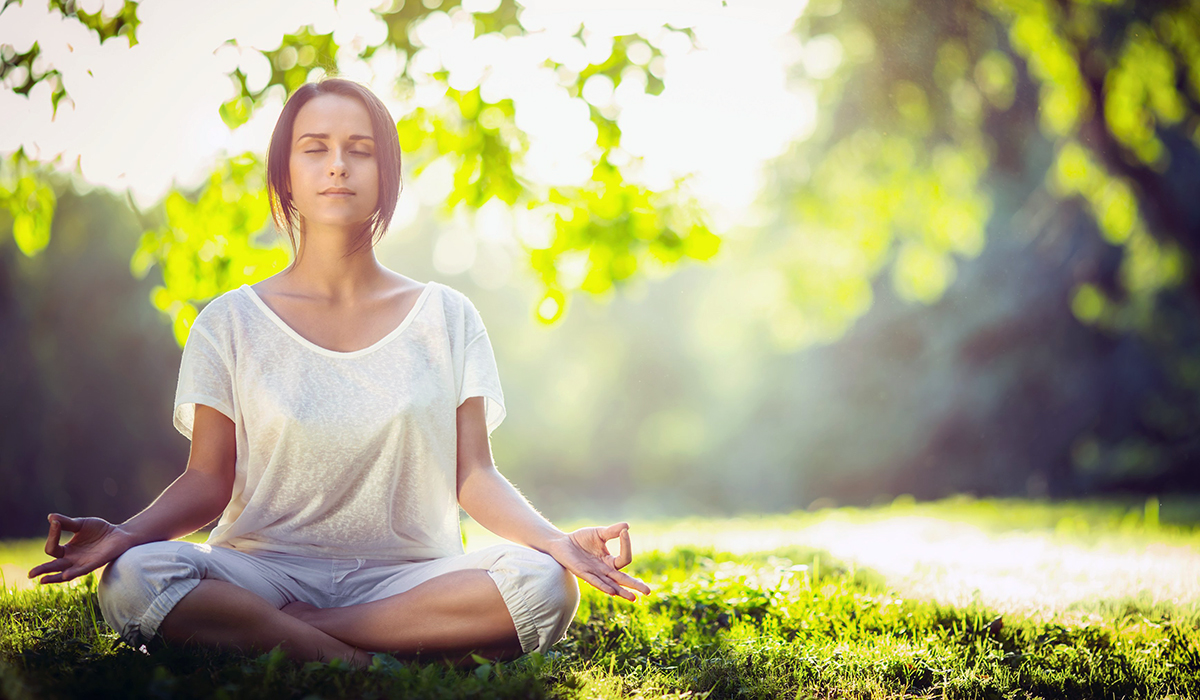
Maintaining proper posture during meditation is essential for enhancing comfort, focus, and alertness. The way you position your body influences your breathing, prevents discomfort, and helps you sustain your practice for longer periods. Correct posture aligns the body in a way that supports relaxed concentration, making your meditation sessions more effective and enjoyable.A well-aligned posture facilitates a balance between relaxation and alertness, reducing physical distractions and fostering mental clarity.
Whether you are seated, lying down, or walking, adopting the appropriate posture ensures your body remains comfortable and receptive to meditation. Proper positioning also helps prevent strain or injury, especially during extended sessions, allowing you to cultivate consistency in your practice.
Seated meditation postures
Seated postures are the most common for meditation, offering stability while enabling an upright yet relaxed position that promotes alertness. When choosing a seated position, focus on maintaining a straight spine, relaxed shoulders, and a gentle tilt of the chin.
- Full Lotus: Cross your legs with each foot resting on the opposite thigh. Sit on a cushion or a firm surface to elevate the hips and ensure the knees are comfortably touching the ground. Keep your back straight, chest open, and hands resting on your lap.
- Half Lotus: Place one foot on the opposite thigh while the other foot rests beneath the opposite knee. This position offers stability with less flexibility required than the full lotus.
- Sukhasana (Easy Pose): Sit cross-legged with legs comfortably crossed and feet resting beneath the knees. Keep your spine upright and shoulders relaxed. Use cushions or folded blankets if necessary to elevate hips for comfort.
- Chair Sitting: Sit on a chair with feet flat on the ground, hip-width apart. Keep your back straight and shoulders relaxed. Avoid leaning forward or backward excessively to maintain balance and alertness.
Lying meditation postures
Lying down is suitable for those with physical limitations or for relaxation-focused meditation, such as yoga nidra. The key is to maintain a position that supports the natural curve of the spine and minimizes discomfort.
When lying down, it is crucial to keep the body relaxed yet alert enough to prevent drifting into sleep. Using supports such as cushions or blankets beneath the knees can relieve lower back tension, while an even surface ensures stability.
Ensure your head, neck, and spine are aligned in a straight line. Your arms can rest gently by your sides or on your abdomen, depending on comfort.
Walking meditation postures
Walking meditation involves slow, deliberate steps that cultivate mindfulness and bodily awareness. The posture during walking meditation emphasizes stability, balance, and gentle movement.
Stand upright with a relaxed but attentive stance. Keep your head aligned with your spine, shoulders relaxed, and hands gently clasped in front or behind your back. Focus on each step, feeling the contact between your feet and the ground, and maintain a steady, natural gait.
During walking meditation, the body should remain relaxed yet alert, with a soft gaze directed downward or slightly ahead. The emphasis is on mindful movement rather than speed or athletic posture, fostering calmness and awareness in each step.
Tips for maintaining comfort and alertness
Maintaining comfort and alertness during meditation requires awareness of physical sensations and making adjustments to prevent discomfort from distracting you. Regularly check your posture, ensuring your spine remains straight without tension, and your shoulders are relaxed.
- Use cushions, supports, or blankets to elevate hips or relieve pressure points, especially if sitting for extended periods.
- Adjust your position periodically if you experience discomfort, without breaking your concentration or losing mindfulness.
- Wear loose, comfortable clothing that does not restrict movement or breathing.
- Maintain a gentle but alert focus, avoiding slouching or excessive stiffness that can cause fatigue.
- For lying meditation, ensure your head and neck are aligned, and support your knees or back as needed to prevent strain.
Visualize your body as a balanced structure with the head aligned above the shoulders, shoulders relaxed, spine lengthened, and hips evenly supported. This alignment promotes a sense of groundedness and clarity, essential for a productive meditation session.
Incorporating mindfulness into everyday life
Practicing mindfulness extends beyond formal meditation sessions and can be seamlessly integrated into daily routines. By cultivating present-moment awareness in everyday activities, individuals can enhance their mental clarity, reduce stress, and foster a greater sense of calm throughout the day. Developing these habits encourages a continuous state of mindfulness, making mindfulness a natural part of life rather than a separate practice.Mindfulness in daily routines involves paying close attention to the sensations, thoughts, and emotions experienced during routine activities.
This awareness helps break the cycle of automatic reactions and cultivates a more thoughtful, deliberate approach to life. Incorporating mindfulness into various aspects of daily life can significantly improve overall well-being and resilience against stressors.
Practicing mindfulness during daily activities
Mindfulness can be integrated into many everyday activities by consciously focusing on the present moment. For example, when eating, paying close attention to the taste, texture, and aroma of the food fosters a deeper appreciation and prevents overeating. During walking, feeling each step, noticing the sensation of the ground beneath your feet, and observing your surroundings enhances awareness. At work or during other routine tasks, remaining aware of your breathing, the task at hand, and your physical sensations helps maintain focus and reduces distraction.By consciously engaging with these activities, individuals can cultivate a heightened sense of presence and reduce mental clutter.
This ongoing practice nurtures a more mindful approach to life, making everyday moments more meaningful and less stressful.
Practical tips for staying present throughout the day
Maintaining mindfulness amid daily responsibilities can be challenging, but several practical strategies can help sustain this state of awareness. Incorporating these tips into daily life encourages consistent mindfulness, reducing stress and increasing overall satisfaction.
- Set reminders: Use alarms or notifications to prompt brief mindfulness pauses, especially during busy periods.
- Practice breathing exercises: Take slow, deep breaths during transitions between tasks or when feeling overwhelmed, focusing on the breath to center your attention.
- Limit multitasking: Focus on one activity at a time to improve concentration and reduce mental fragmentation.
- Engage the senses: Regularly tune into sensory experiences, such as the scent of coffee in the morning or the texture of fabric, to anchor your awareness in the present.
- Pause intentionally: Take brief pauses before responding to emails, phone calls, or stressful situations to reconnect with your breath and calm your mind.
Activities outside formal meditation sessions that enhance mindfulness
Engaging in specific activities designed to foster mindfulness can significantly enrich one’s overall practice. These activities serve as practical tools to cultivate presence and deepen awareness beyond structured meditation.
“Mindfulness is a way of befriending ourselves and our experience.” – Jon Kabat-Zinn
- Mindful eating: Savor each bite, paying attention to flavors, textures, and the act of chewing, which enhances enjoyment and digestion.
- Walking in nature: Focus on the sensation of your feet touching the ground, the sounds of birds or rustling leaves, and the feeling of the breeze against your skin, fostering a connection with the environment.
- Deep listening: Engage fully when listening to music, conversations, or nature sounds, without planning your response or judgment, to strengthen present-moment awareness.
- Creative activities: Painting, gardening, or playing music require focused attention, which naturally cultivates mindfulness through creative expression.
- Mindful chores: Tasks like washing dishes, folding clothes, or sweeping can become meditation-like experiences by paying close attention to each movement and sensation involved.
By consciously integrating these activities into daily life, individuals can sustain and deepen their mindfulness practice, leading to a more balanced, aware, and peaceful existence.
Overcoming common challenges for beginners
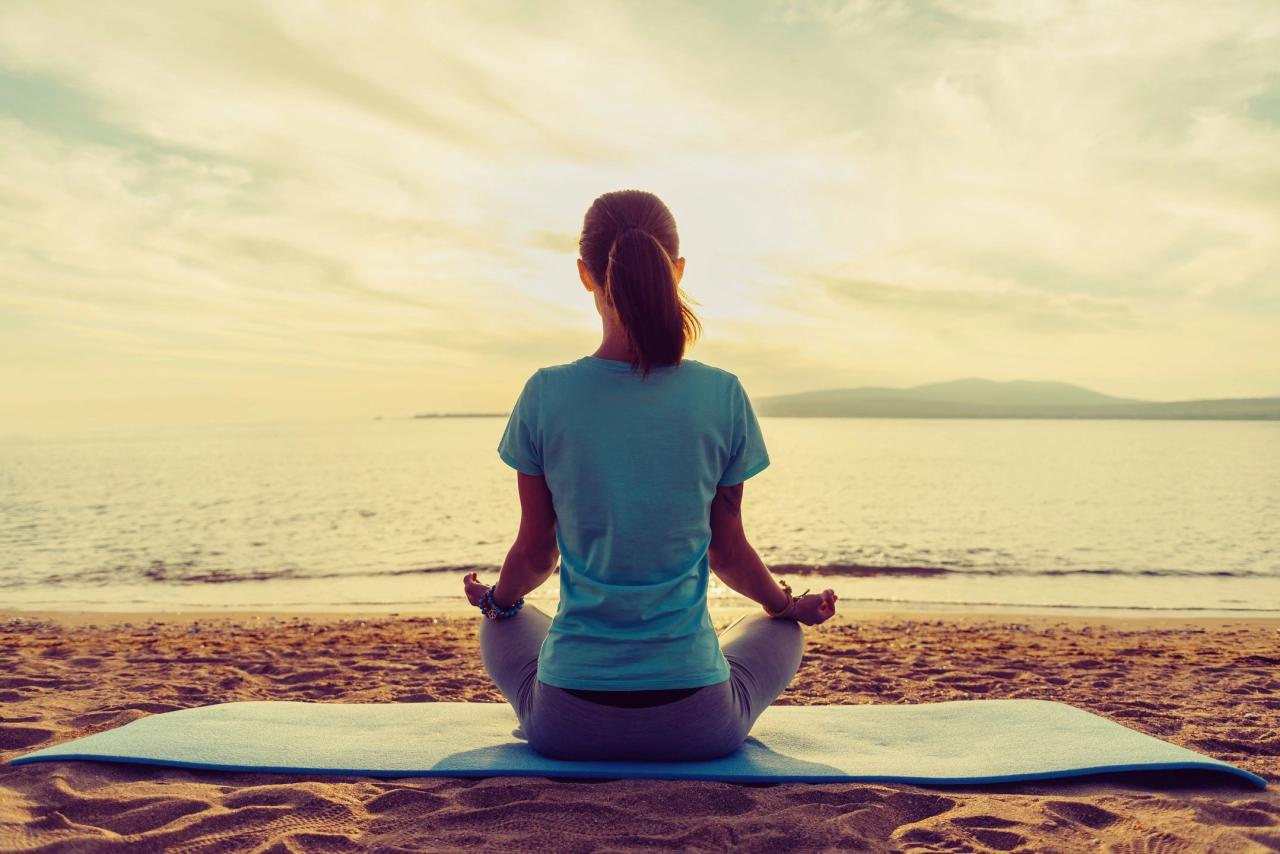
Starting a meditation practice can be a transformative experience, yet it often presents certain hurdles for newcomers. Recognizing and addressing these challenges early on can significantly enhance consistency and effectiveness. Many beginners face issues such as frequent distraction, wandering thoughts, waning motivation, and difficulty maintaining a regular practice. Approaching these obstacles with patience and practical strategies allows for a smoother journey into meditation.
Distractions and wandering thoughts are natural during meditation, especially when the mind is untrained. These interruptions can be discouraging but are an integral part of the process. Developing techniques to manage them effectively is essential for progress and sustained practice.Maintaining motivation and consistency can sometimes seem difficult, particularly when immediate results are not apparent. Implementing specific methods to reinforce commitment helps integrate meditation into daily routines, making it a sustainable habit.
When the mind drifts away from focus, gentle redirection with kindness and patience preserves the meditative state and encourages gradual improvement.
Dealing with distraction and wandering thoughts
Distraction and wandering thoughts are common challenges for beginners. The mind naturally tends to drift, especially in the initial stages of learning meditation. Recognizing that these experiences are normal encourages a more compassionate approach to practice.To effectively manage distractions, it is helpful to adopt the following strategies:
- Acceptance of distraction: Instead of fighting the wandering thoughts, accept their presence without judgment. Understand that each distraction provides an opportunity to practice patience and mindfulness.
- Use of anchor points: Focus on a specific object, sound, or sensation—such as the breath, a mantra, or ambient sounds—to anchor attention. When the mind drifts, gently bring it back to this anchor without frustration.
- Brief noting technique: When thoughts arise, silently label them as “thinking” or “wandering” and then redirect focus. This acknowledgment creates a gentle boundary between the mind and distraction, promoting self-awareness.
- Scheduled distraction periods: Allocate specific times during meditation for acknowledging wandering thoughts, which reduces resistance and helps in establishing a routine of gentle return.
Regular practice reinforces the ability to observe distractions and return focus with grace. Over time, these techniques foster a more resilient and focused meditation experience.
Maintaining motivation and consistency
Sustaining motivation is crucial for long-term benefits and integrating meditation into daily life. Beginners often find it challenging to stay committed, especially when immediate progress isn’t visible. Establishing a solid foundation of motivation involves setting realistic expectations and creating supportive habits.Effective methods to cultivate motivation include:
- Setting achievable goals: Define clear, manageable objectives such as meditating for five minutes daily or maintaining consistency for a week. Celebrating small milestones enhances motivation.
- Creating a dedicated space: Designate a specific, comfortable area for meditation. A familiar environment cues the mind to associate the space with practice, reinforcing habit formation.
- Scheduling routines: Integrate meditation into daily routines, such as morning wake-up or evening unwinding. Consistency in timing reduces decision fatigue and builds discipline.
- Tracking progress: Maintain a meditation journal or use apps to monitor practice frequency. Visible progress fosters a sense of achievement and encourages continuation.
- Seeking community support: Joining meditation groups or online communities can provide encouragement, accountability, and shared experiences that bolster motivation.
Recognizing that dedication and patience are key, beginners should focus on creating a sustainable practice that evolves naturally over time, rather than seeking immediate transformation.
Gently returning focus when the mind drifts
When the mind wanders during meditation, it is essential to approach the situation with compassion and patience. The act of noticing a drift and guiding focus back forms the core of mindful meditation, strengthening concentration over time.Methods for gentle focus redirection include:
- Soft acknowledgment: When noticing that the mind has wandered, acknowledge the distraction without self-criticism. Use phrases like “It’s okay” or “Just a moment” to foster acceptance.
- Use of a gentle reminder: Employ simple cues such as silently saying “back to the breath” or “return” to bring attention back to the chosen focus point. This keeps the process calm and non-judgmental.
- Breath as an anchor: Returning attention to the natural rhythm of breathing offers a soothing and accessible point of focus. Take a few deep, conscious breaths to reset before resuming meditation.
- Consistent practice: Regularly practicing the skill of gentle redirection enhances the ability to maintain focus, reducing the frequency and duration of distractions over time.
Remember, each redirection is a step forward in cultivating mindfulness. Approaching this process with kindness ensures that meditation remains a nurturing and rewarding practice, even when the mind is restless.
Developing a Meditation Routine

Establishing a consistent meditation routine is fundamental to experiencing its full benefits and integrating mindfulness into daily life. A well-structured routine not only enhances focus and relaxation but also fosters discipline, making meditation a natural part of everyday activities. For beginners, developing a reliable schedule requires intentional planning and ongoing commitment, which will facilitate steady progress and deepen the practice over time.Creating an effective meditation routine involves setting realistic goals, selecting appropriate times, and ensuring a quiet, comfortable environment that promotes concentration.
Consistency is key; practicing at the same time each day helps establish a habit that becomes effortless over time. Additionally, tracking progress and maintaining motivation are essential components to sustain this routine, especially during challenging periods when motivation wanes.
Step-by-step guidance for establishing a daily meditation habit
- Select a dedicated time each day: Choose a time when you are least likely to be interrupted, such as early morning or before bedtime. Consistent timing helps reinforce the habit and aligns meditation with your daily rhythm.
- Start with manageable sessions: Begin with short periods, such as 5 to 10 minutes, and gradually increase duration as comfort and familiarity grow. This approach prevents overwhelm and encourages adherence.
- Designate a specific space: Create a tranquil corner free from distractions, with minimal noise and clutter. A designated spot signals your brain that it is time to meditate, fostering a psychological cue that enhances routine formation.
- Use reminders and cues: Set daily alarms or notifications, and incorporate visual cues like a meditation cushion or a specific object to reinforce the habit.
- Establish a pre-meditation ritual: Engage in calming activities beforehand, such as light stretching or deep breathing, to signal the transition into meditation.
- Stick to a consistent schedule: Maintain the routine daily, even if sessions are brief or interrupted. Consistency solidifies the habit and nurtures long-term commitment.
Tracking progress and staying committed
To sustain motivation and observe growth, it is helpful to monitor your meditation journey. Tracking practices can include maintaining a journal, using mobile apps, or creating visual charts. Recording details like session duration, feelings before and after meditation, and any challenges encountered offers valuable insights and encourages reflection. Celebrating milestones, such as completing a week or month of daily practice, reinforces positive behavior and boosts motivation.Staying committed often involves cultivating patience and forgiving occasional lapses.
Recognizing that consistency outweighs perfection helps prevent frustration. Engaging with online meditation communities or joining local groups can provide additional support, accountability, and shared experiences that foster perseverance.
Sample weekly meditation schedule
| Day | Time | Duration | Focus/Type |
|---|---|---|---|
| Monday | 6:30 AM | 10 minutes | Breathing awareness |
| Tuesday | 6:30 AM | 10 minutes | Body scan |
| Wednesday | 6:30 AM | 15 minutes | Mindfulness of thoughts |
| Thursday | 6:30 AM | 10 minutes | Loving-kindness meditation |
| Friday | 6:30 AM | 15 minutes | Focused attention on breath |
| Saturday | 7:00 AM | 10 minutes | Walking meditation |
| Sunday | 7:00 AM | 20 minutes | Silent meditation, reflection |
Adjust the schedule to fit personal preferences and daily commitments. The key is consistency and gradually expanding practice duration and variety to deepen your meditation experience.
Resources for further learning
Embarking on a meditation journey benefits greatly from ongoing education and community support. There are numerous resources available to deepen understanding, refine techniques, and build a sustained meditation practice. Whether through books, digital applications, online courses, or community groups, these tools can enhance your experience and provide guidance tailored to beginners seeking to establish a meaningful meditation routine.To maximize the benefits of meditation, it is helpful to explore diverse formats of learning and connect with like-minded individuals.
This section highlights some of the most reputable resources, including recommended books, mobile apps, online courses, and ways to engage with meditation communities. Additionally, it discusses how to effectively utilize guided recordings, which serve as valuable tools, especially for beginners still developing their comfort and confidence in meditation practices.
Recommended books, apps, and online courses for beginners
There is a wide array of resources designed specifically for those new to meditation, offering foundational knowledge, practical exercises, and motivational insights. Selecting reputable sources can significantly enhance your learning experience.
- Books: Popular titles such as “The Miracle of Mindfulness” by Thich Nhat Hanh, “Wherever You Go, There You Are” by Jon Kabat-Zinn, and “Meditation for Beginners” by Jack Kornfield provide accessible introductions, practical guidance, and philosophical insights suitable for novices.
- Apps: Meditation apps like Headspace, Calm, and Insight Timer offer guided meditations, timers, and progress tracking features. These apps often include specific programs for beginners, making it easier to establish a consistent practice.
- Online Courses: Platforms such as Coursera, Udemy, and The Mindfulness-Based Stress Reduction (MBSR) program offer structured courses taught by experienced instructors. These courses typically include video lessons, guided practices, and community forums, providing a comprehensive learning environment.
Joining meditation groups or communities
Being part of a meditation community provides motivation, accountability, and the opportunity to learn different perspectives and techniques. Participating in groups fosters a sense of shared purpose and can deepen your understanding of meditation.
Local meditation centers, spiritual groups, or wellness clubs often host regular sessions, workshops, and retreats. Many communities also operate online forums and social media groups dedicated to meditation practices, allowing members worldwide to share experiences, ask questions, and offer mutual support.
Engaging with these groups can help beginners feel less isolated in their practice, gain insights from experienced practitioners, and receive encouragement during challenging phases of establishing a routine. It is beneficial to explore local resources initially, then expand into online communities for broader access and diverse perspectives.
Using guided recordings effectively
Guided recordings are an essential resource for beginners, offering step-by-step instructions and a structured approach to meditation. When used correctly, they can significantly enhance focus, consistency, and confidence.
“Guided meditations serve as a gentle support system, helping beginners navigate the initial challenges of silence and stillness.”
To maximize their benefits, listen to guided recordings in a quiet, comfortable environment where you can fully relax without interruptions. Starting with shorter sessions, around 5 to 10 minutes, helps build familiarity and reduces resistance or frustration.
Consistently using guided recordings at the same time each day can help establish a routine. As confidence and skills improve, gradually increase the duration and explore different styles or themes, such as stress reduction, loving-kindness, or body scans. Taking notes on personal experiences during each session can also help track progress and identify preferences.
Concluding Remarks
In summary, starting meditation is a valuable investment in your mental health and overall happiness. By adopting simple techniques, establishing a routine, and staying patient, you can unlock the profound benefits of meditation. Embrace the journey, and enjoy the positive changes it brings to your life.