Learning how to meditate for joy offers a meaningful pathway to enhance well-being and cultivate genuine happiness. By focusing on practices that foster positive emotions, individuals can experience profound shifts in their mental and emotional states. Regular engagement in joyful meditation can lead to increased contentment, improved mental clarity, and a more optimistic outlook on life.
This guide explores effective techniques, preparation steps, and routines designed to help you harness the power of meditation to bring more joy into your daily experience. Whether you are a beginner or an experienced practitioner, understanding how to meditate for joy can unlock new levels of emotional harmony and inner peace.
Introduction to Meditating for Joy
Practicing meditation with a focus on cultivating joy is a profound way to enhance overall well-being and foster a more positive outlook on life. Unlike traditional meditation techniques that often aim for emptiness or mindfulness of the present moment, joyful meditation intentionally directs attention toward feelings of happiness, gratitude, and love. This approach encourages individuals to tap into their inner sources of joy, nurturing a sustained sense of contentment and emotional resilience.
Engaging in regular joyful meditation offers numerous benefits, including improved mood, reduced stress levels, and increased emotional balance. Over time, practitioners often experience a heightened capacity to find happiness in everyday moments and to carry a sense of positivity into their interactions and daily routines. Moreover, cultivating joy through meditation can help shift habitual thought patterns that tend to focus on negativity or worry, fostering a more optimistic outlook on life.
Common Misconceptions about Meditation for Joy
Despite its many advantages, there are several misconceptions surrounding meditation aimed at cultivating joy. One common myth is that joyful meditation requires a person to suppress negative emotions or dismiss difficulties, which is not the case. Instead, it involves acknowledging all feelings while consciously choosing to focus on positive aspects or feelings of happiness.
Another misconception is that meditation for joy produces instant happiness or that it is a quick fix for emotional issues. In reality, the process requires consistent practice and patience. Over time, it gradually rewires the brain’s response to life situations, fostering a more joyful outlook. Additionally, some believe that joyful meditation is only suitable for already happy individuals, but it is equally beneficial for those experiencing distress, as it provides tools to enhance emotional well-being regardless of current circumstances.
Preparing for Joyful Meditation

Creating a serene and inviting environment is essential to cultivate a mindset receptive to joy during meditation. Proper preparation helps in anchoring your awareness, reducing distractions, and fostering a sense of openness that enhances the experience of happiness and contentment. Establishing clear intentions and choosing appropriate postures and breathing techniques further aligns your focus towards cultivating joy within your practice.
Achieving a joyful meditation begins well before sitting down. It involves preparing both the physical space and your mental state to foster positivity and relaxation. This structured approach ensures that each session is meaningful and effective in nurturing happiness and emotional well-being.
Creating a Calming Environment
The foundation of joyful meditation is a tranquil setting that promotes relaxation and mental clarity. Use the following steps to establish such an environment:
- Choose a Quiet Location: Select a space where external noises and interruptions are minimal. This could be a dedicated corner in your home, a peaceful garden, or a quiet room away from busy household activities.
- Ensure Comfortable Seating: Use a cushion, meditation bench, or chair that supports an upright yet relaxed posture. Comfort reduces physical distractions, allowing deeper focus.
- Declutter and Personalize: Remove unnecessary clutter to create a visually calming space. Add elements that evoke positivity, such as a small plant, calming images, or personal tokens that inspire happiness.
- Adjust Lighting and Ambience: Use soft, warm lighting or natural light to create a soothing atmosphere. Consider diffusing gentle essential oils, such as lavender or citrus, which can elevate mood and promote relaxation.
- Minimize Distractions: Turn off electronic devices or set them to silent mode. Inform household members of your meditation time to prevent interruptions.
Setting Intentions for Happiness
Intention setting is a powerful practice that guides your meditation towards joyful outcomes. Clear, positive intentions align your mind and emotional state, making it easier to access feelings of happiness during your session. Consider the following techniques:
- Clarify Your Goal: Decide whether your intention is to cultivate gratitude, compassion, or simply experience pure joy. Specificity helps focus your mind and deepens your emotional engagement.
- Use Affirmative Statements: Formulate positive affirmations such as,
“I am open to experiencing joy and happiness in this moment.”
or
“I cultivate gratitude for the present.”
These statements serve as gentle reminders and reinforce your focus during meditation.
- Visualize Joyful Outcomes: Envision scenes or memories that evoke happiness, such as a cherished moment with loved ones or a serene natural landscape. Visualization anchors your intention in vivid imagery, amplifying positive feelings.
- Write Down Your Intentions: Journaling your goals before meditation reinforces your commitment and clarifies your focus. Revisit your intentions regularly to deepen their influence.
Postures and Breathing Techniques to Enhance Joyful Focus
Optimal posture and breathing are vital in fostering a joyful meditative state. They help in balancing the body and mind, promoting a relaxed yet alert condition conducive to experiencing happiness naturally.
Adopting the right posture ensures physical comfort and energy flow, while mindful breathing techniques anchor your awareness and elevate your mood.
| Posture | Description |
|---|---|
| Sitting Upright | Maintain a seated position with your back straight but not stiff. Keep your shoulders relaxed and your head aligned with your spine. This posture supports alertness and openness. |
| Cross-Legged or Lotus Position | Common for traditional meditation, this position promotes stability. Use cushions if necessary to elevate your hips for comfort. |
| Lying Down | Suitable for restorative sessions, lying on your back with arms at your sides. Ensure your body is fully supported to prevent discomfort or drowsiness. |
Breathing techniques that facilitate joy include:
- Deep Diaphragmatic Breathing: Inhale slowly through your nose, expanding your abdomen, then exhale gently through your mouth or nose. This type of breathing calms the nervous system and enhances positive emotions.
- Loving-Kindness Breathing: Combine breath with visualization of sending love and kindness to yourself and others. Inhale while imagining receiving joy, exhale by extending that joy outward.
- Resonant or Coherent Breathing: Breathe at a steady rate, typically around five breaths per minute, to synchronize heart rate and promote emotional balance, fostering feelings of happiness and well-being.
“Breathing with awareness not only calms the mind but also opens the heart to experience joy more fully.”
Techniques and Practices to Foster Joy
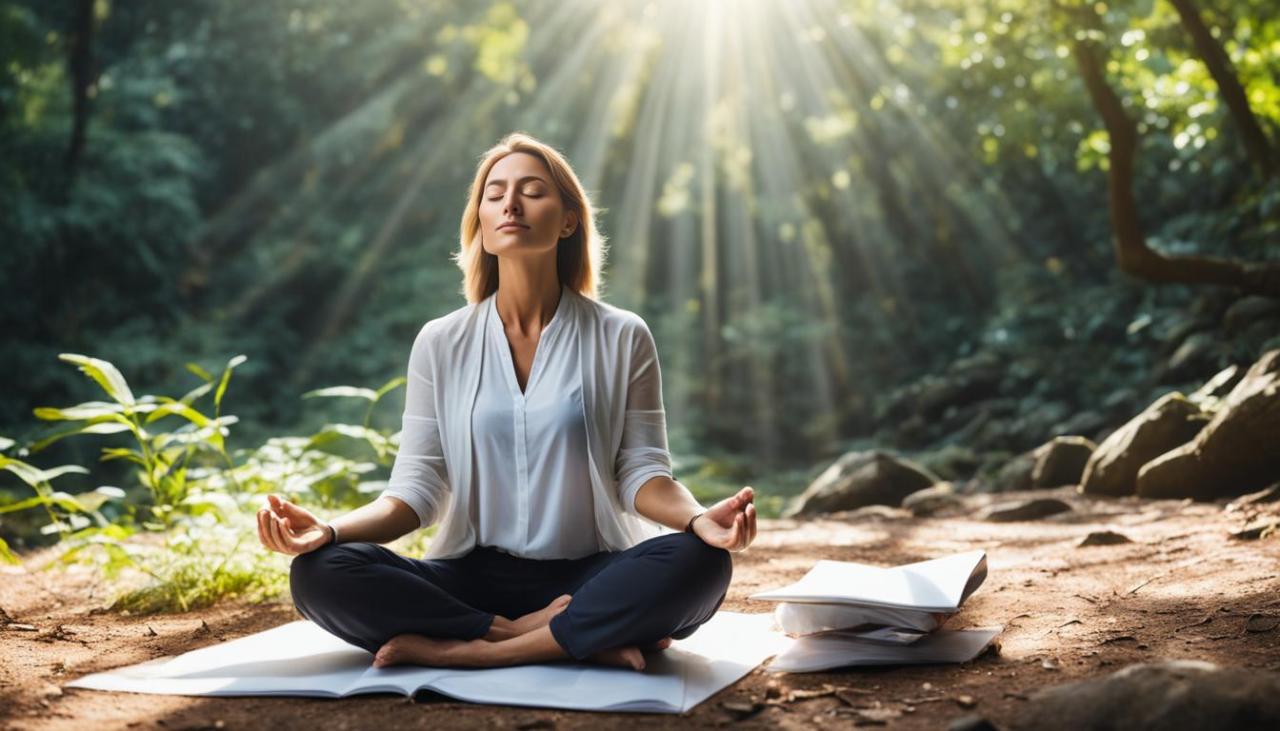
Fostering joy through meditation involves engaging in specific practices that cultivate positive emotions, gratitude, and heartfelt connection. These methods can enhance overall well-being, increase resilience to stress, and promote a sustained feeling of happiness. Incorporating such techniques into a regular meditation routine allows practitioners to experience deeper levels of contentment and emotional balance, enriching everyday life with a sense of peace and fulfillment.
Below are some of the most effective meditation methods designed to evoke joy, including loving-kindness, gratitude, and visualization exercises. Each practice offers unique pathways to deepen feelings of happiness and create a positive mental environment conducive to sustained joy.
Loving-Kindness Meditation (Metta)
This technique focuses on cultivating unconditional love and compassion towards oneself and others. It involves silently repeating phrases or affirmations that promote feelings of warmth and goodwill. Practicing loving-kindness meditation helps dissolve feelings of resentment or negativity, replacing them with genuine care and joy.
- Begin by finding a comfortable seated position and closing your eyes.
- Take several deep breaths to center yourself and focus on your heart area.
- Silently repeat phrases such as “May I be happy, may I be healthy, may I be safe, may I live with ease.”
- Gradually extend these wishes to loved ones, acquaintances, and even to those with whom you may have difficulties, fostering universal compassion.
- Conclude by enveloping yourself in feelings of warmth, contentment, and joy that arise from these wishes.
Gratitude Meditation
This practice emphasizes recognizing and appreciating the positive aspects of life, which enhances feelings of joy and contentment. Regular gratitude meditation shifts focus away from scarcity or dissatisfaction and instead fosters abundance and appreciation.
- Find a calm space and sit comfortably, closing your eyes if preferred.
- Take several deep, calming breaths to settle your mind.
- Bring to mind specific people, experiences, or things you are grateful for.
- Visualize each element vividly, allowing feelings of gratitude to intensify with each thought.
- Spend a few moments soaking in the warmth and happiness generated by these feelings before concluding.
Visualization Exercises for Joy
Visualization techniques involve creating vivid mental images that evoke feelings of happiness, contentment, and fulfillment. These exercises can tap into the imagination to manifest joyful states, often resulting in a real sense of well-being and positivity.
- Begin by sitting comfortably and closing your eyes, taking deep breaths to relax.
- Imagine yourself in a place where you feel completely at peace and joyful—this could be a favorite natural setting, a joyful memory, or a serene imaginary landscape.
- Visualize details vividly: the colors, sounds, textures, and sensations associated with this joyful scene.
- Allow the feelings of happiness, contentment, and warmth to grow stronger as you immerse yourself in this visualization.
- Maintain the scene for several minutes, then gently bring your awareness back to the present while holding onto the joyful feelings generated.
Comparison of Joyful Meditation Practices
| Practice | Purpose | Duration | Benefits |
|---|---|---|---|
| Loving-Kindness Meditation (Metta) | To cultivate feelings of compassion, love, and joy for oneself and others. | 15-20 minutes | Enhanced emotional resilience, increased feelings of connection, reduction in negative emotions. |
| Gratitude Meditation | To foster appreciation and positive outlooks by focusing on things to be grateful for. | 10-15 minutes | Improved mood, increased happiness, decreased stress, and greater overall life satisfaction. |
| Visualization Exercises for Joy | To evoke happiness and contentment through vivid mental imagery. | 10-15 minutes | Rapid emotional uplift, enhanced positive outlook, and relaxation. |
| Combined Practice | To integrate multiple techniques for a comprehensive joyful experience. | 20-30 minutes | Deepened feelings of joy, emotional balance, and resilience. |
Guided Imagery Exercises Evoking Joy and Contentment
Guided imagery involves actively imagining peaceful, joyful scenes to evoke positive emotions. These exercises can be guided by recording or live guidance, allowing practitioners to immerse themselves fully and access feelings of profound contentment.
“Imagine yourself in a lush, vibrant garden during springtime. Bright flowers bloom around you, their fragrances wafting through the air. You hear the gentle hum of bees and the cheerful chirping of birds. As you walk along a soft, mossy path, you feel the warm sun on your skin and a gentle breeze caressing your face. With each step, you feel more relaxed, happy, and content, immersed in this serene, joyful environment.”
During this exercise, focus on sensory details and allow yourself to experience emotions of happiness and peace. Visualize the scene vividly, engaging all your senses—sight, sound, smell, touch, and taste—to deepen the emotional impact. Repeating such visualizations regularly can cultivate a sustained sense of joy and contentment that extends beyond the meditation session.
Developing a Personal Meditation Routine for Joy

Establishing a consistent meditation routine centered around joy can profoundly enhance overall well-being and emotional resilience. Creating a personalized schedule ensures that joyful meditation becomes an integral part of daily life, fostering a sustained sense of happiness and inner peace. By designing a routine tailored to individual preferences, practitioners can cultivate greater mindfulness and positivity over time, leading to a more joyful existence.Developing this routine involves mindful planning, setting clear intentions, and integrating joyful practices seamlessly into daily activities.
Consistency and adaptability are key to maintaining long-term engagement, allowing meditation to become a natural and enjoyable habit that nurtures happiness.
Establishing a Daily Joyful Meditation Schedule
Implementing a daily meditation schedule dedicated to cultivating joy requires thoughtful planning and a realistic approach tailored to personal lifestyles. Consistent practice helps reinforce positive neural pathways and enhances emotional stability.Begin by selecting a specific time each day that aligns with your natural energy peaks, such as early morning or late evening, when distractions are minimal. Allocate a manageable duration—start with 5 to 10 minutes—and gradually extend this as comfort and familiarity grow.
Creating a dedicated, calming space can reinforce the habit and signal your mind that it’s time for joyful reflection. Incorporate gentle reminders or alarms initially to establish the routine, and adjust as necessary to avoid feeling overwhelmed.
- Set a fixed daily time for meditation, preferably during periods of calm and least interruption.
- Choose a tranquil, comfortable environment free from distractions to enhance focus and relaxation.
- Begin with short sessions, gradually increasing duration as confidence and familiarity build.
- Use consistent cues or rituals, such as lighting a candle or playing soft music, to signal the start of your practice.
- Maintain flexibility to adapt the schedule based on daily commitments, ensuring the practice remains enjoyable rather than burdensome.
Designing a Progress and Emotional Shift Tracking Template
Tracking progress provides valuable insights into how joyful meditation influences emotional states and overall happiness. A simple yet effective template can help identify patterns, monitor improvements, and motivate continued practice.A practical tracking method includes a journal or digital spreadsheet formatted to record daily entries. Each entry might include the date, duration of the session, specific joyful affirmations used, and a subjective rating of emotional state before and after meditation.
Additional notes on any noticeable shifts in mood, energy levels, or outlook can deepen understanding of the routine’s impact.Here is a basic example of a tracking template:
| Date | Session Duration | Affirmations Used | Pre-Meditation Mood (1-10) | Post-Meditation Mood (1-10) | Remarks / Emotional Shifts |
|---|---|---|---|---|---|
| 2024-04-21 | 10 minutes | “I am deserving of happiness.” | 4 | 8 | Felt calmer and more optimistic afterward. |
| 2024-04-22 | 8 minutes | “Joy is my natural state.” | 5 | 7 | Noticed increased energy during the day. |
Regular review of this data can reveal trends, such as improvements in mood stability or heightened feelings of joy, encouraging continued commitment and refinement of practices.
Incorporating Joyful Affirmations into Meditation Sessions
Integrating positive affirmations into meditation sessions enhances the focus on joy and reinforces a positive self-concept. Affirmations serve as mental cues that reprogram subconscious thought patterns towards happiness and contentment, making the practice more impactful.Begin by selecting affirmations that resonate personally, such as “I am worthy of happiness,” “Joy flows through me effortlessly,” or “Each breath brings me closer to inner peace.” During meditation, repeat these affirmations silently or aloud, synchronizing their repetition with breath cycles or a gentle rhythm to deepen their effect.
Visualizing the affirmation as a light or energy surrounding you can amplify its impact and foster a genuine sense of joy.For example, a typical session might involve settling into a comfortable posture, closing the eyes, and taking several deep breaths. As you exhale, silently repeat a chosen affirmation. Visualize the words as a luminous sphere of joy enveloping your heart, allowing the affirmation to embed itself within your subconscious.
Consistent practice of affirmations can rewire thought patterns, making joy an innate part of your mental landscape.Incorporate a variety of affirmations over time to address different aspects of joy, such as gratitude, self-acceptance, and positivity. This dynamic approach keeps the practice engaging and effective, promoting a sustained sense of happiness through meditation.
Overcoming Common Challenges in Joyful Meditation

Practicing meditation to cultivate joy is a rewarding journey, yet it often presents certain challenges that can hinder progress. Recognizing these difficulties and implementing effective strategies ensures a more consistent and enriching experience. By addressing common obstacles such as distractions, emotional disconnect, and frustration, practitioners can deepen their practice and foster a genuine sense of joy through meditation.Distractions and wandering thoughts are among the most prevalent hurdles faced during meditation.
The mind’s natural tendency to drift away from the focus on joyful feelings can diminish the effectiveness of the practice. Developing awareness of these distractions and gently redirecting attention back to the intended emotional state is essential. Maintaining focus requires patience and a compassionate attitude toward oneself, understanding that occasional lapses are part of the process rather than failures.Deepening emotional connection during meditation enhances the experience of joy.
Techniques that cultivate mindfulness and foster emotional resonance can strengthen this connection. Engaging in visualizations or affirmations that evoke feelings of happiness, gratitude, and love can be particularly effective. It is also beneficial to observe and accept one’s emotional landscape without judgment, allowing positive emotions to deepen naturally.Handling frustration or impatience is crucial in maintaining a joyful meditation practice. Progress may sometimes seem slow, and feelings of inadequacy or annoyance may arise.
Approaching these feelings with kindness and understanding prevents them from disrupting the meditation. Incorporating gentle breathing exercises or short breaks when frustration intensifies can help restore calmness and patience. Remembering that cultivating joy is a gradual journey encourages perseverance and resilience.
Addressing Distractions and Maintaining Focus
- Recognize that wandering thoughts are natural and not a sign of failure. Gently bring awareness back to the breath, feelings of joy, or other focal points without self-criticism.
- Implement anchor techniques, such as focusing on the sensation of the breath or a specific positive visualization, to help sustain attention on joyful feelings.
- Set aside a quiet, comfortable space for meditation to minimize external disruptions, and establish a consistent routine to condition the mind for focused practice.
Deepening Emotional Connection During Meditation
- Use visualization methods to imagine scenarios that evoke happiness, love, or gratitude, intensifying the emotional experience.
- Practice affirmations that reinforce positive feelings, such as “I am worthy of happiness” or “Joy flows through me effortlessly.”
- Observe and accept all emotions without judgment, allowing positive feelings to expand and deepen naturally within the meditation space.
Handling Frustration or Impatience When Cultivating Joy
- Acknowledge feelings of frustration as a normal part of the process, reframing them as opportunities for growth rather than setbacks.
- Incorporate short breathing exercises, such as deep diaphragmatic breaths, to regain calmness and patience during challenging moments.
- Remind oneself that cultivating genuine joy is a gradual process that requires persistence, compassion, and consistency, rather than immediate results.
Enhancing Meditation with Additional Practices

Engaging in supplementary activities alongside your meditation routine can deepen your experience of joy and solidify positive emotional states. These practices serve to reinforce the feelings of happiness, gratitude, and serenity cultivated during meditation, creating a more holistic approach to fostering joy in daily life. When integrated thoughtfully, they can amplify the benefits of your meditation sessions, making joy more accessible and enduring.Complementary activities such as journaling, mindful movement, visualization techniques, and sensory enhancements help to reinforce joyful states and create a more immersive experience.
These practices support a sustained sense of well-being, allowing the positive emotions cultivated during meditation to spill over into everyday activities, thus building a resilient foundation of joy.
Journaling and Reflective Practices
Journaling after meditation sessions allows individuals to capture and process their experiences of joy. Writing about moments of happiness, gratitude, or insights gained during meditation can help embed these feelings into conscious awareness. This reflective practice encourages mindfulness beyond the meditation cushion and creates a record of joyful progress over time. Keeping a dedicated joyful meditation journal also helps identify patterns, triggers, and techniques that evoke the most profound feelings of happiness.
- Set aside a few minutes after each session to write about your experiences, focusing on sensations of joy, gratitude, or lightness.
- Use prompts such as “What brought me happiness today?” or “How did I feel during my meditation?” to guide reflections.
- Review journal entries periodically to recognize growth and reinforce positive emotional patterns.
Mindful Movement and Body Awareness
Incorporating gentle mindful movement, such as yoga, tai chi, or walking meditation, can significantly enhance feelings of joy by engaging the body in awareness and releasing tension. Movement grounded in mindfulness helps anchor the meditative state in physical sensations, promoting a sense of vitality and presence. These activities serve as an extension of meditation, allowing joyful feelings to be expressed and experienced kinesthetically.
- Practice slow, deliberate movements while maintaining awareness of bodily sensations and breath.
- Choose movements that evoke positive feelings, such as flowing sequences or playful stretches.
- Combine movement with breathing exercises to deepen relaxation and elevate mood.
Visualization and Imagery Techniques
Deepening feelings of joy through visualization involves intentionally imagining scenarios or images that evoke happiness and serenity. Guided imagery can enhance the meditative experience by creating vivid mental pictures that activate the brain’s reward centers. For example, visualizing a sunlit meadow, a joyful childhood memory, or a moment of personal achievement can intensify positive emotions.
“Visualization acts as a mental rehearsal of joy, enabling you to cultivate happiness beyond the meditation session.”
- Close your eyes and imagine a scene that naturally makes you smile, filling the scene with vibrant colors and sounds.
- Use all your senses to make the imagery as real as possible, engaging sight, sound, smell, touch, and taste.
- Repeat positive affirmations within the visualization, reinforcing feelings of joy and gratitude.
Using Sensory Enhancements
Integrating sensory inputs like music, nature sounds, or fragrances can significantly amplify the joyful experience during meditation. These elements create a multisensory environment that supports relaxation and happiness by stimulating the brain’s pleasure pathways and promoting positive associations.
- Choose calming music or uplifting melodies that resonate with your personal taste and evoke feelings of happiness.
- Incorporate nature sounds such as flowing water, birdsong, or gentle wind to connect with peaceful natural environments.
- Use essential oils or scented candles with fragrances like lavender, citrus, or rose to enhance mood and relaxation.
When incorporating these sensory elements, ensure they complement rather than distract from your meditation. Experiment with different combinations to discover what best elevates your joyful state, and integrate these practices regularly to build a resilient and enriched meditation routine.
Illustrative Examples and Deep Descriptions
Meditating for joy becomes more meaningful and accessible when we incorporate vivid mental imagery, positive affirmations, and an environment conducive to peace and happiness. These elements help foster a deep sense of well-being and reinforce the joyful state you aim to cultivate during your meditation practice. By engaging all senses through detailed descriptions and creating a supportive space, practitioners can enhance their ability to experience genuine joy and tranquility.Creating mental imagery that evokes happiness involves visualizing scenes that resonate with warmth, love, and serenity.
Such imagery acts as a mental sanctuary, allowing the mind to connect with positive emotions effortlessly. Additionally, employing affirmations and visualizations of joyful scenarios can reinforce feelings of gratitude, contentment, and hope, making meditation more impactful and accessible.
Vivid Mental Imagery for Happiness and Peace
Mental imagery is a powerful tool in meditative practices, especially when aimed at cultivating joy. Images that invoke happiness often include scenes rich with sensory details, allowing the mind to fully immerse in the experience.For example, envision a sunlit meadow where gentle breezes sway tall grasses and wildflowers in vibrant colors—yellow, purple, and pink—while bees buzz softly nearby. Imagine the warmth of the sunlight caressing your skin, and the sweet scent of blooming flowers filling the air.
Visualize yourself sitting comfortably amidst this natural beauty, feeling a sense of profound peace and contentment. The vividness of the colors, the warmth of the sun, and the gentle sounds help anchor positive feelings, making the experience more tangible and emotionally resonant.Another example involves imagining a tranquil lakeside at dawn, where the water reflects a sky painted with soft hues of pink and orange.
You can picture yourself walking along the shoreline, hearing the gentle lapping of water against rocks, and feeling a cool breeze on your face. Such detailed scenes evoke serenity and a deep sense of connection with nature, promoting inner calm and joy.
Positive Affirmations and Visualizing Joyful Scenarios
Positive affirmations serve as mental anchors that reinforce feelings of happiness and self-worth. When combined with visualization, they can significantly enhance the meditative experience.Practitioners may repeat affirmations such as, “I am worthy of happiness,” “Joy flows easily through me,” or “I am surrounded by love and positivity.” To deepen their effect, individuals should visualize scenarios that embody these affirmations vividly.
For example, while repeating “I am filled with gratitude,” one might imagine receiving a heartfelt hug from loved ones, or being surrounded by supportive friends in a warm, joyful gathering. Picture the scene in detail—smiles on faces, sounds of laughter, the sensation of warmth and connection—allowing the affirmation to be infused with emotional richness.Visualizing joyful scenarios also involves creating mental stories that evoke positive emotions.
Imagine yourself achieving a personal goal, such as completing a challenging project or receiving excellent news. Picture every detail—the setting, your expressions, the reactions of others—and allow the feelings of accomplishment, pride, and happiness to wash over you. Such detailed visualizations help embed positive emotions deeply into your meditation, fostering sustained feelings of joy.
Creating Supportive Environments for Joyful Meditation
The environment in which you meditate plays a crucial role in deepening your experience of joy. A supportive setting amplifies positive feelings and minimizes distractions, making it easier to access states of serenity and happiness.Begin by selecting a quiet, comfortable space that is free from interruptions. Enhance this area with elements that evoke calm and positivity, such as soft lighting, soothing scents like lavender or chamomile, and comfortable seating.
Incorporate personal touches, like a favorite cushion, a meaningful object, or images of loved ones, to evoke feelings of connection and warmth.Visualize yourself in this serene environment during meditation. Imagine the textures of your surroundings—the softness of your cushion, the warmth of sunlight streaming in, or the gentle hum of nature outside. Feel the tranquility of the space enveloping you, supporting your efforts to connect with joy.
Creating such a physically and mentally supportive environment helps to anchor joyful feelings, making meditation a safe haven for cultivating happiness and peace.
Concluding Remarks
Incorporating joyful meditation into your routine can be a transformative journey toward lasting happiness. By setting the right environment, practicing specific techniques, and overcoming common challenges, you can nurture a more positive and fulfilling life. Embrace these practices to deepen your connection with joy and enjoy the numerous benefits that come with regular meditation.