Discover effective methods for alleviating pain through meditation and learn how to incorporate these practices into your daily routine. This guide explores the principles, techniques, and practical tips to help you manage discomfort naturally and mindfully.
By understanding the scientific basis and various meditation styles, you can select the most suitable approach to reduce pain and enhance your overall well-being, fostering a calmer, more resilient mindset.
Overview of Meditation for Pain Relief
Meditation has gained recognition as a complementary approach to managing and alleviating pain. By cultivating mental focus and relaxation, individuals can influence their perception of pain, ultimately reducing its intensity and emotional impact. This practice offers a non-invasive method that can be integrated into daily routines, providing a sustainable pathway toward improved comfort and well-being.
Fundamentally, meditation for pain relief involves directing attention inward, fostering a state of calmness that can modulate the body’s pain response. Scientific research supports the understanding that meditation influences neural pathways associated with pain processing. Functional MRI studies reveal that experienced meditators show decreased activity in the brain regions linked to pain perception, such as the anterior cingulate cortex and insula, indicating a diminished subjective experience of pain.
Moreover, meditation can promote the release of endorphins and other neurochemicals that naturally reduce discomfort and improve mood, creating a holistic approach to pain management.
Different Meditation Techniques for Pain Relief
Various meditation techniques have been employed effectively for alleviating pain, each with its specific focus and methodology. Understanding their distinct approaches allows individuals to select practices best suited to their needs and preferences.
Below is an overview of prominent meditation methods used for pain management:
| Technique | Description | Key Features |
|---|---|---|
| Mindfulness Meditation | Involves paying deliberate attention to present-moment experiences without judgment, often focusing on breath, bodily sensations, or sounds. | Enhances awareness of pain sensations, helping to reduce emotional reactivity and increase acceptance. |
| Body Scan Meditation | Entails systematically directing attention to different parts of the body to identify and release tension. | Promotes relaxation, improves body awareness, and can lessen the intensity of chronic pain. |
| Guided Imagery | Uses visualization techniques to create mental images of calming and healing environments, guided by a practitioner or recording. | Distracts from pain, facilitates relaxation, and can foster positive emotional states. |
| Transcendental Meditation | Involves silently repeating a specific mantra to settle the mind into a state of deep rest and alertness. | Reduces stress levels, which are often associated with pain exacerbation, thus indirectly relieving discomfort. |
| Focused Attention Meditation | Centers on concentrating on a single object, thought, or sensation, such as the breath or a candle flame. | Strengthens mental discipline, decreases distractibility, and can diminish the perception of pain by narrowing attention. |
“Research indicates that consistent practice of meditation can modulate neural pathways involved in pain, leading to significant reductions in pain intensity and emotional distress associated with chronic conditions.”
Each method offers unique benefits, and their effectiveness can vary based on individual differences and specific pain conditions. Incorporating these techniques into a daily routine can foster resilience, decrease reliance on pharmaceutical interventions, and contribute to a holistic approach to pain management.
Preparing for Meditation Practice
Starting your meditation practice with proper preparation can significantly enhance its effectiveness, especially when aiming for pain relief. Creating a suitable environment, choosing appropriate attire, and establishing a consistent schedule help foster focus, comfort, and consistency, which are essential for managing pain through meditation.A well-prepared space minimizes distractions and promotes relaxation, enabling you to fully engage in your practice. Equally, selecting comfortable clothing and setting a regular time each day helps establish a routine, making meditation a sustainable and integral part of your pain management strategy.
Proper preparation ensures that your focus remains on the practice itself rather than external discomforts or interruptions.
Ideal Environment and Necessary Equipment
An optimal meditation environment for pain relief should be quiet, clean, and free from interruptions. The aim is to create a sanctuary that encourages calmness and concentration. To achieve this, consider the following:
- Quiet Space: Choose a location where external noise and disruptions are minimal. This could be a quiet corner of a room or a dedicated meditation nook.
- Comfortable Seating: A cushion, meditation bench, or a sturdy chair with good back support helps maintain a relaxed posture without strain.
- Lighting: Soft, dim lighting or natural light enhances relaxation. Avoid harsh or fluorescent lights that can cause discomfort or distraction.
- Temperature Control: Maintain a moderate room temperature to prevent discomfort from being too hot or cold.
- Additional Items: Consider using a meditation mat, eye pillow, or blanket to increase comfort and promote deeper relaxation.
Creating a dedicated space signifies a mental cue that it is time to meditate, reinforcing consistency and focus. Avoid clutter and distractions such as electronic devices or noisy surroundings to establish a serene environment conducive to pain relief.
Step-by-Step Guide to Setting Up a Calm Meditation Space
Establishing a dedicated, distraction-free area involves intentional steps that cultivate a peaceful environment tailored for meditation focused on pain management:
- Select the Location: Identify a quiet, comfortable spot that is free from noise, traffic, or interruptions. It should be easily accessible for daily practice.
- Clear the Area: Remove clutter, electronics, or any objects that may divert attention. A minimalistic space reduces visual distractions.
- Arrange Comfortably: Place a cushion, mat, or chair in a position that supports an upright but relaxed posture. Ensure your feet are flat on the ground and your back is supported without strain.
- Adjust Lighting: Use soft lighting or natural light to create a calming atmosphere. Avoid bright or flashing lights that could cause discomfort.
- Create a Sensory Environment: Incorporate calming elements such as a small plant, a soft rug, or gentle background sounds like nature recordings, if desired.
- Set a Routine Schedule: Choose a consistent time each day for your meditation, preferably when you are least likely to be interrupted—early morning or evening often work well for many individuals.
This step-by-step process ensures the space is not only inviting but also psychologically associated with relaxation and pain relief, reinforcing positive meditation habits.
Best Practices for Clothing and Timing
Comfortable attire and a well-planned schedule are crucial components of an effective meditation practice, especially when focusing on pain relief. Proper clothing minimizes physical discomfort and allows your body to relax fully, while timing your sessions optimizes mental preparedness and consistency.When selecting clothing, prioritize loose, breathable fabrics such as cotton or linen that do not restrict movement or cause overheating.
Avoid tight-fitting or restrictive garments that can interfere with circulation or cause discomfort during prolonged sitting or lying positions.Setting a specific time each day helps establish a routine that your mind and body anticipate, making it easier to integrate meditation into your daily life. Consider choosing a period when your pain levels are typically lower or when you are most alert, such as early morning or post-work hours.
Keeping a consistent schedule also reinforces discipline and facilitates the development of a habitual practice.Best practices include:
- Allocating at least 10-20 minutes for each session to allow sufficient time for relaxation and pain management.
- Using gentle reminders or alarms to maintain consistency and prevent sessions from being overlooked.
- Avoiding scheduling meditation immediately after meals to prevent discomfort or sluggishness.
- Being flexible and adjusting timing as needed to accommodate fluctuations in pain or energy levels, ensuring the practice remains sustainable and beneficial.
By adhering to these practices, you cultivate an environment and routine that support effective meditation, empowering you to manage pain more effectively and with greater ease.
Techniques and Methods for Meditating to Relieve Pain

Understanding and applying various meditation techniques can significantly enhance pain management strategies. Each method offers unique benefits suited to different preferences and specific pain scenarios. Incorporating these techniques into your routine can foster a sense of control and promote physiological and psychological relief from persistent discomfort.
Different meditation approaches target pain relief through focusing, relaxation, visualization, or cultivating positive emotions. Selecting the appropriate method depends on individual needs, the nature of the pain, and personal comfort with each practice. Below, we explore some of the most effective and widely used meditation techniques for managing pain.
Mindfulness Meditation
Mindfulness meditation involves paying deliberate, non-judgmental attention to present-moment experiences, including sensations, thoughts, and emotions. This technique encourages observing pain without resistance or over-identification, which can diminish its emotional impact and perception of severity.
| Technique | Description | Benefits | Suitable Scenarios |
|---|---|---|---|
| Mindfulness Meditation | Focusing awareness on breathing, sensations, or thoughts in the present moment, with gentle acknowledgment of pain without judgment. | Reduces emotional distress related to pain, enhances acceptance, and promotes relaxation. | Chronic pain conditions, anxiety-related pain, general stress management. |
Body Scan Meditation
The body scan technique guides practitioners to systematically focus attention on different parts of the body, observing sensations such as tension, warmth, or discomfort. This method promotes relaxation and increased awareness of bodily sensations, assisting in modulating pain perception.
| Technique | Description | Benefits | Suitable Scenarios |
|---|---|---|---|
| Body Scan Meditation | Sequentially directing attention through various body regions, noticing sensations without trying to change them. | Enhances body awareness, reduces muscle tension, and facilitates relaxation, which can decrease pain intensity. | Chronic muscular pain, tension headaches, post-surgical recovery. |
Guided Imagery
Guided imagery involves visualizing calming, healing scenes or sensations designed to divert attention from pain and promote relaxation. This visualization can include imagining warmth, light, or soothing environments that foster comfort and healing.
| Technique | Description | Benefits | Suitable Scenarios |
|---|---|---|---|
| Guided Imagery | Listening to a recorded guide or imagining oneself in peaceful settings, focusing on sensory details to induce relaxation. | Reduces perceived pain, eases anxiety, and enhances mood, supporting physical healing processes. | Post-operative pain, stress-related pain, chronic conditions like fibromyalgia. |
Loving-Kindness Meditation
This technique involves cultivating feelings of compassion and kindness towards oneself and others. By fostering positive emotional states, it can help reduce the emotional suffering associated with pain and promote a sense of connectedness and acceptance.
| Technique | Description | Benefits | Suitable Scenarios |
|---|---|---|---|
| Loving-Kindness Meditation | Repeating phrases and visualizations aimed at generating warmth, compassion, and well-being towards oneself and others. | Reduces emotional distress, improves mood, and enhances pain coping skills. | Chronic pain with emotional components, depression, social isolation. |
Guided Meditation Script for Pain Management
Begin by finding a comfortable seated or lying position in a quiet space. Close your eyes gently and take a few deep breaths, inhaling slowly through your nose and exhaling softly through your mouth. Allow your body to relax with each breath.
Bring your attention to the area of pain. Observe any sensations present—whether burning, aching, or throbbing—without trying to change them. Imagine the breath flowing into the painful area, bringing calm and healing energy. Visualize the pain as a color or shape, and imagine sending your breath to diminish its intensity.
As you continue breathing, imagine a warm, soothing light enveloping the painful area, gently easing discomfort. With each exhale, feel the pain soften and decrease. Stay with this visualization for several minutes, maintaining a gentle awareness of your breath and sensations.
When ready, slowly bring your focus back to your surroundings, deepening your breath and gently opening your eyes. Carry this sense of calm and awareness with you as you proceed with your day.
Step-by-Step Procedures for Meditation Practice
Establishing a structured approach to meditation for pain relief ensures that practitioners can maximize benefits and develop a consistent routine. For beginners, following a clear, methodical process helps in overcoming initial challenges and builds confidence in the practice. This section provides detailed guidance on how to systematically engage in meditation, focusing on posture, breath control, and focus techniques essential for effective pain management.
Adhering to these steps can facilitate a calming mental state, reduce pain perception, and promote overall well-being. Consistency and patience are key, and understanding common hurdles allows practitioners to develop strategies to maintain their practice over time.
Optimal Posture for Meditation
The foundation of effective meditation lies in adopting a comfortable yet alert posture. Proper positioning alleviates physical discomfort and supports sustained focus. Beginners should prioritize positions that maintain the natural curvature of the spine, prevent strain, and promote relaxation.
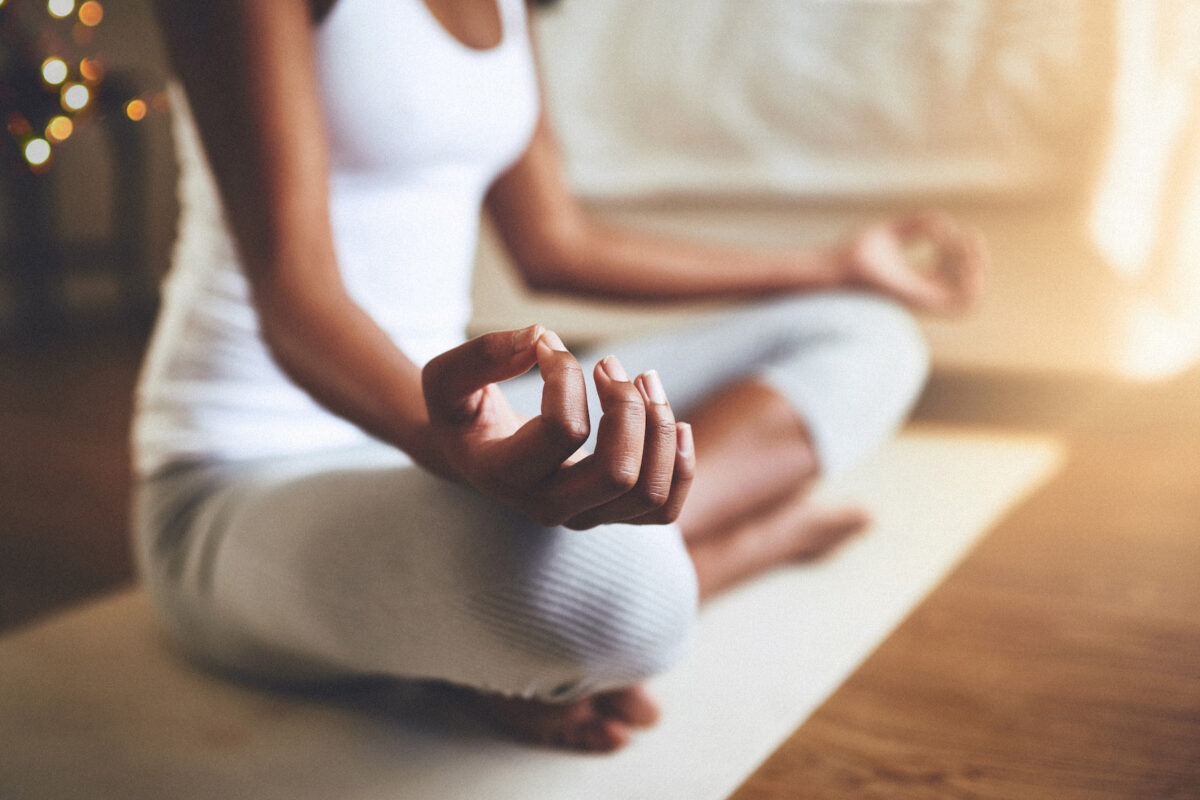
- Seated Position: Sit cross-legged on a cushion or chair with feet flat on the ground. Keep the back straight but not rigid, allowing the shoulders to relax naturally.
- Hands Placement: Rest the hands on the lap or knees, with palms facing upward or downward as preferred. Maintain a gentle touch, avoiding tension.
- Head and Neck Alignment: Keep the head aligned with the spine, with a slight downward tilt if comfortable, ensuring the neck remains relaxed.
- Body Awareness: Regularly check for tension or stiffness. Adjust the posture as needed to stay comfortable without compromising alertness.
Breath Control Techniques
Breathing serves as a vital anchor in meditation, especially for pain relief. Controlled breathing fosters calmness and helps redirect attention away from pain sensations. The following techniques emphasize natural, deep, and rhythmic breathing to promote relaxation.
- Natural Breathing: Allow the breath to flow naturally without forcing it. Observe the inhalation and exhalation without alteration.
- Diaphragmatic Breathing: Focus on breathing deeply into the abdomen rather than shallow chest breathing. Place one hand on the belly to monitor expansion during inhalation.
- Counting Breaths: Count each inhale and exhale, typically up to four or five, to maintain rhythm and focus. For example, inhale for a count of four, hold briefly, then exhale for the same duration.
Effective breath control involves maintaining a steady, relaxed rhythm that can deepen over time, assisting in calming the nervous system and reducing pain perception.
Focus and Mindfulness Techniques
Maintaining focused attention is crucial to prevent the mind from wandering, which can diminish the calming effects of meditation. Employing specific focus and mindfulness strategies helps anchor awareness and deepen relaxation, especially when experiencing discomfort or pain.
- Body Scan: Systematically direct attention to different parts of the body, observing sensations without judgment. This enhances awareness and helps release tension.
- Sensory Focus: Concentrate on specific sensory inputs, such as the feeling of contact between the body and the surface, or the sound of breathing, to enhance present-moment awareness.
- Visualization: Imagine a calming scene, such as a peaceful nature setting, to divert mental energy from pain sensations and foster tranquility.
Practical Tips for Consistency and Overcoming Challenges
Maintaining a regular meditation practice can pose challenges, especially for beginners. Implementing practical strategies ensures sustained effort and progress in pain management.
- Set a Specific Time: Dedicate a fixed time each day for meditation to establish a routine, making it an integral part of daily life.
- Create a Comfortable Space: Designate a quiet, clutter-free area for practice, free from distractions, to enhance focus and relaxation.
- Start Small: Begin with short sessions, such as five to ten minutes, gradually increasing duration as comfort and familiarity grow.
- Be Patient and Compassionate: Recognize that progress may be gradual. Approach practice with patience and kindness toward oneself, especially during periods of increased discomfort.
- Use Guided Sessions: Utilize recordings or apps designed for meditation for pain relief, which can provide structure and motivation during initial stages.
- Address Distractions: Acknowledge wandering thoughts or physical discomfort without frustration, gently bringing attention back to the breath or focus point.
Overcoming common challenges like restlessness or difficulty maintaining focus requires persistence and adaptation. Practitioners are encouraged to approach each session with a non-judgmental attitude, fostering a sustainable and rewarding meditation habit for pain relief.
Incorporating Meditation into Daily Routine

Integrating meditation into a busy daily schedule is essential for maintaining consistent pain relief and overall well-being. Establishing a routine ensures that meditation becomes a natural part of daily life, helping to manage chronic pain more effectively and fostering a sense of calm amidst daily responsibilities. By creating structured yet flexible plans, individuals can experience the cumulative benefits of regular practice, including reduced pain perception, improved mood, and enhanced relaxation.Consistency in meditation practice significantly impacts its effectiveness.
When meditation becomes embedded in daily habits, it transforms from an occasional activity into a reliable tool for pain management. Moreover, seamlessly integrating meditation into existing routines minimizes disruptions, making it easier to sustain over the long term. Developing mindful habits and dedicating specific times for practice help reinforce commitment and foster ongoing engagement with meditation as a valuable component of health management.
Strategies for Seamless Integration into Busy Schedules
Effectively incorporating meditation into daily life requires practical strategies that accommodate busy and unpredictable schedules. These strategies aim to maximize accessibility without compromising other responsibilities:
- Identify Optimal Times – Recognize moments in the day when you are likely to be free from distractions, such as early mornings, lunch breaks, or before bedtime. Establishing a consistent time helps reinforce the habit.
- Create a Dedicated Space – Designate a specific, quiet area in your home or workplace where you can meditate comfortably without interruptions. A consistent space signals the mind to relax and prepares you for practice.
- Start Small and Build Gradually – Begin with brief sessions, such as 5-10 minutes, and gradually increase duration as comfort and familiarity grow. Short, regular sessions are more sustainable and less overwhelming.
- Use Reminders and Triggers – Set alarms, calendar notifications, or incorporate meditation prompts into daily routines, like after brushing teeth or during coffee breaks, to remind and motivate ongoing practice.
- Leverage Technology – Utilize meditation apps, guided recordings, or alarms on mobile devices to facilitate practice and provide structure, especially during busy days.
Weekly Meditation Practice Plan Template for Pain Management
A structured weekly plan helps establish consistency and accountability. Below is a sample template designed to balance flexibility with regularity:
| Day | Time Slot | Duration | Focus/Technique | Notes |
|---|---|---|---|---|
| Monday | Morning (7:00 AM) | 10 minutes | Breath Awareness Meditation | Focus on slow, deep breathing to start the day calmly. |
| Wednesday | Midday (12:30 PM) | 10 minutes | Body Scan Meditation | Scan for areas of pain, releasing tension with each breath. |
| Friday | Evening (6:30 PM) | 15 minutes | Guided Visualization | Visualize pain relief and relaxation flowing through the body. |
| Sunday | Morning (8:00 AM) | 20 minutes | Mindfulness Meditation | Practice acceptance of pain without judgment. |
This plan encourages variety, addresses different times of day, and incorporates techniques targeting pain management.
Motivational Reminders and Encouragements for Ongoing Practice
Maintaining motivation is vital for long-term adherence to meditation routines. Regular reminders and motivational messages can reinforce the importance of consistent practice and highlight the benefits experienced:
“Remember that each meditation session is a gift to your body and mind, helping you regain control over pain and stress.”
- Keep a journal of your experiences and progress to visually track improvements, which can serve as a powerful motivator.
- Celebrate small victories, such as completing a week’s worth of sessions or noticing reduced pain intensity.
- Remind yourself of personal goals, like enhancing quality of life, reducing medication reliance, or increasing relaxation.
- Join support groups or online communities where sharing progress fosters accountability and encouragement.
- Recognize that even brief, daily practices can accumulate significant benefits over time, strengthening resolve and commitment.
Creating a supportive environment, setting realistic goals, and maintaining a positive outlook are crucial elements in cultivating a sustainable meditation habit for pain relief.
Additional Tools and Resources

Enhancing your meditation practice for pain relief can be greatly supported by utilizing various tools and resources. These include specialized applications, guided recordings, and supplementary materials designed to deepen your understanding and effectiveness in pain-focused meditation. Access to these resources can make consistent practice more manageable, engaging, and tailored to your individual needs.
Utilizing technology and multimedia aids offers visual, auditory, and interactive components that can help maintain focus, provide guidance, and introduce new techniques. Whether you are a beginner or experienced meditator, selecting the right tools can significantly improve your outcomes and foster a more sustainable meditation routine.
Recommended Meditation Apps and Guided Recordings
Modern technology provides an array of apps and audio recordings specifically crafted for meditation and pain management. These resources offer structured programs, customizable sessions, and expert guidance, making them accessible and convenient.
- Headspace: Offers guided meditations focused on pain management, stress reduction, and mindfulness. Features include daily sessions and tailored programs for chronic pain sufferers.
- Calm: Provides a wide selection of guided meditations, breathing exercises, and sleep stories that can aid in pain relief and relaxation.
- Insight Timer: Hosts an extensive library of free guided meditations, including those dedicated to pain management, along with sleep aids and mindfulness courses.
- Pain Relief Meditation Audio Series: Custom recordings created by certified meditation instructors, focusing solely on techniques for reducing pain and enhancing relaxation.
These apps often include features such as progress tracking, reminders, and community support, which can motivate sustained practice and provide social connection.
Visual and Audio Aids for Pain-Focused Meditation
Supplementary aids such as visual and auditory tools can enrich your meditation experience by providing additional focus points and sensory inputs. These aids help deepen concentration, promote relaxation, and reinforce pain management techniques.
- Visual Aids: Soft-focus images of nature scenes, mandalas, or calming patterns can serve as focal points during meditation. For example, a gentle flowing river or a blooming lotus may evoke tranquility and serve as anchors for attention.
- Audio Aids: Nature sounds like rain, ocean waves, or forest ambiance can enhance the meditative environment. Guided scripts with calming voiceovers can instruct and guide practitioners through pain-relief techniques.
- Biofeedback Devices: Wearable sensors that monitor physiological signals such as heart rate or skin conductance can provide real-time feedback. Visual or auditory cues from these devices help users learn to modulate their responses to pain.
“Combining visual and auditory aids can improve focus, reduce distraction, and accelerate the development of effective pain-relief meditation practices.”
Resource Comparison Table
To choose the most suitable tools, consider comparing their features, accessibility, cost, and user-friendliness. The table below summarizes key aspects of popular meditation resources:
| Resource | Type | Features | Cost |
|---|---|---|---|
| Headspace | App | Guided meditations, personalized programs, progress tracking | Subscription-based; free trial available |
| Insight Timer | App & Audio Series | Extensive free library, community forums, customizable sessions | Free; optional premium features |
| Nature Sound Recordings | Audio Files | Ambient nature sounds, soothing music, guided instructions | Varies; often free online or via purchase |
| Biofeedback Devices | Hardware | Real-time physiological feedback, customizable alerts, portable | Higher initial investment; varies by brand |
Addressing Common Challenges and Misconceptions
Engaging in meditation for pain relief can sometimes present obstacles that may hinder progress or lead to misunderstandings about its effectiveness. Recognizing these challenges and clarifying misconceptions is essential for maintaining a consistent practice and setting realistic expectations. By understanding common difficulties and how to navigate them, individuals can enhance their experience and derive maximum benefit from meditation as a tool for managing pain.Understanding the typical hurdles faced during meditation helps practitioners develop strategies to overcome them effectively.
Many individuals encounter frustrations or doubts along their journey, which can discourage continued practice. Addressing misconceptions about what meditation can achieve is equally important to prevent disillusionment and to foster a balanced, informed approach to pain management through meditation.
Common Obstacles in Meditation for Pain Relief
Meditation for pain relief, despite its many benefits, can be challenging due to various internal and external factors. Identifying these obstacles allows practitioners to implement targeted solutions and maintain a steady practice.
Some of the most frequently encountered challenges include:
- Physical Discomfort: Pain itself may make sitting still or maintaining a meditation posture uncomfortable, leading to difficulty focusing or progressing.
- Mental Restlessness: The mind may become restless, with intrusive thoughts or anxiety exacerbating the sensation of pain.
- Lack of Time or Routine: Busy schedules can interfere with establishing a consistent meditation practice, reducing its potential benefits.
- Frustration and Impatience: Expecting quick results might lead to disappointment, especially if pain persists or meditation does not seem immediately effective.
To effectively address these challenges:
- Adjust seating arrangements or use supportive cushions to minimize physical discomfort.
- Practice gentle mindfulness techniques that acknowledge pain without judgment, allowing the mind to settle gradually.
- Set aside small, manageable time slots, gradually increasing duration as comfort and routine develop.
- Recognize that meditation is a gradual process; patience and persistence are key to experiencing its full benefits.
Misconceptions About Meditation’s Effectiveness for Pain
Misconceptions can lead to unrealistic expectations regarding what meditation can accomplish in terms of pain management. Clarifying these myths ensures practitioners approach their practice with a grounded understanding and avoid disappointment.
Common misconceptions include:
- Meditation Eliminates Pain Completely: While meditation can significantly reduce pain perception and improve coping, it does not typically eliminate pain entirely for everyone.
- Immediate Relief Is Guaranteed: Benefits often accumulate over time; expecting instant results may lead to frustration.
- Meditation Replaces Medical Treatment: Meditation should complement, not replace, conventional medical interventions and therapies for pain management.
To set realistic expectations:
- Understand that meditation enhances your ability to manage pain by promoting relaxation and mental resilience.
- Consistent practice over weeks or months is usually necessary to observe meaningful improvements.
- Use meditation as part of an integrated approach, including medical advice and lifestyle adjustments, for optimal results.
Tips for Maintaining Motivation and Managing Frustration
Sustaining motivation during meditation practice, especially when pain persists, can be challenging. Developing strategies to stay committed and handle frustration is vital for long-term benefits.
Practical tips include:
- Set Realistic Goals: Focus on progress rather than perfection, celebrating small improvements in pain tolerance or mental clarity.
- Keep a Practice Journal: Documenting experiences can highlight benefits over time and reinforce commitment.
- Seek Support: Joining meditation groups or seeking guidance from instructors can provide encouragement and accountability.
- Practice Self-Compassion: Recognize that challenges are normal, and avoid self-criticism when progress seems slow or setbacks occur.
- Incorporate Variety: Using different meditation techniques can prevent boredom and maintain engagement.
Remember that patience and persistence are fundamental components of meditation for pain relief. Embracing the journey with an open and compassionate attitude often yields the most sustainable benefits.
Outcome Summary
Incorporating meditation into your lifestyle offers a powerful tool for pain management and emotional balance. Consistent practice, combined with the right techniques and resources, can lead to significant improvements in your quality of life. Embrace these methods and experience the benefits of a calmer, pain-free mindset.