Discovering how to meditate for compassion to self offers a transformative approach to nurturing kindness and acceptance within. This practice fosters emotional resilience and promotes a healthier relationship with oneself, leading to greater overall well-being. Engaging in self-compassion meditation can unlock a profound sense of peace and emotional balance, making it an invaluable tool for personal growth.
Through guided techniques, environmental preparation, and daily integration, individuals can cultivate a gentle attitude of self-love and understanding. Exploring common challenges and supportive practices further enhances the effectiveness of meditation, helping practitioners deepen their self-awareness and emotional health over time.
Understanding Meditation for Compassion to Self
Self-compassion meditation is a dedicated practice that focuses on cultivating kindness, understanding, and acceptance towards oneself. It involves intentionally directing positive and nurturing thoughts inward, especially during times of difficulty, failure, or emotional distress. This form of meditation is significant because it helps individuals develop a supportive inner dialogue, reduce self-criticism, and foster a healthier relationship with oneself. Practicing self-compassion through meditation not only promotes emotional resilience but also enhances overall well-being by nurturing a sense of safety and acceptance within.
Engaging in meditation centered on self-compassion offers numerous psychological and emotional benefits. It can help diminish feelings of shame, guilt, and inadequacy, replacing them with feelings of warmth and understanding. Consistent practice has been linked to decreased levels of stress and anxiety, improved mood, and greater emotional regulation. Furthermore, self-compassion meditation encourages a mindful awareness of one’s thoughts and feelings, enabling individuals to respond to their inner experiences with kindness rather than judgment.
Over time, these practices can lead to increased self-esteem, resilience, and a more profound sense of inner peace.
Psychological and Emotional Benefits of Self-Compassion Meditation
Understanding the positive impacts of self-compassion meditation underscores its value as a mental health tool and emotional support. The following insights highlight how this practice influences mental and emotional states:
- Reduces Negative Self-Talk: Regular meditation helps individuals recognize and challenge their inner critic, replacing harsh judgments with gentle, supportive language. This shift can significantly improve self-esteem and reduce feelings of worthlessness.
- Enhances Emotional Resilience: Developing self-compassion allows individuals to better cope with setbacks and emotional pain. By cultivating kindness towards oneself, people become more adaptable and less overwhelmed by negative experiences.
- Decreases Anxiety and Depression: Studies have shown that self-compassion practices can lead to reductions in symptoms of anxiety and depression by fostering a more accepting attitude towards one’s shortcomings and vulnerabilities.
- Promotes Mindfulness and Present-Moment Awareness: Self-compassion meditation encourages a non-judgmental awareness of the present, helping individuals disengage from rumination and worry, thus cultivating calmness and clarity.
These benefits are supported by empirical research indicating that individuals who practice self-compassion regularly report greater overall life satisfaction, improved relationships, and a stronger sense of inner stability. As such, incorporating self-compassion meditation into daily routines can be a transformative step towards fostering a healthier, more nurturing relationship with oneself.
Preparing for a Self-Compassion Meditation Session

Effective meditation begins with creating an environment that nurtures tranquility and supports a focused mind. Proper preparation ensures that your practice of cultivating self-compassion is both meaningful and sustainable. By setting the right physical and mental conditions, you can deepen your connection with yourself and foster genuine kindness and understanding.
This section provides a comprehensive guide to establishing a peaceful space, adopting suitable postures, utilizing calming breathing techniques, and cultivating a mental attitude conducive to self-compassion during meditation. Thoughtful preparation enhances your ability to immerse yourself fully in the practice, leading to more profound insights and emotional healing.
Creating a Peaceful Environment
Establishing a serene setting is fundamental for meditation, especially when focusing on self-compassion. A calm environment minimizes distractions and invites a sense of safety and openness. Consider the following steps to prepare your space:
| Step | Details | Additional Tips | Recommended Duration |
|---|---|---|---|
| Choose a quiet location | Select a spot free from noise and interruptions, such as a corner in a room, a garden, or a dedicated meditation space. | Use soundproofing elements like curtains or cushions to dampen external noise. | Prepare at least 5-10 minutes before to settle in. |
| Declutter the area | Keep the space tidy, removing unnecessary objects that may divert your attention. | Adding calming objects like a candle, a small plant, or a soft blanket enhances comfort. | 5 minutes prior to session |
| Adjust lighting and temperature | Use soft, warm lighting or dimmed lights; maintain a comfortable temperature that does not cause discomfort. | Natural light during the day or gentle lamp lighting creates a soothing ambiance. | Immediately before starting |
| Arrange meditation aids | Have cushions, mats, or chairs ready to support proper posture. | Ensure these are easily accessible to avoid unnecessary movement during practice. | Just before beginning |
Adopting the Recommended Posture and Breathing Techniques
Proper posture and breathing are vital in fostering a state of calm and receptivity necessary for self-compassion meditation. The following guidelines Artikel optimal physical alignment and breathwork:
- Posture: Sit in a position that maintains the natural curve of the spine, such as cross-legged on a cushion, on a chair with feet flat on the ground, or kneeling. Keep the shoulders relaxed, chest open, and hands resting comfortably on your lap or knees. The head should be aligned with the spine, with the chin slightly tucked in to promote alertness without tension.
- Breathing Techniques: Engage in diaphragmatic breathing, which involves deep inhalations through the nose, allowing the abdomen to rise, followed by slow, controlled exhalations. This type of breathing activates the parasympathetic nervous system, encouraging relaxation and emotional balance. For example, inhale for a count of four, hold for a count of four, then exhale for a count of six, allowing the breath to naturally lengthen over time.
“Breathing deeply and evenly helps anchor your awareness, fostering a gentle, compassionate attitude toward yourself.”
Fostering a Mindset of Self-Compassion
Beyond physical preparations, cultivating a mental attitude rooted in kindness and acceptance enhances the efficacy of your meditation. Before beginning, set an intention to approach your practice with patience, openness, and non-judgment. Remind yourself that self-compassion involves embracing all aspects of your experience, including imperfections and struggles.
Practicing gentle affirmations or silently repeating phrases such as “May I be kind to myself,” “May I accept myself as I am,” or “I deserve compassion” can help establish this mental state. Visualizing warm light enveloping your heart or recalling moments of self-kindness can further reinforce the compassionate mindset necessary for a meaningful meditation session.
Guided Techniques for Meditation on Compassion to Self
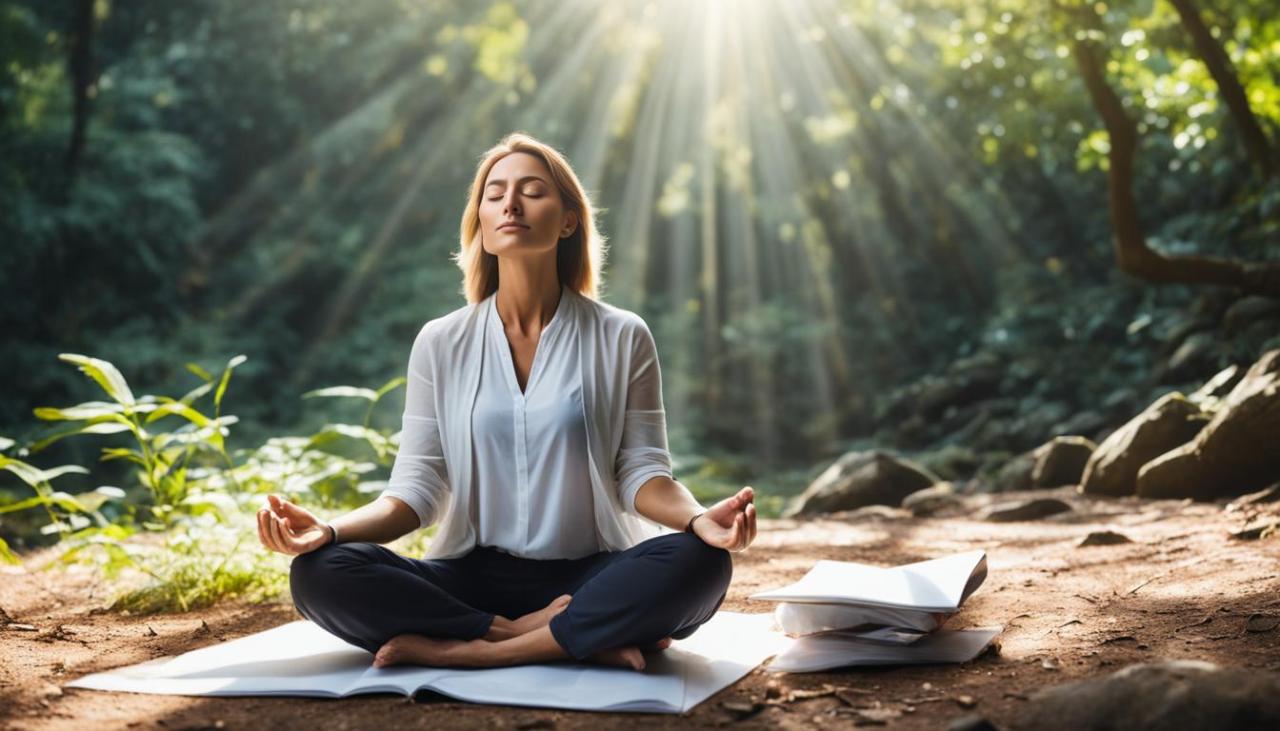
Practicing guided meditation techniques focused on self-compassion allows individuals to cultivate a deep sense of kindness, acceptance, and love towards themselves. These methods help to create a safe mental space where negative self-perceptions can be gently transformed into nurturing thoughts and feelings. Engaging in such guided practices can lead to greater emotional resilience, improved self-esteem, and a more compassionate relationship with oneself.
Guided meditation sessions often involve visualizations, affirmations, and gentle imagery that evoke feelings of warmth, kindness, and understanding. These techniques serve to reinforce the idea that self-compassion is a vital component of overall well-being, promoting a more forgiving and supportive inner dialogue. By regularly participating in such guided practices, individuals can rewire their mental patterns towards self-acceptance and inner peace.
Visualization Methods Evoking Warmth and Kindness Toward Oneself
Visualization techniques are powerful tools in self-compassion meditation, enabling practitioners to imagine scenarios or symbols that elicit feelings of warmth and tenderness. These methods often involve creating mental images that associate with comfort, safety, and loving-kindness, which can be especially helpful during moments of self-criticism or emotional distress.
Effective visualization methods include imagining oneself surrounded by a gentle, golden light that radiates warmth and healing energy. Visualizing a caring figure, such as a nurturing parent or a compassionate friend, offering comforting words and gestures can foster feelings of being understood and loved. Another approach involves picturing a soft, warm blanket wrapping around the body, symbolizing protection and unconditional acceptance.
Sample Script for a Calming Meditation Session
Begin by finding a comfortable seated or lying position in a quiet space. Close your eyes gently, and take a few deep breaths, inhaling slowly through your nose and exhaling softly through your mouth. Allow your body to relax with each breath, releasing any tension or tension you may be holding.
Imagine a radiant, warm light above your head, softly descending and enveloping you in a gentle glow. Feel this light spreading down your face, neck, shoulders, and chest, filling you with a sense of warmth and safety. As the light continues to flow through your body, silently repeat the following phrases:
“May I accept myself as I am. May I be kind to myself in this moment. May I nurture my inner being with compassion.”
Visualize this light transforming into a symbol of compassion—perhaps a glowing heart or a comforting embrace—that radiates love and kindness specifically directed toward yourself. Embrace the feelings of warmth, acceptance, and understanding as you continue to breathe slowly and deeply. When you feel ready, gently bring your awareness back to the present moment, carrying with you the sense of self-compassion cultivated during this practice.
Overcoming Common Challenges in Self-Compassion Meditation
Self-compassion meditation can be a transformative practice, yet it often presents certain challenges that may hinder progress or diminish the effectiveness of the practice. Recognizing these obstacles and implementing strategies to address them is essential for cultivating genuine self-kindness and resilience. Understanding that difficulties are a natural part of the journey allows practitioners to approach their meditation with patience and persistence, ultimately fostering a deeper sense of compassion toward oneself.Challenges such as self-criticism and impatience are among the most prevalent during meditation sessions.
These internal barriers can cause frustration or discourage continued practice, but with mindful effort and tailored techniques, they can be effectively managed. Adapting meditation approaches to personal needs and experiences ensures that the practice remains accessible and nurturing, rather than overwhelming or discouraging.
Addressing Self-Criticism and Negative Self-Talk
Self-criticism often manifests as a persistent inner voice that undermines self-compassion, making it difficult to accept oneself with kindness. During meditation, this voice may become louder, judging your thoughts, feelings, or behaviors harshly. To counteract this, practitioners can incorporate specific strategies:
- Practice Mindful Observation: When self-critical thoughts arise, observe them without judgment. Acknowledge their presence and gently redirect attention back to the breath or heart-centered focus. Recognizing these thoughts as transient mental events diminishes their power.
- Use Compassionate Language: Replace harsh self-criticism with compassionate phrases. For example, when noticing self-judgment, silently affirm,
“I am doing my best, and I deserve kindness.”
This shifts the internal dialogue to one of understanding and support.
- Develop a Self-Compassion Mantra: Repeat affirmations such as “May I be kind to myself” or “I am worthy of love and compassion.” Repetition fosters emotional resilience and counters negative self-talk.
Managing Impatience and Expectations
Impatience often emerges when practitioners expect immediate results or feel frustrated by perceived lack of progress. This can diminish motivation and cause disengagement from the practice. Strategies to mitigate impatience include:
- Set Realistic Goals: Recognize that self-compassion is an ongoing process that unfolds gradually. Establish small, achievable objectives, such as dedicating a few minutes daily, to build consistency and patience.
- Emphasize the Process, Not the Outcome: Focus on the experience of each meditation session rather than fixating on specific results. Allow yourself to be present with your feelings and thoughts without judgment or expectation.
- Incorporate Gentle Reminders: Use cues, like a calming phrase or visual cue, to remind yourself that patience and kindness are integral to the practice. For example, softly saying,
“This too shall pass; I am cultivating compassion.”
reinforces resilience and acceptance.
Modifying Techniques for Personal Needs and Experiences
Each individual’s meditation journey is unique, and flexibility is key to overcoming challenges. Adjusting techniques to align with personal circumstances can enhance engagement and efficacy:
- Adjust Duration and Frequency: Beginners or those facing emotional difficulty may benefit from shorter sessions, gradually increasing duration as comfort grows. Consistency matters more than length.
- Use Guided Support: Audio recordings or guided meditations tailored to self-compassion can provide structure and reassurance, especially during difficult moments.
- Incorporate Sensory or Movement Elements: For those who find seated meditation challenging, integrating gentle movement or focusing on sensory experiences (such as noticing sounds or tactile sensations) can make the practice more accessible.
- Address Specific Emotional Barriers: For individuals experiencing high levels of shame or guilt, practices emphasizing gentle acknowledgment and unconditional acceptance can be tailored, such as visualizing a nurturing figure or using imagery that evokes safety and warmth.
Recognizing and addressing these common challenges with compassion and adaptability empowers practitioners to cultivate a more resilient and personalized self-compassion meditation practice. Persistent effort, patience, and kindness toward oneself are essential ingredients to overcoming obstacles and deepening the experience of self-love and acceptance.
Enhancing Meditation with Supporting Practices
Integrating additional mindful activities alongside meditation can significantly deepen self-compassion and reinforce the benefits gained through focused practice. These complementary activities serve to cultivate a compassionate mindset more holistically, enriching your overall emotional well-being and fostering a nurturing relationship with yourself.
Engaging in practices such as mindful walking, gratitude exercises, or gentle yoga helps to extend the principles of compassion beyond the meditation session, creating a continuous loop of self-awareness and kindness. These activities can be seamlessly incorporated into daily routines, making self-compassion a readily accessible and natural part of life.
Mindful Walking
Mindful walking involves paying close attention to the sensations of movement, breath, and surroundings during a walk. This practice encourages present-moment awareness, allowing individuals to connect with their body in a gentle, non-judgmental manner. By focusing on each step and the environment, practitioners can cultivate a sense of calm and appreciation for their physical presence, reinforcing self-compassion and patience.
To practice, walk slowly in a quiet space, such as a park or a quiet corridor. Notice the sensation of each foot touching the ground, the movement of your legs, and the sounds around you. If the mind drifts, gently redirect your attention back to the physical sensations and environment. Regular mindful walking can help dissolve self-critical thoughts by fostering an attitude of gentle observation and acceptance.
Gratitude Exercises
Gratitude exercises are powerful tools for shifting focus from self-criticism to appreciation of oneself and one’s life circumstances. These activities involve intentionally recognizing and appreciating positive aspects, qualities, or experiences, thereby nurturing kindness and self-compassion.
Daily gratitude journaling, where individuals jot down three to five things they are grateful for, can deepen their connection to self-worth and foster a nurturing inner dialogue. For example, reflecting on personal strengths or acts of kindness received can reinforce feelings of self-love and acceptance. Practicing gratitude regularly can also recalibrate negative thought patterns, making self-compassion a more instinctive response.
Gentle Yoga
Gentle yoga offers a physical approach to cultivating compassion by emphasizing slow, mindful movements and breathing. This practice encourages body awareness and releases tension, which often correlates with negative self-perceptions. Gentle yoga fosters a sense of nurturing and respect for one’s body, aligning with the principles of self-compassion.
Sequences focusing on restorative postures, such as supported backbends or gentle stretches, can be particularly effective. Integrating affirmations or compassionate statements during yoga, such as “I am worthy of care,” can enhance the mental aspect of self-compassion. Regular practice can help individuals develop a tender attitude towards their physical and emotional states, reinforcing the insights gained during meditation.
Responsive Column Layout for Supporting Practices
Organizing these practices in a flexible, responsive layout allows practitioners to explore and select activities that resonate most with their personal preferences and schedules. By viewing them side by side, individuals can appreciate how each activity complements meditation and contributes uniquely to deepening self-compassion.
Mindful WalkingEnhances present-moment awareness and physical connection, fostering patience and acceptance. |
Gratitude ExercisesShift focus towards appreciation, nurturing positive self-perceptions and emotional resilience. |
Gentle YogaPromotes body awareness and relaxation, supporting a nurturing attitude towards oneself. |
“Supporting practices serve as gentle bridges that extend the calm and kindness cultivated during meditation into everyday life, creating a continuous flow of self-compassion.”
Measuring Progress and Deepening Practice
Engaging in meditation for compassion to oneself is a journey that evolves over time. As practitioners advance, understanding how to measure progress and deepen their practice becomes vital for sustained growth. Tracking emotional and mental shifts allows individuals to recognize the tangible benefits of their meditation routine, fostering motivation and guiding future efforts. Furthermore, reflecting on changes in self-perception and compassion levels offers valuable insights into personal development, encouraging a more profound connection with oneself.
For those with experience in meditation, exploring advanced techniques can unlock deeper levels of self-awareness and emotional resilience, enriching the overall practice.
Tracking Emotional and Mental Shifts Resulting from Meditation
Monitoring emotional and mental changes provides concrete indicators of the effectiveness of self-compassion meditation. Regularly observing subtle shifts in mood, thought patterns, and behavioral responses helps practitioners recognize progress and areas needing attention.
Methods to track these changes include:
- Keeping a meditation journal to record daily experiences, emotional states, and insights gained after each session, facilitating pattern recognition over time.
- Using mood tracking apps or mood diaries that allow for quantitative assessments of emotional fluctuations before and after meditation sessions.
- Engaging in periodic self-assessment questionnaires that measure levels of self-compassion, anxiety, and emotional resilience based on established scales such as the Self-Compassion Scale (SCS).
These tools help create a comprehensive picture of psychological progress, making it easier to identify positive changes or lingering challenges.
Reflecting on Self-Perception and Compassion Levels
Reflection plays a pivotal role in understanding the impact of meditation on how one perceives oneself. Regularly contemplating internal shifts can deepen awareness of evolving attitudes towards self-acceptance and kindness.
Practitioners may consider:
- Engaging in guided reflective exercises post-meditation, focusing on questions like, “How do I view myself now compared to before I began?” and “Have my feelings of self-compassion increased?”
- Maintaining a self-reflection journal to document perceptions of self-worth, emotional responses, and compassion levels over weeks or months.
- Participating in peer or therapist discussions that help articulate subtle changes and gain external perspectives on personal growth.
“Noticing shifts in self-perception enhances motivation and encourages sustained commitment to compassionate practices.”
By recognizing and appreciating these internal changes, practitioners reinforce positive behavioral patterns and foster a more nurturing relationship with themselves.
Advanced Practices for Deep Self-Awareness
Experienced practitioners seeking to deepen their self-awareness can explore advanced meditation techniques that challenge and expand their current understanding. These practices often involve heightened mindfulness, visualization, and inquiry elements that promote profound insight.
Examples of advanced practices include:
- Extended silent retreats or prolonged meditation sessions focused on compassionate inquiry, where practitioners explore deeply rooted beliefs and emotional blocks with patience and neutrality.
- Integrating loving-kindness (metta) practices specifically aimed at extending compassion to various aspects of oneself, including shadow traits or unresolved emotions.
- Engaging in self-inquiry meditations that examine core beliefs about oneself, such as “What assumptions do I hold about my worth?” or “Where do I feel most vulnerable?”
- Utilizing visualization techniques that imagine embodying the qualities of unconditional self-love and compassion, fostering a sense of internal unity and wholeness.
These methods require consistent practice and openness to confronting difficult emotions, ultimately leading to a more comprehensive understanding of oneself and the cultivation of enduring compassion.
Final Thoughts
Embracing how to meditate for compassion to self can significantly improve your emotional landscape and foster a more compassionate relationship with yourself. By integrating these practices into daily life and overcoming obstacles, you open the door to lasting self-kindness and inner peace. Continued dedication to this journey promises profound personal insights and a more compassionate outlook on life.