Discover effective ways to utilize meditation as a powerful tool for trauma recovery. This approach combines psychological and physiological benefits, offering a gentle path toward healing emotional wounds and fostering resilience. By understanding and practicing specific meditation techniques, trauma survivors can find renewed strength and self-compassion on their journey to recovery.
Introduction to Meditation for Trauma Recovery
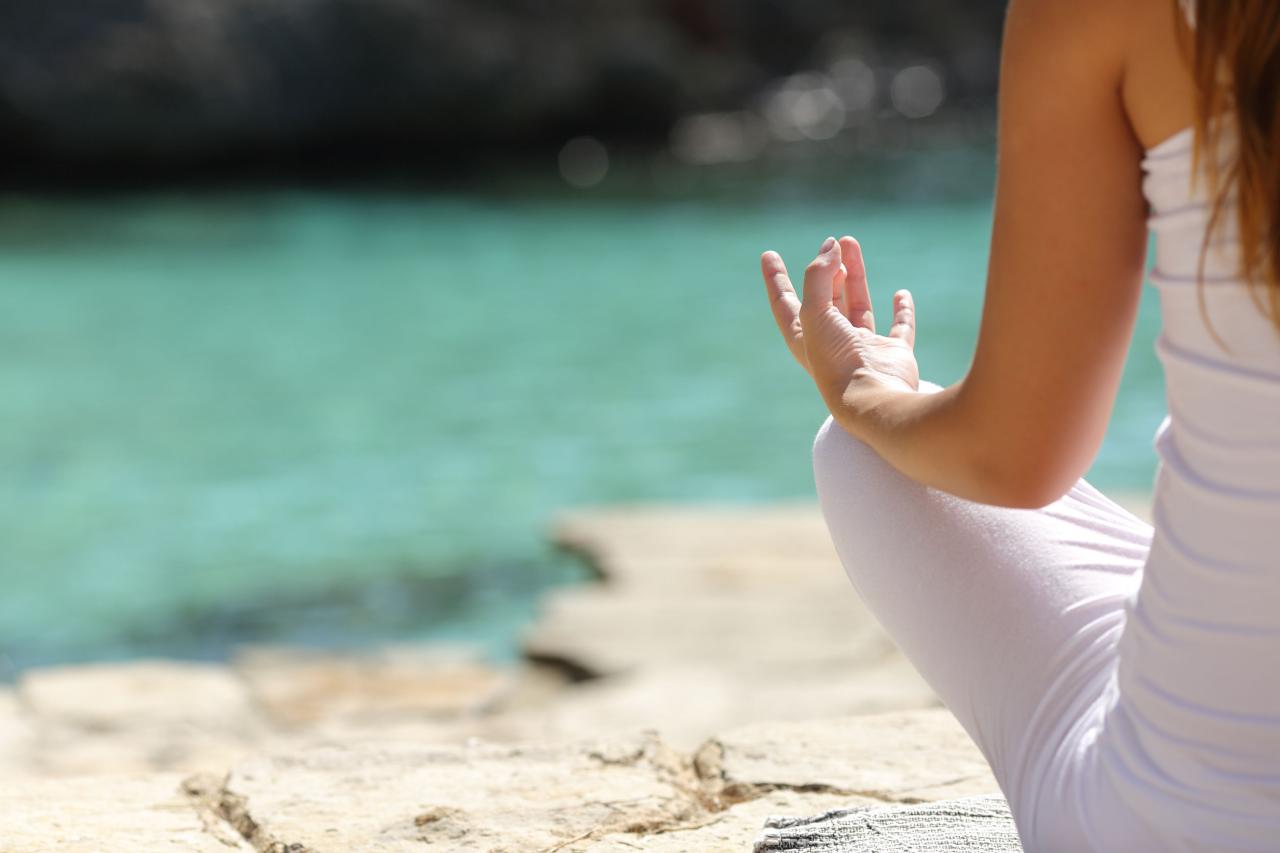
Meditation serves as a powerful tool in the journey toward healing from trauma. Its core principles revolve around cultivating awareness, presence, and acceptance, which are essential for processing and alleviating the lingering effects of traumatic experiences. By fostering a calm and centered mind, meditation helps individuals reconnect with their inner sense of safety and stability, often disrupted by traumatic events.
Research indicates that meditation offers significant psychological and physiological benefits for trauma survivors. Psychologically, it can reduce symptoms of anxiety, depression, and hypervigilance—common reactions associated with trauma. Physiologically, meditation can lower cortisol levels, decrease heart rate, and promote relaxation responses, counteracting the body’s stress response. Additionally, mindfulness practices enhance emotional regulation and resilience, empowering individuals to face distressing memories with greater calm and clarity.
The Role of Mindfulness in Trauma Recovery
Mindfulness, a foundational element of many meditation techniques, involves paying deliberate attention to the present moment without judgment. It encourages individuals to observe their thoughts, emotions, and bodily sensations as they arise, fostering a non-reactive awareness that is crucial for trauma healing. By practicing mindfulness, trauma survivors learn to detach from overwhelming reactions and develop a compassionate attitude toward their internal experiences.
This approach helps in breaking the cycle of rumination and avoidance that often accompany trauma-related distress. Mindfulness-based interventions, such as Mindfulness-Based Stress Reduction (MBSR) and Mindfulness-Based Cognitive Therapy (MBCT), have been supported by empirical evidence to improve emotional regulation and decrease trauma-related symptoms. Through consistent practice, individuals cultivate a sense of safety within themselves, gradually reducing the intensity and frequency of traumatic flashbacks or intrusive memories.
Preparing for Meditation Practice
Establishing a thoughtful and intentional preparation routine is essential for trauma survivors engaging in meditation. This process creates a foundation of safety, comfort, and mental readiness, which enhances the potential benefits of meditation while minimizing the risk of triggering adverse reactions. Proper preparation involves designing a suitable environment, selecting appropriate times and durations, and adopting mental and physical practices that foster a calm state conducive to healing.
When approaching meditation for trauma recovery, attentive preparation ensures each session becomes a supportive and nurturing experience. It helps foster a sense of control and safety, empowering individuals to explore meditation as a healing tool gradually and confidently.
Creating a Safe and Comfortable Meditation Space
Designing an environment that promotes safety and relaxation is fundamental for trauma-sensitive meditation. The space should serve as a sanctuary, free from distractions or potential triggers. Here are key steps to craft such an environment:
- Choose a quiet, private location: Select a space where interruptions are minimal, allowing for undisturbed focus. This could be a corner of a room, a dedicated meditation nook, or a peaceful outdoor spot.
- Ensure physical comfort: Use supportive cushions, mats, or chairs that enable a relaxed seated position. Adjust lighting to be soft and soothing, avoiding harsh or fluorescent lights.
- Minimize sensory overload: Maintain a clutter-free area with calming colors and minimal decorations that might distract or overstimulate. Incorporate elements like gentle natural light, calming scents, or soft background sounds if preferred.
- Personalize your space: Include meaningful objects such as a favorite blanket, a small plant, or spiritual symbols that evoke safety and comfort. Personal touches can deepen the feeling of security during practice.
Selecting Appropriate Meditation Times and Durations
Timing and session length significantly influence the effectiveness of meditation for trauma recovery. Trauma survivors benefit from routines that respect their emotional and physical states, fostering a consistent and sustainable practice:
- Identify optimal times: Choose periods when you are least likely to be interrupted, such as early mornings, lunch breaks, or evenings. Many find mornings beneficial for setting a calming tone for the day, while evenings help unwind from daily stress.
- Consider personal energy levels: Be mindful of times when you feel most alert or relaxed. For some, midday sessions may align with peak energy, whereas others may prefer late afternoon or early evening for gentle reflection.
- Start with manageable durations: Beginning with short sessions, such as 5-10 minutes, is advisable, especially for those new to meditation or recovering from trauma. Gradually increase the time as comfort and confidence grow.
- Establish a routine: Consistency fosters neural pathways that support healing. Setting specific times each day helps reinforce the habit and creates a sense of stability.
Mental and Physical Preparation Before Meditation Sessions
Preparation extends beyond the environment to include mental and physical states that facilitate deeper engagement and reduce the likelihood of distress. Incorporating calming practices and mindful routines prior to meditation enhances focus and safety:
- Engage in gentle physical activity: Light stretching, walking, or breathing exercises can release tension and prepare the body for stillness, especially important for trauma survivors who may carry residual physical stress.
- Practice grounding techniques: Techniques such as the 5-4-3-2-1 grounding exercise can anchor awareness in the present moment, reducing anxiety and dissociation before meditation begins.
- Set an intention: Clearly defining the purpose of the session, such as cultivating safety or self-compassion, helps focus the mind and reinforces a positive, trauma-sensitive approach.
- Manage emotional readiness: Assess emotional state before starting. If feelings of overwhelm or distress are present, consider engaging in supportive activities such as journaling or talking with a therapist prior to meditation.
- Limit external stimuli: Turn off notifications, silence devices, and create a quiet environment to avoid interruptions and maintain focus during the session.
“Preparing thoughtfully for meditation not only enhances the practice but also nurtures a safe space for trauma recovery, fostering resilience and inner peace.”
Specific Meditation Techniques for Trauma Recovery
Implementing targeted meditation techniques can play a vital role in processing trauma, reducing emotional distress, and fostering resilience. These methods are designed to help individuals reconnect with their bodies, cultivate compassion, and manage anxiety more effectively. Each technique offers unique benefits and can be integrated into a personalized trauma recovery plan to support emotional healing and stability.
Understanding and practicing these specific meditation techniques can empower individuals to regain a sense of safety and control, which are often compromised following traumatic experiences. Below are some effective methods tailored for trauma recovery, along with practical procedures to incorporate into your routine.
Guided Imagery Meditation to Process Traumatic Memories
Guided imagery meditation involves visualizing calming, safe scenes or scenarios that facilitate emotional regulation and trauma processing. This approach helps individuals confront traumatic memories in a controlled and supportive mental environment, reducing feelings of overwhelm and fostering resilience.
During guided imagery meditation, individuals are led through a series of visualizations that evoke peaceful images, such as a serene beach or a lush forest. These visualizations are often accompanied by gentle narration or soundscapes that deepen relaxation and focus. It allows the mind to reframe traumatic memories, encouraging a sense of safety and mastery over distressing thoughts.
“Visualization acts as a mental rehearsal, enabling trauma survivors to reframe their memories with a sense of calm and distance.”
This method should be practiced with guidance from a trained therapist or through recorded meditations designed specifically for trauma recovery. Regular practice can gradually diminish the emotional charge associated with traumatic memories and promote emotional integration.
Body Scan Meditation to Enhance Awareness and Release Tension
The body scan meditation is a mindfulness practice that involves systematically bringing attention to different parts of the body to recognize tension, numbness, or discomfort. This technique fosters body awareness, which is essential for trauma survivors who may feel disconnected from bodily sensations or experience hyperarousal.
Implementing a body scan involves a sequence of steps that guide individuals through observing sensations without judgment, allowing tension to be released and promoting relaxation. This practice can help reduce physical symptoms of anxiety and facilitate grounding during moments of emotional distress.
- Find a comfortable, quiet space and lie down or sit in a relaxed posture.
- Close your eyes and take several deep, slow breaths to center yourself.
- Begin by focusing on your toes, noticing any sensations such as warmth, tingling, or tension.
- Gradually move your attention upward through your feet, ankles, calves, knees, thighs, pelvis, and torso, observing each area without trying to change the sensations.
- Pay special attention to the shoulders, neck, and head, releasing any tension as you exhale.
- Conclude by taking a few deep breaths, feeling the overall sensations in your body, and gently returning your focus to the present moment.
Regular practice enhances interoceptive awareness, which helps individuals better understand and regulate their bodily responses to stress and trauma.
Loving-Kindness Meditation to Foster Self-Compassion and Emotional Healing
Loving-kindness meditation, also known as Metta, is a practice that cultivates feelings of compassion, warmth, and acceptance towards oneself and others. This technique is particularly beneficial for trauma survivors, as it promotes self-compassion and helps counteract feelings of shame, guilt, or self-criticism that often accompany trauma.
The practice involves silently repeating positive and loving phrases directed towards oneself, loved ones, and even difficult individuals. Over time, it can help reshape negative thought patterns and foster emotional healing by reinforcing a sense of worthiness and connection.
- Sit comfortably with your eyes closed and take several deep breaths to settle into the practice.
- Begin by silently repeating phrases such as:
“May I be safe, may I be healthy, may I be at peace.”
- Gradually extend these wishes to loved ones, acquaintances, and eventually to all beings, including those with whom you have difficulty.
- Feel the warmth and compassion behind the phrases as you repeat them, allowing genuine emotions to arise.
- Conclude by visualizing yourself enveloped in a gentle, loving light, affirming your inherent worth and capacity for healing.
This meditation can be practiced daily or as needed, especially during moments of self-critical thoughts or emotional overwhelm, fostering a nurturing mindset that supports trauma recovery.
Breathing Exercises to Reduce Anxiety and Ground During Trauma Episodes
Breathing exercises are simple yet powerful tools for managing acute anxiety and grounding the mind and body during trauma episodes. These techniques activate the parasympathetic nervous system, promoting calmness and emotional regulation.
Effective breathing exercises for trauma recovery include practices that emphasize slow, controlled inhalations and exhalations, focusing attention on the breath to diminish hyperarousal and dissociation.
- Deep diaphragmatic breathing: Sit or lie comfortably, place one hand on your chest and the other on your abdomen. Inhale deeply through your nose, allowing your abdomen to rise, then exhale slowly through pursed lips, feeling your abdomen fall. Repeat for several minutes.
- 4-7-8 breathing: Inhale quietly through your nose for a count of four, hold your breath for seven counts, then exhale completely through your mouth for a count of eight. This pattern helps to slow the heart rate and relax the nervous system.
- Box breathing: Inhale for a count of four, hold the breath for four, exhale for four, and hold again for four. Visualize a box shape as you breathe, which promotes focus and calmness.
During trauma episodes, focusing on these breathing patterns can help ground individuals by anchoring their attention to physical sensations, reducing feelings of panic, and restoring a sense of safety and control.
Tailoring Meditation for Different Trauma Types
Effective meditation practices must be adaptable to meet the unique needs of individuals who have experienced various forms of trauma. Emotional, physical, and sexual traumas each present distinct challenges and symptoms, requiring specific modifications to ensure safety, comfort, and therapeutic benefit. Recognizing these differences enhances the ability of survivors to engage with meditation in a way that supports their healing journey, minimizes distress, and promotes resilience.Trauma survivors often face symptoms such as flashbacks, hypervigilance, dissociation, and emotional dysregulation.
Tailoring meditation approaches involves understanding these symptoms and adjusting techniques accordingly. For example, survivors of physical trauma may have sensitivities related to bodily sensations, while those with sexual trauma may experience intense emotional reactions to certain images or sensations. Addressing comorbid conditions like PTSD or anxiety disorders further necessitates specialized adaptations to ensure the practice remains accessible and beneficial.
Adapting Meditation Techniques for Various Trauma Types
When customizing meditation practices, it is essential to consider the specific nature of the trauma and the individual’s current symptom profile. The goal is to foster a sense of safety, control, and gradual exposure, enabling survivors to reconnect with themselves without becoming overwhelmed.
- Emotional Trauma: Focus on grounding exercises that help anchor the individual in the present moment. Techniques such as body scans or sensory awareness can help reduce emotional flooding by redirecting attention away from distressing thoughts or feelings. Guided imagery that emphasizes safety and calmness can also be effective.
- Physical Trauma: Prioritize practices that honor bodily boundaries and avoid re-traumatization. Gentle breath awareness or movement-based meditation, such as slow, mindful stretching, can facilitate a connection with the body in a controlled manner. It is crucial to avoid any position or practice that causes discomfort or pain.
- Sexual Trauma: Use meditations that emphasize empowerment and control over one’s body. Visualizations that focus on reclaiming personal space and safety are helpful. It is advisable to avoid practices that involve imagining or focusing on intimate body parts unless the survivor feels ready and in control, and to incorporate options for self-paced engagement.
Addressing Specific Symptoms Through Meditation
Trauma-related symptoms such as flashbacks, hypervigilance, and dissociation can significantly hinder meditation practice. Employing targeted strategies helps in managing these symptoms effectively.
Understanding how these symptoms manifest during meditation allows for appropriate adjustments to the practices:
Flashbacks: When a survivor experiences flashbacks, grounding techniques that reconnect them with the present are crucial. Gentle mindfulness exercises focusing on physical sensations or ambient sounds can serve as anchors.
Hypervigilance: Practices that promote relaxation, such as progressive muscle relaxation or deep diaphragmatic breathing, can help reduce hyperarousal. Short, frequent sessions may be more effective than prolonged meditation to prevent becoming overwhelmed.
Dissociation: Techniques that involve conscious sensory engagement—like focusing on textures, smells, or sounds—can aid in re-establishing a connection with the body and environment. Visual cues or guided meditations with explicit cues for awareness also support grounding.
For trauma survivors with comorbid conditions like PTSD or anxiety disorders, it is advisable to adopt a cautious, gradual approach. Starting with brief sessions, prioritizing safety and control, and seeking guidance from mental health professionals when needed ensures that meditation remains a supportive and manageable component of recovery.
Overcoming Challenges in Meditation for Trauma Recovery
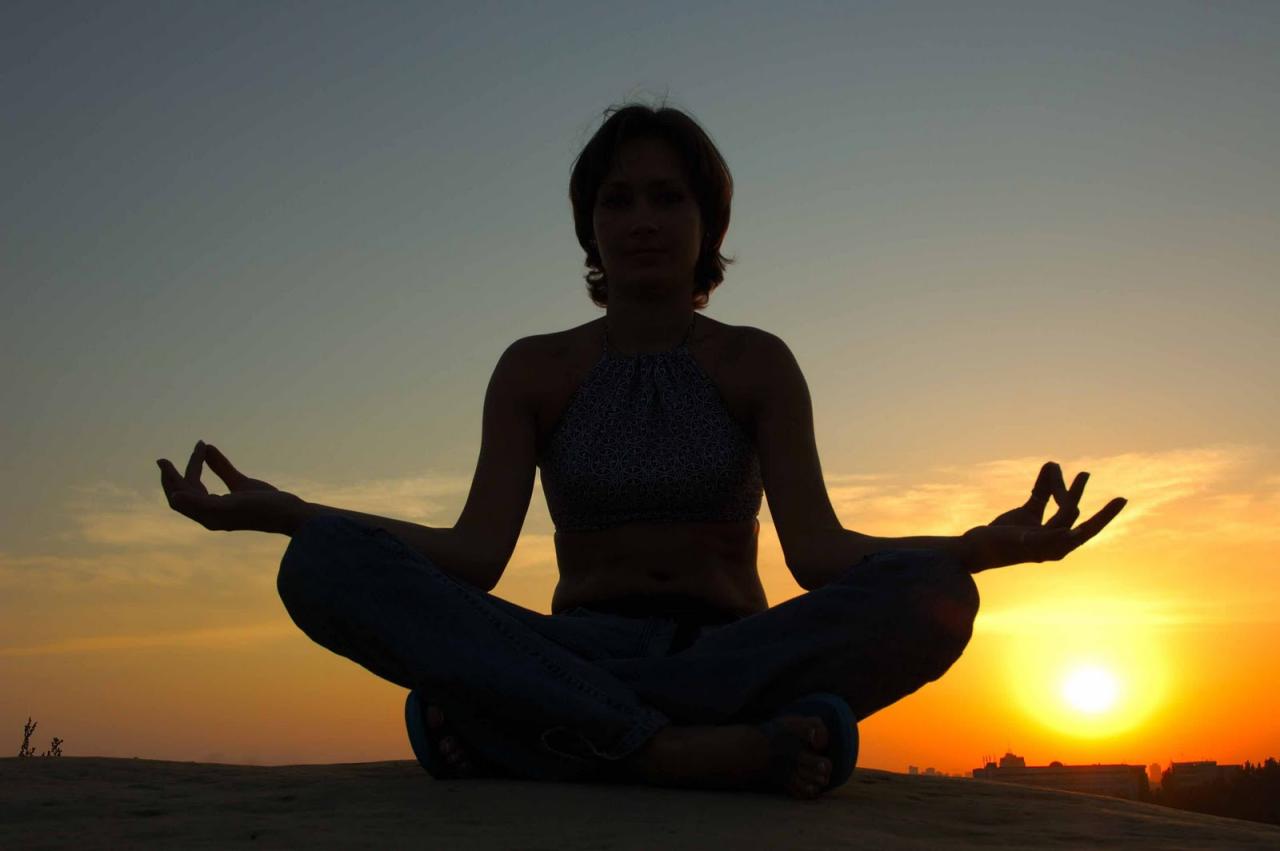
Meditation can be an immensely beneficial component of trauma recovery, offering a pathway to safety, grounding, and emotional regulation. However, practitioners often encounter various obstacles that can hinder progress or cause discomfort. Recognizing these challenges and implementing effective strategies can help maintain a consistent practice and foster healing. Addressing these hurdles with patience and awareness is essential for integrating meditation into trauma recovery in a safe and supportive manner.Trauma-related meditation often involves confronting deeply rooted emotions and memories, which can evoke distress or overwhelm.
Understanding common challenges allows practitioners to navigate their meditation practice more effectively, ensuring they remain engaged and safe throughout their journey.
Common Obstacles Faced During Meditation Practice in Trauma Recovery
Trauma survivors may encounter several specific difficulties that can disrupt their meditation routines, including intense emotional reactions, dissociation, physical discomfort, or feelings of vulnerability. Recognizing these issues early is crucial for addressing them constructively.
- Emotional Overwhelm: Sudden waves of sadness, anger, or fear may surface during meditation, sometimes leading to distress or avoidance.
- Dissociation: Feeling disconnected from bodily sensations or reality is a common coping mechanism, which may hinder grounding during practice.
- Physical Discomfort: Remaining still or maintaining certain postures can become uncomfortable or exacerbate trauma-related physical symptoms.
- Feeling Vulnerable: Meditation can make individuals feel exposed or unsafe when confronting painful memories or emotions.
To effectively address these obstacles, practitioners should approach their meditation with flexibility, patience, and compassion, understanding that setbacks are part of the healing process. Adjusting techniques, creating a safe environment, and seeking guidance when necessary can significantly improve experiences.
Strategies to Handle Emotional Releases or Distress During Meditation
Experiencing emotional releases during meditation is common among trauma survivors. Proper strategies can help manage these reactions safely and constructively, transforming challenging moments into opportunities for healing.
- Develop Self-Compassion: Remind yourself that emotional releases are natural responses and part of recovery. Use gentle affirmations, such as “It’s okay to feel this way.”
- Pause and Ground: If emotions become overwhelming, gently open your eyes, take deep breaths, or focus on physical sensations like the feel of your feet on the ground to re-center yourself.
- Use Safe Word or Signal: Establish a non-verbal cue or word to pause or stop meditation if needed, empowering you to maintain control over your practice.
- Practice Grounding Techniques: Incorporate methods such as holding a comforting object, deep breathing, or describing your environment aloud to stay present and reduce dissociation.
- Seek Support: After meditation, consider talking to a therapist or trusted individual about your experience, especially if distress persists or intensifies.
Remember that emotional releases during meditation are signals that your body and mind are processing trauma. Respect these signals and proceed with care, allowing healing to unfold gradually.
Tips for Maintaining Consistency and Motivation in Meditation Routines
Building a sustainable meditation practice, especially for trauma recovery, requires intentional effort, motivation, and adaptability. Keeping your routine consistent ensures continued progress and deeper integration of healing practices.
- Set Realistic Goals: Start with short, manageable sessions—such as five to ten minutes daily—and gradually increase duration as comfort improves.
- Create a Dedicated Space: Designate a quiet, comfortable area for meditation that is free from distractions, fostering a sense of safety and routine.
- Establish a Routine: Practice at the same time each day to build a habit, whether in the morning, during lunch, or before bed.
- Use Guided Meditations: Incorporate recordings or apps tailored for trauma recovery to provide structure and support, especially when motivation wanes.
- Practice Self-Compassion: Acknowledge that setbacks are normal. Celebrate small victories and avoid self-criticism when consistency falters.
- Connect with Support Networks: Join trauma recovery groups or meditation classes to foster accountability, encouragement, and shared understanding.
Implementing these strategies helps reinforce meditation as a nurturing tool rather than an additional source of stress. Remember that patience and persistence are key components of successful trauma-informed meditation practice.
Integrating Meditation into a Broader Trauma Recovery Plan

Effective trauma recovery often requires a comprehensive approach that combines multiple healing modalities. Incorporating meditation into this broader framework can enhance resilience, foster emotional regulation, and support overall well-being. When integrated thoughtfully, meditation can complement therapy, support groups, and other interventions, creating a multifaceted pathway toward recovery.
This section explores strategies for blending meditation practices with other healing methods and emphasizes the importance of tracking progress to tailor the approach to individual needs. By understanding how meditation interacts with different modalities and establishing mechanisms for monitoring effects, individuals can optimize their healing journey and foster sustainable recovery outcomes.
Combining Meditation with Therapy, Support Groups, and Other Modalities
Integrating meditation into a trauma recovery plan involves aligning it with therapeutic interventions, peer support, and alternative healing methods. This synergy can deepen emotional insight, reinforce coping skills, and facilitate a more holistic healing experience.
Therapies such as trauma-focused cognitive behavioral therapy (TF-CBT) and eye movement desensitization and reprocessing (EMDR) can be complemented by meditation practices that promote mindfulness and grounding. Support groups provide communal validation and shared experiences, which can be enhanced through group meditation sessions that foster collective calmness and compassion.
Other modalities like yoga, art therapy, or acupuncture can be integrated with meditation to address different aspects of trauma, such as physical tension or emotional expression. A multidisciplinary approach ensures that various dimensions of trauma are addressed, increasing the likelihood of sustained recovery.
Comparison of Meditation Techniques with Alternative Approaches
Understanding the unique features and potential benefits of various approaches helps in selecting the most appropriate methods for individual recovery plans. The following table compares common meditation techniques with alternative healing modalities often used in trauma recovery:
| Method | Core Focus | Primary Benefits | Ideal Usage |
|---|---|---|---|
| Mindfulness Meditation | Present-moment awareness and non-judgmental observation | Reduces stress, enhances emotional regulation, and increases self-awareness | |
| Trauma-Focused Therapy (e.g., EMDR, TF-CBT) | Processing and integrating traumatic memories | Reduces trauma symptoms, promotes cognitive restructuring | |
| Support Groups | Shared emotional support and peer validation | Alleviates feelings of isolation, fosters community connection | |
| Yoga | Physical movement combined with breath control and mindfulness | Reduces physical tension, improves mood, and enhances body awareness |
Each approach offers distinct advantages, and their combined use can create a synergistic effect. For example, mindfulness meditation can be practiced daily for grounding, while trauma-focused therapy addresses underlying memories, and support groups provide ongoing social reinforcement.
Tracking Progress and Adjusting Practices
Monitoring individual responses to meditation and other trauma recovery modalities is essential for optimizing healing. Establishing clear methods for tracking progress allows practitioners and individuals to evaluate effectiveness and make necessary adjustments.
Methods to track progress include maintaining detailed journals documenting emotional states, physiological responses, and behavioral changes after practices. Using standardized questionnaires, such as the Posttraumatic Stress Disorder Checklist (PCL-5) or the Trauma Symptom Inventory, can provide quantitative measures of symptom reduction over time.
Regularly scheduled reviews of these records enable practitioners and individuals to identify patterns, recognize what techniques yield the most benefit, and modify practices accordingly. For instance, if a specific meditation technique consistently reduces anxiety but does not impact flashbacks, alternative approaches like trauma processing therapy might be prioritized. Flexibility and ongoing assessment foster a personalized recovery plan that evolves with the individual’s healing process.
Ethical and Safety Considerations
Implementing meditation practices with trauma survivors demands careful attention to ethical principles and safety protocols. While meditation can be a valuable tool in trauma recovery, it also carries potential risks if not approached thoughtfully. Ensuring that practices are conducted ethically and with safety in mind helps prevent re-traumatization and supports the overall well-being of participants.
Practitioners must prioritize the emotional and physical safety of individuals engaging in meditation, recognizing their unique backgrounds and current mental health status. This section Artikels key precautions, signs indicating the need for professional intervention, and guidelines to maintain respectful and self-aware meditation sessions.
Precautions for Initiating Meditation with Trauma Survivors
Beginning meditation practice with trauma survivors requires deliberate precautions to minimize the risk of re-traumatization. Trauma histories can influence how individuals respond to internal focus and sensory awareness, making tailored approaches essential.
- Conduct thorough assessments to understand each individual’s trauma history, current coping mechanisms, and readiness for meditation. This might involve collaboration with mental health professionals.
- Start with gentle, guided practices that emphasize grounding and safety, such as body scans or breathing exercises, avoiding techniques that induce intense emotional recall initially.
- Explain the purpose, process, and potential sensations involved in meditation clearly to establish trust and set realistic expectations.
- Ensure a supportive environment with trained facilitators capable of recognizing distress signals and providing immediate assistance if needed.
- Encourage participants to practice at their own pace, respecting their comfort levels, and providing options to pause or stop the practice at any time.
Signs Indicating the Need for Professional Support
During meditation, some individuals may exhibit signs that suggest they require additional professional mental health support. Recognizing these signs promptly ensures safety and appropriate intervention.
- Intense emotional reactions: Sudden crying, anger, or overwhelming feelings that are difficult to manage without external help.
- Physical symptoms: Increased heart rate, dizziness, hyperventilation, or feelings of dissociation.
- Re-experiencing trauma: Flashbacks, intrusive thoughts, or vivid memories that cause significant distress.
- Inability to regain composure: Persistent agitation or panic that does not subside after a few minutes.
- Withdrawal or avoidance: Resistance to continue or reluctance to participate after initial engagement.
In such cases, facilitators should pause the practice and refer individuals for professional mental health support, such as therapists trained in trauma-informed care. Establishing clear protocols for quick referral can safeguard well-being and ensure that trauma responses are managed appropriately.
Guidelines for Encouraging Self-Awareness and Respecting Personal Boundaries
Fostering a respectful and self-aware meditation environment is vital for trauma survivors. Practitioners should promote personal boundaries, autonomy, and mindfulness practices that empower individuals to listen to their bodies and minds.
- Emphasize that participants have control over their experience, and they can modify, pause, or terminate the practice at any moment without judgment.
- Encourage mindful listening to one’s own responses and sensations, cultivating awareness without pressure or expectation.
- Use gentle language that affirms personal boundaries and reinforces safety, such as “You are in control of your experience.”
- Provide options for different meditation techniques, allowing individuals to select practices that resonate with their comfort levels and trauma histories.
- Educate about the importance of self-care post-meditation, including grounding strategies and accessing support if needed.
Maintaining an open, compassionate environment where individuals feel respected and empowered is essential. Regular check-ins and an emphasis on personal pacing help foster trust and enable survivors to integrate meditation into their broader healing process safely.
Resources and Support for Meditation Practice
Engaging in meditation for trauma recovery can be profoundly beneficial, especially when supported by appropriate resources and a network of professionals. Access to guided meditations, educational materials, and community support can enhance your practice, provide reassurance, and foster resilience during challenging moments. Utilizing reliable sources and connecting with trauma-informed practitioners ensures a safe and effective meditation journey tailored to your needs.
This section offers curated examples of guided meditation scripts, recommended reading and audio resources, online courses, and contact information for qualified trauma-informed meditation practitioners and support networks. These tools serve as valuable aids to deepen understanding, develop consistency, and build a supportive community around your trauma recovery process.
Guided Meditation Scripts for Trauma Recovery
Guided meditation scripts designed specifically for trauma recovery help individuals navigate complex feelings and foster a sense of safety and grounding. These scripts often include gentle prompts for breath awareness, body scans, compassionate imagery, and grounding techniques. They serve as a comforting structure, especially when practicing alone or in a new environment.
Some examples of scripts include:
- Body Scan for Safety: Focuses on bringing awareness to different parts of the body, encouraging relaxation and grounding. It prompts individuals to notice sensations without judgment, fostering a sense of present-moment safety.
- Grounding Visualization: Guides the individual to imagine roots extending from their feet into the earth, providing stability and connection, which can be particularly helpful during feelings of dissociation or overwhelm.
- Compassionate Imagery: Encourages visualizing a safe space or a compassionate figure, cultivating self-compassion and reducing self-criticism often associated with trauma.
Professionally developed scripts are available through certified trauma-informed meditation teachers and can be adapted to personal needs. Recording these scripts in one’s voice can enhance comfort and familiarity during practice.
Recommended Reading, Audio Recordings, and Online Courses
Access to diverse educational materials can empower individuals on their trauma recovery journey. The following resources provide evidence-based approaches and practical guidance for integrating meditation into trauma therapy:
| Type | Resource | Description |
|---|---|---|
| Book | “The Body Keeps the Score” by Bessel van der Kolk | An authoritative resource exploring trauma’s impact on the body and mind, with insights on healing through mindfulness and body-centered therapies. |
| Audio Recordings | Mindfulness-Based Stress Reduction (MBSR) Guided Meditations by Jon Kabat-Zinn | Includes downloadable guided meditations focusing on body awareness and breath, suitable for trauma survivors seeking grounding practices. |
| Online Course | Trauma-Informed Mindfulness offered by the Trauma Research Foundation | This course provides training on adapting mindfulness practices to trauma recovery, emphasizing safety and emotional regulation. |
These resources are accessible to both beginners and experienced practitioners, offering practical insights and techniques grounded in trauma-sensitive approaches. Many are available through reputable bookstores, mental health organizations, and online learning platforms.
Contact Information for Trauma-Informed Meditation Practitioners and Support Networks
Connecting with trained professionals and support groups can significantly enhance your meditation practice, providing personalized guidance and a sense of community. Here are some trusted avenues to find qualified trauma-informed meditation experts and support networks:
- International Association of Trauma Professionals (IATP): Offers directories of certified trauma specialists, including meditation and mindfulness practitioners. Website: www.traumapro.net
- Trauma-Informed Yoga and Meditation Centers: Many cities have centers that specialize in trauma-sensitive practices. Locating a nearby center can be done through online searches or professional directories such as Yoga Alliance or the International Mindfulness Teachers Association.
- Support Networks: Groups like the National Alliance on Mental Illness (NAMI) and local mental health organizations often facilitate peer support groups and workshops that incorporate meditation techniques tailored for trauma recovery.
- Online Platforms: Websites such as Calm, Headspace, and Insight Timer feature guided meditations specifically designed for trauma survivors, often led by trauma-informed practitioners with accessible contact options.
Establishing a connection with qualified professionals ensures a safe and supportive environment for your meditation practice, particularly when navigating complex trauma-related emotions. Always verify credentials and seek practitioners trained specifically in trauma-sensitive approaches to ensure compatibility with your recovery needs.
Outcome Summary

Incorporating meditation into a broader trauma healing plan can significantly enhance recovery outcomes. By adhering to safe practices, personalized techniques, and ongoing support, individuals can harness the restorative power of meditation to foster lasting emotional well-being and resilience. Remember, patience and consistency are key components on this transformative path.