Learning how to meditate for depression can be a transformative step toward managing emotional well-being. Meditation offers a gentle and accessible approach to cultivating mental clarity, reducing stress, and fostering a sense of inner calm. As depression can often feel overwhelming, incorporating meditation into daily routines provides a supportive tool to help regain balance and resilience.
This guide explores the fundamental concepts of meditation tailored for depression, detailed preparation steps, various effective techniques, practical procedures for beginners, and tips for integrating meditation into everyday life. Additionally, it highlights valuable resources and strategies to enhance your practice and seek professional support when needed.
Understanding Meditation for Depression

Meditation has gained recognition as an effective complementary approach to managing depression. It involves practices that cultivate mindfulness, focus, and emotional regulation, which can significantly influence an individual’s mental health. As a non-invasive method, meditation offers a pathway to achieve greater mental clarity and emotional stability, making it increasingly relevant for those experiencing depressive symptoms.
Research indicates that meditation can alter brain activity associated with mood regulation, reduce stress levels, and promote positive emotional states. Its role in depression management is supported by a growing body of scientific evidence highlighting its benefits in reducing symptoms and improving overall well-being. Understanding how meditation interacts with mental health is essential in harnessing its full potential as part of a holistic approach to depression treatment.
The Concept of Meditation and Its Relevance to Mental Health
Meditation encompasses a variety of practices aimed at training the mind to achieve a state of calm, clarity, and heightened awareness. Common techniques include mindfulness meditation, focused breathing, transcendental meditation, and loving-kindness meditation. These practices help individuals observe their thoughts and emotions non-judgmentally, fostering a sense of acceptance and presence.
In the context of mental health, especially depression, meditation serves as a tool to break negative thought patterns, increase emotional resilience, and enhance self-awareness. By regularly practicing meditation, individuals can develop a more balanced perspective on their experiences, which is crucial for overcoming feelings of hopelessness or worthlessness associated with depression.
Impact of Meditation on Mood Regulation and Emotional Balance
One of the key benefits of meditation lies in its ability to influence neural pathways involved in emotional regulation. It activates regions in the brain responsible for positive emotions and decreases activity in areas linked to stress and rumination. This neuroplasticity helps recalibrate mood, making it easier to manage emotional fluctuations common in depression.
Additionally, meditation encourages the release of neurotransmitters such as serotonin and endorphins, which are integral to feelings of happiness and well-being. Over time, consistent practice can lead to improved resilience against emotional distress and a more stable mood, contributing to a reduction in depressive symptoms.
Scientific Evidence Supporting Meditation as a Tool for Depression Management
An increasing number of clinical studies have demonstrated the efficacy of meditation in alleviating depression symptoms. For example, randomized controlled trials have shown that mindfulness-based interventions can significantly reduce levels of depression, anxiety, and stress among participants.
In one notable study, individuals with mild to moderate depression who engaged in mindfulness meditation experienced comparable improvements to those receiving standard antidepressant therapy, with the added benefit of fewer side effects. Neuroimaging research further supports these findings, revealing changes in brain activity associated with enhanced emotional regulation and decreased rumination.
Moreover, meta-analyses of multiple studies indicate that meditation can serve as an effective adjunct to conventional treatments, helping to sustain mood improvements and prevent relapse. Its accessibility and minimal side effects make it a valuable component of a comprehensive depression management plan.
Preparing for Meditation Practice
Establishing an optimal environment and mental state is essential for effective meditation, particularly when addressing depression. Proper preparation helps minimize distractions, foster relaxation, and create a sense of safety and comfort, allowing you to focus inwardly and maximize the benefits of your meditation sessions.
Thoughtful preparation involves selecting an appropriate physical setting, choosing suitable clothing and accessories, and engaging in mental and physical routines that enhance focus and ease. By paying attention to these elements, you set the stage for a more meaningful and consistent meditation practice that can support mood regulation and emotional resilience.
Creating a Conducive Environment
Designing a dedicated space that promotes calmness and tranquility is fundamental. This space should be free from interruptions and clutter, fostering a sense of sanctuary where meditation can become a habitual part of your routine.
- Choose a quiet area in your home where external noise and interruptions are minimized. If possible, designate a specific corner or room solely for meditation to reinforce consistency and mental association with relaxation.
- Adjust lighting to be soft and warm, or use natural light if available. Dim lighting or the use of candles can create a soothing atmosphere that encourages relaxation and reduces visual distractions.
- Maintain a moderate temperature that feels comfortable—neither too hot nor too cold—to prevent physical discomfort from interfering with your focus during meditation.
- Consider incorporating elements of nature, such as plants or a small water fountain, to foster a sense of serenity and connection with the environment.
Choosing Clothing and Accessories
Comfortable attire plays a vital role in facilitating deep relaxation and minimizing physical distractions. Selecting appropriate clothing and accessories can significantly enhance your meditation experience, especially for those dealing with depression, where physical comfort can influence mood and focus.
Wear loose, breathable clothing that allows unrestricted movement and promotes comfort throughout the session.
- Opt for soft, natural fabrics such as cotton or linen that do not constrict the body or cause irritation.
- Avoid tight-fitting or restrictive garments that could lead to physical discomfort or feelings of confinement during meditation.
- Use pillows or cushions to elevate your hips and support proper posture, reducing physical strain, especially if sitting cross-legged or on the floor for extended periods.
- Consider wearing a light shawl or blanket to provide warmth and a sense of security, particularly during colder months or if you tend to feel cold easily.
Physical and Mental Preparations
Engaging in specific routines before meditation can improve focus, reduce mental clutter, and prepare the body for relaxation. These preparatory steps can be particularly beneficial for individuals experiencing depression, as they help establish a grounding routine and promote a sense of control.
- Physical relaxation exercises: Gentle stretching or deep breathing exercises can alleviate muscle tension and calm the nervous system, making it easier to transition into meditation.
- Mindful breathing: Taking a few minutes to focus solely on slow, diaphragmatic breathing prior to meditation can center your attention and reduce anxiety or racing thoughts.
- Setting intentions: Clarifying your aims for the session, such as cultivating calmness or self-compassion, can provide a mental anchor and enhance motivation.
- Eliminating distractions: Turning off electronic devices, informing others of your quiet time, and closing windows or doors help create a boundary that supports undisturbed meditation.
By systematically preparing both your environment and mind, you create a stable foundation for your meditation practice. This intentional setup not only enhances focus and comfort but also encourages consistency, which is vital for managing depression through meditation.
Techniques of Meditation Suitable for Depression

In managing depression, choosing the right meditation techniques can significantly enhance emotional well-being and foster a sense of inner peace. Different methods offer unique approaches to cultivating mindfulness, compassion, and relaxation, making them suitable for individuals experiencing depressive symptoms. Understanding these techniques provides a foundation for integrating meditation into daily routines effectively.
Each meditation technique tailored for depression addresses specific emotional and mental patterns, helping to reduce symptoms such as persistent sadness, negative thoughts, and emotional exhaustion. Below are four prominent methods—mindfulness meditation, guided imagery, body scan, and loving-kindness meditation—each with distinct procedures, benefits, and applications suited to individuals with depression.
Mindfulness Meditation
Mindfulness meditation involves cultivating an attentive awareness of the present moment without judgment. It encourages individuals to observe their thoughts, feelings, and bodily sensations with openness and acceptance. This technique helps reduce rumination and fosters a non-reactive attitude towards depressive thoughts, promoting emotional resilience.
Practically, practitioners focus on the breath, bodily sensations, or external stimuli, gently bringing their attention back whenever the mind wanders. For individuals with depression, mindfulness can serve as a grounding practice that diminishes the impact of negative thought cycles and increases emotional regulation.
Benefits
- Reduces rumination and negative self-talk
- Enhances emotional regulation and resilience
- Promotes a sense of calm and presence
Procedure
- Find a comfortable seated position, with your back straight but relaxed.
- Close your eyes or soften your gaze.
- Focus your attention on your breath, noting the sensation of inhaling and exhaling.
- When your mind drifts to negative thoughts, gently acknowledge them without judgment and redirect your focus to your breath.
Suggested Duration
Start with 5-10 minutes daily, gradually increasing to 20 minutes as comfort with the practice grows.
Specifics for Depression
“When practicing mindfulness for depression, focus on non-judgmental awareness of negative thoughts, observing them as passing mental events rather than personal truths.”
Guided Imagery
Guided imagery involves using visualization techniques to evoke calming mental images that promote relaxation and emotional healing. This method leverages the power of imagination to shift focus away from depressive rumination and foster positive mental states.
Practitioners are typically guided by recorded instructions or a therapist to imagine peaceful settings, such as a serene beach or lush forest. For individuals with depression, guided imagery can serve as an effective tool to reduce stress, enhance mood, and foster feelings of safety and comfort.
Benefits
- Reduces stress and anxiety
- Elevates mood and promotes positive feelings
- Encourages mental escapism from negative thought patterns
Procedure
- Find a quiet, comfortable place to sit or lie down.
- Close your eyes and take deep, calming breaths.
- Begin to imagine a peaceful scene, incorporating as many senses as possible—visuals, sounds, smells, and tactile sensations.
- Allow yourself to immerse fully in this scene, experiencing feelings of relaxation and safety.
- When ready, slowly bring your awareness back to the present moment, carrying the calmness with you.
Suggested Duration
Begin with 10-15 minutes per session, up to twice daily, depending on comfort and schedule.
Specifics for Depression
“In guided imagery for depression, focus on visualizations that evoke safety, achievement, or joyful memories to counteract feelings of hopelessness.”
Body Scan
The body scan technique promotes relaxation by systematically directing attention through different parts of the body. It is especially beneficial for those with depression, as it fosters a connection between mind and body, reducing physical tension and emotional distress.
This method involves gradually noticing sensations from head to toe, acknowledging areas of tension or discomfort without attempting to change them. For individuals battling depression, body scan meditation can help alleviate physical symptoms of stress and enhance mindfulness of bodily sensations.
Benefits
- Reduces physical tension and stress
- Enhances body awareness and present-moment focus
- Supports emotional regulation by fostering acceptance
Procedure
- Lie down or sit in a comfortable position, ensuring your body is supported.
- Close your eyes and take a few deep breaths to settle into the practice.
- Begin by paying attention to the sensations in your toes, noting any tension or relaxation.
- Slowly move your attention upward through your legs, abdomen, chest, arms, neck, and face, noticing sensations in each area.
- If tension is detected, breathe into that area, imagining it softening or relaxing with each exhale.
Suggested Duration
Allocate 15-20 minutes per session, ideally daily or every other day for sustained benefits.
Specifics for Depression
“For depression, focus on accepting physical sensations without judgment, recognizing areas of tension as normal responses to emotional distress, and encouraging gentle relaxation.”
Loving-Kindness Meditation
Loving-kindness meditation, or Metta, emphasizes cultivating feelings of compassion and goodwill towards oneself and others. This technique is particularly effective for depression, as it can help counteract self-criticism and foster a sense of connectedness and positivity.
This practice involves silently repeating phrases that send goodwill and kindness inward and outward, such as “May I be happy,” or “May all beings be free from suffering.” For those experiencing depression, loving-kindness meditation can gradually build self-compassion and a more optimistic outlook.
Benefits
- Enhances self-compassion and reduces self-criticism
- Fosters feelings of warmth, connection, and positivity
- Reduces symptoms of loneliness and emotional pain
Procedure
- Sit comfortably, closing your eyes if preferred.
- Take several deep breaths to center yourself.
- Begin by directing kind phrases towards yourself, such as “May I be happy, may I be healthy, may I be at peace.”
- Gradually extend these wishes outward to loved ones, acquaintances, and eventually to all beings.
- Maintain a gentle, compassionate attitude throughout the practice.
Suggested Duration
Start with 10 minutes daily, gradually increasing as comfort develops.
Specifics for Depression
“In loving-kindness meditation for depression, focus on cultivating a gentle, accepting attitude towards oneself, acknowledging feelings of sadness without judgment, and fostering internal warmth.”
Comparative Table of Meditation Techniques for Depression
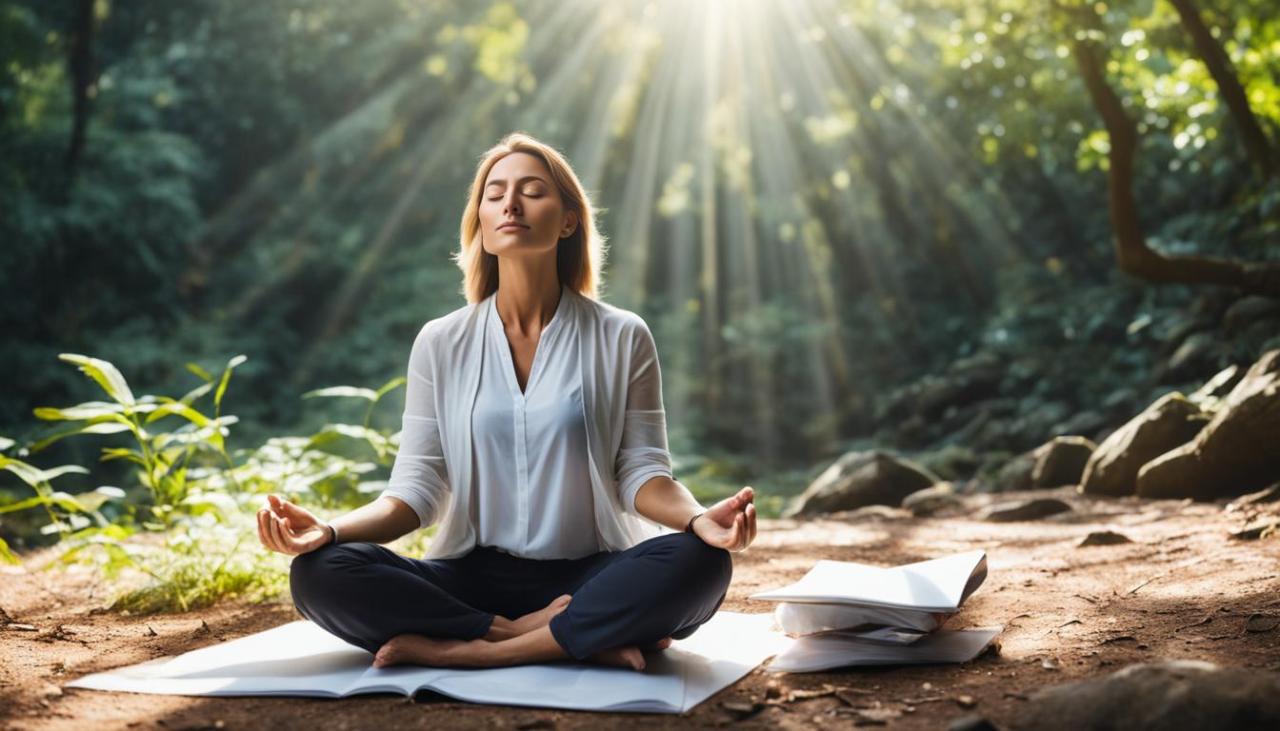
Understanding the differences among these meditation methods enables individuals to select the most suitable approach based on personal preferences and specific needs. The table below summarizes benefits, procedures, typical durations, and targeted benefits for each technique.
| Technique | Benefits | Procedure | Recommended Duration | Targeted Benefits for Depression |
|---|---|---|---|---|
| Mindfulness Meditation | Reduces rumination, enhances emotional regulation, promotes calmness | Focus on breath or sensations, gently redirecting attention when distracted | 5-20 minutes daily | Breaking negative thought cycles and increasing resilience |
| Guided Imagery | Reduces stress, elevates mood, fosters positive mental images | Visualize calming scenes with sensory details, guided by recordings or therapist | 10-15 minutes, 1-2 times daily | Counteracting feelings of hopelessness and promoting relaxation |
| Body Scan | Relieves physical tension, enhances body awareness, fosters acceptance | Sequentially focus on each body part, noting sensations without judgment | 15-20 minutes daily or every other day | Reducing physical symptoms associated with depression and stress |
| Loving-Kindness Meditation | Builds self-compassion, fosters positive emotions, reduces loneliness | Repeat compassionate phrases towards self and others, extending outward | 10 minutes daily | Counteracting self-criticism and cultivating warmth and connection |
Step-by-Step Meditation Procedures
Meditation for depression can be a powerful tool to foster calmness, awareness, and emotional resilience. For beginners, establishing a clear and structured approach helps cultivate consistency and confidence in practice. This section provides a comprehensive guide to navigating a meditation session, including optimal timing, posture, breathing techniques, guided scripts, and strategies to manage common obstacles effectively. Adopting these steps can enhance the therapeutic benefits of meditation and support mental well-being over time.Engaging in a structured meditation session involves creating a routine that is accessible and manageable.
By following a step-by-step process, beginners can develop a habit that reduces feelings of overwhelm and uncertainty, making meditation a sustainable part of their depression management plan.
Structured Meditation Session for Beginners
For an effective meditation session, allocate a quiet, comfortable space where interruptions are minimized. Start with a duration that feels manageable, such as 10 to 15 minutes, and gradually increase as confidence and comfort grow. The following steps Artikel a typical beginner’s meditation routine:
- Timing: Choose a consistent time each day, preferably when you are least likely to be disturbed—morning upon waking or evening before bedtime. Consistency helps reinforce the habit and integrates meditation into daily life.
- Posture: Sit in a comfortable position that maintains a straight spine, whether on a chair with feet flat on the ground or cross-legged on a cushion. Rest your hands gently on your lap or knees, and keep your shoulders relaxed.
- Breathing: Focus on natural, diaphragmatic breathing. Inhale slowly through your nose, allowing your abdomen to rise, then exhale gently through your mouth or nose, whichever feels more natural. Pay attention to the rhythm of your breath without forcing it.
- Guided Practice: Use a simple script or guided meditation to help anchor your attention and maintain focus. Below is a sample script to assist with depression relief.
- Closing the Session: Gently bring your attention back to the environment. Wiggle your fingers and toes, stretch if needed, and take a few deep breaths before slowly opening your eyes.
Sample Guided Meditation Script for Depression Relief
“Find a comfortable seated position, with your back straight but relaxed. Close your eyes softly or gaze downward. Take a slow, deep breath in through your nose, feeling the air fill your lungs. As you exhale, release tension from your shoulders and face. Continue to breathe slowly and naturally. With each inhale, imagine inhaling calm and healing energy. With each exhale, imagine releasing feelings of sadness, anxiety, or negativity. Repeat silently: ‘I am here for myself.’ When your mind wanders, gently redirect your attention back to your breath and the present moment. Know that each breath brings clarity and relief. Stay with this awareness for the duration of the session, which can be 10 to 15 minutes. When ready, slowly bring your awareness back to your surroundings, open your eyes, and carry this sense of calm with you.'”
Common Obstacles During Meditation and Strategies to Overcome Them
During meditation, many individuals encounter obstacles that can hinder progress or discourage continuation. Recognizing these challenges and developing strategies to address them can make meditation more accessible and effective for depression management.
- Restlessness or Fidgeting: Physical discomfort or a busy mind can make it difficult to stay still. To mitigate this, select a comfortable seat, and consider incorporating gentle stretching before meditation. If restlessness persists, acknowledge it without judgment and gently redirect your focus to your breath or mantra.
- Intrusive Thoughts: The mind tends to wander, especially when processing emotional distress. Instead of fighting these thoughts, observe them as passing clouds, and return your attention to your breathing or guided script. Practicing patience and kindness toward oneself is crucial.
- Impatience or Expectation: Expecting immediate relief can lead to frustration. Understand that meditation is a gradual process. Consistent practice over days and weeks yields results, so focus on the process rather than immediate outcomes.
- Drowsiness or Fatigue: Meditating when tired may cause sleepiness. Choose a time when you are alert, and sit upright to maintain wakefulness. If sleepiness occurs, take a brief break or do a few stretches before resuming.
- External Distractions: Noise or interruptions can disrupt focus. Use earplugs, noise-canceling headphones, or create a dedicated quiet space. Let others know your meditation time to minimize disturbances.
Consistent, compassionate practice transforms obstacles into opportunities for growth. Approach each session with patience and a gentle attitude toward your progress.
Integrating Meditation into Daily Routine
Incorporating meditation into daily life is a vital step toward managing depression effectively. Establishing a consistent routine helps reinforce the practice, making it a natural part of everyday activities. By dedicating specific times and creating a supportive environment, individuals can experience the cumulative benefits of meditation in reducing depressive symptoms and fostering emotional resilience.
Developing a sustainable schedule requires understanding personal rhythms and commitments. Consistency not only enhances the depth of meditation but also cultivates a sense of discipline and mindfulness that can positively influence other areas of life. Overcoming common barriers such as busy schedules, distractions, or wavering motivation involves strategic planning, flexible approaches, and self-compassion.
Developing a Weekly Schedule Template Incorporating Meditation Practices
A well-structured weekly schedule helps embed meditation into daily life, ensuring regular practice and maximizing its benefits. The template below offers a flexible framework adaptable to individual needs, commitments, and energy levels.
| Day of the Week | Time of Day | Duration | Type of Meditation | Purpose or Focus |
|---|---|---|---|---|
| Monday | Morning | 10 minutes | Breathing Meditation | Set positive intentions for the day |
| Tuesday | Lunch Break | 8 minutes | Body Scan | Reduce stress and promote relaxation |
| Wednesday | Evening | 15 minutes | Mindfulness Meditation | Reflect on daily experiences and emotions |
| Thursday | Morning | 10 minutes | Loving-kindness Meditation | Enhance self-compassion and empathy |
| Friday | After work | 12 minutes | Guided Visualization | Cultivate calmness and positivity |
| Saturday | Morning | 15 minutes | Walking Meditation | Connect with nature and breath awareness |
| Sunday | Flexible | Optional | Any preferred technique | Relaxation and reflection |
This template provides a balanced distribution of sessions across different times of day, facilitating adaptation based on personal routines. It encourages variety, which can prevent monotony and address different emotional needs.
Tips for Maintaining Consistency and Overcoming Common Barriers
Achieving consistency in meditation practice often encounters obstacles such as lack of time, waning motivation, or environmental distractions. Recognizing these barriers enables the development of effective strategies to sustain practice and enjoy its long-term benefits.
- Set Realistic Goals: Begin with short durations, such as 5-10 minutes daily, gradually increasing as comfort and confidence grow.
- Establish a Dedicated Space: Create a quiet, comfortable area designated solely for meditation, reinforcing habit formation.
- Use Reminders and Alarms: Schedule alerts on devices or place visual cues in your environment to prompt practice times.
- Integrate into Existing Routines: Attach meditation to established activities, like after brushing teeth or during lunch breaks, to simplify integration.
- Practice Self-Compassion: Acknowledge that some days may be challenging; avoid self-criticism and focus on progress rather than perfection.
- Leverage Support Systems: Join meditation groups or online communities for encouragement, accountability, and shared experiences.
“Consistency is key; even brief daily practices can accumulate into meaningful change over time.”
Overcoming barriers involves patience and flexibility. If usual routines are disrupted, adapt by shortening sessions or practicing mindfulness during everyday activities. The goal is to cultivate a sustainable practice that fits seamlessly into life, fostering resilience against depressive symptoms.
Responsive Meditation Schedule with Suggested Durations and Times of Day
Understanding that optimal meditation times and durations vary among individuals, a responsive schedule considers personal preferences, energy levels, and daily commitments. The following table offers guidance for creating a personalized routine, emphasizing flexibility and consistency.
| Time of Day | Suggested Duration | Type of Meditation | Notes |
|---|---|---|---|
| Morning (upon waking) | 5-10 minutes | Breath awareness or mindfulness | Sets a calm tone for the day |
| Midday (lunch break or pause) | 8-12 minutes | Body scan or guided meditation | Reduces afternoon stress and refocuses |
| Evening (before bed) | 10-15 minutes | Loving-kindness or relaxation techniques | Promotes restful sleep and emotional processing |
Adjusting the durations based on daily energy levels and schedules ensures meditation remains a manageable and enjoyable activity. Flexibility also reduces the likelihood of skipping sessions, fostering a consistent habit aligned with personal lifestyle and mental health needs.
Additional Resources and Support
Engaging in meditation as a complementary approach to managing depression can be greatly enhanced by utilizing credible resources and seeking appropriate professional guidance. These tools and supports provide valuable structure, motivation, and expert insight to facilitate a sustainable meditation practice and overall mental well-being.Understanding that meditation is not a standalone remedy, it is important to integrate it with comprehensive mental health support.
Combining self-guided practices with guidance from qualified professionals can lead to more effective and personalized outcomes in alleviating depressive symptoms.
Recommended Books, Apps, and Online Resources for Guided Meditation
A variety of credible resources are available to support individuals seeking structured guidance in meditation for depression. These include published books that offer in-depth insights, user-friendly apps designed for ease of practice, and online platforms providing access to expert-led courses and communities.
- Books:
- The Mindful Way Through Depression by Mark Williams, John Teasdale, Zindel Segal, and Jon Kabat-Zinn — This seminal book combines mindfulness and meditation strategies specifically tailored to overcoming depression.
- Wherever You Go, There You Are by Jon Kabat-Zinn — An accessible guide to mindfulness meditation that encourages present-moment awareness and stress reduction.
- Mindfulness for Beginners by Jon Kabat-Zinn — A practical introduction for newcomers to mindfulness and meditation practices.
- Apps:
- Headspace — Offers guided meditation sessions focused on mental health, stress, and emotional resilience, with specific programs addressing depression.
- Calm — Features meditation tracks, breathing exercises, and sleep stories to support emotional well-being.
- Insight Timer — Provides free access to thousands of guided meditations, including those tailored for depression and anxiety.
- Online Resources:
- The UCLA Mindful Awareness Research Center (MARC) — Offers free guided meditations and educational materials on mindfulness practices for mental health.
- The Mindful Awareness Practice (MAP) Program by UC San Diego — Provides online courses and resources specifically designed for mental health support.
- National Institute of Mental Health (NIMH) — Contains articles and links to evidence-based mental health treatments, including mindfulness and meditation approaches.
Seeking Professional Support Alongside Meditation Practice
While meditation can be a valuable tool in managing depression, professional support remains a critical component of comprehensive mental health care. Mental health professionals, such as psychologists, psychiatrists, and licensed counselors, offer tailored interventions, medication management when necessary, and therapeutic guidance that complements meditation efforts.Collaborating with a mental health professional helps to:
- Identify underlying causes and individual triggers of depression.
- Develop personalized treatment plans integrating meditation, therapy, and possibly medication.
- Address any challenges or setbacks encountered during meditation practice.
- Monitor progress and make adjustments to ensure optimal benefits.
Engaging in regular therapy sessions alongside meditation fosters a holistic approach, reinforcing emotional resilience and providing support during difficult emotional states.
Visual Aids for Meditation Postures and Techniques
Clear visual explanations can significantly aid in understanding proper meditation postures and techniques, especially for beginners. For example, a typical seated meditation posture involves sitting upright with a straight spine, shoulders relaxed, and hands resting comfortably on the lap or knees. The head is aligned with the spine, with the chin slightly tucked to avoid strain. The feet are flat on the ground or crossed comfortably, ensuring stability and alertness.For breathing techniques, visual aids may illustrate the expansion and contraction of the abdomen or chest during inhalation and exhalation.
Examples include a diagram showing a person seated with hands gently resting on the abdomen, highlighting the rise and fall of the abdomen during diaphragmatic breathing. Such visuals demonstrate the importance of maintaining a relaxed posture to facilitate deep, effective breathing.When practicing body scan or mindfulness meditation, visual cues can guide practitioners to focus sequentially on different parts of the body, such as the toes, feet, legs, abdomen, chest, arms, neck, and face, promoting a systematic awareness of physical sensations.
These descriptions help practitioners visualize the process, ensuring correct technique without the need for images.
Final Summary
Incorporating meditation into your daily life offers a powerful pathway to alleviate depression and enhance emotional stability. By understanding the techniques, establishing a consistent routine, and utilizing available resources, you can create a sustainable practice that supports your mental health journey. Remember, patience and persistence are key as you explore these calming practices toward a healthier, more balanced life.