Learning how to meditate for awareness of thoughts is a valuable practice that can significantly enhance mindfulness and mental clarity. By cultivating a gentle and focused attention on your mental processes, you develop a deeper understanding of your inner experiences and foster a sense of calm and presence in daily life.
This meditation approach involves foundational principles of observing thoughts without judgment, setting up an appropriate environment, and employing specific techniques to notice, differentiate, and detach from mental chatter. Incorporating these methods can lead to greater emotional resilience and improved decision-making through increased self-awareness.
Foundations of Meditation for Awareness of Thoughts
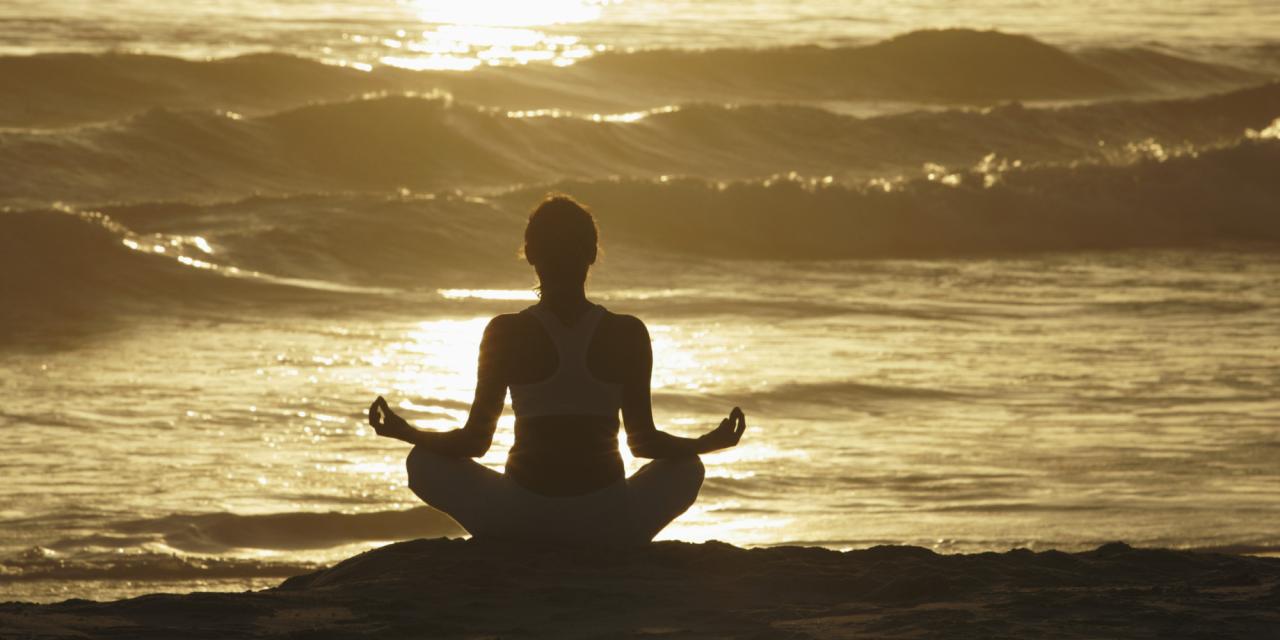
Establishing a solid foundation in meditation for awareness of thoughts is essential for cultivating mindfulness and developing a deeper understanding of one’s mental processes. This practice encourages a non-judgmental observation of thoughts, allowing practitioners to gain clarity and mental calmness. By understanding the core principles and creating a supportive environment, individuals can enhance their meditation experience and foster ongoing mindfulness in daily life.
Mindfulness meditation centered on awareness of thoughts involves observing mental activity without attachment or aversion. It promotes a gentle acknowledgment of thoughts as they arise, encouraging practitioners to recognize patterns and tendencies. This process is instrumental in reducing reactivity, improving emotional regulation, and cultivating a more present-centered consciousness.
Core Principles of Mindfulness Meditation Focused on Observing Thoughts
Understanding the fundamental principles that underpin mindfulness meditation is crucial for effective practice. These principles serve as guiding frameworks that foster a stable and receptive mental state conducive to awareness of thoughts.
- Non-judgmental Observation: Cultivating an attitude of curiosity and acceptance toward all thoughts, without labeling them as good or bad.
- Present Moment Focus: Directing attention to the here and now, anchoring awareness in the current experience rather than past or future concerns.
- Acceptance and Compassion: Allowing thoughts to arise and pass naturally, embracing them without resistance, which reduces mental tension.
- Consistent Practice: Engaging regularly in meditation sessions to develop familiarity and skill in observing thoughts objectively.
Step-by-Step Process to Prepare for Meditation Sessions Emphasizing Awareness
Preparation is a vital component in setting the stage for effective mindfulness practice. Properly preparing involves creating mental and physical conditions that foster concentration and openness to observing thoughts.
- Choose a Quiet and Comfortable Space: Select a location free from distractions, with comfortable seating or posture support to promote relaxation and focus.
- Set a Clear Intention: Decide on the purpose of the session, such as cultivating awareness of thoughts or developing non-reactive observation.
- Establish a Regular Schedule: Consistency enhances mindfulness habits; choosing fixed times helps the mind anticipate and prepare for meditation.
- Limit External Distractions: Turn off notifications, silence mobile devices, and inform others to minimize interruptions during practice.
- Adopt a Relaxed Posture: Maintain a seated, upright posture that is comfortable yet alert, allowing the body to be relaxed but attentive.
- Set a Timer: Use a gentle timer to delineate the session duration, enabling full immersion without concern for clock watching.
Essential Tools and Environment Setup for Effective Meditation Practice
An optimal environment and appropriate tools can significantly enhance the quality of meditation focused on awareness of thoughts. These elements create a conducive atmosphere that supports concentration and tranquility.
| Tool / Environment Element | Description and Benefits |
|---|---|
| Comfortable Seating | Use a cushion, chair, or bench that maintains an upright posture, preventing discomfort and encouraging alertness. |
| Dim Lighting and Calm Atmosphere | A softly lit space reduces visual distractions and fosters a serene mindset, conducive to introspection. |
| Minimal Noise | Ensuring a quiet environment minimizes auditory disruptions, helping maintain focus on internal experiences. |
| Essential Oils or Incense | Optional aromatherapy can enhance relaxation and create a sensory cue for mindfulness practice. |
| Clothing | Wear loose, comfortable attire that does not restrict movement or distract during meditation. |
| Timer or Bell | Use a gentle chime or timer to mark the beginning and end of sessions without abrupt interruptions. |
Creating a dedicated and thoughtfully prepared environment ensures that mental space is cleared and focus is supported, facilitating a more profound awareness of thoughts during meditation.
Techniques to observe and identify thoughts during meditation

Developing an awareness of thoughts during meditation involves cultivating gentle observation skills that allow you to notice mental activity without interference or judgment. Recognizing different types of thoughts — whether fleeting or persistent — is crucial for deepening your mindfulness practice. This section explores effective methods to observe your mental landscape with clarity and compassion, facilitating a more profound understanding of your thought patterns and enhancing your meditation experience.
By employing specific observation techniques, meditators learn to distinguish transient thoughts that naturally arise from deeper, more persistent mental patterns. This differentiation helps in reducing identification with habitual thought cycles, promoting mental clarity, and fostering a sense of calm. The following methods serve as practical tools to gently notice and categorize thoughts, supporting your journey toward increased awareness and mental discipline.
Observation Techniques for Mental Clarity
| Technique | Benefits | Applications |
|---|---|---|
| Labeling or Noticing | Encourages gentle acknowledgment of thoughts without attachment, reducing emotional reactivity. | Effective in recognizing specific thought types such as planning, judgment, or memories, helping to detach from their influence. |
| Body Scan Awareness | Links mental activity to physical sensations, fostering a holistic observation and grounding the mind. | Useful for detecting when thoughts distract attention from bodily sensations, guiding gentle redirection. |
| Noticing the Breath as an Anchor | Provides a stable focal point, making it easier to observe thoughts as they arise and pass. | Ideal for observing the frequency and nature of thoughts during breath-focused meditation. |
| Thought Labeling | Creates a mental categorization system that reduces the tendency to ruminate, fostering detachment. | Practical for identifying thoughts as “planning,” “worry,” or “remembering,” then letting them drift away. |
| Visual Observation | Helps to see thoughts as passing phenomena, similar to clouds in the sky, promoting non-attachment. | Effective for cultivating equanimity toward mental activity, especially during extended meditation sessions. |
Each technique offers a different angle for observing thoughts. For example, labeling thoughts with descriptive words simplifies mental activity, making it easier to recognize recurring patterns without judgment. Body scan awareness links mental states with physical sensations, providing a multisensory approach to observation. Using the breath as an anchor creates a steady point of focus, allowing thoughts to be observed with patience and neutrality.
Thought labeling helps categorize mental activity, reducing emotional responses, while visual observation promotes seeing thoughts as transient events, fostering detachment and calmness.
“Observe your thoughts as if watching clouds pass in the sky—acknowledge their presence without clinging or chasing after them.”
Practicing these techniques consistently deepens your ability to gently observe thoughts, fostering a state of detached awareness that is fundamental to meditation for awareness of thoughts. Over time, this cultivates a more peaceful mind and enhances your capacity to recognize mental patterns without becoming entangled in them.
Developing Non-Attachment to Thoughts

Cultivating non-attachment to thoughts is a fundamental aspect of meditative awareness. It involves observing mental activity without becoming entangled or emotionally reactive, thereby fostering inner calm and clarity. This practice enables practitioners to experience their thoughts as transient phenomena, reducing the tendency to identify with them or be overwhelmed by mental chatter.
By learning to detach from passing thoughts and emotional reactions, individuals can create a mental space that promotes equanimity and insight. Developing this skill requires consistent practice and specific techniques designed to gently redirect attention, diminish attachment, and cultivate a neutral stance towards mental activity.
Practices that Foster Detachment from Mental Chatter and Emotional Reactions
Engaging in deliberate exercises that cultivate a sense of detachment helps practitioners observe thoughts without judgment or emotional investment. These practices serve to weaken the habitual tendency to cling to certain thoughts or emotional responses, leading to a more balanced mental state.
- Mindful Observation of Passing Thoughts: Regularly noting thoughts as they arise, using neutral labels such as “thinking,” “remembering,” or “planning,” without elaboration or judgment. This reduces identification with the thought and prevents emotional reactions.
- Labeling and Non-Engagement: When a thought emerges, silently label it and gently redirect attention back to the breath or chosen focal point. Recognizing thoughts as transient phenomena diminishes their emotional impact.
- Practicing Equanimity: Cultivating a mental attitude of acceptance towards all thoughts, whether pleasant or unpleasant, helps diminish attachment. Reminding oneself that thoughts are temporary and do not define one’s identity is essential.
- Visualization Techniques: Imagining thoughts as clouds passing in the sky or leaves floating down a stream can reinforce the understanding of mental phenomena as fleeting, encouraging non-attachment.
Exercises for Maintaining a Neutral Stance Towards Passing Thoughts
Practitioners can incorporate specific exercises into their meditation routines to develop a neutral, non-reactive attitude towards passing thoughts. These exercises strengthen the ability to observe without becoming involved or emotionally affected.
- Thought Watching Exercise: Sit comfortably and focus on the natural flow of thoughts. Each time a thought appears, acknowledge it with a neutral label, such as “thinking,” and allow it to pass without elaboration. Continue this process for 5–10 minutes, maintaining awareness of the transient nature of thoughts.
- Stream of Consciousness Journaling: Write down thoughts as they come without judgment or editing. Afterward, observe the journal to recognize patterns and understand the impermanent and impersonal nature of thoughts, reinforcing non-attachment.
- Breathing and Thought Alternation: Alternate between focusing on the breath and observing thoughts. When a thought arises, gently return focus to the breath, viewing thoughts as temporary visitors rather than aspects of the self.
- Body Scan with Non-Attachment: Perform a body scan meditation, noting sensations without attaching emotional significance. When thoughts intrude, acknowledge them neutrally, then re-center on bodily sensations, promoting detachment from mental reactions.
Emphasizing the transient and impersonal nature of thoughts allows practitioners to develop equanimity and reduce reactivity, fostering a more peaceful and resilient mind.
Common Challenges and How to Overcome Them
Practicing awareness meditation often presents a variety of challenges that can disrupt focus and hinder progress. Recognizing these typical obstacles is essential for developing effective strategies to maintain a steady and meaningful meditation practice. Both beginners and experienced meditators encounter distractions and mental blocks at different stages, but with awareness and proper techniques, these can be addressed successfully.
Understanding common challenges enables practitioners to cultivate resilience and patience, fostering a more consistent meditation routine. The key lies in identifying the nature of each distraction or mental barrier and applying appropriate methods to gently redirect attention back to the present moment, thus deepening the awareness of thoughts without judgment.
Distractions and Mental Blocks in Awareness Meditation
During meditation focused on awareness of thoughts, it is natural for the mind to drift away from the intended focus. Common distractions include external noises, physical discomfort, or internal mental chatter such as worries, judgments, or daydreams. Mental blocks often manifest as impatience, frustration, boredom, or feelings of inadequacy when progress seems slow. Recognizing that these experiences are universal can help lessen self-criticism and promote a compassionate approach.
External distractions, like background noise or interruptions, can be minimized by choosing a quiet, comfortable environment. Internal mental blocks, however, require gentle acknowledgment and patience. These moments are opportunities for cultivating non-attachment and self-awareness, allowing the practitioner to observe thoughts without clinging or aversion.
Strategies to Refocus Attention When the Mind Wanders
Maintaining focus during awareness meditation involves consistent effort and employing effective refocusing techniques. When the mind wanders, the goal is to gently bring attention back to the present moment or the specific object of awareness, such as the flow of thoughts or the sensation of breathing.
Implementing the following strategies can help in managing distractions and restoring concentration:
- Gentle Acknowledgment: Recognize that the mind has wandered without judgment or frustration. Acknowledge the distraction as a natural part of meditation and allow it to pass.
- Physical Anchors: Use bodily sensations, such as the feeling of air entering and leaving the nostrils or the contact of the sitting surface, to reconnect with the present moment.
- Use of Verbal Cues: Softly silently repeat a guiding word or phrase, like “present” or “here,” to redirect focus.
- Shorter Refocusing Intervals: When awareness drifts, gently pause and take a few deep breaths before returning attention to thoughts or sensations.
- Consistent Practice: Regular meditation develops resilience against distractions, making it easier to maintain focus over time.
Responsive Troubleshooting Table for Common Challenges
Below is a quick-reference table summarizing common challenges faced during awareness meditation, along with practical troubleshooting tips designed to help practitioners navigate difficulties efficiently:
| Challenge | Possible Cause | Recommended Strategy |
|---|---|---|
| Frequent mind-wandering | Low concentration, fatigue, or overstimulation | Break sessions into shorter periods, ensure proper rest, and create a calm environment |
| External noises distracting attention | Noisy surroundings or interruptions | Use earplugs, white noise, or move to a quieter location; accept external sounds as part of the practice |
| Physical discomfort or restlessness | Uncomfortable posture or physical health issues | Adjust seating, use cushions, or switch positions; consult a healthcare professional if chronic |
| Impatience or frustration | Expecting quick progress or perfection | Practice patience, remind yourself that meditation is a gradual process, and cultivate self-compassion |
| Difficulty observing thoughts without attachment | Strong habit of clinging or aversion towards thoughts | Focus on non-judgmental observation, use gentle labels for thoughts, and remind yourself of the goal of non-attachment |
Important: Consistency and patience are vital. Challenges are part of the learning process. Approach difficulties with kindness towards yourself, and view them as opportunities to deepen your practice.
Enhancing Awareness Through Advanced Practices
Building upon foundational meditation techniques, integrating advanced practices allows practitioners to deepen their mindfulness and cultivate a more nuanced awareness of their thoughts. These methods serve to refine the ability to observe subtle mental phenomena and foster a state of heightened alertness and clarity. By engaging in specific exercises and visualization techniques, meditators can transcend surface-level awareness and access more profound levels of mental insight.
Advanced mindfulness practices emphasize not only observing thoughts but also understanding their transient nature and subtle influences on perception and emotion. Incorporating these practices into regular meditation routines can significantly enhance mental clarity, emotional regulation, and overall mindfulness, leading to a richer, more comprehensive awareness of the inner landscape.
Body Scan and Breath Awareness for Deepening Thought Observation
These techniques serve as powerful tools to deepen the meditator’s capacity for awareness by anchoring attention to physical sensations and the breath. They facilitate a bridge between bodily processes and mental states, allowing for a more integrated observation of thoughts in context.
During a body scan, practitioners systematically direct their attention through various parts of the body, noting sensations without attachment or judgment. This process fosters a heightened sensitivity to subtle physical and mental shifts, making it easier to recognize emerging thoughts before they become dominant. Similarly, breath awareness involves focusing solely on the natural inhalation and exhalation, anchoring the mind and reducing mental clutter.
As the awareness of the breath deepens, so does the ability to observe the arising and passing of thoughts with greater clarity and equanimity.
Integrating Visualizations to Support Mindfulness
Visualization techniques can serve as mental anchors that heighten focus and expand awareness of subtle mental states. Carefully designed visualizations help create a vivid mental environment that enhances concentration, thereby facilitating the observation of fleeting thoughts and mental patterns.
For example, visualizing a calm lake allows meditators to imagine their thoughts as ripples on the water’s surface—constantly moving, yet ultimately dissipating. This imagery encourages a perspective of impermanence and non-attachment, reinforcing the understanding that thoughts are transient phenomena. Another effective visualization involves imagining the mind as a clear sky, where passing clouds symbolize thoughts—viewed with detachment and equanimity. These visualizations serve as mental tools for cultivating a sense of spaciousness, supporting the recognition of even the most subtle mental activity.
Mental Exercises to Expand Awareness of Subtle Thoughts
To develop sensitivity to the smallest mental phenomena, practitioners can undertake specific exercises aimed at expanding their awareness of subtle thoughts and mental states. These exercises foster an increased capacity for observing the nuances within mental activity, which is essential for advanced mindfulness development.
One such exercise involves “noting” or labeling thoughts as they arise, starting from coarse thoughts and gradually moving toward more subtle mental events. For example, initially noting “thinking” or “planning” can evolve into recognizing faint mental impressions like “doubt” or “curiosity.” Additionally, practicing “mental noting” while maintaining a gentle curiosity allows the practitioner to observe even the slightest shifts in mental activity.
Another exercise focuses on “micro-observations,” where the meditator intentionally pauses between thoughts, observing the space or silence that exists in these intervals. This practice expands awareness into the often-overlooked subtleties of the mind, enabling a deeper understanding of mental transient phenomena. Utilizing these mental exercises regularly cultivates a refined sensitivity that enhances overall mindfulness and supports the progression toward advanced meditative states.
Practical Applications of Awareness of Thoughts in Daily Life

Understanding and cultivating awareness of thoughts through meditation extends beyond the cushion into everyday experiences, offering tangible benefits in managing stress, enhancing decision-making, and improving interpersonal relationships. Applying these insights consistently can lead to more mindful living, greater emotional resilience, and a clearer understanding of personal patterns and reactions. This section explores concrete ways to incorporate the practice of awareness into daily routines and highlights how mindfulness can transform various aspects of life.Awareness of thoughts serves as a powerful tool for navigating daily challenges.
By recognizing habitual thought patterns and emotional triggers, individuals can respond more intentionally rather than react impulsively. The ability to observe thoughts non-judgmentally allows for a pause between stimulus and response, fostering greater calmness and clarity in stressful situations. Additionally, integrating brief mindfulness practices during routine activities can cultivate ongoing awareness, making mindfulness a seamless part of everyday life.
Managing Stress and Emotional Responses
Incorporating awareness of thoughts into daily routines provides a foundation for managing stress and emotional reactions more effectively. When individuals become conscious of their internal dialogue during moments of tension, they can employ specific techniques to diffuse negative emotions and restore balance.
Practices include:
- Taking intentional pauses during stressful moments to observe thoughts and bodily sensations, which reduces impulsivity and emotional escalation.
- Using breathing exercises aligned with mindful awareness, such as deep diaphragmatic breathing while acknowledging the presence of stressful thoughts.
- Implementing brief “mental check-ins” during the day to assess emotional states and thought patterns, fostering a habit of proactive emotional regulation.
“Mindful awareness acts as a buffer, allowing space between stimulus and response, and facilitating calm, constructive reactions.”
Case Examples of Mindfulness Improving Decision-Making and Interpersonal Interactions
Real-world applications illustrate how sustained awareness of thoughts can enhance decision-making accuracy and strengthen social bonds. Recognizing bias or habitual thought patterns enables individuals to make clearer, more deliberate choices and fosters empathy in relationships.
For example, a manager facing a conflict at work might notice a tendency to immediately judge an employee’s actions as disrespectful. By observing this thought without attachment, the manager can choose a more constructive response, such as seeking understanding or clarification, leading to a more positive outcome. Similarly, a person practicing awareness during conversations may recognize moments of impatience or judgment, allowing them to pause and listen more attentively, thereby deepening mutual understanding and trust.
Research indicates that mindfulness practice enhances emotional intelligence, which correlates with improved conflict resolution, teamwork, and leadership skills. These benefits are most evident when individuals habitually incorporate awareness of their thoughts into their daily interactions.
Procedural Steps for Incorporating Brief Awareness Practices into Everyday Routines
Establishing a consistent habit of brief mindfulness checks throughout the day can significantly amplify the benefits of awareness practice. These simple steps help integrate mindfulness seamlessly into daily activities, making it accessible regardless of schedule or location.
- Identify routine moments: Find natural pauses, such as before meals, during commutes, or between meetings, to practice awareness.
- Pause and observe: Take a few deep breaths, and consciously note the thoughts, emotions, and bodily sensations present at that moment.
- Label thoughts: Use descriptive labels such as “worrying,” “planning,” or “judging” to foster non-attachment and clarity.
- Reorient to the present: Gently bring attention back to the current activity, environment, or task at hand, without judgment.
- Repeat regularly: Consistency strengthens the habit, gradually increasing the duration and depth of awareness in daily life.
Even brief moments of mindful awareness, practiced multiple times a day, cultivate a continuous thread of presence and clarity. Over time, this enhances the capacity to respond thoughtfully rather than react habitually, creating a ripple effect that benefits mental health and interpersonal harmony.
Final Thoughts
In conclusion, mastering how to meditate for awareness of thoughts offers a pathway to greater mindfulness and emotional balance. Consistent practice not only deepens your understanding of your mental landscape but also empowers you to navigate life’s challenges with clarity and calmness. Embracing these techniques can transform your daily routine into a powerful tool for personal growth and well-being.